Old Maps of Camden County, Georgia for Academic Research
Study the evolution of Camden County with 193 high-resolution historic maps. Whether you're teaching, researching, or modeling changes in land use, these maps provide essential visual documentation of urban, environmental, and geographic change.
- Analyze long-term change: Track patterns in development, transportation, and natural features.
- Ideal for environmental or urban studies: Support academic projects with primary historical map data.
- Use in the classroom or lab: Educators and researchers rely on these maps to bring historical context to life.
These maps are a powerful tool for teaching, research, and visualizing how Camden County has changed over the decades.
Camden County, GA maps
(193)- 1917 Map of Nahunta, 1958 Print
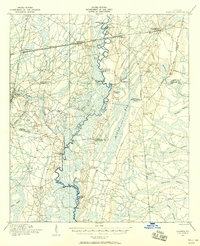 1917 Nahunta1958 Print · USGSSoutheast Georgia's riverine and rail networks are preserved here during the early twentieth century. Researchers can trace the legacy of rural education and transport through Ammons Ferry Bridge, the Jacksonville Post Road, and community anchors like Bixley Chapel.2 unique versions available
 - 1917 Map of Boulogne, 1966 Print
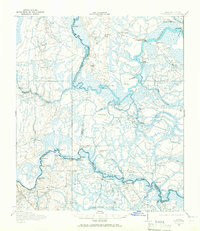 1917 Boulogne1966 Print · USGSCoastal Georgia and Florida meet at the turn of the century along the winding banks of the Satilla and St Marys Rivers. Genealogists can trace family roots through numerous river landings like Gum Stump Landing and old community hubs such as Owens Ferry and Colerain.
 - 1918 Map of St Marys
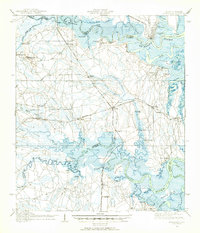 1918 St Marys1918 Print · USGSCoastal Nassau County and the Georgia border are seen here just after the Great War, during a period of peak railroad expansion. Trace family roots and old landings at St Marys, Wild's Ferry, and the Evergreen School house.
 - 1918 Map of Cumberland Island
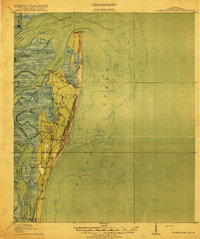 1918 Cumberland Island1918 Print · USGSCoastal Georgia at the end of the Great War was a world of secluded island estates and vital maritime waterways. Researchers can trace the early infrastructure of the barrier islands through labels like Greyfield, the Lighthouse (Abandoned), and Plum Orchard Wharf.
 - 1918 Map of Nahunta
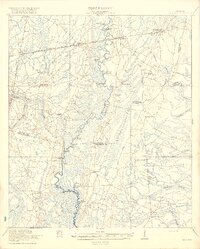 1918 Nahunta1918 Print · USGSSoutheastern Georgia at the end of the Great War reveals a landscape defined by the winding Satilla River and its vast swamps. Researchers can locate early schools and river crossings like Ammons Ferry Bridge, Oak Grove School, and Bixley Chapel.2 unique versions available
 - 1918 Map of Bladen
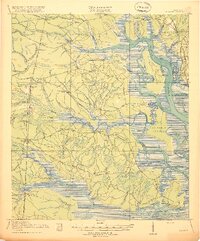 1918 Bladen1918 Print · USGSThe Georgia coast at the end of the Great War reveals a landscape of tidal marshes and vital rail junctions. Genealogists can trace family roots through sites like Brockington School, Dover Bluff, and the junction at Bladen.2 unique versions available
 - 1918 Map of Kingsland
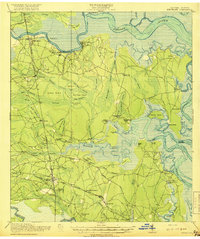 1918 Kingsland1918 Print · USGSCamden County, Georgia, at the Florida border, is shown here during the First World War era when river landings and rail junctions shaped local life. Genealogists can trace family footprints at Ruhamah School, Fairview Church, and the riverfront settlement of Ceylon.3 unique versions available
 - 1919 Map of Fernandina
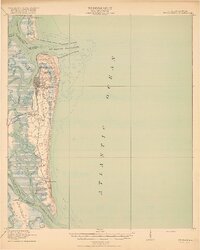 1919 Fernandina1919 Print · USGSCoastal Florida and Georgia meet at the mouth of the St Marys River in this survey from the late nineteen-teens. Historians can trace the early waterfront at Fernandina, the military grounds of Ft Clinch, and the remote settlement of Franklintown.4 unique versions available
 - 1919 Map of St Marys
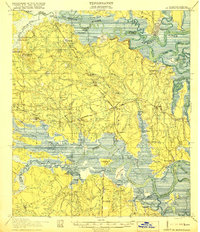 1919 St Marys1919 Print · USGSThe Georgia-Florida borderlands near the coast were a patchwork of tidal marshes and rail towns just after the Great War. You can trace early river landings and rural schools like Evergreen School, Wilds Ferry, and the Seaboard Air Line rail stops.5 unique versions available
 - 1919 Map of Boulogne
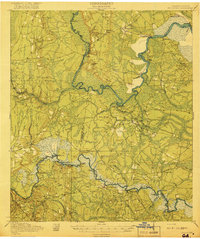 1919 Boulogne1919 Print · USGSCoastal Georgia and Florida meet along the river-carved timberlands of the late nineteen-teens. Genealogists and historians can trace defunct river landings and rural landmarks like Owens Ferry, Germantown School, and the industrial site at Baileys Mills.3 unique versions available
 - 1930 Map of Cumberland Island
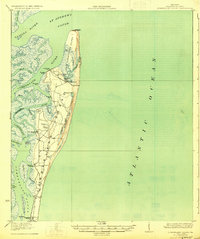 1930 Cumberland Island1930 Print · USGSCoastal Camden County during the interwar years is defined by the private estates and tidal marshes of this barrier island. Trace the early estate culture through Greyfield and the numerous landings like Stafford Wharf and the Lighthouse (Abandoned).3 unique versions available
 - 1939 Map of Bladen
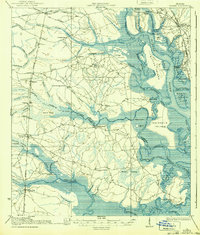 1939 Bladen1939 Print · USGSCoastal Glynn and Camden counties in the late 1930s reveal a landscape of intricate tidal marshes and emerging rail hubs. Genealogists and historians can trace the foundations of local life through the Waverly settlement, the Waverly Tramroad, and rural landmarks like the Magnolia School.2 unique versions available
 - 1944 Map of Fernandina
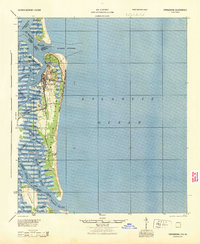 1944 Fernandina1944 Print · USGSThe Florida-Georgia borderlands come to life in this mid-forties coastal survey of Nassau County and its barrier islands. Genealogists and historians can trace the early footprints of Old Fernandina and Franklintown or locate landmarks like Ft Clinch and the U S Quarantine Sta.
 - 1945 Map of Brunswick
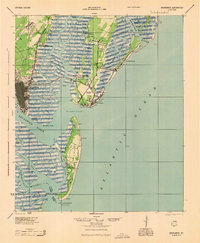 1945 Brunswick1945 Print · USGSThe Georgia coast at the end of the war reveals a landscape of tidal marshes and emerging resort islands. Genealogists and historians can trace old island roads like Shell Road, locate early aviation sites at Malcolm McKinnon Airport, and find family-named locations such as St Simon Mills.
 - 1945 Map of Cumberland Island
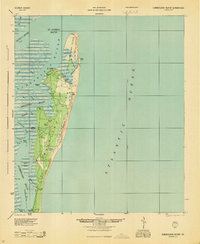 1945 Cumberland Island1945 Print · USGSCamden County's coastal barrier islands are documented here during the mid-forties, showing the maritime infrastructure of the Georgia shore. Genealogists and researchers can trace the locations of historic landings like Plum Orchard Wharf and the settlement at Greyfield.
 - 1946 Map of Brunswick, 1948 Print
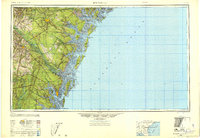 1946 Brunswick1948 Print · USGSCoastal Georgia in the mid-forties reveals a landscape defined by the Camp Stewart Military Reservation and the sprawling barrier islands. Genealogists and historians can trace the rail-and-river network through inland towns like Ludowici and Jesup, or locate coastal landmarks like the St Simon Light.
 - 1948 Map of Jacksonville
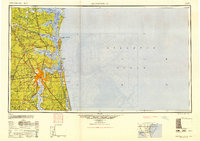 1948 Jacksonville1948 Print · USGSNortheast Florida and Southeast Georgia's coastal waterways and railroad towns are captured here in the years following the war. Genealogists can trace family connections through river towns like St Marys or identify long-standing military landmarks like Jacksonville NAS.
 - 1948 Map of Brunswick
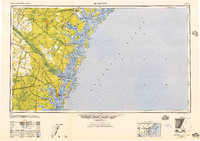 1948 Brunswick1948 Print · USGSCoastal Georgia in the late 1940s is defined here by its labyrinthine barrier islands and the massive footprint of Camp Stewart. Genealogists and historians can trace the rail-tied growth of Jesup and Hinesville or locate coastal landmarks like St Simon Light.
 - 1956 Map of Bladen, 1959 Print
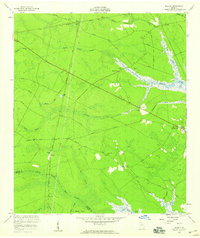 1956 Bladen1959 Print · USGSCoastal Glynn and Camden counties are captured here in the mid-1950s, a period defined by the intersections of the Atlantic Coast Line and the Seaboard Air Line. Researchers can locate family landmarks such as Higgenbottom Cem and rural centers like Brookman and New Zion Ch.
 - 1956 Map of Brunswick West, 1960 Print
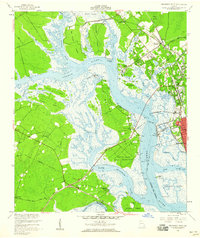 1956 Brunswick West1960 Print · USGSThe coastal marshlands and river junctions of Glynn County are captured here in the mid-1950s. Genealogists and historians can trace rail lines to Southern Junction, locate the Blythe Island Naval Reservation, and find rural landmarks like Emanuel Ch.2 unique versions available
 - 1956 Map of Brunswick, 1968 Print
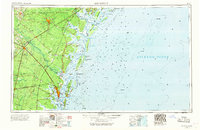 1956 Brunswick1968 Print · USGSThe Georgia coast in the mid-twentieth century is a wild expanse of barrier islands and massive river deltas. You can trace the development of the maritime economy and military presence at Brunswick, or locate historic sites like Fort Frederica National Monument and Harris Neck National Wildlife Refuge.2 unique versions available
 - 1957 Map of Jekyll Island, 1959 Print
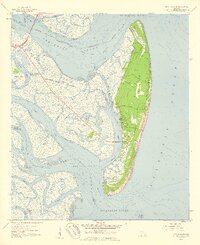 1957 Jekyll Island1959 Print · USGSJekyll Island in the late fifties is captured here as a state-protected landscape of maritime forests and tidal marshes. Genealogists and historians can trace family-named roads like Maurice Road and Captain Wylly Road or locate Faith Chapel.2 unique versions available
 - 1957 Map of Jacksonville, 1967 Print
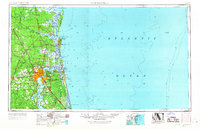 1957 Jacksonville1967 Print · USGSCoastal Florida and Georgia meet in the late fifties, showcasing a landscape of naval aviation, deep-water terminals, and barrier island communities. Researchers can trace the mid-century footprints of NAS Jacksonville, find small communities like Franklintown, and locate the historic Fort Clinch State Park.3 unique versions available
 - 1958 Map of Fernandina Beach, 1959 Print
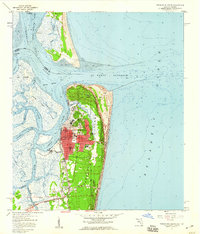 1958 Fernandina Beach1959 Print · USGSCoastal Nassau County comes alive in the late fifties, showcasing the intricate tidal marshes and maritime boundaries of the Florida-Georgia line. Researchers can trace the layout of Fernandina Beach, from St Josephs Academy to the historic Amelia Island Lighthouse.2 unique versions available
 - 1958 Map of Gross, 1959 Print
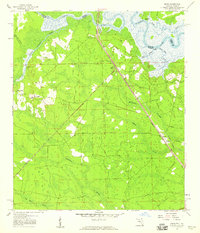 1958 Gross1959 Print · USGSNassau County's river-and-rail corridor is captured in the late 1950s, showing the winding St Marys River border. Genealogists can trace family landmarks like St James Ch in Evergreen or old stops at Gross and Becker.2 unique versions available
Showing maps 1-25 of 193
Top cities of Camden County
- St. Marys historical maps
- Kingsland historical maps
- Kings Bay Base historical maps
- Woodbine historical maps
Frequently asked questions
- What are the different types of historical maps available for Camden County?
- What is the oldest map of Camden County?
- Where can I purchase historical maps of Camden County for my home or office?
- Where can I download high-res historical maps of Camden County?
- Are there historical topographic maps available for Camden County?
- Is there historical aerial imagery available for Camden County?
- Where are historical maps of Camden County sourced from?