Old Maps of Idaho Falls, Idaho for Hiking & Exploration
Hike through history with 40 historic maps of Idaho Falls. Explore old trails, ghost towns, and forgotten backroads — perfect for outdoor adventurers and local explorers.
- Rediscover forgotten places: Map out old mining camps, roads, and footpaths that no longer exist on modern maps.
- Layer with modern tools: Combine with LiDAR or satellite views to plan hikes through historical terrain.
- Made for exploration: Popular among hikers, overlanders, and local history lovers.
Use these maps to find adventure and explore the hidden past of Idaho Falls.
Idaho Falls, ID maps
(40)- 1924 Map of Ammon, 1958 Print
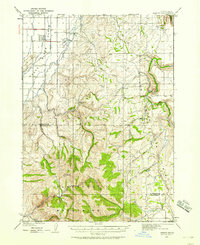 1924 Ammon1958 Print · USGSSoutheast Idaho at the dawn of the motorized age shows a landscape of developing irrigation and rural schools. You can trace the path of the Union Pacific through Ammon or locate historic schoolhouses like Dewey School and Henry Creek School.3 unique versions available
 - 1948 Map of Idaho Falls North, 1962 Print
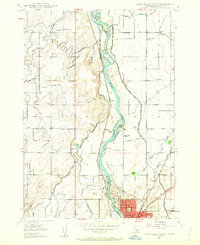 1948 Idaho Falls North1962 Print · USGSIdaho Falls and the surrounding Bonneville County farmlands are seen here just after the war, when irrigation transformed the valley. Genealogists can locate family landmarks like the Coltman Ward Church, St Leon Grange, and rural sites like Payne and Orvin.4 unique versions available
 - 1948 Map of Idaho Falls South, 1965 Print
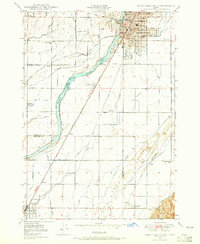 1948 Idaho Falls South1965 Print · USGSIn the late 1940s, the area south of Idaho Falls was a thriving agricultural valley defined by a sophisticated irrigation network and the SNAKE RIVER. Genealogists and local historians can trace rural school districts like Stanton Sch and York Sch, alongside landmarks such as the LDS Temple and Fielding Memorial Cem.3 unique versions available
 - 1948 Map of Ucon, 1973 Print
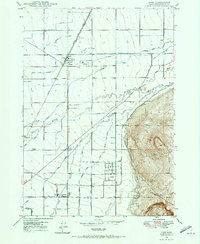 1948 Ucon1973 Print · USGSUpper Snake River Plain settlements and irrigation networks are shown in detail during the late nineteen-forties. Genealogists and local historians can trace family-named water rights and rural landmarks from St Leon School to Iona and the Lincoln Cem.3 unique versions available
 - 1949 Map of Ucon
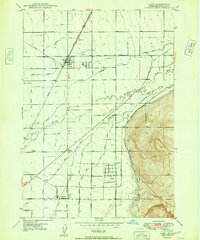 1949 Ucon1949 Print · USGSThe agricultural heart of Bonneville County comes alive in this late-1940s survey of the canal-fed plains north of Idaho Falls. Genealogists and local historians can trace family-named waterworks like Norton Ditch alongside landmarks like St Leon School and Lincoln Cem.
 - 1949 Map of Idaho Falls North
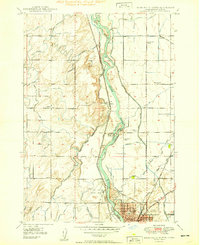 1949 Idaho Falls North1949 Print · USGSNorth of Idaho Falls in the late 1940s, the Snake River powered a growing agricultural and transit hub. Researchers can trace the development of rural life through the Coltman Ward Church, Sage Creek School, and the vast network of the Great Western Canal.
 - 1949 Map of Roberts, 1959 Print
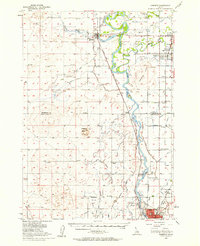 1949 Roberts1959 Print · USGSThe Upper Snake River Plain comes alive in the late 1940s, showing a landscape defined by industrial irrigation and rail-side settlements. Genealogists and historians can trace the foundations of local communities at Lewisville Cem, Grant Sch, and Oakland Valley.
 - 1950 Map of Idaho Falls South
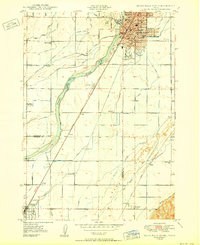 1950 Idaho Falls South1950 Print · USGSThe Snake River Plain south of Idaho Falls reveals an intricate mid-century network of irrigation canals and rural school districts. Genealogists can locate family landmarks like New Sweden Cemetery, the LDS Temple, and the Riverdale Sch (Aband'd).
 - 1950 Map of Rigby, 1953 Print
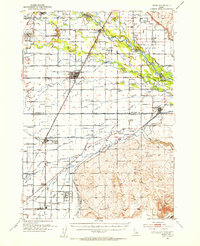 1950 Rigby1953 Print · USGSThe Snake River valley in the early postwar years was a thriving network of irrigated farms and railroad towns. Genealogists and local historians can trace the foundations of Rigby and Ririe, locating vanished landmarks like Bucks Sch (Aband) or Milo Cem.
 - 1955 Map of Idaho Falls, 1963 Print
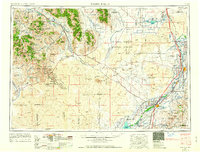 1955 Idaho Falls1963 Print · USGSThe Snake River Plain and its surrounding volcanic peaks are captured in the late fifties, showing the region's unique mix of nuclear research and high-desert ranching. Trace the industrial footprint of the National Reactor Testing Station or find old mining sites like Empire Mine.5 unique versions available
 - 1955 Map of Driggs, 1967 Print
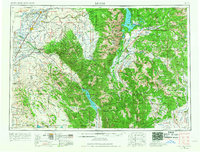 1955 Driggs1967 Print · USGSEastern Idaho and Western Wyoming appear at a mid-century crossroads as the river valleys were fully settled and the high peaks protected. Genealogists and researchers can trace the rail towns of Rexburg and Driggs or follow the Snake River from Irwin to the Palisades Reservoir.3 unique versions available
 - 1958 Map of Driggs
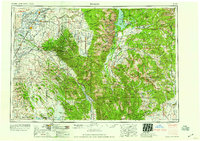 1958 Driggs1958 Print · USGSThe high Teton peaks and Snake River valleys are captured here in the mid-fifties, showing the region's agricultural and wilderness boundaries. Researchers can trace the Union Pacific rail corridor through Rexburg or locate early settlements like Clementsville and Tetonia.2 unique versions available
 - 1958 Map of Idaho Falls
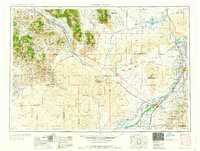 1958 Idaho Falls1958 Print · USGSEastern Idaho in the late fifties showcases the rapid expansion of agricultural and scientific outposts across its volcanic plains. Researchers can locate remote sites like Atomic City, mineral interests at White Knob Mine, and the cultural grounds of St Marys Mission.2 unique versions available
 - 1962 Map of Driggs
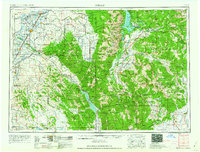 1962 Driggs1962 Print · USGSThe Idaho-Wyoming borderlands are captured here in the early sixties, showing the peaks and valleys of the northern Rockies. Genealogists and historians can trace rail lines like the Union Pacific RR and isolated outposts like the National Elk Refuge or the Fort Hall Indian Reservation.
 - 1976 Map of Idaho Falls South, 1981 Print
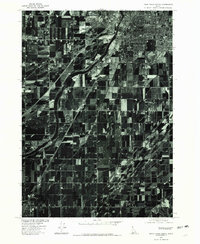 1976 Idaho Falls South1981 Print · USGSAgricultural development along the Snake River is captured in detail during the mid-seventies just south of Idaho Falls. Local historians can trace the irrigation patterns of the Great Western Canal and the early layout of Shelly.
 - 1978 Map of Blackfoot, 1997 Print
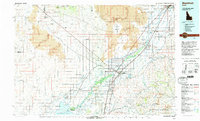 1978 Blackfoot1997 Print · USGSThe Snake River Valley in the late 1970s shows a landscape of volcanic lava flows meeting intensive irrigation. Genealogists and local historians can trace the irrigation canals and rail towns from Atomic City to the Fort Hall Indian Reservation and Gay Mine.
 - 1980 Map of Circular Butte
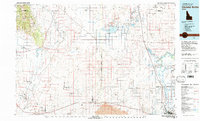 1980 Circular Butte1980 Print · USGSEastern Idaho at the start of the eighties shows a landscape of federal research and agricultural expansion. Trace the growth of nuclear history at the Idaho National Engineering Laboratory and early settlements like Monteview, Terreton, and Sage Junction.
 - 1981 Map of Ammon
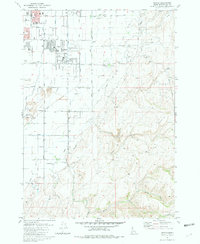 1981 Ammon1981 Print · USGSAmmon and the outskirts of Idaho Falls are shown in the early eighties as residential growth meets the irrigation canals and gravel pits. Trace local history through the Iona Cemetery, the Union Pacific rail corridor, and the Sandy Downs Rodeo Grounds.3 unique versions available
 - 1986 Map of Palisades, 1987 Print
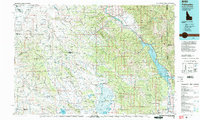 1986 Palisades1987 Print · USGSThe Idaho-Wyoming borderlands are captured here in the mid-1980s, where the high ridges of the Caribou Range meet the vital Snake River corridor. Researchers can trace the water-management history of Palisades Reservoir or locate the Monte Cristo Mine and Evergreen Mine near the Caribou Basin.2 unique versions available
 - 1988 Map of Rexburg, 1989 Print
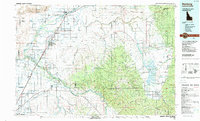 1988 Rexburg1989 Print · USGSThe Upper Snake River Valley in the late eighties shows a region shaped by water and agriculture. Genealogists and historians can locate family plots at the Rexburg Cemetery or trace the early paths of the Union Pacific Railroad through towns like Sugar City and Newdale.
 - 2010 Map of Idaho Falls South, 2010 Print
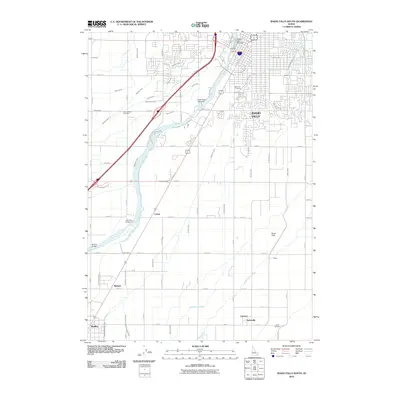 2010 Idaho Falls South2010 Print · USGSThe Snake River corridor south of Idaho Falls reveals a high-desert landscape transformed by a sophisticated network of canals and dams. Genealogists and researchers can trace local roots through Rose Hill Cemetery, Taylorville, and family-named landmarks like Bennett Bridge.
 - 2010 Map of Idaho Falls North, 2010 Print
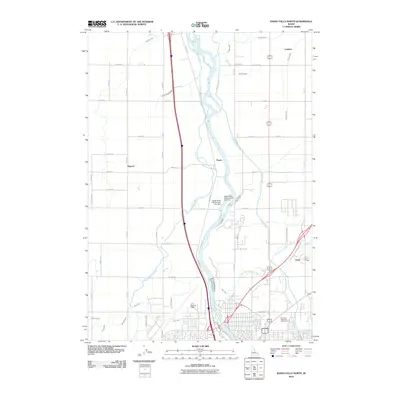 2010 Idaho Falls North2010 Print · USGSNorth of Idaho Falls in the early twenty-first century, the landscape is a masterwork of water engineering and rural settlement. Genealogists and historians can trace family-named waterworks like the Owners Mutual Canal or visit the Saint Leon Grange and Coltman.
 - 2011 Map of Ammon, 2011 Print
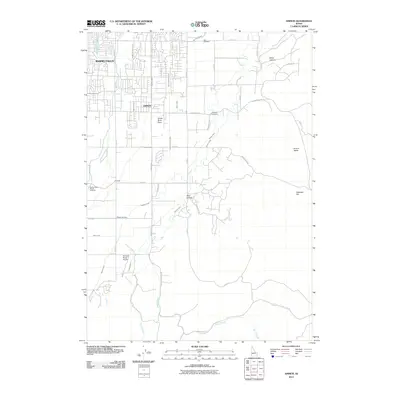 2011 Ammon2011 Print · USGSSoutheast of the Idaho Falls city center in the early twenty-first century, the landscape reveals a unique transition from suburban grid to irrigated basin. Researchers can trace historical water rights and land use via the Highline Canal, Ammon Cemetery, and the Sandy Downs Rodeo Grounds.
 - 2011 Map of Ucon, 2011 Print
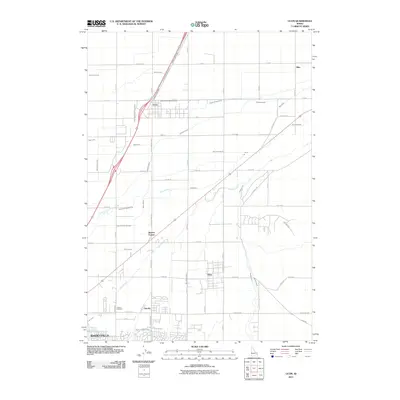 2011 Ucon2011 Print · USGSEastern Idaho's fertile agricultural plains are captured here just after the turn of the millennium, showing the vital irrigation networks around IDAHO FALLS. Researchers can trace the layout of early canal systems like the Farmers Friend Canal and locate local landmarks such as Lincoln Cemetery and Beachs Corner.
 - 2013 Map of Idaho Falls North, 2013 Print
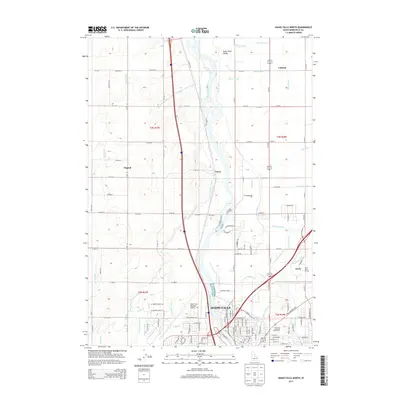 2013 Idaho Falls North2013 Print · USGSNorth of Idaho Falls in the early twenty-first century, a complex network of irrigation canals supports a thriving agricultural and municipal landscape. Researchers can trace the path of the Snake River and locate local landmarks like the Saint Leon Grange and Coltman.
Showing maps 1-25 of 40
Top cities near Idaho Falls
- Ammon historical maps
- Rigby historical maps
- Iona historical maps
- Ucon historical maps
- Menan historical maps
- Roberts historical maps
See more
Top neighborhoods of Idaho Falls
- North Idaho Falls historical maps
- South Idaho Falls historical maps
- Downtown historical maps
- Snake River Landing historical maps
- West Idaho Falls historical maps
Frequently asked questions
- What are the different types of historical maps available for Idaho Falls?
- What is the oldest map of Idaho Falls?
- Where can I purchase historical maps of Idaho Falls for my home or office?
- Where can I download high-res historical maps of Idaho Falls?
- Are there historical topographic maps available for Idaho Falls?
- Is there historical aerial imagery available for Idaho Falls?
- Where are historical maps of Idaho Falls sourced from?