Old Maps of Crawford County, Illinois for Academic Research
Study the evolution of Crawford County with 116 high-resolution historic maps. Whether you're teaching, researching, or modeling changes in land use, these maps provide essential visual documentation of urban, environmental, and geographic change.
- Analyze long-term change: Track patterns in development, transportation, and natural features.
- Ideal for environmental or urban studies: Support academic projects with primary historical map data.
- Use in the classroom or lab: Educators and researchers rely on these maps to bring historical context to life.
These maps are a powerful tool for teaching, research, and visualizing how Crawford County has changed over the decades.
Crawford County, IL maps
(116)- 1910 Map of Hardinville
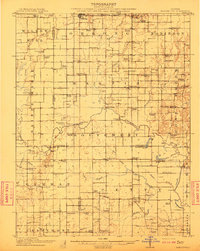 1910 Hardinville1910 Print · USGSSoutheastern Illinois at the start of the century reveals a landscape defined by the Embarrass River and early oil exploration. Genealogists can trace family roots through numerous local landmarks like Oil Center, Lucky Ford Ferry, and the Mann School.2 unique versions available
 - 1917 Map of Birds
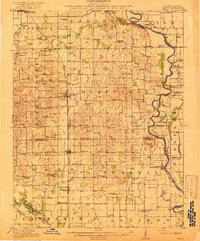 1917 Birds1917 Print · USGSCrawford and Lawrence counties thrive along the Wabash River at the height of the rail era. Genealogists can trace family roots through dozens of local schools like Hazel Dell School and river landings such as Shaws Landing.2 unique versions available
 - 1942 Map of Birds, 1958 Print
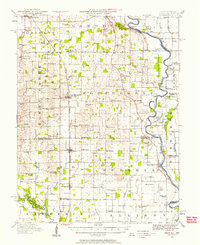 1942 Birds1958 Print · USGSThe Wabash River valley comes to life in this mid-century survey of the Illinois-Indiana borderlands. Genealogists can locate family lands near Oil Grove or trace ancestors through rural landmarks like Buncombe School and Brightlight Ferry.
 - 1943 Map of Merom
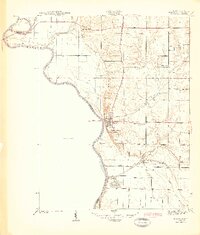 1943 Merom1943 Print · USGSThe Wabash River bluffs of Sullivan County are documented here during the early years of the war. Researchers can trace family history through several local landmarks like Merom Institute, the Old French Cem, and the river community of Riverton.2 unique versions available
 - 1953 Map of Indianapolis, 1965 Print
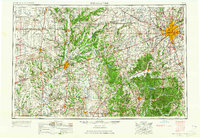 1953 Indianapolis1965 Print · USGSCentral Indiana and the Illinois borderlands are captured in the mid-sixties, showing the growth of Indianapolis and its industrial rail corridors. Genealogists and historians can trace the development of outlying towns like Zionsville or Beech Grove and find landmarks such as Atterbury AAF and Turkey Run State Park.4 unique versions available
 - 1956 Map of Indianapolis
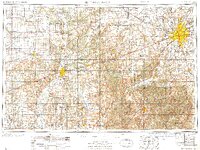 1956 Indianapolis1956 Print · USGSCentral Indiana in the mid-fifties is captured during a period of industrial growth and military presence. Genealogists and historians can trace the rail networks of the New York Central or locate regional landmarks like Fort Benjamin Harrison and Camp Atterbury.
 - 1956 Map of Annapolis, 1957 Print
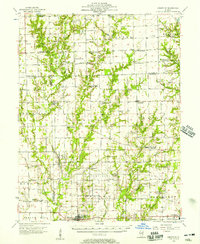 1956 Annapolis1957 Print · USGSSoutheast Illinois in the mid-1950s remains a landscape of tightly knit rural hamlets and creek-side farms. Genealogists can trace family footprints across dozens of country landmarks like Moonshine, Porterville (Eaton PO), and Backbone Cem.2 unique versions available
 - 1956 Map of Vincennes, 1967 Print
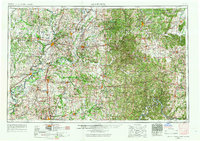 1956 Vincennes1967 Print · USGSSouthern Indiana and the Illinois borderlands are captured here in the mid-fifties, showing the region's dense network of river towns and rail lines. Researchers can trace historic river crossings along the Wabash River or locate landmarks like Wyandotte Cave and Lincoln State Park.4 unique versions available
 - 1957 Map of Indianapolis
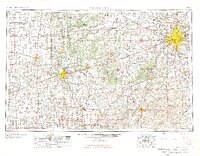 1957 Indianapolis1957 Print · USGSCentral Indiana in the mid-fifties is captured here as a crossroads of major rail lines and nascent federal highways. Genealogists and historians can trace family-named ridges like Poplar Ridge or locate strategic sites like Camp Atterbury and Speedway.2 unique versions available
 - 1957 Map of Vincennes
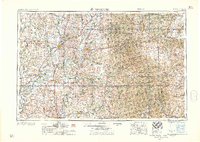 1957 Vincennes1957 Print · USGSSouthwest Indiana and the Illinois borderlands come alive in the late 1950s, a period of heavy rail traffic and expanding state forests. Genealogists and historians can trace the riverfronts and rail lines of Vincennes, New Harmony, and the vast Crane Naval Ammunition Depot.
 - 1957 Map of Hutsonville, 1958 Print
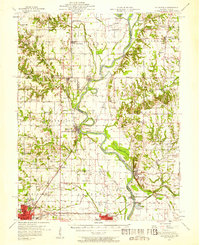 1957 Hutsonville1958 Print · USGSThe Wabash River valley in the late fifties shows a landscape defined by river-and-rail commerce between Illinois and Indiana. Trace family roots at the Merom Institute or locate early landmarks like Dodds Bridge and the Hutsonville Bridge.2 unique versions available
 - 1957 Map of Merom, 1958 Print
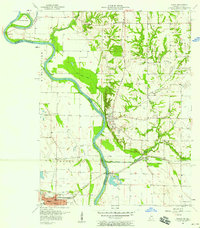 1957 Merom1958 Print · USGSThe Wabash River borderlands of Indiana and Illinois come alive in this mid-century study of the river's winding course. Researchers can locate family landmarks like the Old French Cem, the Merom Institute, and the Hutsonville Bridge (Toll).
 - 1958 Map of Vincennes
 1958 Vincennes1958 Print · USGSSouthern Indiana and the Illinois borderlands are captured during a mid-century period of heavy rail traffic and military activity. Researchers can trace the sprawling bounds of the Crane Naval Ammunition Depot or locate historic settlements like New Harmony and French Lick.2 unique versions available
 - 1962 Map of Indianapolis
 1962 Indianapolis1962 Print · USGSCentral Indiana and the Illinois borderlands are captured here in the early sixties, showing the region's dense rail networks and growing urban centers. Genealogists and historians can locate family-named landmarks and institutions like Crown Hill Cem, Indiana University, and the Indianapolis Motor Speedway.
 - 1964 Map of Flat Rock, 1965 Print
 1964 Flat Rock1965 Print · USGSCrawford County's energy and rail landscape comes into focus in the mid-1960s as oil extraction and industry shape the countryside. Researchers can trace dozens of family cemeteries like Ford Cem and old rail stops along the New York Central.
 - 1964 Map of Heathsville, 1965 Print
 1964 Heathsville1965 Print · USGSThe Illinois-Indiana border along the Wabash River comes into focus in the mid-1960s, showing a landscape defined by river cutoffs and rural settlements. Genealogists can trace family names at Morea Cem, Grace Ch, and the crossroads at Heathsville.3 unique versions available
 - 1964 Map of Birds, 1965 Print
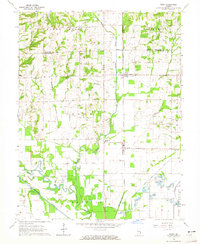 1964 Birds1965 Print · USGSThe rural landscape of Lawrence County in the mid-1960s reveals a network of railroad-aligned settlements and prairie farmsteads. Genealogists can trace family names through landmarks like Morris Cem, Riddleville, and the Brookside Sch along the New York Central line.
 - 1964 Map of Russellville, 1965 Print
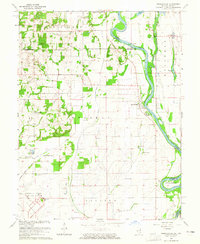 1964 Russellville1965 Print · USGSThe Wabash River valley at the border of Illinois and Indiana shows a landscape of aviation and river-bottom agriculture in the mid-1960s. Researchers can locate the Lawrenceville Vincennes Municipal Airport and rural landmarks like Rising Sun Ch and the Niblack Cem.2 unique versions available
 - 1966 Map of West Union, 1967 Print
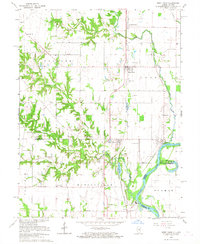 1966 West Union1967 Print · USGSIn the mid-1960s, the rural borderlands between Illinois and Indiana were defined by the New York Central rail line and the winding Wabash River. Researchers can trace family roots at Hogue Cem or Harrison Cem and locate historic community centers like West York and Ohio Chapel.
 - 1966 Map of Merom, 1967 Print
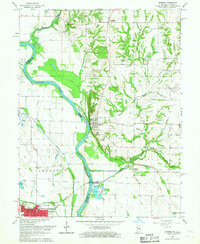 1966 Merom1967 Print · USGSThe Wabash River valley in the mid-1960s reveals a landscape of fertile floodplains and established river towns along the Indiana-Illinois border. Researchers can trace family history through numerous rural landmarks like Big Springs Ch, Mann Cem, and the streets of Palestine.4 unique versions available
 - 1966 Map of Hutsonville, 1967 Print
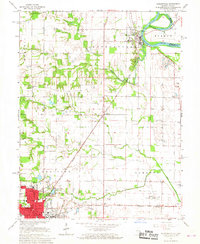 1966 Hutsonville1967 Print · USGSCrawford County and the Wabash River borderlands are shown here in the mid-sixties as the region balanced its agricultural roots with industrial growth. Genealogists and researchers can locate the Indian Treaty Boundary, family landmarks like Newlin Cem, and the New York Central rail corridor.2 unique versions available
 - 1968 Map of Chauncey, 1970 Print
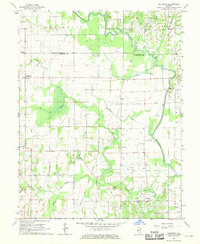 1968 Chauncey1970 Print · USGSSoutheastern Illinois in the late sixties reveals a landscape where old treaty lines and the oil industry overlap. Genealogists and local historians can locate several rural churches and schools, such as Bethany Ch, Island Ch, and the Petty Sch near Applegate.
 - 1968 Map of Oblong South, 1970 Print
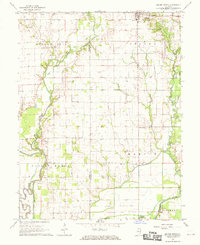 1968 Oblong South1970 Print · USGSJasper and Crawford County at the end of the sixties reveal a rural landscape defined by the winding North Fork Embarras River and an active oil industry. Genealogists can locate family landmarks such as Miller Cem, Seed Chapel, and the St Valentine Ch Cem.2 unique versions available
 - 1968 Map of Landes, 1970 Print
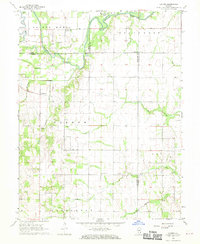 1968 Landes1970 Print · USGSRichland and Jasper counties in the late sixties remain a patchwork of small townships and rural parishes. Family historians can trace local roots through numerous country landmarks like South Bend Cem, St Joseph Sch, and the Amity settlement.
 - 1968 Map of Stoy, 1970 Print
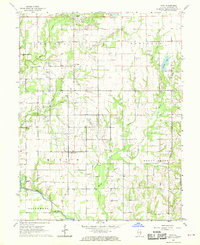 1968 Stoy1970 Print · USGSCrawford County's oil-producing landscape is captured here in the late sixties, showing the integration of petroleum extraction with rural Illinois life. Researchers can locate family sites at Hardinville Cem, Prior Grove Ch, and the rail junction at Stoy.2 unique versions available
Showing maps 1-25 of 116
Top cities of Crawford County
- Robinson historical maps
- Oblong historical maps
- Palestine historical maps
- Hutsonville historical maps
- Flat Rock historical maps
- Stoy historical maps
Frequently asked questions
- What are the different types of historical maps available for Crawford County?
- What is the oldest map of Crawford County?
- Where can I purchase historical maps of Crawford County for my home or office?
- Where can I download high-res historical maps of Crawford County?
- Are there historical topographic maps available for Crawford County?
- Is there historical aerial imagery available for Crawford County?
- Where are historical maps of Crawford County sourced from?