Old Maps of McLean County, Illinois for Academic Research
Study the evolution of McLean County with 237 high-resolution historic maps. Whether you're teaching, researching, or modeling changes in land use, these maps provide essential visual documentation of urban, environmental, and geographic change.
- Analyze long-term change: Track patterns in development, transportation, and natural features.
- Ideal for environmental or urban studies: Support academic projects with primary historical map data.
- Use in the classroom or lab: Educators and researchers rely on these maps to bring historical context to life.
These maps are a powerful tool for teaching, research, and visualizing how McLean County has changed over the decades.
McLean County, IL maps
(237)- 1926 Map of Normal, 1966 Print
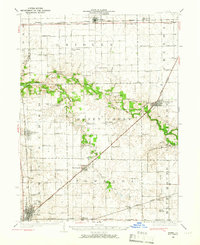 1926 Normal1966 Print · USGSCentral Illinois rail towns and prairie farmsteads are captured here during the mid-1920s. Genealogists can locate dozens of rural landmarks, including the Union Ch and schoolhouses like Frog Alley Sch and Sixmile Sch.2 unique versions available
 - 1927 Map of Danvers, 1961 Print
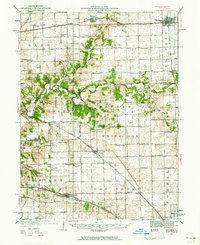 1927 Danvers1961 Print · USGSCentral Illinois at the end of the roaring twenties was a landscape of dense rail networks and dozens of rural schoolhouses. Genealogists can trace family footprints near Centennial Chapel, the Town Hall, and dozens of district schools like Strubhar Sch or Hopewell Sch.
 - 1928 Map of Gibson City
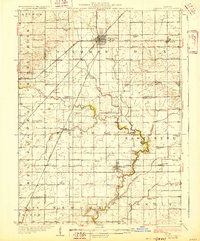 1928 Gibson City1928 Print · USGSCentral Illinois farming life is captured here in the late 1920s, dominated by the major rail junction at Gibson City. Genealogists can locate dozens of country schools like Scotland School and Caledonia School along the Sangamon River.2 unique versions available
 - 1928 Map of Mackinaw, 1954 Print
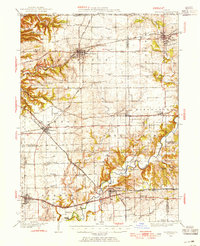 1928 Mackinaw1954 Print · USGSTazewell and Woodford Counties thrived as a major rail hub in the late twenties, balancing rich farmland with bustling rail towns. Genealogists can trace family roots through dozens of district schools like Science Hill Sch and settlements including Morton, Deer Creek, and Allentown.
 - 1930 Map of Danvers
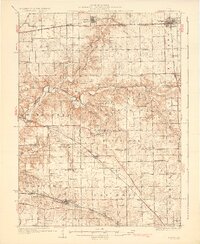 1930 Danvers1930 Print · USGSCentral Illinois farming communities are frozen in time just before the Depression, showing a landscape defined by the Mackinaw River and thriving rail lines. Genealogists can locate family-named schoolhouses like Strubhar Sch and early religious centers like East White Oak Ch.2 unique versions available
 - 1930 Map of Normal
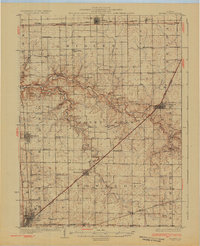 1930 Normal1930 Print · USGSMcLean County is captured here in the late twenties, showing a rural landscape defined by rail lines and a school in nearly every section. Genealogists can locate specific landmarks like the Little Red Sch, the Town Hall in Money Creek, and the old rail corridors of the Chicago and Alton.2 unique versions available
 - 1932 Map of Mackinaw
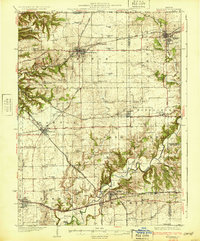 1932 Mackinaw1932 Print · USGSTazewell and Woodford counties are captured here in the early 1930s, showing a landscape tightly organized by rail lines and rural schoolhouses. Genealogists can trace family footprints across dozens of local districts like Cottonwood Sch or visit the Mennonite Ch and the Mackinaw Sanitarium.2 unique versions available
 - 1935 Map of Pontiac, 1968 Print
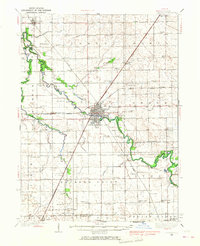 1935 Pontiac1968 Print · USGSLivingston County in the mid-1930s is a landscape of thriving rail-side towns and small agricultural townships. Researchers can trace the lineage of early rural education and community at State Reformatory, Eppards Point Ch, and Bunnard Cem.2 unique versions available
 - 1939 Map of Pontiac
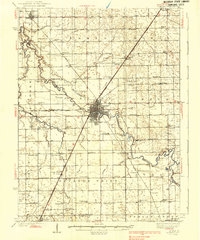 1939 Pontiac1939 Print · USGSLivingston County in the late 1930s reveals a landscape of productive prairie farmland and vital rail junctions centered on Pontiac. Researchers can trace the heritage of rural communities through dozens of country schoolhouses like Edgewood Sch and the grounds of the State Retormatory.2 unique versions available
 - 1947 Map of Sibley, 1965 Print
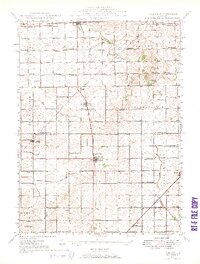 1947 Sibley1965 Print · USGSCentral Illinois prairie life is captured here in the late 1940s, showing a landscape defined by rail junctions and rural schoolhouses. Trace the Wabash RR through Sibley or find family landmarks like Mt Hope Cem and Happy Home Sch.2 unique versions available
 - 1949 Map of Sibley
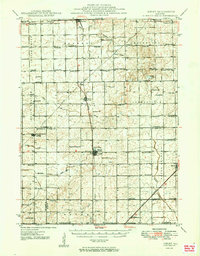 1949 Sibley1949 Print · USGSThe Illinois prairie of Ford and McLean counties is captured here in the late 1940s, a time when rail lines and country schoolhouses still anchored the rural community. Genealogists can locate family names at Mt Hope Cem and trace vanished landmarks like Cropsey Sch or Allen Sch.2 unique versions available
 - 1949 Map of Mc Lean, 1972 Print
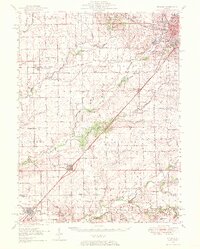 1949 Mc Lean1972 Print · USGSMid-century McLean County is captured here at a time when small rural schools and parish churches still dotted the prairie landscape. Genealogists and historians can trace family roots through numerous sites like Mount Hope Cem, Alexander Sch, and the Ebenezer Ch.
 - 1951 Map of McLean
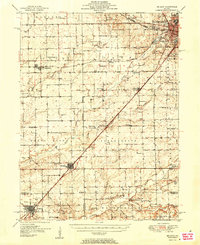 1951 McLean1951 Print · USGSCentral Illinois during the early fifties reveals a landscape of thriving rail towns and rural school districts. Genealogists and historians can trace the foundations of Bloomington or find local landmarks like Forks Grove Ch and Sunny Point Sch.2 unique versions available
 - 1951 Map of Minier, 1952 Print
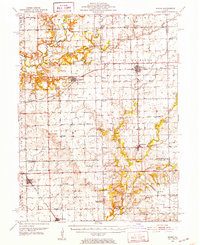 1951 Minier1952 Print · USGSTazewell and Logan Counties thrive as a rail-and-river agricultural hub during the mid-twentieth century. Family historians can trace local roots through numerous country landmarks like Mennonite Cem, the settlement at Mindale, and Hittle Grove Cem.3 unique versions available
 - 1951 Map of Le Roy, 1952 Print
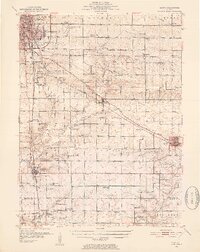 1951 Le Roy1952 Print · USGSThe McLean and De Witt County line area comes alive in the early fifties as a landscape of rail-connected towns and fading country schoolhouses. Genealogists can trace family roots through Old Rutledge Cem or locate forgotten sites like Shamrock and Hendryx Sch.3 unique versions available
 - 1952 Map of Arrowsmith
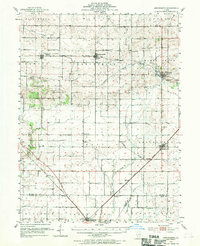 1952 Arrowsmith1952 Print · USGSAgriculture and the steam-and-diesel rail era meet in this Illinois heartland during the early fifties. Genealogists and historians can trace the foundations of Farmer City and Saybrook while locating rural sites like Prairie Chapel and Payne Cem.2 unique versions available
 - 1957 Map of Gibson City, 1958 Print
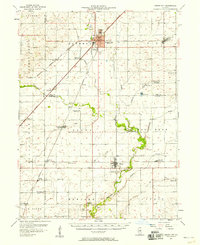 1957 Gibson City1958 Print · USGSMid-century Ford and Champaign Counties are mapped here at the height of the railroad era. Genealogists can trace family names through landmarks like Walker Ch, Oregon Cem, and several schoolhouses like the Mounts Sch or the Blackford Sch.2 unique versions available
 - 1957 Map of Colfax, 1958 Print
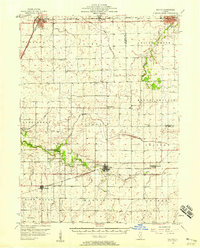 1957 Colfax1958 Print · USGSCentral Illinois farming country is mapped here during the mid-fifties, showing the vital rail corridors through McLean and Livingston counties. Genealogists can trace family roots at Pleasant Hill Cem, Antioch Cem, and the community of Cooksville.
 - 1958 Map of Flanagan, 1959 Print
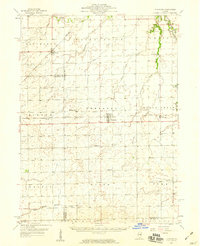 1958 Flanagan1959 Print · USGSNorth-central Illinois townships during the late fifties show a landscape of thriving rail-side hamlets and rural parish life. Genealogists can locate family landmarks like the Salem Childrens Home, Nigh Chapel, and the Morris Cem near the Vermilion River.2 unique versions available
 - 1958 Map of Peoria, 1969 Print
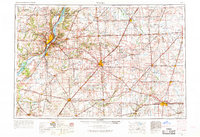 1958 Peoria1969 Print · USGSCentral Illinois thrived as a hub of education and transport during the late sixties, as the new interstate system began to reshape the prairie. Genealogists and historians can trace local landmarks like Springdale Cem, Bradley University, and the sprawling grounds of Chanute AFB.4 unique versions available
 - 1961 Map of Peoria
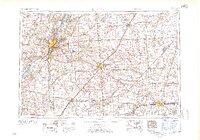 1961 Peoria1961 Print · USGSCentral Illinois thrived at the intersection of river trade and rail power during the late fifties. Genealogists and local historians can trace the rail networks of the Illinois Central and Wabash, alongside landmarks like Chanute AFB and Weldon Springs State Park.
 - 1963 Map of Peoria
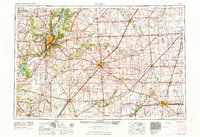 1963 Peoria1963 Print · USGSCentral Illinois thrived as a rail and highway crossroads during the early sixties, centered on the bustling Illinois River valley. Genealogists and historians can trace the mid-century layout of Peoria, locate the grounds of Chanute Air Force Base, and follow historic lines like the Toledo Peoria and Western Railway.
 - 1970 Map of El Paso, 1972 Print
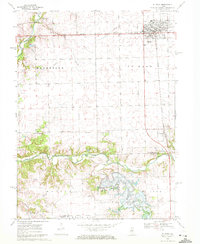 1970 El Paso1972 Print · USGSCentral Illinois during the early seventies shows the city of El Paso at a crossroads of rail and river commerce. Researchers can locate family sites at Centennial Chapel Cem and trace the early development of Evergreen Lake.2 unique versions available
 - 1970 Map of Danvers, 1972 Print
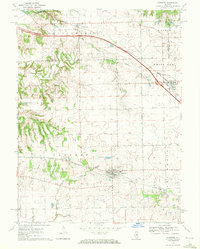 1970 Danvers1972 Print · USGSCentral Illinois prairie life and transit are captured here in the early seventies as new interstates began to parallel historic rail lines. Researchers can trace family sites at Stouts Grove Cem, locate the North Danvers Ch, and follow the Penn Central tracks.
 - 1970 Map of Mackinaw, 1972 Print
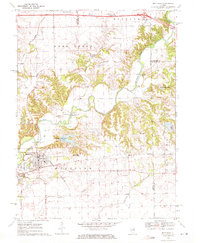 1970 Mackinaw1972 Print · USGSTazewell County's rural heartland is documented here in the early seventies, centered on the Penn Central rail corridor and the winding Mackinaw River. Genealogists and historians can locate the Oak Knoll Sanatorium, old family burials like Stumbaugh Cem, and the small settlement of Lilly.2 unique versions available
Showing maps 1-25 of 237
Top cities of McLean County
- Bloomington historical maps
- Normal historical maps
- Empire historical maps
- Randolph historical maps
- Le Roy historical maps
- Heyworth historical maps
See more
Frequently asked questions
- What are the different types of historical maps available for McLean County?
- What is the oldest map of McLean County?
- Where can I purchase historical maps of McLean County for my home or office?
- Where can I download high-res historical maps of McLean County?
- Are there historical topographic maps available for McLean County?
- Is there historical aerial imagery available for McLean County?
- Where are historical maps of McLean County sourced from?