Old Maps of Viola, Illinois for Academic Research
Study the evolution of Viola with 14 high-resolution historic maps. Whether you're teaching, researching, or modeling changes in land use, these maps provide essential visual documentation of urban, environmental, and geographic change.
- Analyze long-term change: Track patterns in development, transportation, and natural features.
- Ideal for environmental or urban studies: Support academic projects with primary historical map data.
- Use in the classroom or lab: Educators and researchers rely on these maps to bring historical context to life.
These maps are a powerful tool for teaching, research, and visualizing how Viola has changed over the decades.
Viola, IL maps
(14)- 1923 Map of Alexis
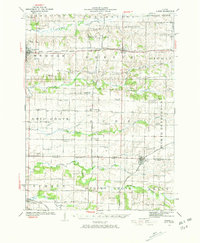 1923 Alexis1923 Print · USGSNorthwestern Illinois at the height of the steam-rail era shows a countryside dotted with local schools and coal-hauling branch lines. Genealogists and historians can trace family ties to Ohio Grove Church, Mann Cemetery, or vanished stops like Shale City.2 unique versions available
 - 1925 Map of Alexis
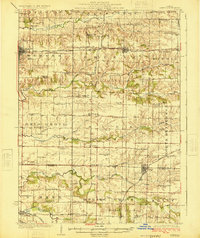 1925 Alexis1925 Print · USGSThe Illinois prairie of the 1920s is preserved here through a remarkably detailed network of rural schoolhouses and railroad stops. Trace the paths of the Rock Island Southern through Shale City or locate family roots at Ohio Grove Church and Mann Cemetery.
 - 1953 Map of Viola, 1957 Print
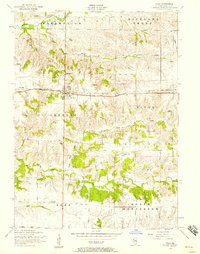 1953 Viola1957 Print · USGSMercer County farmland and rail-side villages appear in the early fifties during the height of the rural school era. Trace local family history through Viola Cemetery, Green Summit School, and the defunct rail stops at Gilchrist or Wanlock.2 unique versions available
 - 1958 Map of Davenport, 1968 Print
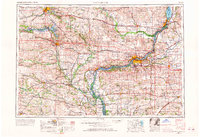 1958 Davenport1968 Print · USGSEastern Iowa and western Illinois thrive along the river during the late fifties, defined by the industrial Quad Cities and a robust rail network. Genealogists can trace family roots through settlements like Oasis and Stanwood or along the Cedar River.2 unique versions available
 - 1961 Map of Davenport
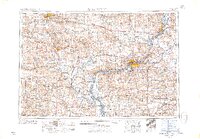 1961 Davenport1961 Print · USGSThe Quad Cities and the eastern Iowa riverlands are captured here in the early sixties, showing the region's transition into a modern industrial and transit hub. Genealogists and historians can trace the paths of major railroads and find river landmarks like Rock Island Arsenal, Huron Island, and the Coralville Reservoir.
 - 1962 Map of Davenport
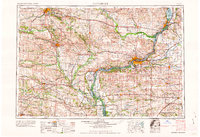 1962 Davenport1962 Print · USGSThe Quad Cities and the Mississippi River corridor are shown at their industrial peak just before the interstate era fully transformed the region. Researchers can trace the sprawling rail networks of the Chicago Rock Island and Pacific and find landmarks like the Rock Island Arsenal and Wild Cat Den State Park.
 - 1984 Map of Aledo, 1985 Print
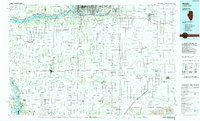 1984 Aledo1985 Print · USGSThe Mississippi River borderlands and Illinois heartland are captured here in the mid-eighties as industry and agriculture overlap. Trace the Hennepin Canal, the historic Swedish colony at Bishop Hill, and the rail corridors of the Burlington Northern.
 - 1989 Map of Aledo
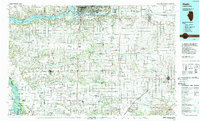 1989 Aledo1989 Print · USGSWestern Illinois and eastern Iowa are shown here during the late twentieth century, when the river-and-rail economy still defined the Quad Cities and the surrounding prairie. Researchers can trace historic settlements like Bishop Hill and Millersburg alongside active routes like the Chicago Rock Island & Pacific RR.
 - 1992 Map of Viola
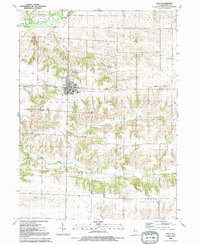 1992 Viola1992 Print · USGSViola and its surrounding townships are mapped here in the early nineties, showing a landscape shaped by rural industry and local creeks. Researchers can trace family sites at Cooper Cem, locate the Winola Sch, or follow the path of an Old Railroad Grade.
 - 2012 Map of Viola, 2012 Print
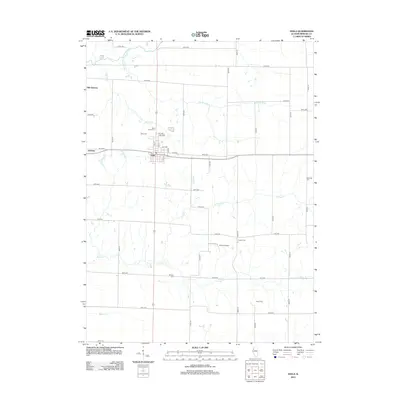 2012 Viola2012 Print · USGSMercer County farming life is recorded here in the early twenty-first century, centered on the village of Viola. Genealogists can trace family roots at Saint John's Cem or Bridger Cem, while local historians can locate Old Gilchrist and Young Airport.
 - 2015 Map of Viola, 2015 Print
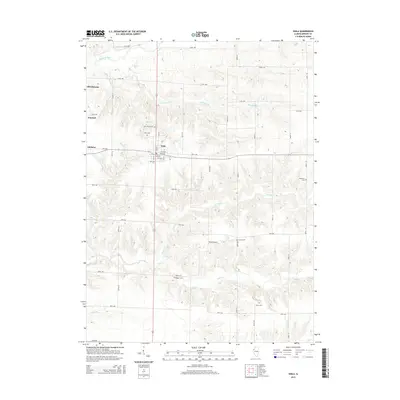 2015 Viola2015 Print · USGSMercer County's rural landscape comes into focus during the mid-2010s, centered on the village of Viola. Genealogists and historians can trace numerous family and community burial sites, including Saint John's Cem, Mann Cem, and the rural enclave of Old Gilchrist.
 - 2018 Map of Viola, 2018 Print
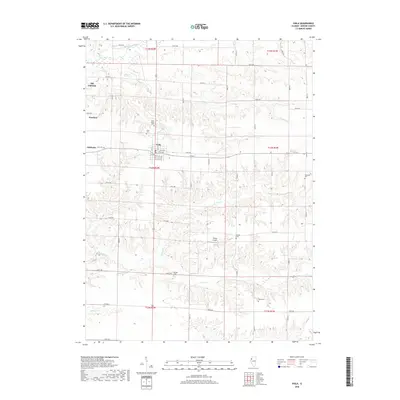 2018 Viola2018 Print · USGSMercer County at the close of the 2010s reveals a structured rural landscape centered on the village of Viola. Genealogists and local historians can trace legacy sites like Old Gilchrist, Wanlock, and numerous family burial grounds including Mann Cemetery.
 - 2021 Map of Viola, 2021 Print
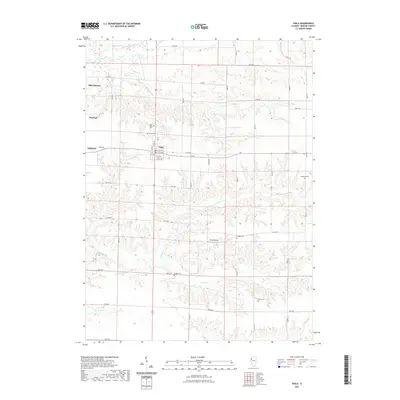 2021 Viola2021 Print · USGSMercer County's rural landscape is documented here in the early twenty-first century as the agricultural township surrounds the village of Viola. Researchers can trace local lineage through a dozen historic burial grounds including Saint John's Cem, Cooper Cem, and Bridger Cem.
 - 2024 Map of Viola, 2024 Print
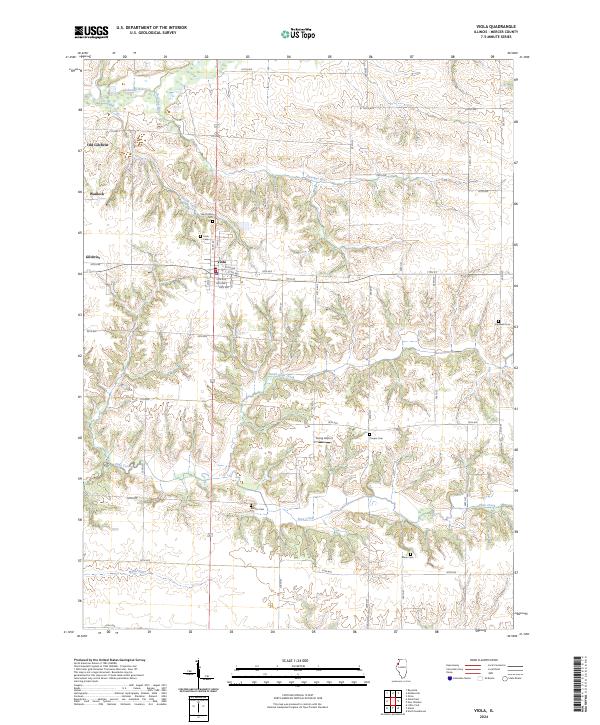 2024 Viola2024 Print · USGSModern Mercer County reveals its deep rural roots in this recent survey of the Viola area. Genealogists can trace family landmarks like Saint John's Cem and Hopewell Cem, or locate the historic sites of Old Gilchrist and Wanlock.
End of results
Showing maps 1-14 of 14
Top cities near Viola
- Moline historical maps
- Rock Island historical maps
- Galesburg historical maps
- Milan historical maps
- Coal Valley historical maps
- Aledo historical maps
See more
Frequently asked questions
- What are the different types of historical maps available for Viola?
- What is the oldest map of Viola?
- Where can I purchase historical maps of Viola for my home or office?
- Where can I download high-res historical maps of Viola?
- Are there historical topographic maps available for Viola?
- Is there historical aerial imagery available for Viola?
- Where are historical maps of Viola sourced from?