Old Maps of Du Quoin, Illinois for Academic Research
Study the evolution of Du Quoin with 42 high-resolution historic maps. Whether you're teaching, researching, or modeling changes in land use, these maps provide essential visual documentation of urban, environmental, and geographic change.
- Analyze long-term change: Track patterns in development, transportation, and natural features.
- Ideal for environmental or urban studies: Support academic projects with primary historical map data.
- Use in the classroom or lab: Educators and researchers rely on these maps to bring historical context to life.
These maps are a powerful tool for teaching, research, and visualizing how Du Quoin has changed over the decades.
Du Quoin, IL maps
(42)- 1910 Map of Herrin
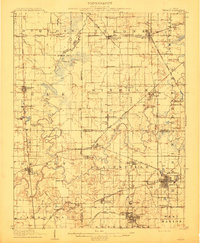 1910 Herrin1910 Print · USGSSouthern Illinois thrived at the height of its rail-and-coal era, with this 1910 survey capturing a landscape of growing towns and industrial spurs. Genealogists and historians can trace family roots through localized sites like Dewmaine, Old Duquoin, and the Oak Grove School.2 unique versions available
 - 1910 Map of Murphysboro
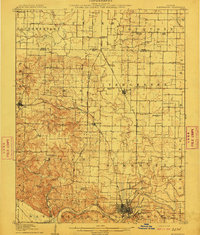 1910 Murphysboro1910 Print · USGSSouthern Illinois at the turn of the century shows a landscape of busy rail junctions and tight-knit rural school districts. Genealogists can trace family footprints at Sutter Church, Sodom School, and the early township centers of Oraville and Vergennes.2 unique versions available
 - 1924 Map of Pinckneyville, 1958 Print
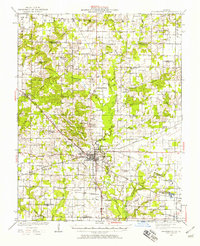 1924 Pinckneyville1958 Print · USGSPerry County at the height of its rail and coal era is captured here, centered on the bustling junction of Pinckneyville. Genealogists can locate dozens of country schools like St Marys School and Slade School, or trace family mines such as Panther Mine.2 unique versions available
 - 1926 Map of Pinckneyville
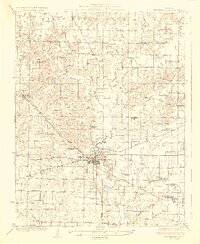 1926 Pinckneyville1926 Print · USGSPerry County at the height of the mid-twenties coal era shows a bustling landscape of rail-connected towns and rural school districts. Genealogists and historians can trace family locations near Pinckneyville at Carr School, Oak Grove Church, and the Victory Coal Mine.2 unique versions available
 - 1926 Map of Duquoin
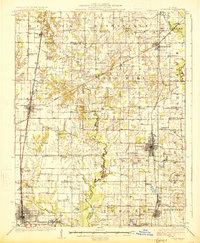 1926 Duquoin1926 Print · USGSSouthern Illinois coal country is at its industrial peak in the mid-twenties, with thriving rail towns and active collieries. You can trace early 20th-century family roots at Young's Chapel or locate old operations like the Big Ben Mine and Old Keller Mine.3 unique versions available
 - 1936 Map of Herrin
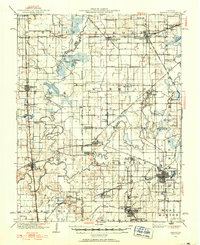 1936 Herrin1936 Print · USGSSouthern Illinois was defined by its coal-and-rail economy in the 1930s as industrial lines reached deep into the countryside. Trace the family landmarks of this era at Old Duquoin, Buckner Pond, and the Union Hill Church.2 unique versions available
 - 1938 Map of Murphysboro, 1958 Print
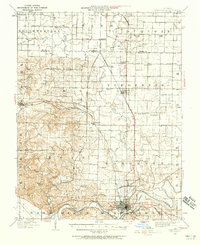 1938 Murphysboro1958 Print · USGSSouthern Illinois in the late thirties is defined here by the busy rail hubs and river bends of the Jackson and Perry county line. Researchers can trace rural lineages through numerous country schoolhouses like Sugar Hill School and Woodward School or old rail junctions at Oraville and Texas Junction.
 - 1949 Map of Paducah
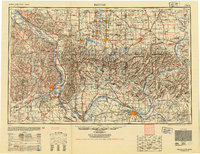 1949 Paducah1949 Print · USGSThe confluence of the Ohio, Mississippi, Tennessee, and Cumberland rivers at the close of the 1940s reveals a region bound by water and rail. Researchers can trace historic river landings, timberlands in the Shawnee National Forest, and the coal-mining infrastructure around West Frankfort and Herrin.2 unique versions available
 - 1950 Map of Paducah
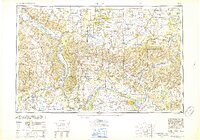 1950 Paducah1950 Print · USGSThe confluence of the great midwestern rivers defines this mid-century landscape at the intersection of Illinois, Kentucky, and Missouri. Genealogists and historians can trace the rail-and-river economy through the hubs of Paducah, Cairo, and Metropolis or locate family roots near the Wildcat Hills.
 - 1954 Map of Paducah
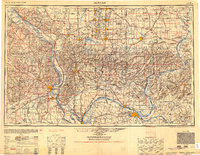 1954 Paducah1954 Print · USGSSouthern Illinois and Western Kentucky intersect at the great river confluences during this mid-century era of rail and river industry. Genealogists and historians can trace family roots and commerce through river towns like Cairo, Metropolis, and Golconda, or along the tracks of the Illinois Central Railroad.2 unique versions available
 - 1958 Map of Belleville, 1973 Print
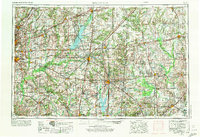 1958 Belleville1973 Print · USGSSouthern Illinois during the mid-twentieth century reveals a landscape of industrial growth and massive new reservoirs. Genealogists and historians can trace the paths of the Illinois Central RR through towns like Centralia or locate landmarks such as Emerald Mound and the Looking Glass Prairie.3 unique versions available
 - 1961 Map of Paducah
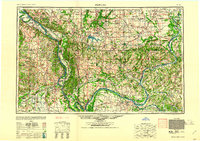 1961 Paducah1961 Print · USGSThe Lower Ohio Valley at mid-century is a landscape defined by its great rivers and newly formed reservoirs. Researchers can trace the riverfronts of Paducah and Metropolis, or locate smaller settlements like Old Shawneetown and Cave in Rock along the banks.2 unique versions available
 - 1962 Map of Belleville
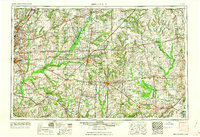 1962 Belleville1962 Print · USGSSouthern Illinois in the late fifties reveals a landscape of industrial growth and ancient landmarks before the full expansion of the interstate system. Genealogists can trace family names and rural post offices near Centralia, Salem, and the historic Monks Mound.
 - 1964 Map of Paducah
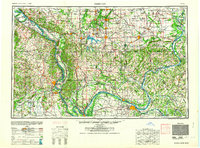 1964 Paducah1964 Print · USGSThe river-and-rail corridor of Southern Illinois and Western Kentucky is captured here during the height of the mid-century industrial era. Genealogists and researchers can trace local landmarks across several counties, from the rail yards of Paducah to the waters of Crab Orchard Lake and Kentucky Reservoir.2 unique versions available
 - 1968 Map of Elkville, 1969 Print
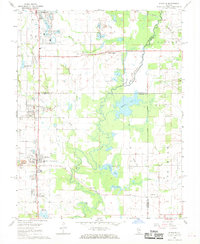 1968 Elkville1969 Print · USGSSouthern Illinois coal and rail communities are captured here in the late sixties, showing the transition between rural farmland and industrial mining. Genealogists can locate family burial sites like Old Du Quoin Cem and Greer Cem, or trace the rail corridors through Dowell and Hallidayboro.2 unique versions available
 - 1968 Map of Vergennes, 1970 Print
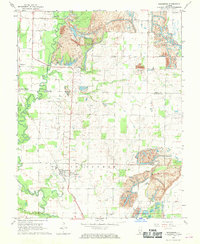 1968 Vergennes1970 Print · USGSSouthern Illinois at the end of the sixties shows a landscape shaped by coal extraction and the rail lines of the Illinois Central. Genealogists can trace family landmarks like Parrish Cem and Tuthill Cem near the village of Vergennes.
 - 1974 Map of Pyatts, 1978 Print
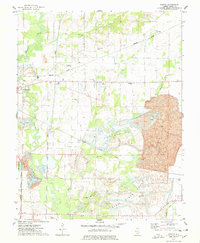 1974 Pyatts1978 Print · USGSPerry County's mining and rail corridors are captured in the mid-1970s as surface extraction reshaped the landscape around Pinckneyville. Genealogists and local historians can locate community sites such as Cudgetown, School No 204, and the Sacred Heart Cem.2 unique versions available
 - 1975 Map of Du Quoin, 1977 Print
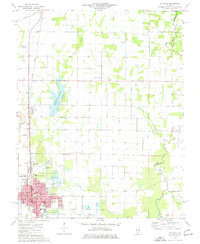 1975 Du Quoin1977 Print · USGSMid-century Perry County is defined here by the intersection of industrial energy and small-town life. Researchers can trace the layout of Du Quoin during the 1970s, locating the Tamaroa South Oil Field, Browning Hospital, and several rural burial grounds.
 - 1984 Map of Carbondale, 1985 Print
 1984 Carbondale1985 Print · USGSSouthern Illinois in the mid-1980s was a crossroads of major rail lines and vast conservation lands centered on Carbondale. Local researchers can trace the development of Southern Illinois University, the Menard Correctional Center, and the many shorelines of Crab Orchard Lake.
 - 1985 Map of Pinckneyville
 1985 Pinckneyville1985 Print · USGSSouthern Illinois in the mid-eighties shows a landscape of prairie farms, coal extraction, and vital rail corridors. Researchers can trace the rail-side growth of Venedy Station and New Memphis Station or locate landmarks like St Libory Church and Memorial Gardens Cem.2 unique versions available
 - 1986 Map of Carbondale
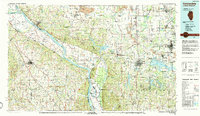 1986 Carbondale1986 Print · USGSSouthern Illinois and the Mississippi River valley are captured in the mid-eighties as a landscape of diverse water systems and conservation lands. Researchers can trace the development of Southern Illinois University or locate landmarks like Fort Gage and St Marys Seminary.
 - 1987 Map of Paducah, 1988 Print
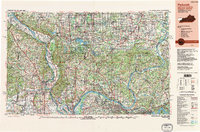 1987 Paducah1988 Print · USGSThe Lower Ohio Valley and the Illinois Ozarks come alive in this late twentieth-century regional survey. Genealogists and local historians can trace river-town roots and state park landmarks from Metropolis to Cape Girardeau and Trail of Tears State Park.
 - 2012 Map of Du Quoin, 2012 Print
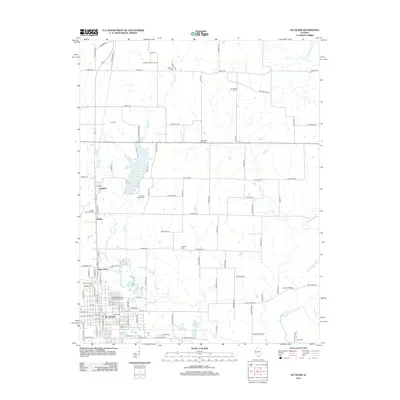 2012 Du Quoin2012 Print · USGSPerry County's rural and industrial character is preserved here in the early twenty-first century as the landscape transitions from the city of Du Quoin to northern oil fields. Family historians can locate numerous burial sites like Paradise Prairie Cem or trace rail history at Goddard Siding.
 - 2012 Map of Vergennes, 2012 Print
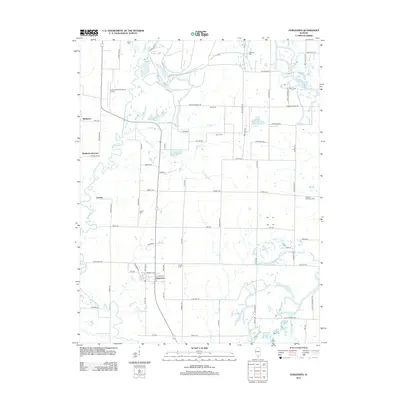 2012 Vergennes2012 Print · USGSSouthern Illinois farmland and the village of Vergennes appear in fine detail during the early 2010s. Genealogists can trace a wealth of burial sites including the Russian Orthodox Cem, Tuthill Cem, and House Cem across this rural landscape.
 - 2012 Map of Pyatts, 2012 Print
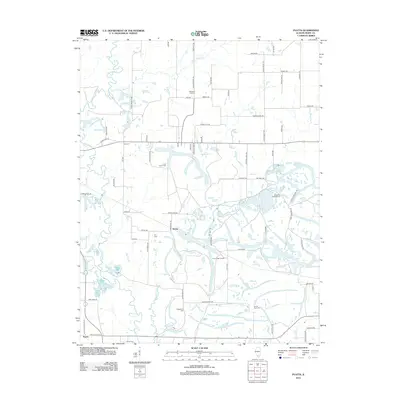 2012 Pyatts2012 Print · USGSPerry County settlements and burial grounds are meticulously documented in this early twenty-first-century survey. Researchers can trace local lineage through a dozen named sites like Ninemile Baptist Cemetery, Pyatts, and Holts Prairie Cemetery.
Showing maps 1-25 of 42
Top cities near Du Quoin
- Herrin historical maps
- Murphysboro historical maps
- Pinckneyville historical maps
- Carterville historical maps
- Christopher historical maps
- Sesser historical maps
See more
Frequently asked questions
- What are the different types of historical maps available for Du Quoin?
- What is the oldest map of Du Quoin?
- Where can I purchase historical maps of Du Quoin for my home or office?
- Where can I download high-res historical maps of Du Quoin?
- Are there historical topographic maps available for Du Quoin?
- Is there historical aerial imagery available for Du Quoin?
- Where are historical maps of Du Quoin sourced from?