Old Maps of The Conservancy, Milan for Genealogy
Trace your family roots with 18 historic maps of The Conservancy. These high-res maps reveal old neighborhoods, homesites, landmarks, and streets — helping you uncover where your ancestors lived and how the area evolved over time.
- Explore historic neighborhoods: Identify where your relatives may have lived in the 1800s or 1900s.
- Compare maps over time: Trace the changes in streets, buildings, and landmarks for multi-generational research.
- Perfect for genealogy & ancestry research: Used by family historians and researchers to map out lineage and migration.
These maps are an incredible resource for exploring your personal connection to The Conservancy's past.
The Conservancy, Milan maps
(18)- 1912 Map of Milan
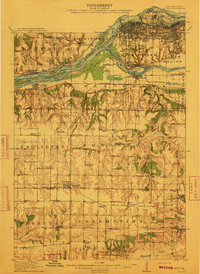 1912 Milan1912 Print · USGSThe river confluence and burgeoning rail networks of Rock Island County are captured here just before the First World War. Researchers can trace the legacy of early industry and education through sites like the Coal Valley Mine, Blackhawk Watchtower, and Excelsior School.7 unique versions available
 - 1944 Map of Milan, 1958 Print
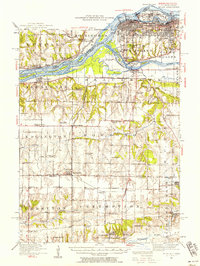 1944 Milan1958 Print · USGSThe Illinois-Iowa border comes alive in the 1940s, highlighting the industrial riverfronts and the rural interior of Rock Island and Mercer Counties. Trace family roots and local industry at the Coal Valley Mine, the US Arsenal, or the vanished schoolhouses like Doxie School.
 - 1948 Map of Milan, 1955 Print
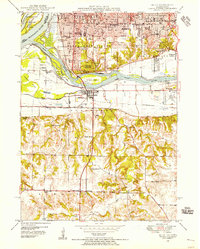 1948 Milan1955 Print · USGSThe Quad Cities area in the late 1940s reveals a landscape defined by the convergence of the Rock River and Mississippi River. Genealogists and local historians can trace legacy sites like Chippiannock Cem, the County Sanitarium, and numerous country schools such as Tindall Sch.
 - 1950 Map of Milan
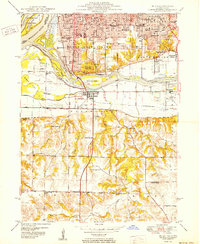 1950 Milan1950 Print · USGSThe Tri-Cities area comes alive in the mid-century as industrial centers like Rock Island and Moline expand across the river islands. Researchers can locate dozens of local landmarks, from Chippiannock Cem to rural outposts like Tindall School No 1.2 unique versions available
 - 1953 Map of Milan, 1956 Print
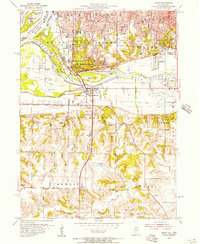 1953 Milan1956 Print · USGSThe Quad Cities area in the early fifties shows a landscape of river-driven industry and rapid post-war growth. Genealogists can trace family roots through numerous named schools and cemeteries like Chippiannock Cemetery and the rural Pleasant Hill Cem.3 unique versions available
 - 1953 Map of Milan, 1959 Print
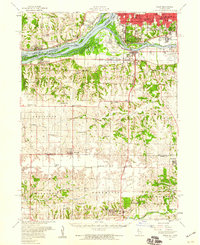 1953 Milan1959 Print · USGSRock Island County and the Mississippi riverfront are captured here in the mid-fifties, showing the region's transition from river-town industry to suburban growth. Genealogists and historians can locate numerous rural landmarks like St Josephs Ch, Colony Cem, and the old Edgington Sch.
 - 1958 Map of Davenport, 1968 Print
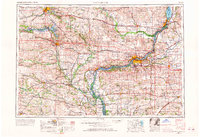 1958 Davenport1968 Print · USGSEastern Iowa and western Illinois thrive along the river during the late fifties, defined by the industrial Quad Cities and a robust rail network. Genealogists can trace family roots through settlements like Oasis and Stanwood or along the Cedar River.2 unique versions available
 - 1961 Map of Davenport
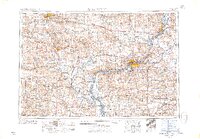 1961 Davenport1961 Print · USGSThe Quad Cities and the eastern Iowa riverlands are captured here in the early sixties, showing the region's transition into a modern industrial and transit hub. Genealogists and historians can trace the paths of major railroads and find river landmarks like Rock Island Arsenal, Huron Island, and the Coralville Reservoir.
 - 1962 Map of Davenport
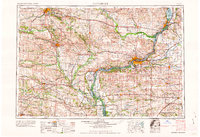 1962 Davenport1962 Print · USGSThe Quad Cities and the Mississippi River corridor are shown at their industrial peak just before the interstate era fully transformed the region. Researchers can trace the sprawling rail networks of the Chicago Rock Island and Pacific and find landmarks like the Rock Island Arsenal and Wild Cat Den State Park.
 - 1984 Map of Aledo, 1985 Print
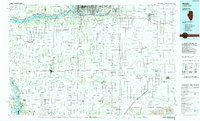 1984 Aledo1985 Print · USGSThe Mississippi River borderlands and Illinois heartland are captured here in the mid-eighties as industry and agriculture overlap. Trace the Hennepin Canal, the historic Swedish colony at Bishop Hill, and the rail corridors of the Burlington Northern.
 - 1989 Map of Aledo
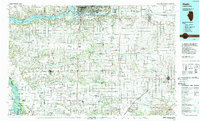 1989 Aledo1989 Print · USGSWestern Illinois and eastern Iowa are shown here during the late twentieth century, when the river-and-rail economy still defined the Quad Cities and the surrounding prairie. Researchers can trace historic settlements like Bishop Hill and Millersburg alongside active routes like the Chicago Rock Island & Pacific RR.
 - 1992 Map of Milan
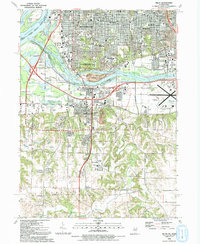 1992 Milan1992 Print · USGSThe Quad Cities area at the start of the 1990s showcases the meeting of the Mississippi and Rock Rivers amidst a landscape of established urban centers and riverine islands. Genealogists and local researchers can trace numerous family sites at Chippiannock Cem or locate community landmarks like Wharton Field House and Camden Park.
 - 2000 Map of Milan, 2001 Print
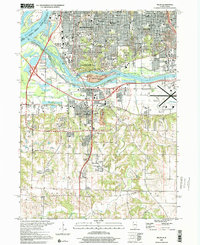 2000 Milan2001 Print · USGSThe Quad Cities region comes into sharp focus at the end of the century, where the river-based industrial legacy meets modern suburban expansion. Researchers can trace family sites from Chippiannock Cem to rural outposts like Coyne Center and Oak Grove.
 - 2012 Map of Milan, 2012 Print
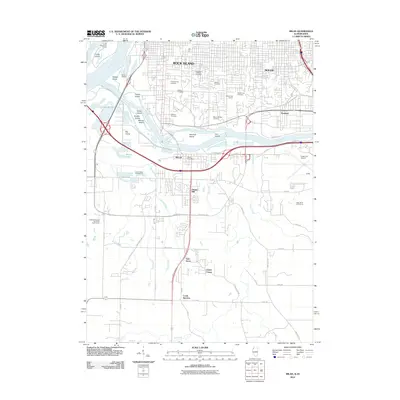 2012 Milan2012 Print · USGSThe Illinois-Iowa borderlands are captured here in the early twenty-first century as the Quad Cities expand south of the Rock River. Genealogists can locate family sites at Chippiannock Cemetery or William Carr Cemetery, while others trace the growth of Milan and Coyne Center.2 unique versions available
 - 2015 Map of Milan, 2015 Print
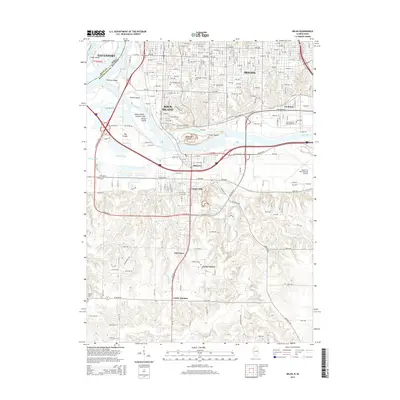 2015 Milan2015 Print · USGSThe Quad Cities area in the mid-2010s shows a landscape defined by the branching Rock River and its numerous islands. Local historians can trace established neighborhoods and numerous burial sites like Chippiannock Cem, Hebrew Cem, and William Carr Cem.
 - 2018 Map of Milan, 2018 Print
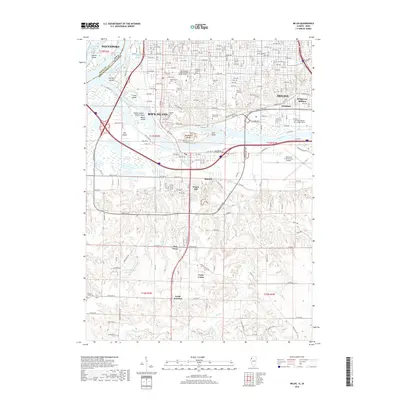 2018 Milan2018 Print · USGSThe Illinois-Iowa border communities are charted here at the confluence of the Mississippi and Rock Rivers. Local historians can trace the development of Milan and Coyne Center alongside significant landmarks like Chippiannock Cem and the Quad City International Airport.
 - 2021 Map of Milan, 2021 Print
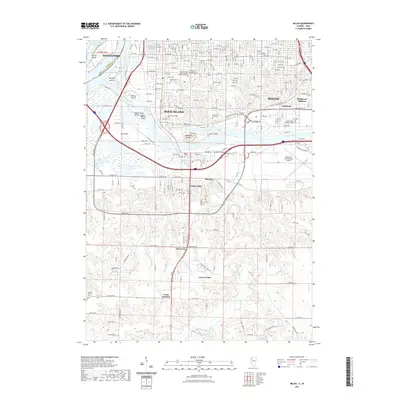 2021 Milan2021 Print · USGSThe Tri-Cities area of Iowa and Illinois appears in the early twenty-first century as a complex landscape of industry, aviation, and river life. Researchers can locate numerous local landmarks such as Chippiannock Cem, Ginger Hill, and the Quad City International Airport.
 - 2024 Map of Milan, 2024 Print
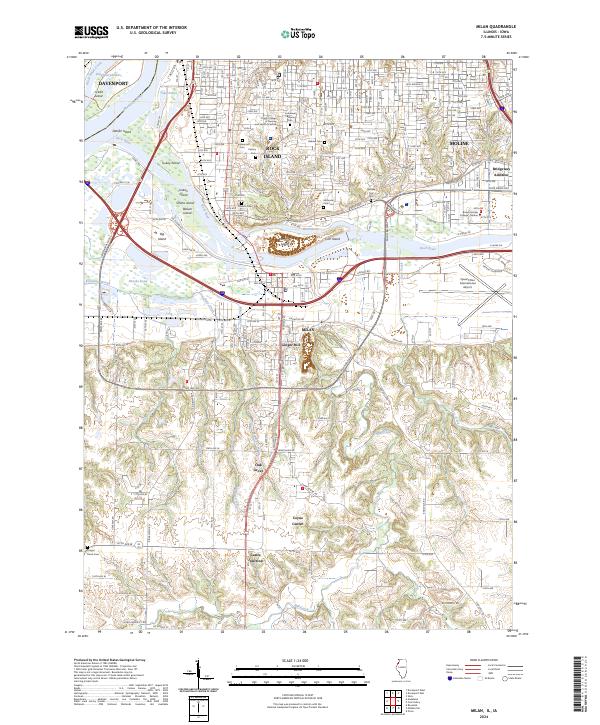 2024 Milan2024 Print · USGSThe confluence of the Mississippi and Rock Rivers comes alive in this current-era mapping of the Quad Cities region. Researchers can trace the boundaries of historic burial grounds like Chippiannock Cem and Hebrew Cem, or locate landmarks such as Ginger Hill and Credit Island.
End of results
Showing maps 1-18 of 18
Frequently asked questions
- What are the different types of historical maps available for The Conservancy?
- What is the oldest map of The Conservancy?
- Where can I purchase historical maps of The Conservancy for my home or office?
- Where can I download high-res historical maps of The Conservancy?
- Are there historical topographic maps available for The Conservancy?
- Is there historical aerial imagery available for The Conservancy?
- Where are historical maps of The Conservancy sourced from?