Old Maps of Woodford County, Illinois for Metal Detecting
Plan your next treasure hunt with 157 historic maps of Woodford County. Find old homesites, ghost towns, trails, and gathering spots that may be lost to time — perfect for identifying promising metal detecting locations.
- Locate forgotten sites: Uncover places like long-lost settlements, abandoned rail lines, or gathering spots.
- Plan better hunts: Use map overlays combined with LiDAR or satellite views to narrow in on historically rich areas.
- Made for detectorists: Thousands of hobbyists use these maps to discover relics, coins, and hidden history.
Use these historic maps to boost your research and find new opportunities beneath the surface of Woodford County.
Woodford County, IL maps
(157)- 1893 Map of Metamora
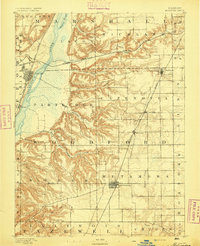 1893 Metamora1893 Print · USGSWoodford and Marshall counties are shown in the 1890s as the rail networks and river towns of the Illinois valley reached maturity. Researchers can trace the early footprints of Metamora, Washburn, and Rome alongside the path of the Chicago and Alton Railroad.4 unique versions available
 - 1893 Map of Dunlap
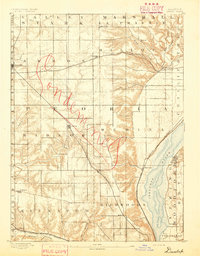 1893 Dunlap1893 Print · USGSPeoria County and the Illinois River valley are seen here in the 1890s, when the region was a bustling network of rail towns and river bluffs. Genealogists can trace family roots in early settlements like Dunlap, Princeville, and the river community of Mossville.
 - 1898 Map of Dunlap
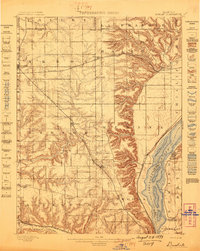 1898 Dunlap1898 Print · USGSPeoria County and its neighboring townships thrive along the river bluffs and rail lines during the late 1890s. Researchers can trace the path of the Atchison Topeka and Santa Fe Railroad and locate vanished rural centers like Wady Petra and Orange Prairie.4 unique versions available
 - 1905 Map of Peoria
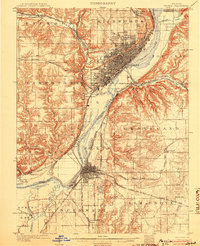 1905 Peoria1905 Print · USGSPeoria and Pekin at the turn of the century are revealed here as major industrial hubs defined by the Illinois River. Researchers can trace the early rail network and locate landmarks like Orchard Mines, the Insane Asylum, and the Poor Farm.4 unique versions available
 - 1926 Map of Normal, 1966 Print
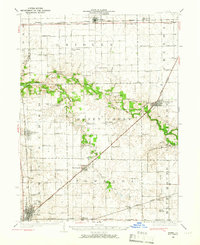 1926 Normal1966 Print · USGSCentral Illinois rail towns and prairie farmsteads are captured here during the mid-1920s. Genealogists can locate dozens of rural landmarks, including the Union Ch and schoolhouses like Frog Alley Sch and Sixmile Sch.2 unique versions available
 - 1927 Map of Peoria, 1955 Print
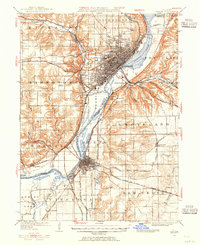 1927 Peoria1955 Print · USGSPeoria and the Illinois River valley are shown here during the mid-1930s, capturing a critical era of rail expansion and industrial growth. Genealogists and researchers can trace local landmarks like the State Hospital, Orchard Mines, and the Poor Farm.
 - 1927 Map of Danvers, 1961 Print
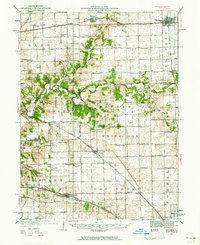 1927 Danvers1961 Print · USGSCentral Illinois at the end of the roaring twenties was a landscape of dense rail networks and dozens of rural schoolhouses. Genealogists can trace family footprints near Centennial Chapel, the Town Hall, and dozens of district schools like Strubhar Sch or Hopewell Sch.
 - 1928 Map of Mackinaw, 1954 Print
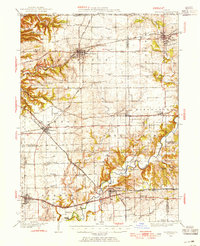 1928 Mackinaw1954 Print · USGSTazewell and Woodford Counties thrived as a major rail hub in the late twenties, balancing rich farmland with bustling rail towns. Genealogists can trace family roots through dozens of district schools like Science Hill Sch and settlements including Morton, Deer Creek, and Allentown.
 - 1930 Map of Danvers
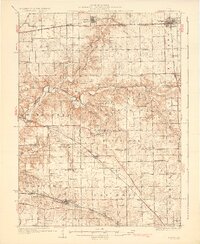 1930 Danvers1930 Print · USGSCentral Illinois farming communities are frozen in time just before the Depression, showing a landscape defined by the Mackinaw River and thriving rail lines. Genealogists can locate family-named schoolhouses like Strubhar Sch and early religious centers like East White Oak Ch.2 unique versions available
 - 1930 Map of Normal
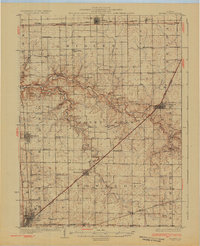 1930 Normal1930 Print · USGSMcLean County is captured here in the late twenties, showing a rural landscape defined by rail lines and a school in nearly every section. Genealogists can locate specific landmarks like the Little Red Sch, the Town Hall in Money Creek, and the old rail corridors of the Chicago and Alton.2 unique versions available
 - 1932 Map of Mackinaw
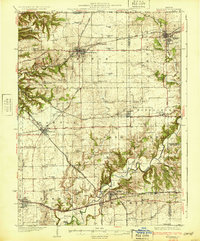 1932 Mackinaw1932 Print · USGSTazewell and Woodford counties are captured here in the early 1930s, showing a landscape tightly organized by rail lines and rural schoolhouses. Genealogists can trace family footprints across dozens of local districts like Cottonwood Sch or visit the Mennonite Ch and the Mackinaw Sanitarium.2 unique versions available
 - 1932 Map of Dunlap
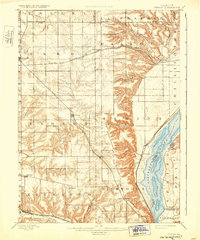 1932 Dunlap1932 Print · USGSNorth of Peoria in the late nineteenth century, the prairie landscape was being reshaped by a dense network of competing rail lines. Trace old homesteads and vanished stops like Orange Prairie and Wady Petra along the Illinois River bluffs.
 - 1933 Map of Dunlap
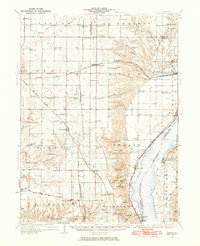 1933 Dunlap1933 Print · USGSPeoria County's agricultural heartland and river bluffs are captured here between the world wars, when coal mines and early airfields sat alongside rural hamlets. Family historians can locate dozens of country schools, family-named cemeteries like Dickison Cem, and the historic Evans Mill Bridge.
 - 1937 Map of Metamora
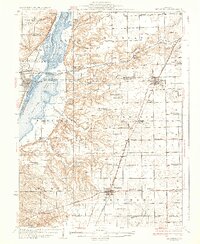 1937 Metamora1937 Print · USGSThe Illinois River valley and its complex network of sloughs and lakes define this Depression-era portrait of Woodford and Marshall counties. You can trace early 20th-century rural life through dozens of named schoolhouses like Hytex Sch and local landmarks such as Lourdes Ch or the County Home.3 unique versions available
 - 1937 Map of Dunlap
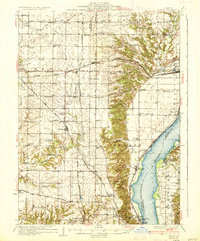 1937 Dunlap1937 Print · USGSPeoria County and its river bluffs are shown in the 1930s as a vital transportation hub of railroads and early airfields. Researchers can trace rural lineages through the many schools and burial grounds like Lawn Ridge Cem, Prospect Cem, and Hazel Dell Sch.3 unique versions available
 - 1948 Map of Metamora, 1965 Print
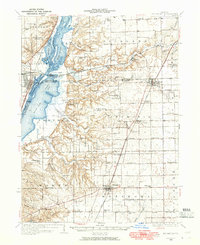 1948 Metamora1965 Print · USGSMid-century Woodford and Peoria Counties are captured here as the river-and-rail economy shaped the landscape. Genealogists can trace dozens of rural schoolhouses like Oakhill Sch and Maple Grove Sch, alongside historic sites like Lourdes Ch.
 - 1949 Map of Peoria East, 1966 Print
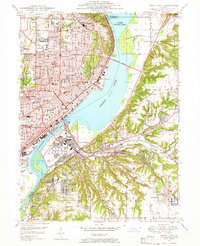 1949 Peoria East1966 Print · USGSMid-century Peoria and the Illinois River shoreline show a thriving industrial and rail landscape during a period of significant growth. Genealogists and historians can locate dozens of neighborhood schools like Bradley University and Woodrow Wilson Sch, alongside the rail yards of the Illinois Terminal.5 unique versions available
 - 1949 Map of Spring Bay, 1979 Print
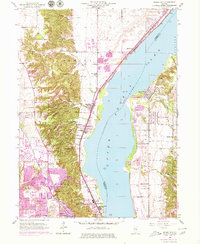 1949 Spring Bay1979 Print · USGSPeoria and the Illinois River bluffs were undergoing significant transformation in the mid-century era. Genealogists and local historians can trace family-named sites like Mt Hawley Cem, the Mossville Sch, and established neighborhoods from Sankoty to Rome.
 - 1950 Map of Spring Bay
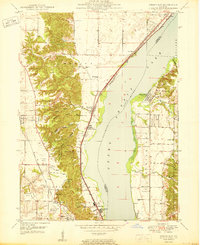 1950 Spring Bay1950 Print · USGSPeoria Lake and the Illinois River valley are seen here just after the war, showing the industrial and recreational growth of the riverfront. Researchers can locate the Mt Hawley Airport, the rail corridor of the Chicago Rock Island and Pacific, and the wooded hollows of Detweiller Park.2 unique versions available
 - 1950 Map of Peoria East
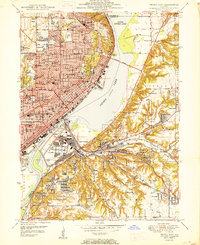 1950 Peoria East1950 Print · USGSPeoria and the Illinois River valley are shown here just after the war, at a peak of industrial and urban density. Genealogists and local historians can trace hundreds of family and community landmarks, from Springdale Cemetery to the neighborhoods of Creve Coeur and Peoria Heights.
 - 1955 Map of Minonk, 1956 Print
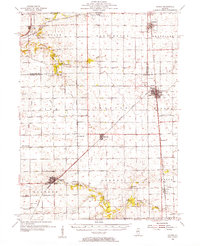 1955 Minonk1956 Print · USGSWoodford and Marshall counties at mid-century reveal a thriving rail-and-coal economy across the Illinois prairie. Family researchers and historians can trace lineage at Mennonite Ch, find old Mine Dumps, or locate vanished landmarks like Spring Hill Sch.
 - 1958 Map of Flanagan, 1959 Print
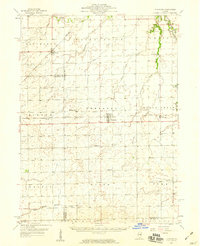 1958 Flanagan1959 Print · USGSNorth-central Illinois townships during the late fifties show a landscape of thriving rail-side hamlets and rural parish life. Genealogists can locate family landmarks like the Salem Childrens Home, Nigh Chapel, and the Morris Cem near the Vermilion River.2 unique versions available
 - 1958 Map of Peoria, 1969 Print
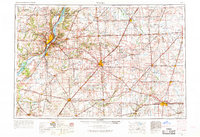 1958 Peoria1969 Print · USGSCentral Illinois thrived as a hub of education and transport during the late sixties, as the new interstate system began to reshape the prairie. Genealogists and historians can trace local landmarks like Springdale Cem, Bradley University, and the sprawling grounds of Chanute AFB.4 unique versions available
 - 1961 Map of Peoria
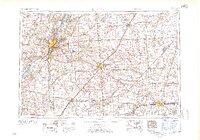 1961 Peoria1961 Print · USGSCentral Illinois thrived at the intersection of river trade and rail power during the late fifties. Genealogists and local historians can trace the rail networks of the Illinois Central and Wabash, alongside landmarks like Chanute AFB and Weldon Springs State Park.
 - 1963 Map of Peoria
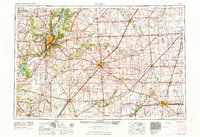 1963 Peoria1963 Print · USGSCentral Illinois thrived as a rail and highway crossroads during the early sixties, centered on the bustling Illinois River valley. Genealogists and historians can trace the mid-century layout of Peoria, locate the grounds of Chanute Air Force Base, and follow historic lines like the Toledo Peoria and Western Railway.
Showing maps 1-25 of 157
Top cities of Woodford County
- Eureka historical maps
- El Paso historical maps
- Metamora historical maps
- Germantown Hills historical maps
- Minonk historical maps
- Roanoke historical maps
See more
Frequently asked questions
- What are the different types of historical maps available for Woodford County?
- What is the oldest map of Woodford County?
- Where can I purchase historical maps of Woodford County for my home or office?
- Where can I download high-res historical maps of Woodford County?
- Are there historical topographic maps available for Woodford County?
- Is there historical aerial imagery available for Woodford County?
- Where are historical maps of Woodford County sourced from?