Old Maps of Greenville, Indiana for Academic Research
Study the evolution of Greenville with 33 high-resolution historic maps. Whether you're teaching, researching, or modeling changes in land use, these maps provide essential visual documentation of urban, environmental, and geographic change.
- Analyze long-term change: Track patterns in development, transportation, and natural features.
- Ideal for environmental or urban studies: Support academic projects with primary historical map data.
- Use in the classroom or lab: Educators and researchers rely on these maps to bring historical context to life.
These maps are a powerful tool for teaching, research, and visualizing how Greenville has changed over the decades.
Greenville, IN maps
(33)- 1939 Map of Georgetown
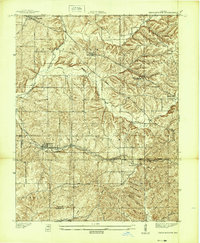 1939 Georgetown1939 Print · USGSSouthern Indiana's Floyd County highlands are captured here in the late 1930s, showing the early road and rail networks before modern expansion. Genealogists and local historians can trace family roots through Swartz Cem, Salem Ch, and the landmark Mt St Francis Seminary.
 - 1941 Map of Borden
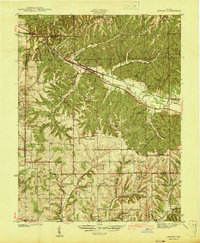 1941 Borden1941 Print · USGSIn the hills of Clark and Floyd counties just before the war, small crossroads like Navilleton and Starlight were the heart of rural life. Genealogists can trace early homesteads through family landmarks like Fisher Cem and Goss Sch near the Muddy Fork railroad line.
 - 1947 Map of Georgetown
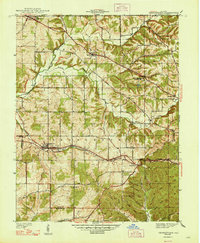 1947 Georgetown1947 Print · USGSFloyd County just after the war was a landscape of ridge-top farms and rail-connected hamlets like Georgetown and Edwardsville. Researchers can trace old family burial grounds at Buttontown Cem or locate rural landmarks like the Mt St Francis Seminary.2 unique versions available
 - 1949 Map of Georgetown, 1965 Print
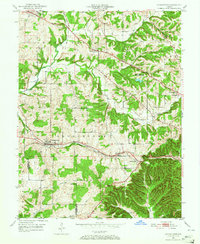 1949 Georgetown1965 Print · USGSFloyd County's ridge-and-valley landscape is captured here in the years following the war, showing a network of rural townships and rail-side villages. Researchers can locate family landmarks like Greenlawn Cem, Salem Ch, and the Southern railroad line through Georgetown.
 - 1950 Map of Palmyra
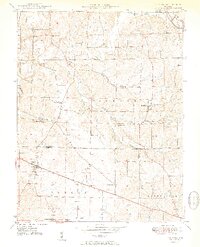 1950 Palmyra1950 Print · USGSMid-century Harrison and Washington counties are documented here at a time when small rural settlements like Martinsburg and Palmyra anchored the local landscape. Genealogists can trace family footprints through sites like Snyders Chapel, Miller Cem, and the Morgan Township Sch.2 unique versions available
 - 1952 Map of Georgetown
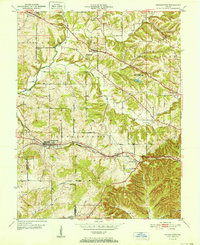 1952 Georgetown1952 Print · USGSGeorgetown and Floyd County are captured here in the early fifties, showing a landscape of deep hollows and high ridges. Researchers can trace the SOUTHERN rail line through the TUNNEL or locate family burial sites like Wolf Cem and Buttontown Cem.
 - 1956 Map of Vincennes, 1967 Print
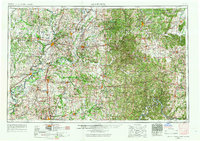 1956 Vincennes1967 Print · USGSSouthern Indiana and the Illinois borderlands are captured here in the mid-fifties, showing the region's dense network of river towns and rail lines. Researchers can trace historic river crossings along the Wabash River or locate landmarks like Wyandotte Cave and Lincoln State Park.4 unique versions available
 - 1956 Map of Louisville, 1971 Print
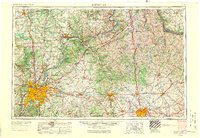 1956 Louisville1971 Print · USGSThe Ohio River valley and the Kentucky Bluegrass are captured here during a period of rapid mid-century growth and industrial activity. Genealogists and historians can trace rail-centered towns and military land use at Fort Knox and the Jefferson Proving Ground.2 unique versions available
 - 1957 Map of Vincennes
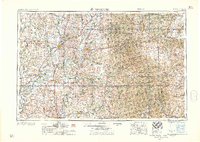 1957 Vincennes1957 Print · USGSSouthwest Indiana and the Illinois borderlands come alive in the late 1950s, a period of heavy rail traffic and expanding state forests. Genealogists and historians can trace the riverfronts and rail lines of Vincennes, New Harmony, and the vast Crane Naval Ammunition Depot.
 - 1957 Map of Borden, 1958 Print
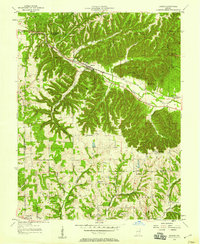 1957 Borden1958 Print · USGSSouthern Indiana in the late fifties shows a landscape of deep hollows and high ridges centered on the MONON rail line. Genealogists can trace rural family roots through landmarks like St Johns Sch, Bear Hill Ch, and the settlement of Starlight.
 - 1958 Map of Vincennes
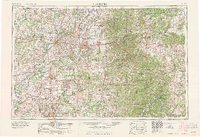 1958 Vincennes1958 Print · USGSSouthern Indiana and the Illinois borderlands are captured during a mid-century period of heavy rail traffic and military activity. Researchers can trace the sprawling bounds of the Crane Naval Ammunition Depot or locate historic settlements like New Harmony and French Lick.2 unique versions available
 - 1964 Map of Louisville
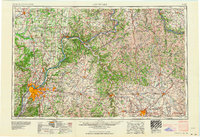 1964 Louisville1964 Print · USGSThe Ohio River valley and Kentucky Bluegrass are captured in the mid-1960s, showing a region balanced between industrial growth and its agrarian roots. Genealogists and historians can trace the development of county seats like Shelbyville and Paris, or locate established institutions such as Georgetown College and Bernheim Forest.
 - 1966 Map of Palmyra, 1968 Print
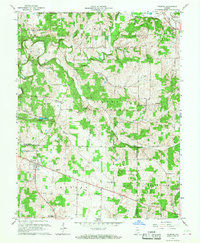 1966 Palmyra1968 Print · USGSSouthern Indiana's rolling farmland and river valleys are captured in the mid-sixties, highlighting the rural transition between Washington and Harrison Counties. Genealogists and historians can trace the Old Indian Treaty Boundary and locate family landmarks like Snyders Chapel Cem or Rickard Cem.3 unique versions available
 - 1966 Map of Borden, 1968 Print
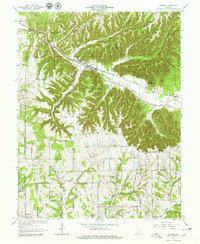 1966 Borden1968 Print · USGSBorden and the surrounding hills of Clark and Floyd counties are shown here during the mid-1960s. Genealogists and local historians can trace family locations along the Monon Railroad and identify sites like St Johns School, Mt Eden Cemetery, and Navilleton.5 unique versions available
 - 1966 Map of Georgetown, 1969 Print
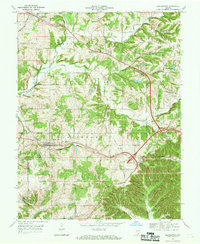 1966 Georgetown1969 Print · USGSGeorgetown and Floyd County are captured here in the mid-sixties, showing a landscape of high ridges and narrow creek valleys. Researchers can trace historic family burial sites like Buttontown Cem, locate the Galena Sch, or follow the path of the Old Indian Road.4 unique versions available
 - 1986 Map of Jasper
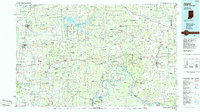 1986 Jasper1986 Print · USGSSouthern Indiana in the 1980s is defined by the expansive Patoka Lake and the dense timber of the Hoosier National Forest. Researchers can trace the Southern RR through the hills or locate historic sites like Saint Meinrad and Sulphur Springs.
 - 1986 Map of Louisville
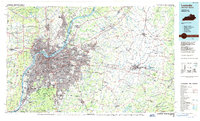 1986 Louisville1986 Print · USGSMid-1980s Louisville and southern Indiana are shown here during a decade of significant suburban growth and infrastructure development. Researchers can trace the layout of Cave Hill Cemetery, the expansion of Standiford Field, and industrial sites like the Indiana Army Ammunition Plant.2 unique versions available
 - 1994 Map of Jasper
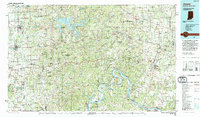 1994 Jasper1994 Print · USGSSouthern Indiana and the Kentucky borderlands are captured here in the mid-nineties, showing a landscape defined by the Ohio River and dense state forests. Genealogists can locate family landmarks like Saint Meinrad Archabbey, Saint Anthony, and the historic Lincoln Boyhood National Memorial.
 - 2010 Map of Palmyra, 2010 Print
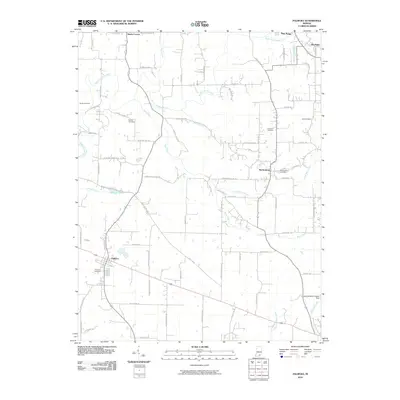 2010 Palmyra2010 Print · USGSSouthern Indiana's rolling landscape is documented here in the early twenty-first century as small towns and family farms persist along the river forks. Genealogists can locate several historic burial sites like Hiestand Cemetery and Palmyra Cemetery while tracing the path of the ancient Buffalo Trace Rd.
 - 2010 Map of Georgetown, 2010 Print
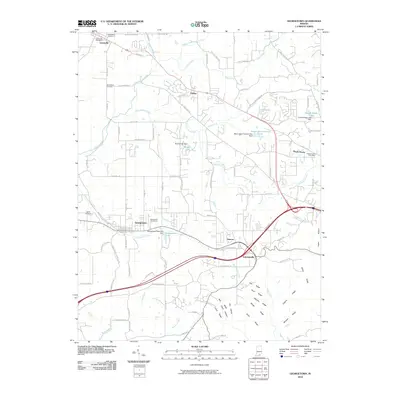 2010 Georgetown2010 Print · USGSGeorgetown and Floyds Knobs are shown during a period of suburban expansion and rural continuity in the early 2000s. Genealogists can locate several historic burial grounds, including Buttontown Cemetery and Wolfe Cemetery, while tracing old routes like Old Vincennes Rd.
 - 2010 Map of Borden, 2010 Print
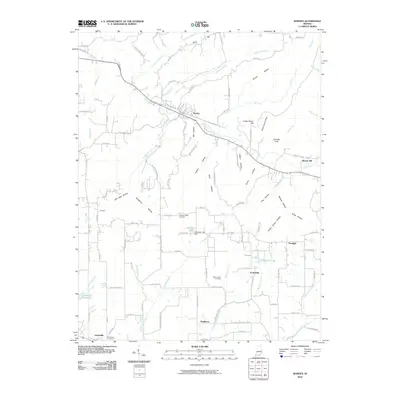 2010 Borden2010 Print · USGSSouthern Indiana's rural Clark County landscape is captured here in the early twenty-first century, centered on the valley of the Muddy Fork. Local historians can trace family locations near Starlight and Navilleton, or locate ancestral sites at Pleasant Ridge Cemetery and Mount Eden Cemetery.
 - 2013 Map of Palmyra, 2013 Print
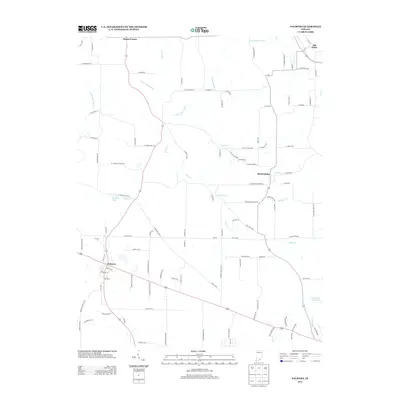 2013 Palmyra2013 Print · USGSSouthern Indiana at the start of the 2010s reveals a landscape of rural crossroads and river tributaries. Genealogists and local historians can trace the developments around Palmyra, the streets of Old Pekin, and the quiet outskirts of Martinsburg.
 - 2013 Map of Georgetown, 2013 Print
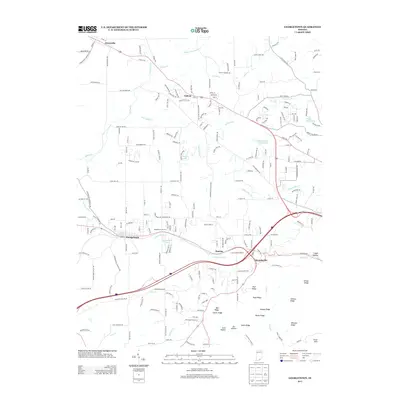 2013 Georgetown2013 Print · USGSGeorgetown and the Floyd County uplands are shown in this modern survey during a period of steady growth along the historic ridge roads. Local historians can trace family-named landmarks like Pear Ridge and Keith Ridge or locate small communities at Galena and Edwardsville.
 - 2013 Map of Borden, 2013 Print
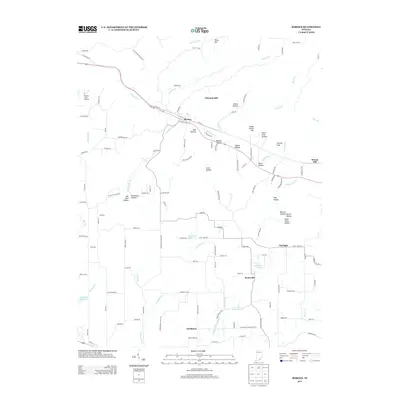 2013 Borden2013 Print · USGSBorden and its neighboring upland communities are captured in the early twenty-first century as they follow the contours of the southern Indiana hills. Researchers can trace local landmarks and drainage patterns near Scottsville, Starlight, and the distinctive Alum Cave Hollow.
 - 2016 Map of Georgetown, 2016 Print
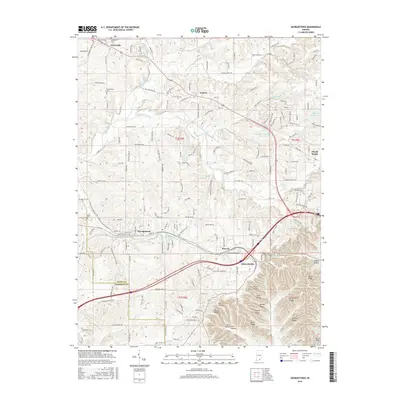 2016 Georgetown2016 Print · USGSSouthern Indiana's ridges and valleys are mapped here in the mid-2010s, showing the settled corridor between Greenville and Edwardsville. Genealogists can trace local family landmarks at Buttontown Cem, Wolfe Cem, and ridges like Skipsey Ridge or Musty Ridge.
Showing maps 1-25 of 33
Top cities near Greenville
- Louisville historical maps
- New Albany historical maps
- Clarksville historical maps
- Shively historical maps
- Salem historical maps
- Sellersburg historical maps
See more
Frequently asked questions
- What are the different types of historical maps available for Greenville?
- What is the oldest map of Greenville?
- Where can I purchase historical maps of Greenville for my home or office?
- Where can I download high-res historical maps of Greenville?
- Are there historical topographic maps available for Greenville?
- Is there historical aerial imagery available for Greenville?
- Where are historical maps of Greenville sourced from?