Old Maps of Tippecanoe County, Indiana for Academic Research
Study the evolution of Tippecanoe County with 112 high-resolution historic maps. Whether you're teaching, researching, or modeling changes in land use, these maps provide essential visual documentation of urban, environmental, and geographic change.
- Analyze long-term change: Track patterns in development, transportation, and natural features.
- Ideal for environmental or urban studies: Support academic projects with primary historical map data.
- Use in the classroom or lab: Educators and researchers rely on these maps to bring historical context to life.
These maps are a powerful tool for teaching, research, and visualizing how Tippecanoe County has changed over the decades.
Tippecanoe County, IN maps
(112)- 1941 Map of Lafayette
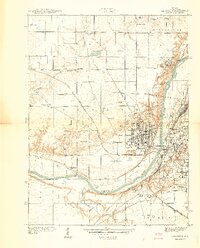 1941 Lafayette1941 Print · USGSLafayette and West Lafayette sit at a crossroads of river and rail during the early days of the Second World War. Researchers can trace the development of Purdue University, the grounds of the St Joseph Orphanage, and family plots in Sand Ridge Cem or Grandview Cem.
 - 1942 Map of Otterbein
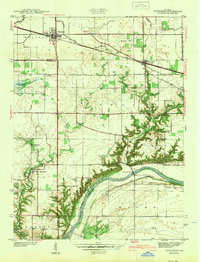 1942 Otterbein1942 Print · USGSIndiana's prairie meets the Wabash River valley at the start of the 1940s, showing a landscape defined by rail lines and early canal history. Genealogists and historians can trace family roots through rural landmarks like Asbury Cem, the Armstrong Chapel, and the community of Green Hill.
 - 1942 Map of Lafayette
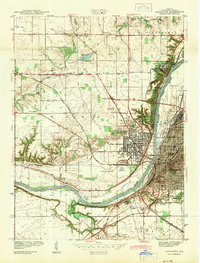 1942 Lafayette1942 Print · USGSMid-century Lafayette and the Purdue campus come alive in this survey from the early 1940s. Genealogists and historians can trace the foundations of the Purdue University Golf Course, find the St. Joseph Orphanage, and locate family plots at St. Mary's Cem.
 - 1950 Map of Lafayette, 1952 Print
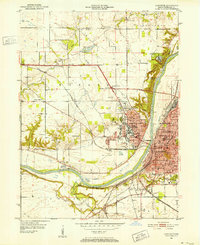 1950 Lafayette1952 Print · USGSLafayette and the Purdue University campus thrive during the mid-century as major educational and transit hubs along the Wabash River. Researchers can locate family landmarks like the Ouiatenon Blockhouse, Sharon Chapel, and the Wabash Sanitarium among the city's growing street grid.2 unique versions available
 - 1951 Map of Otterbein
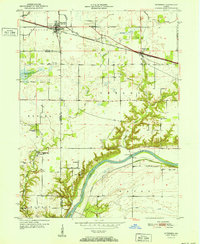 1951 Otterbein1951 Print · USGSTippecanoe and Warren Counties were defined by the convergence of major railroads and river commerce in the early 1950s. Genealogists and historians can trace the Abandoned Canal near the Wabash River or locate family sites like Spencer Cem and Ross Camp.2 unique versions available
 - 1953 Map of Danville, 1965 Print
 1953 Danville1965 Print · USGSIndiana and Illinois crossroads come to life in this mid-century survey as the interstate era begins to reshape the river-and-rail landscape. Genealogists and collectors can trace the historic paths of the Nickel Plate railroad or locate smaller communities like Veedersburg, Goodland, and Bismarck.3 unique versions available
 - 1955 Map of Danville
 1955 Danville1955 Print · USGSThe Indiana-Illinois borderlands during the mid-fifties reveal a landscape of thriving rail hubs and university towns. Researchers can trace the legacy of Purdue University, the Tippecanoe Battlefield, and the path of the Pennsylvania RR.
 - 1956 Map of Danville
 1956 Danville1956 Print · USGSMid-century Indiana and Illinois are captured here as the river-and-rail economy evolved into the modern highway era. Researchers can trace ancestral roots and old transport lines through Logansport, Battle Ground, and the dams at Lake Shafer.
 - 1958 Map of Linden, 1959 Print
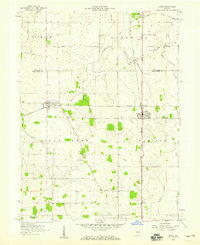 1958 Linden1959 Print · USGSThe Montgomery County prairie was defined by a cross-hatch of rail lines and rural roads during the mid-fifties. Genealogists and local historians can trace the foundations of New Richmond, Linden, and the old Wilson-Killen Cem.2 unique versions available
 - 1958 Map of Kirkpatrick, 1959 Print
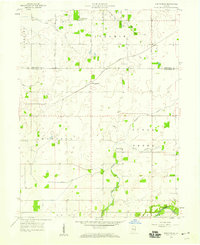 1958 Kirkpatrick1959 Print · USGSThe rural borderlands of Tippecanoe and Montgomery counties are captured here in the late fifties, showing a landscape of rail-fed hamlets and productive farmland. Genealogists can locate family landmarks like Peterson Cem and the rural Potato Creek Ch.
 - 1961 Map of Mulberry, 1962 Print
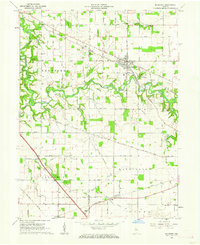 1961 Mulberry1962 Print · USGSClinton and Tippecanoe counties are shown in the early sixties as a productive agricultural region anchored by the railroad. Genealogists and historians can trace numerous rural family burial grounds like Baker Cem and Newcomer Cem, or locate the Clover Leaf Ch near the village of Fickle.3 unique versions available
 - 1961 Map of Pyrmont, 1962 Print
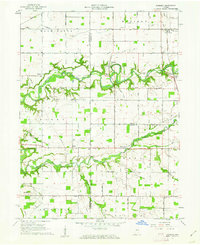 1961 Pyrmont1962 Print · USGSThe rural borderlands of Tippecanoe, Carroll, and Clinton counties are captured here in the early sixties as a patchwork of productive farmland and creek valleys. Researchers can locate numerous family burial sites and rural landmarks, from St Johns Cem and Linn Cem to the unique topography of The Mound.2 unique versions available
 - 1961 Map of Romney, 1962 Print
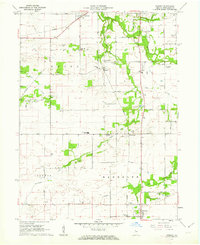 1961 Romney1962 Print · USGSTippecanoe County farmland is captured here in the early sixties, showing the vital link between rural crossroads and the rail line. Genealogists can locate family landmarks like Elmwood Cem, Stidham Ch, and the settlement of South Raub along the Monon railroad.2 unique versions available
 - 1961 Map of Stockwell, 1962 Print
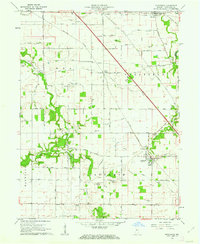 1961 Stockwell1962 Print · USGSTippecanoe County agriculture and rail transit intersect in the early sixties, showing the small-town life of Stockwell and Dayton. Genealogists can trace early family sites through landmarks like Township High Sch, St Joe Cem, and Gladens Corner.2 unique versions available
 - 1961 Map of Lafayette East, 1962 Print
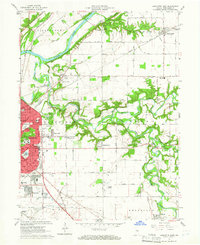 1961 Lafayette East1962 Print · USGSLafayette's eastern edge and the Wabash River valley are captured here just as mid-century suburban expansion reached into the surrounding townships. Genealogists and local researchers can trace long-standing landmarks like St Boniface Cemetery, Cary Camp, and the rail junction at Altamont Switch.5 unique versions available
 - 1961 Map of Otterbein, 1963 Print
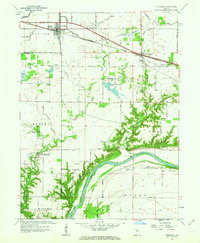 1961 Otterbein1963 Print · USGSThe Wabash River valley and the fertile plains of Western Indiana meet in this early 1960s survey. Genealogists and local historians can trace rural family sites like Pond Grove Cem, Armstrong Chapel, and the riverside settlement of Green Hill.3 unique versions available
 - 1961 Map of Lafayette West, 1964 Print
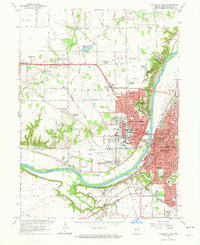 1961 Lafayette West1964 Print · USGSGreater Lafayette was evolving rapidly in the early sixties as university expansion and new residential additions transformed the river valley. Researchers can trace historic institutional sites like the Soldiers Home, the Ouiatenon Blockhouse, and the sprawling grounds of Purdue University.6 unique versions available
 - 1962 Map of Colfax, 1963 Print
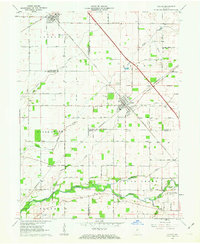 1962 Colfax1963 Print · USGSColfax and the surrounding rural townships are shown here in the early sixties at a peak of mid-century rail activity. Genealogists can trace family connections through numerous local burial sites including Union Cem, Shilo Cem, and Plainview Cem near the banks of Sugar Creek.2 unique versions available
 - 1962 Map of Brookston SW, 1963 Print
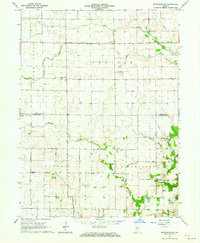 1962 Brookston SW1963 Print · USGSTippecanoe and White County farmlands are frozen in time just after the turn of the sixties, showing a landscape defined by crossroads hamlets and drainage ditches. Genealogists and local historians can trace family locations near Badger Grove, Octagon, or the Cairo Cemetery.2 unique versions available
 - 1962 Map of Round Grove, 1963 Print
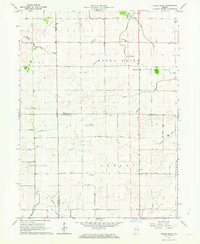 1962 Round Grove1963 Print · USGSNorthwest Indiana's prairie lands appear here in the early sixties, where the corners of three counties meet. Genealogists and local historians can trace the rural layout of Round Grove, find the old Township Sch, and locate family land near Barrydale.
 - 1962 Map of Delphi, 1964 Print
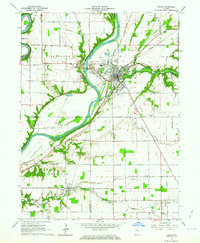 1962 Delphi1964 Print · USGSThe confluence of the Wabash and Tippecanoe Rivers comes alive in the early 1960s, showing the intersection of old canal routes and modern rail. Researchers can trace the Wabash and Erie Canal or locate local landmarks like Pittsburg, Sugar Creek Cem, and the New Hope Sch.2 unique versions available
 - 1962 Map of Westpoint, 1964 Print
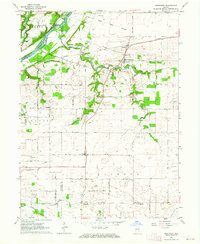 1962 Westpoint1964 Print · USGSTippecanoe and Fountain Counties are captured here in the early 1960s, a landscape defined by the winding Wabash River and legacy survey lines. Genealogists and local historians can trace the positions of the Salem Ch, Sherry Cem, and the settlement of Westpoint.
 - 1962 Map of Wingate, 1964 Print
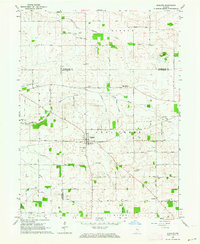 1962 Wingate1964 Print · USGSIndiana farmland in the early sixties centers on the rail junction at Wingate. Local historians can trace numerous family-named landmarks and rural burial grounds, from Oak Ridge Cem to the Coal Creek Central Sch.2 unique versions available
 - 1962 Map of Brookston, 1987 Print
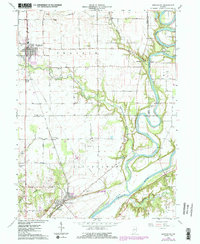 1962 Brookston1987 Print · USGSIndiana’s river country comes to life in the early sixties as the Tippecanoe River meets the Wabash. Genealogists and historians can trace family burial plots like Pretty Prairie Cem and explore the historic Tippecanoe Battlefield Memorial.2 unique versions available
 - 1984 Map of Danville, 1985 Print
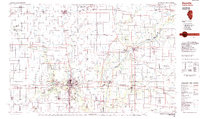 1984 Danville1985 Print · USGSEastern Illinois and western Indiana meet here in the mid-1980s, centered on the river forks and rail lines surrounding the industrial hub of Danville. Researchers can trace old transport routes and rural landmarks like Rossville Junction, Hope Ch, and the Univ of Ill Radio Telescope.
Showing maps 1-25 of 112
Top cities of Tippecanoe County
- Lafayette historical maps
- West Lafayette historical maps
- Shadeland historical maps
- Battle Ground historical maps
- Dayton historical maps
- Clarks Hill historical maps
See more
Frequently asked questions
- What are the different types of historical maps available for Tippecanoe County?
- What is the oldest map of Tippecanoe County?
- Where can I purchase historical maps of Tippecanoe County for my home or office?
- Where can I download high-res historical maps of Tippecanoe County?
- Are there historical topographic maps available for Tippecanoe County?
- Is there historical aerial imagery available for Tippecanoe County?
- Where are historical maps of Tippecanoe County sourced from?