Old Maps of St. Gabriel, Louisiana for Metal Detecting
Plan your next treasure hunt with 46 historic maps of St. Gabriel. Find old homesites, ghost towns, trails, and gathering spots that may be lost to time — perfect for identifying promising metal detecting locations.
- Locate forgotten sites: Uncover places like long-lost settlements, abandoned rail lines, or gathering spots.
- Plan better hunts: Use map overlays combined with LiDAR or satellite views to narrow in on historically rich areas.
- Made for detectorists: Thousands of hobbyists use these maps to discover relics, coins, and hidden history.
Use these historic maps to boost your research and find new opportunities beneath the surface of St. Gabriel.
St. Gabriel, LA maps
(46)- 1908 Map of Baton Rouge, 1921 Print
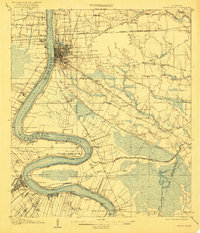 1908 Baton Rouge1921 Print · USGSBaton Rouge and the surrounding river parishes are captured here at the dawn of the twentieth century, as the railroad network began to rival the river. Genealogists can locate family landmarks like Harelsons Store, Morning Star Church, and the community of Benton's.2 unique versions available
 - 1936 Map of White Castle, 1937 Print
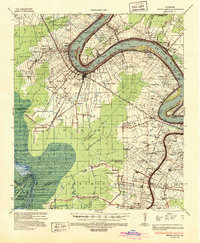 1936 White Castle1937 Print · USGSThe Mississippi River corridor and its sprawling plantation estates are captured here in the mid-1930s. Researchers can trace family roots at Pierre Part Settlement or locate landmarks like the Leper Colony and St Marys Ch & Cem.2 unique versions available
 - 1939 Map of Baton Rouge, 1947 Print
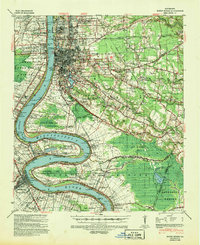 1939 Baton Rouge1947 Print · USGSBaton Rouge and the Mississippi River transition from a plantation-based economy to a burgeoning rail hub just before World War II. Genealogists and historians can trace the foundations of local communities through landmarks like Poplar Grove Plantation, Rose Hill Ch Sch & Cem, and the riverfront at Port Allen.4 unique versions available
 - 1953 Map of Plaquemine, 1954 Print
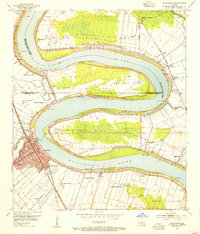 1953 Plaquemine1954 Print · USGSThe river bends and plantation lands of Iberville Parish are shown here in the mid-1950s, highlighting the transition between water and rail transport. Researchers can trace historic family lands like St Louis Plantation or locate the Plaquemine Lock and Conrad Cem.
 - 1953 Map of St. Gabriel, 1954 Print
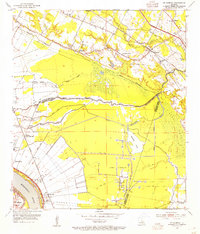 1953 St. Gabriel1954 Print · USGSThe river parishes of Louisiana come into focus in the 1950s, showing a landscape of rail lines and bayous at the edge of the Mississippi. Researchers can locate the Louisiana Prison Farm Camp "M" or trace family sites near St Gabriel, Sunshine, and Mt Carmel Ch.
 - 1953 Map of White Castle, 1955 Print
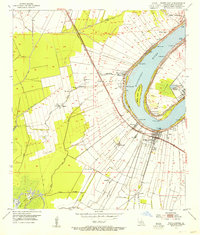 1953 White Castle1955 Print · USGSIberville Parish in the early fifties shows a transition between traditional sugar plantations and the emerging oil industry along the river. Genealogists can trace family footprints through historic landings and church sites like St Paul Ch and Dorcyville.2 unique versions available
 - 1953 Map of Carville, 1963 Print
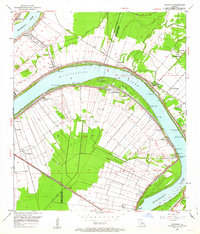 1953 Carville1963 Print · USGSThe riverbend country of Ascension and Iberville Parishes is captured here in the early fifties, showing the unique long-lot land patterns of the Mississippi. Genealogists can trace family footprints at the National Leprosarium or sites like Cannonburg Cem and St Phillips Ch.
 - 1954 Map of Baton Rouge, 1974 Print
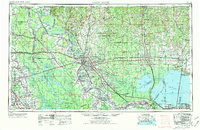 1954 Baton Rouge1974 Print · USGSSoutheast Louisiana in the mid-fifties is captured here during a period of transition for its river and rail economies. Researchers can trace the path of the Mississippi River and find landmarks like the Bonnet Carre Spillway and Bayou Plaquemine.2 unique versions available
 - 1956 Map of Baton Rouge
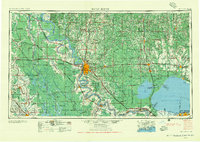 1956 Baton Rouge1956 Print · USGSSouth Louisiana at the height of the mid-century oil boom shows a landscape of river oxbows and rising industry. Researchers can trace family roots through river towns like Scotlandville or locate early industrial sites and Oil wells near Lake Maurepas.
 - 1961 Map of Baton Rouge, 1966 Print
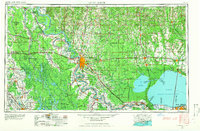 1961 Baton Rouge1966 Print · USGSSoutheastern Louisiana in the early sixties remains a landscape of deep river bends and sprawling coastal lakes. Genealogists and historians can trace the rail-and-river economy through landmarks like Free-Nigger Point, Donaldsonville, and the Illinois Central Railroad.
 - 1962 Map of Baton Rouge
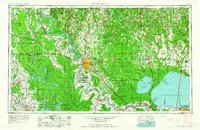 1962 Baton Rouge1962 Print · USGSSouth Louisiana in the early sixties reveals a landscape of river-bend parishes and emerging interstate corridors. Genealogists and historians can trace family roots through historic river towns like Donaldsonville and Plaquemine, or follow the path of the Illinois Central Railroad through the swamp basins.
 - 1963 Map of Plaquemine, 1964 Print
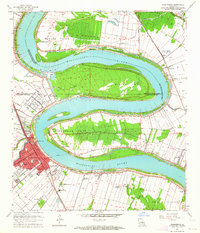 1963 Plaquemine1964 Print · USGSIberville Parish and the Mississippi River loops are captured here in the early sixties as the sugar and rail economies remained central to the landscape. Genealogists can trace family roots through named estates like St Louis Plantation and settlements such as Morrisonville and Seymourville.5 unique versions available
 - 1963 Map of St. Gabriel, 1964 Print
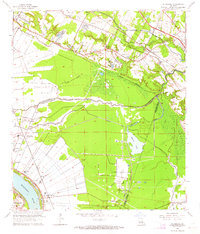 1963 St. Gabriel1964 Print · USGSJust south of Baton Rouge in the early sixties, this area shows a landscape of riverfront parishes and rising energy production. Trace family roots and land use near St Gabriel, St Raphael Cem, and the Burtville Oil Field.6 unique versions available
 - 1963 Map of White Castle, 1966 Print
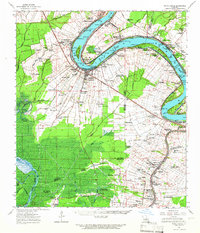 1963 White Castle1966 Print · USGSThe riverfront and sugar lands of Iberville and Ascension Parishes are captured here in the early 1960s. Researchers can trace family sites from White Castle to Bellerose, including numerous river landings like Hard Times Ldg and the National Leprosarium.3 unique versions available
 - 1963 Map of Baton Rouge, 1967 Print
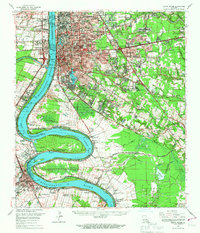 1963 Baton Rouge1967 Print · USGSBaton Rouge and its riverfront suburbs come alive in the early sixties, showing the city's expansion alongside its deep-rooted river culture. Trace the footprints of mid-century life from LSU to the Burtville Oil Field and historic Cottage Plantation.2 unique versions available
 - 1965 Map of Baton Rouge
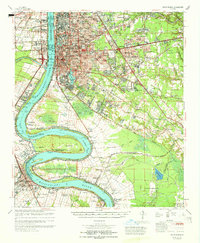 1965 Baton Rouge1965 Print · USGSBaton Rouge and the Mississippi River corridor are captured here in the mid-sixties, showcasing a landscape where urban expansion met deep-rooted river history. Genealogists and historians can trace numerous named estates and settlements, from St Louis Plantation and Morrisonville to Soulouque and Port Allen.
 - 1974 Map of White Castle, 1975 Print
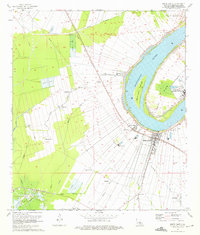 1974 White Castle1975 Print · USGSIberville Parish is captured in the mid-1970s as a bustling corridor of river commerce and agriculture along the Mississippi. Researchers can trace historic settlements like Tally Ho and Samstown, or locate landmarks like the National Leprosarium and Madonna Chapel.2 unique versions available
 - 1974 Map of Carville, 1975 Print
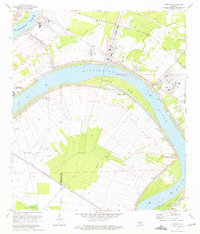 1974 Carville1975 Print · USGSThe Mississippi River meanders through the plantation and industrial corridor of Iberville and Ascension parishes during the mid-seventies. Trace local history at the National Leprosarium and old river landings like Hohen Solms and Philadelphia Point.2 unique versions available
 - 1984 Map of Baton Rouge
 1984 Baton Rouge1984 Print · USGSBaton Rouge and the surrounding river country are captured in the mid-eighties as the industrial corridor met the deep wetlands of the basin. Researchers can trace the winding Bayou Teche, locate family roots in St Martinville, or study the massive Atchafalaya Basin Floodway.2 unique versions available
 - 1992 Map of St. Gabriel
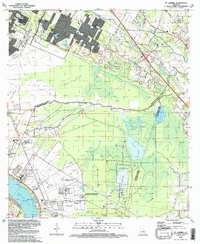 1992 St. Gabriel1992 Print · USGSThe river parishes south of Baton Rouge were a landscape of heavy industry and institutional centers in the early nineties. Genealogists and local researchers can trace the connections between St Gabriel and its historic St Raphael Cem, or locate landmarks like Iberville (Bayou Paul Sta).
 - 1992 Map of Carville
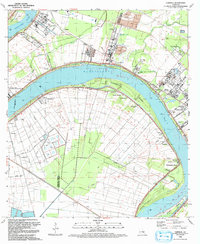 1992 Carville1992 Print · USGSThe Mississippi River bends around Iberville and Ascension Parishes in the early nineties, revealing a landscape shaped by river transport and industry. Genealogists and historians can locate legacy sites like Mulberry Grove Plantation, the Gillis W Long Hansens Disease Center, and the historic Carville-White Castle Ferry.
 - 1992 Map of Plaquemine
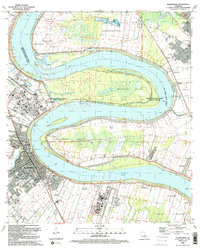 1992 Plaquemine1992 Print · USGSThe Mississippi River winds past the plantation estates and industrial oil fields of Iberville Parish in the early nineties. Genealogists can locate St Louis Plantation, the Zion Rock Ch Cem, and the historic Plaquemine Lock.2 unique versions available
 - 1992 Map of White Castle
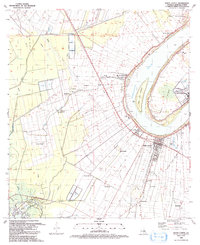 1992 White Castle1992 Print · USGSIberville Parish during the late twentieth century reveals a landscape of massive river plantations, oil fields, and historic bayou settlements. Genealogists can trace family landmarks like Nottoway Plantation, Mt Zion Cem, and the Madonna Chappel.
 - 1995 Map of St. Gabriel, 1998 Print
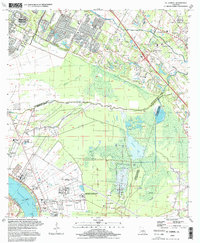 1995 St. Gabriel1998 Print · USGSLouisiana's River Parishes meet the edge of the state capital in the late twentieth century, showing a landscape of bayous and industrial growth. Researchers can trace historic sites like St Gabriel Mission, the St Raphael Cem, and the rail stop at Iberville (Bayou Paul Sta).
 - 1998 Map of Plaquemine, 2003 Print
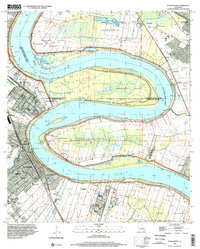 1998 Plaquemine2003 Print · USGSIn the late nineties, the Mississippi River still dictates the rhythm of Iberville Parish, shaping massive bends and harboring deep-rooted plantation estates. Researchers can trace the heritage of St Louis Plantation, find the Laboring Society Cem, or locate the historic Plaquemine Lock.
Showing maps 1-25 of 46
Top cities near St. Gabriel
- Baton Rouge historical maps
- St. George historical maps
- Saint George historical maps
- Prairieville historical maps
- Central historical maps
- Gonzales historical maps
See more
Top neighborhoods of St. Gabriel
- Bruns historical maps
- Carville historical maps
- Rhodes historical maps
- Willow Glen historical maps
- Bayou Paul historical maps
- Sunshine historical maps
See more
Frequently asked questions
- What are the different types of historical maps available for St. Gabriel?
- What is the oldest map of St. Gabriel?
- Where can I purchase historical maps of St. Gabriel for my home or office?
- Where can I download high-res historical maps of St. Gabriel?
- Are there historical topographic maps available for St. Gabriel?
- Is there historical aerial imagery available for St. Gabriel?
- Where are historical maps of St. Gabriel sourced from?