Old Maps of Forsyth Township, Michigan for Hiking & Exploration
Hike through history with 68 historic maps of Forsyth Township. Explore old trails, ghost towns, and forgotten backroads — perfect for outdoor adventurers and local explorers.
- Rediscover forgotten places: Map out old mining camps, roads, and footpaths that no longer exist on modern maps.
- Layer with modern tools: Combine with LiDAR or satellite views to plan hikes through historical terrain.
- Made for exploration: Popular among hikers, overlanders, and local history lovers.
Use these maps to find adventure and explore the hidden past of Forsyth Township.
Forsyth Township, MI maps
(68)- 1932 Map of Skandia SW
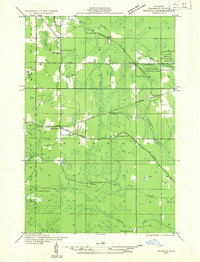 1932 Skandia SW1932 Print · USGSMarquette County's timberlands and rail stops are captured here in the early 1930s. Trace old logging-era sites like Wendt and Bartles Camp and rural schools like Carlshend Sch along the Lake Superior and Ishpeming railroad.
 - 1932 Map of Helena NW
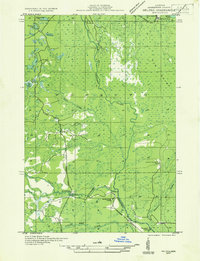 1932 Helena NW1932 Print · USGSMarquette County's timber and mining lands are shown here in the early 1930s, punctuated by remote industrial outposts and expansive wetlands. You can locate old logging sites like Victor Larson Camp and the Gardner Mine along the Escanaba River corridor.
 - 1932 Map of Helena NE
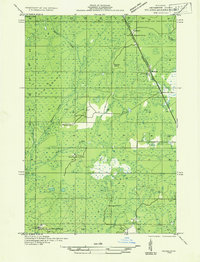 1932 Helena NE1932 Print · USGSMarquette County's logging and rail infrastructure are on full display in the early 1930s before modern development altered the Upper Peninsula. Genealogists and historians can trace numerous remote outposts like Rochenon Camp, Anderson Camp, and the settlement of Helena.
 - 1932 Map of Harvey SE
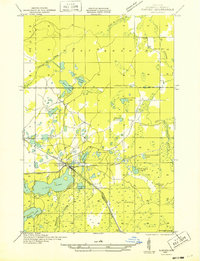 1932 Harvey SE1932 Print · USGSMarquette County's timber and rail landscape is captured here in the early thirties as development centered on the Little Lake Forsyth PO rail junction. Genealogists can locate family landmarks like the Racine Sch, West Br Cem, and several local sites including Carlsons Camp.
 - 1932 Map of Harvey SW
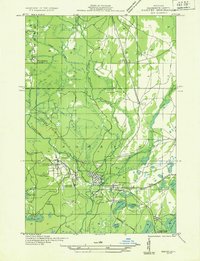 1932 Harvey SW1932 Print · USGSThe iron-mining district of Marquette County is shown in detail during the early 1930s. Researchers can trace the rail-and-mine network connecting Gwinn and Austin to sites like the Stephson Iron Mine and Mackinaw Iron Mine.
 - 1932 Map of Rock NW
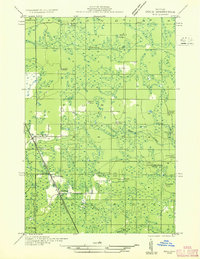 1932 Rock NW1932 Print · USGSMarquette and Delta counties are shown in the early thirties when logging camps and railroads defined life in the Upper Peninsula. Genealogists can trace family-named outposts like Selins Camp, Stenlund Camp, and the settlement of McFarland.
 - 1951 Map of Helena NE
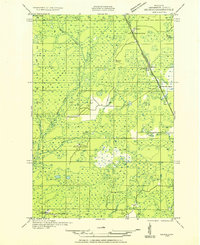 1951 Helena NE1951 Print · USGSMarquette County's interior timberlands and marshes come into focus in the early 1950s, showing a landscape defined by seasonal outposts and rail transit. Genealogists and historians can trace old sites like Rochenon Camp, Helena, and the Parker Spur rail siding.
 - 1951 Map of Helena NW
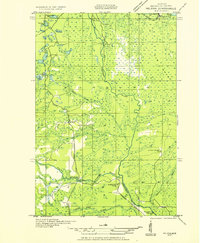 1951 Helena NW1951 Print · USGSMarquette County’s interior during the early 1950s was a landscape of remote camps and heavy industry centered on the Escanaba River. Genealogists and historians can trace old logging outposts like Faucett Camp and the rail operations of the Chicago and North Western.
 - 1952 Map of Ishpeming, 1954 Print
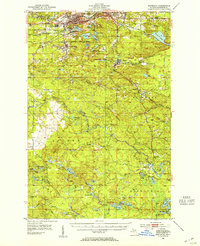 1952 Ishpeming1954 Print · USGSMarquette County’s iron mining heartland is shown in the early fifties, detailing the industrial hubs of Ishpeming and Negaunee. Genealogists and historians can trace rail-side settlements like Frenchtown and Winthrop Junction alongside the Tracy Mine.4 unique versions available
 - 1952 Map of Gwinn, 1954 Print
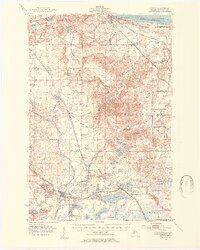 1952 Gwinn1954 Print · USGSMarquette County's iron country and the Lake Superior shoreline are captured here in the early fifties during a period of industrial transition. Genealogists and industrial historians can trace the inactive Stephenson Mine, the Little Lake (Forsyth P O) settlement, and rural schools like June Sch.5 unique versions available
 - 1952 Map of Gwinn, 1954 Print
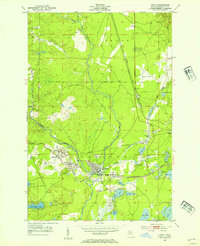 1952 Gwinn1954 Print · USGSMarquette County industrial heritage is on full display in the early fifties as the region transitions from its peak mining era. Genealogists and researchers can locate inactive sites like the Stegmiller Mine and Mackinaw Mine alongside the namesake Gwinn Cem.5 unique versions available
 - 1957 Map of Northland, 1958 Print
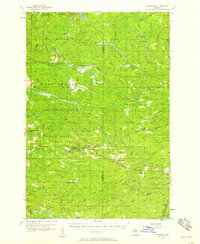 1957 Northland1958 Print · USGSThe Upper Peninsula interior shows its mid-century character during the late 1950s, where rail lines still connected remote forest outposts. Trace the old rail stops at Northland and Alfred or locate the Alfred Lookout Tower and Education Camp near the Ford River.2 unique versions available
 - 1958 Map of Skandia, 1959 Print
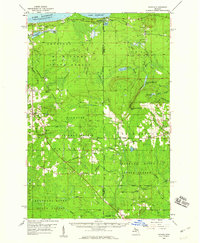 1958 Skandia1959 Print · USGSThe Lake Superior coast and Michigan's Upper Peninsula timberlands are captured here in the late fifties. Genealogists and local historians can trace family roots at Skandia Cem and Deerton Cem or locate the old Yalmer Station along the historic rail lines.2 unique versions available
 - 1958 Map of Rock, 1959 Print
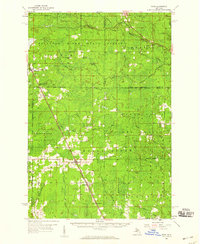 1958 Rock1959 Print · USGSUpper Peninsula timberlands and small rail-side settlements are captured here in the late fifties, just as forest management patterns were maturing. Researchers can trace family roots through locations like Rock, McFarland, and Hillview Cem along the Chicago and Northwestern line.3 unique versions available
 - 1958 Map of Marquette, 1968 Print
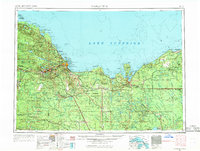 1958 Marquette1968 Print · USGSThe Upper Peninsula’s central corridor is captured here in the mid-twentieth century as mining and timber industries thrived alongside new military installations. Genealogists and historians can trace the rail lines of the Soo Line Railroad through settlements like Gwinn, Turin, and Chatham.2 unique versions available
 - 1960 Map of Marquette
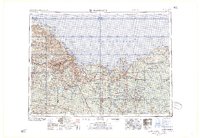 1960 Marquette1960 Print · USGSUpper Peninsula mining and maritime commerce reach their peak in the late fifties across the Lake Superior shoreline. Genealogists and historians can locate remote settlements like Big Bay and Dukes, while tracing the Cyr Mine and the active rail lines of the Lake Superior and Ishpeming railroad.
 - 1961 Map of Marquette
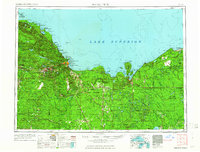 1961 Marquette1961 Print · USGSUpper Peninsula life in the early sixties centered on the iron docks and timber stands of the Lake Superior shore. Genealogists and historians can trace rail-to-port connections via the Lake Superior and Ishpeming Railroad and locate active sites like Republic Mine or the K.I. Sawyer Air Force Base.
 - 1963 Map of Watson, 1964 Print
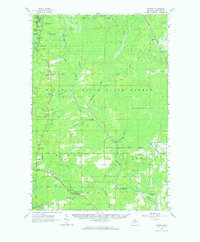 1963 Watson1964 Print · USGSUpper Peninsula timber and rail country come into focus during the early sixties, showing the remote settlements of Watson and Arnold. Genealogists and researchers can locate the Forest Home Cem, the Gardner Mine, and the historic Arnold Lookout Tower.
 - 1968 Map of Marquette, 1977 Print
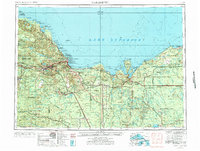 1968 Marquette1977 Print · USGSThe Upper Peninsula iron range and Lake Superior coastline are captured here in the late sixties. Genealogists and historians can trace the rail-to-port infrastructure and the Cold War presence of K I Sawyer Air Force Base alongside towns like Ishpeming and Munising.
 - 1983 Map of Gwinn
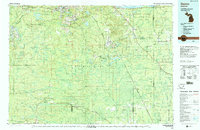 1983 Gwinn1983 Print · USGSThe heart of Michigan's Marquette Iron Range is captured here during the 1980s, when mining and military operations defined the local landscape. Genealogists and industrial historians can trace the tracks of the Chicago and North Western to the National Mine or the airman's life at K I Sawyer Air Force Base.2 unique versions available
 - 1985 Map of Little Lake
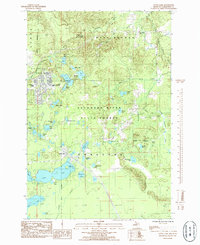 1985 Little Lake1985 Print · USGSMarquette County's military and natural landscapes intersect in the mid-eighties as the K I Sawyer Air Force Base operates alongside the Escanaba River State Forest. Local historians can trace the Old RR Grade and locate family sites near the West Branch Cem and Swanzy.
 - 1985 Map of Carlshend
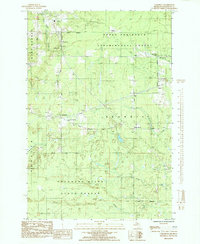 1985 Carlshend1985 Print · USGSMarquette County's interior as it appeared in the mid-eighties was a landscape of managed forests and quiet rural junctions. Genealogists and historians can trace the foundations of local life at Skandia Sch, Emmanuel Ch, and the settlements of Carlshend or Selma.
 - 1985 Map of McFarland
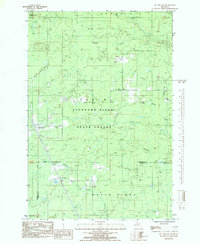 1985 McFarland1985 Print · USGSMarquette and Delta counties are shown in the mid-eighties, a period of managed timberlands and quiet northern settlements. Researchers can trace the winding course of the Rapid River and locate the small communities of McFarland and Ewing.
 - 1986 Map of Helena
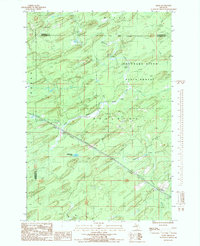 1986 Helena1986 Print · USGSUpper Peninsula timberlands and river forks come into focus in the mid-1980s as the regional rail network shifted. Genealogists and local historians can trace the Old Railroad Grade near the settlements of Helps and Faunus.
 - 1986 Map of Cataract Basin
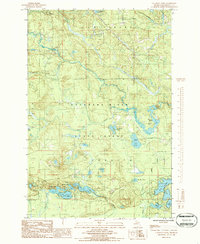 1986 Cataract Basin1986 Print · USGSMarquette County's dense woodlands and river systems are shown here in the mid-eighties, centered on the Cataract Basin. Researchers can trace old logging and recreation sites like the Chipmunk Airstrip, Trailer Park, and the intricate shoreline of Shag Lake.
Showing maps 1-25 of 68
Top cities near Forsyth Township
- Ishpeming historical maps
- Negaunee historical maps
- Sands historical maps
- Gwinn historical maps
- Skandia historical maps
- Palmer historical maps
Top neighborhoods of Forsyth Township
- New Swanzy historical maps
- Princeton historical maps
- Cedar Bank historical maps
- Little Lake historical maps
- Swanzy historical maps
- Austin historical maps
See more
Frequently asked questions
- What are the different types of historical maps available for Forsyth Township?
- What is the oldest map of Forsyth Township?
- Where can I purchase historical maps of Forsyth Township for my home or office?
- Where can I download high-res historical maps of Forsyth Township?
- Are there historical topographic maps available for Forsyth Township?
- Is there historical aerial imagery available for Forsyth Township?
- Where are historical maps of Forsyth Township sourced from?