Old Maps of Erie Township, Michigan for Academic Research
Study the evolution of Erie Township with 47 high-resolution historic maps. Whether you're teaching, researching, or modeling changes in land use, these maps provide essential visual documentation of urban, environmental, and geographic change.
- Analyze long-term change: Track patterns in development, transportation, and natural features.
- Ideal for environmental or urban studies: Support academic projects with primary historical map data.
- Use in the classroom or lab: Educators and researchers rely on these maps to bring historical context to life.
These maps are a powerful tool for teaching, research, and visualizing how Erie Township has changed over the decades.
Erie Township, MI maps
(47)- 1900 Map of Maumee Bay, 1921 Print
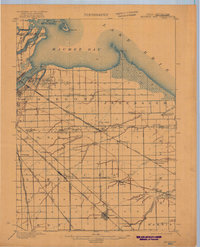 1900 Maumee Bay1921 Print · USGSNorthwest Ohio and the Lake Erie shoreline are shown here just as the regions rail and energy sectors were maturing. Genealogists and historians can locate vanished post offices at Shepardsville Bono P. O. and trace early industrial sites like the Oil Wells and Coke Ovens near Curtice.2 unique versions available
 - 1900 Map of Toledo, 1932 Print
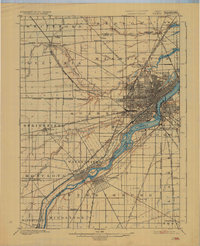 1900 Toledo1932 Print · USGSToledo and the lower Maumee River valley are shown at the height of the railroad era, as the city expanded into an industrial powerhouse. Researchers can trace early infrastructure like the Michigan Division Canal and locate historic sites like the Toledo Insane Asylum or the Oil Wells near Lime City.
 - 1912 Map of Monroe
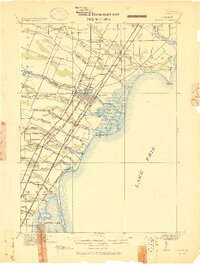 1912 Monroe1912 Print · USGSMonroe County before the First World War was a landscape defined by its strategic lakefront positioning and a massive concentration of competing railroads. Genealogists can trace the early footprints of Monroe, Brest P.O., and Erie while following local landmarks like Sandy Creek and Plum Creek.
 - 1912 Map of Dundee
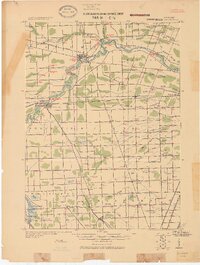 1912 Dundee1912 Print · USGSMonroe County was a bustling intersection of rail and river commerce just before the First World War. Local historians can trace the exact routes of the Cincinnati Northern R. R. and the Ann Arbor R. R. as they pass through Dundee and Petersburg.
 - 1914 Map of Monroe, 1928 Print
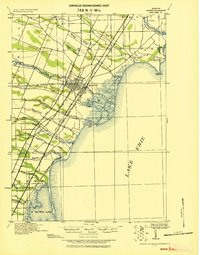 1914 Monroe1928 Print · USGSCoastal Michigan between Detroit and Toledo is shown here in the early twentieth century as a bustling hub of rail and river commerce. Genealogists and historians can trace the paths of six different railroads through Monroe and locate the old Brest Post Office near Point Aux Peaux.
 - 1926 Map of Dundee
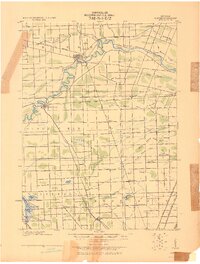 1926 Dundee1926 Print · USGSSoutheastern Michigan is captured here during the height of the steam-rail era, showing the intricate network of Monroe County townships. Genealogists and historians can trace family locations near Dundee, Lambertville, or the rail junctions at Ida and Strasburgh.
 - 1934 Map of Point Place
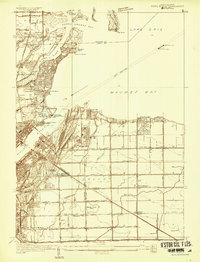 1934 Point Place1934 Print · USGSThe Lake Erie shoreline near Toledo comes to life in the mid-1930s, showing a landscape defined by maritime trade and residential growth. Genealogists and historians can trace family locations near Point Place, Momineetown, and landmarks like the Toledo Yacht Club.
 - 1936 Map of Samaria
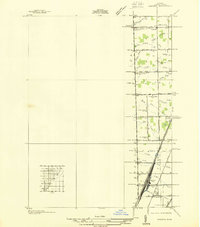 1936 Samaria1936 Print · USGSDuring the mid-1930s, this corridor north of the Michigan-Ohio border was a hub of drainage projects and rail expansion. Researchers can trace the layout of the Ottawa Yard, the site of Vienna Junction, and local landmarks like Erie Union Cem and Yargerville Sch.
 - 1936 Map of Erie
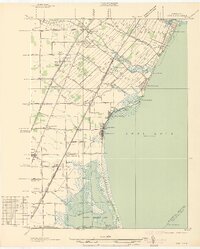 1936 Erie1936 Print · USGSCoastal Monroe County in the mid-1930s shows a landscape of lakeside resorts and busy rail corridors heading toward the Ohio line. Genealogists and local historians can locate early twentieth-century landmarks like San Freal Sch, Luna Pier, and the Roselawn Memorial Cem.
 - 1938 Map of Toledo
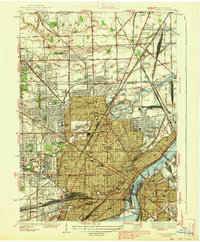 1938 Toledo1938 Print · USGSIn the late thirties, this industrial hub was defined by the confluence of the Maumee River and an immense railroad network. Genealogists and historians can trace the early layout of Toledo University, numerous family cemeteries like Southard Cem, and rail landmarks including Air Line Junction.2 unique versions available
 - 1938 Map of Point Place
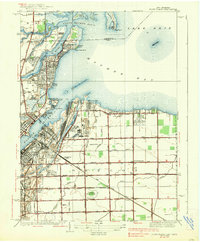 1938 Point Place1938 Print · USGSCoastal life and heavy industry intersect along Maumee Bay in the late thirties as the region’s rail and maritime networks expanded. Researchers can trace the heritage of Point Place, the waterfront Naval Armory, and rural settlements like Momeneetown and Booth.2 unique versions available
 - 1939 Map of Samaria, 1959 Print
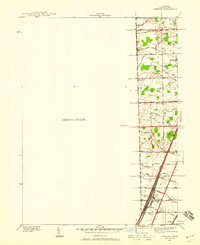 1939 Samaria1959 Print · USGSMonroe County farmland and early transport corridors are documented here just before the 1940s. Genealogists and local historians can trace family roots through Zion Ch, St Joseph Cem, and vanished schoolhouses like Dean Sch.
 - 1939 Map of Dundee, 1961 Print
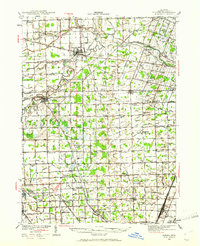 1939 Dundee1961 Print · USGSMonroe County before the war was a landscape of river-bend towns and rural school districts linked by an intricate rail and water network. Genealogists can locate family landmarks such as St Anthonys Ch, Wells Sch, and numerous burial grounds like Oak Grove Cem.2 unique versions available
 - 1940 Map of Dundee
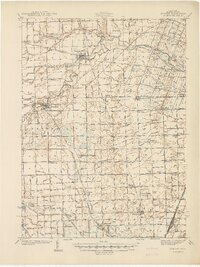 1940 Dundee1940 Print · USGSMonroe County's rural landscape is captured here in the late 1930s, showing a network of rail-side towns and country schools. Genealogists can locate family landmarks like St Joseph Cem, Hull Sch, and the riverside settlement of Dundee.
 - 1941 Map of Samaria
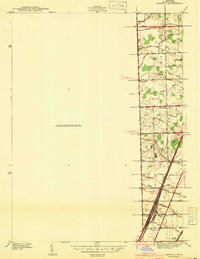 1941 Samaria1941 Print · USGSMonroe County was a hub of rail traffic and rural farming just before the war, with dense networks of drainage canals and country schools. Researchers can trace family roots through the St Joseph Cem, find the old Dean Sch, or explore the rail works at Ottawa Yard.
 - 1941 Map of Dundee
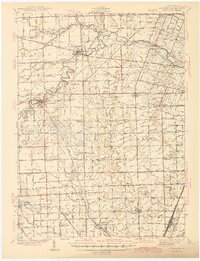 1941 Dundee1941 Print · USGSMonroe County was a thriving network of rail lines and rural school districts in the years just before the war. Genealogists can trace family landmarks and local institutions like St Anthonys Ch, Maplegrove Cem, and dozens of named schools including Hull Sch.2 unique versions available
 - 1943 Map of Erie
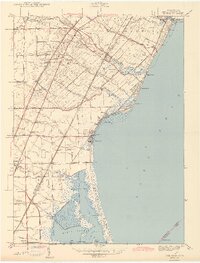 1943 Erie1943 Print · USGSThe Lake Erie shoreline in the early 1940s reveals a landscape of coastal marshes, growing beach communities, and vital rail corridors. Genealogists can locate family landmarks such as La Salle Cem and numerous country schools like San Freal Sch and Moran Sch.3 unique versions available
 - 1952 Map of Erie, 1953 Print
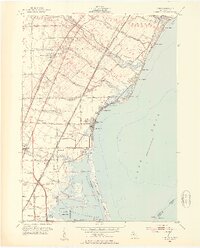 1952 Erie1953 Print · USGSThe Lake Erie shoreline in the early fifties shows a landscape defined by coastal resorts, marshlands, and heavy rail. Genealogists can locate family sites at Roselawn Memorial Cemetery or trace the rural school system at Keeney Sch and Agnew Sch.3 unique versions available
 - 1952 Map of Toledo, 1954 Print
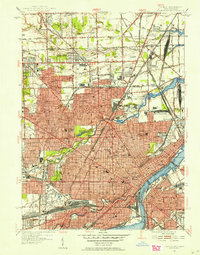 1952 Toledo1954 Print · USGSToledo at the height of its mid-century industrial era shows a landscape defined by massive rail yards and riverfront commerce. Genealogists can trace family neighborhoods near Woodlawn Cemetery, St Vincent Hospital, and the many tracks of the New York Central.2 unique versions available
 - 1952 Map of Point Place, 1954 Print
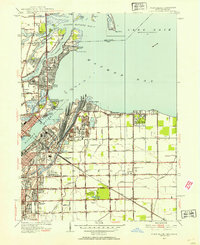 1952 Point Place1954 Print · USGSThe Lake Erie shoreline near Toledo comes alive in this early fifties survey of the Maumee River mouth and its surrounding industrial rail yards. Genealogists and local historians can locate long-standing landmarks like St Ignatius Ch, Pearson State Park, and the old Drive-in Theater.
 - 1956 Map of Toledo, 1968 Print
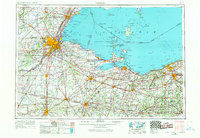 1956 Toledo1968 Print · USGSNorthwest Ohio and the Lake Erie shoreline are shown in detail during the late fifties, showcasing a landscape of heavy industry, railroads, and island communities. Genealogists and historians can trace rail networks like the Chesapeake & Ohio RR or locate landmarks such as the Erie Proving Ground and Kelleys Island.4 unique versions available
 - 1961 Map of Toledo
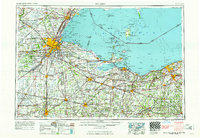 1961 Toledo1961 Print · USGSThe western basin of Lake Erie and the industrial heart of Northern Ohio are captured here during the post-war era. Researchers can trace historical rail lines like the New York Central or locate landmarks like the Erie Ordnance Depot and Pelee Island.
 - 1965 Map of Oregon, 1966 Print
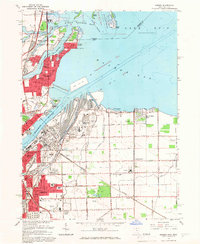 1965 Oregon1966 Print · USGSThe industrial shoreline of Lake Erie comes alive in the mid-sixties, where the heavy rail yards of Toledo meet the growing suburbs of Oregon. Trace family roots at St Ignatius Ch or locate mid-century landmarks like the Drive-in Theater and Clay High Sch.5 unique versions available
 - 1965 Map of Toledo, 1968 Print
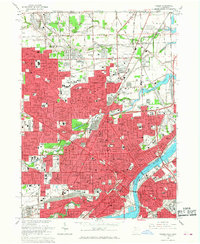 1965 Toledo1968 Print · USGSToledo at the height of its mid-century development shows a landscape defined by the Maumee River and a massive rail network. Genealogists can trace family roots through neighborhood schools like DeVilbiss High Sch and find resting places in Woodlawn Cemetery.4 unique versions available
 - 1967 Map of Erie, 1969 Print
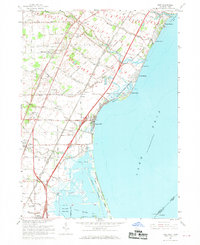 1967 Erie1969 Print · USGSThe Lake Erie shoreline in the late sixties reveals a landscape of industrial power and lakeside recreation at the Michigan-Ohio border. Researchers can trace the rail lines of the Penn Central, locate the St Joseph Sch in Erie, or explore the coastal reaches of the Woodtick Peninsula.2 unique versions available
Showing maps 1-25 of 47
Top cities near Erie Township
- Toledo historical maps
- Bedford Township historical maps
- Perrysburg historical maps
- Frenchtown Charter Township historical maps
- Monroe historical maps
- Oregon historical maps
See more
Top neighborhoods of Erie Township
Frequently asked questions
- What are the different types of historical maps available for Erie Township?
- What is the oldest map of Erie Township?
- Where can I purchase historical maps of Erie Township for my home or office?
- Where can I download high-res historical maps of Erie Township?
- Are there historical topographic maps available for Erie Township?
- Is there historical aerial imagery available for Erie Township?
- Where are historical maps of Erie Township sourced from?