Old Maps of Tuscola County, Michigan for Academic Research
Study the evolution of Tuscola County with 175 high-resolution historic maps. Whether you're teaching, researching, or modeling changes in land use, these maps provide essential visual documentation of urban, environmental, and geographic change.
- Analyze long-term change: Track patterns in development, transportation, and natural features.
- Ideal for environmental or urban studies: Support academic projects with primary historical map data.
- Use in the classroom or lab: Educators and researchers rely on these maps to bring historical context to life.
These maps are a powerful tool for teaching, research, and visualizing how Tuscola County has changed over the decades.
Tuscola County, MI maps
(175)- 1920 Map of Flint
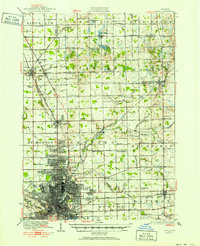 1920 Flint1920 Print · USGSFlint and the surrounding Genesee County townships appear in this post-war survey during a period of intense industrial and civic growth. Genealogists and historians can trace numerous rural school sites like Beecher School and major rail lines including the Pere Marquette.2 unique versions available
 - 1922 Map of Flint
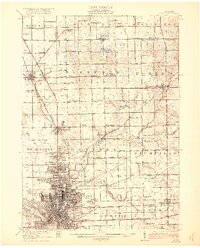 1922 Flint1922 Print · USGSGenesee County comes to life in the early twenties, showing the industrial rise of the vehicle city alongside its rural townships. Researchers can trace family sites near Gracelawn Cemetery or locate old schoolhouses like Boutwell School and Holden School.3 unique versions available
 - 1943 Map of Flint, 1944 Print
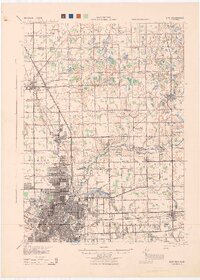 1943 Flint1944 Print · USGSGenesee County and the city of Flint appear in transition during the mid-forties, balancing a booming urban core with a sprawling network of rural township schools. Genealogists and local historians can trace hundreds of property sites near Kearsley Res or locate early academic landmarks like Wildcat Sch and Hopkins Sch.
 - 1954 Map of Flint, 1968 Print
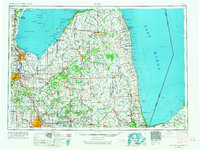 1954 Flint1968 Print · USGSThe industrial corridor and fertile Thumb region of Michigan come alive in this mid-century survey. Genealogists and historians can trace the rail networks of the Grand Trunk, locate established settlements like Bad Axe and Sandusky, or explore the 1950s shoreline along Saginaw Bay.4 unique versions available
 - 1958 Map of Flint
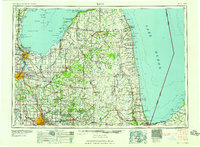 1958 Flint1958 Print · USGSThe Michigan Thumb and the Saginaw Valley are captured here during the height of the post-war industrial era. Researchers can trace the complex rail networks of the Grand Trunk Western or locate mid-century landmarks like Lakeport State Park and the port at Bay City.2 unique versions available
 - 1963 Map of Quanicassee, 1964 Print
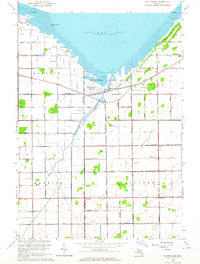 1963 Quanicassee1964 Print · USGSThe southern shores of Saginaw Bay come into focus in the early sixties, showing a landscape shaped by coastal marshes and a grid of rural roads. Genealogists and local historians can locate the Van Buren Sch, Mitchell Sch, and the community of Quanicassee at the river's mouth.2 unique versions available
 - 1963 Map of Fish Point, 1964 Print
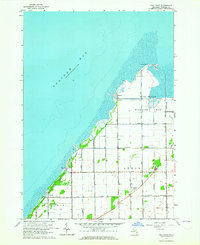 1963 Fish Point1964 Print · USGSSaginaw Bay’s southeastern shoreline is captured here in the early 1960s, showing a landscape of reclaimed marshlands and coastal hamlets. Genealogists and local historians can trace family locations near Hickory Highland Cem, the small settlement of Thomas, or the Townhall in the township of Wisner.3 unique versions available
 - 1963 Map of Clifford, 1964 Print
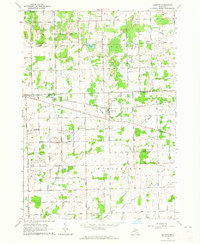 1963 Clifford1964 Print · USGSLife on the Tuscola and Lapeer county line in the early sixties centered on rail-connected villages and a network of rural schools. Genealogists and historians can trace the foundations of Silverwood, Clifford, and landmarks like St Patricks Cem or the Maple Grove Sch.
 - 1963 Map of New Greenleaf, 1964 Print
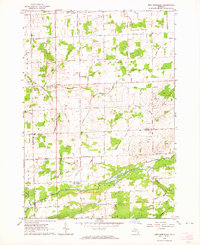 1963 New Greenleaf1964 Print · USGSAgricultural life in Michigan's Thumb is captured here during the early sixties, as drainage and rail networks sustained the rural economy. Genealogists can locate family landmarks like McTaggart Cemetery, the Stoner School, and St Columbkille Church.
 - 1963 Map of East Dayton, 1964 Print
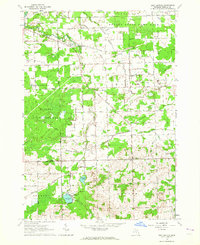 1963 East Dayton1964 Print · USGSTuscola County is shown in the early sixties as a mosaic of managed game areas and productive farmland. Genealogists and local historians can trace rural roots through landmarks like Bethel Ch, Frankfort Sch, and the quiet crossroads of East Dayton.
 - 1963 Map of Mayville, 1964 Print
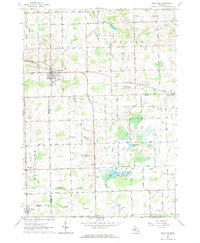 1963 Mayville1964 Print · USGSThe rural borderlands of Tuscola and Lapeer counties are captured here in the early sixties, centered on the village of Mayville. Researchers can trace old family sites and rural landmarks like the Rich Ch, Frenzel Sch, and several historic burying grounds including Rich Cem.
 - 1963 Map of Marlette, 1964 Print
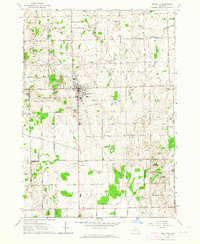 1963 Marlette1964 Print · USGSMarlette and the surrounding farm country are captured here in the early sixties as the regional rail and drainage networks were fully matured. Genealogists and local historians can trace rural school districts like Brown School and Montgomery Sch or locate family sites near French Line Presbyterian Ch.2 unique versions available
 - 1963 Map of Fairgrove, 1964 Print
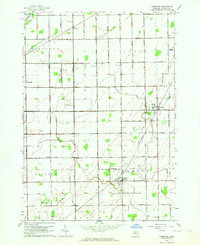 1963 Fairgrove1964 Print · USGSThe agricultural heart of Tuscola County is captured here in the early sixties as the sugar beet and bean fields prospered. Genealogists and local historians can locate rural landmarks like Battelle Sch, the Wisner Cem, and the village of Akron.2 unique versions available
 - 1963 Map of Reese, 1964 Print
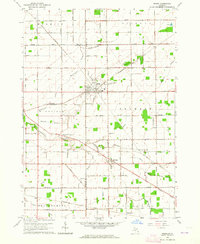 1963 Reese1964 Print · USGSMid-Michigan's agricultural heartland is documented here in the early sixties at the intersection of the New York Central and Chesapeake and Ohio railroads. Genealogists and historians can trace local landmarks from Blumfield Corners to Richville, including family-named drains and the St Elizabeth Cem.2 unique versions available
 - 1963 Map of Kingston, 1964 Print
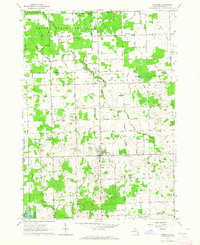 1963 Kingston1964 Print · USGSMid-century Tuscola County is captured here during a period of steady agricultural drainage and community development. Genealogists and local historians can trace the Old Railroad Grade and locate family landmarks like Wilmot Sch, St Michaels Ch, and the Kingston Cem.2 unique versions available
 - 1963 Map of Cass City, 1964 Print
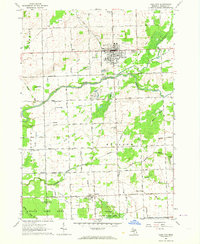 1963 Cass City1964 Print · USGSTuscola County farming and river life are captured here in the early sixties, centered on the rail-and-river hub of Cass City. Genealogists and local historians can trace family roots through rural landmarks like Novesta Ch, Dillman Sch, and the small settlement of Deford.
 - 1963 Map of Columbiaville, 1964 Print
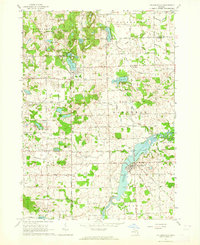 1963 Columbiaville1964 Print · USGSColumbiaville and Otter Lake appear here during the early sixties, a landscape of fertile farmland and managed waterways at the borders of three counties. Researchers can trace the New York Central Railroad corridor and locate local landmarks like Woodlawn Cem and Lakeville High Sch.2 unique versions available
 - 1963 Map of Ellington, 1964 Print
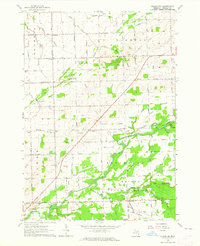 1963 Ellington1964 Print · USGSTuscola County farmland and the river valleys of the Cass are captured here in the early sixties. Genealogists can locate family landmarks such as Colwood Ch, the Elmwood Cem, and rural schoolhouses like the George Sch or Humes Sch.
 - 1963 Map of Shabbona, 1964 Print
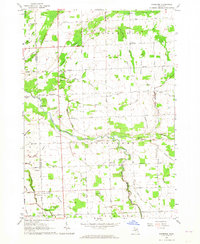 1963 Shabbona1964 Print · USGSSanilac and Tuscola Counties are shown here in the early 1960s, documenting a landscape of rural townships and winding river branches. Researchers can trace family sites near Shabbona, Evergreen Cem, and country churches like Mizpah Ch.
 - 1963 Map of Gilford, 1964 Print
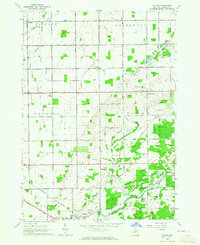 1963 Gilford1964 Print · USGSTuscola County agricultural and game lands are captured here in the early sixties, showing the transition from river bottoms to structured farm sections. Researchers can locate the Watrousville Cem, the Tappan Sch, and the old rail siding at Gilford.2 unique versions available
 - 1963 Map of Gagetown, 1964 Print
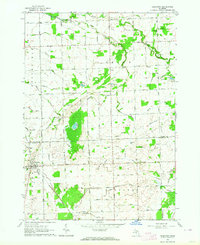 1963 Gagetown1964 Print · USGSThe borderlands of Tuscola and Huron counties are captured here in the early sixties, showing a landscape of productive farmland and small rail towns. Genealogists can trace family names through landmarks like Grant Cem, Canboro Sch, and the Grand Trunk Western RR station in Gagetown.
 - 1963 Map of Caro, 1964 Print
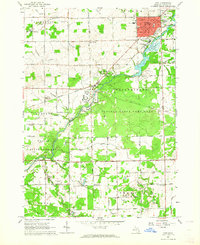 1963 Caro1964 Print · USGSTuscola County centered on the village of Caro in the early sixties shows a landscape of river-fed industry and state institutions. Researchers can locate the Caro State Hospital, the tracks of the New York Central railroad, and local landmarks like Indianfields Cemetery.3 unique versions available
 - 1963 Map of Owendale, 1964 Print
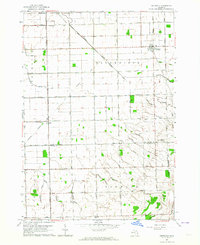 1963 Owendale1964 Print · USGSThe Michigan Thumb’s rural heartland is captured in the early sixties as a structured grid of farmsteads and drainage canals. Researchers can trace family ties and township history through landmarks like Owendale, St Peters Sch, and the New York Central rail line.
 - 1963 Map of Frankenmuth, 1964 Print
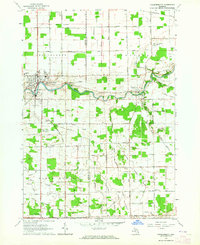 1963 Frankenmuth1964 Print · USGSThe Saginaw Valley during the mid-1960s reveals a landscape of tidy farmsteads and an extensive network of drainage canals. Genealogists can trace family footprints near St Lorenz Sch, Tuscola Cem, and along the banks of the Cass River.2 unique versions available
 - 1963 Map of Vassar, 1964 Print
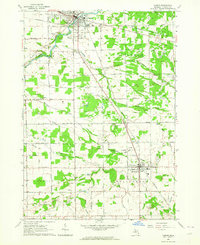 1963 Vassar1964 Print · USGSThe Tuscola County countryside around Vassar and Millington is shown here in the early sixties as a thriving landscape of rail lines and drainage canals. Genealogists can trace family footprints near Riverside Cem, the Mennonite Mission, and several local schools like Pinkerton Sch.2 unique versions available
Showing maps 1-25 of 175
Top cities of Tuscola County
Frequently asked questions
- What are the different types of historical maps available for Tuscola County?
- What is the oldest map of Tuscola County?
- Where can I purchase historical maps of Tuscola County for my home or office?
- Where can I download high-res historical maps of Tuscola County?
- Are there historical topographic maps available for Tuscola County?
- Is there historical aerial imagery available for Tuscola County?
- Where are historical maps of Tuscola County sourced from?