Old Maps of Arbutus, Minnesota for Academic Research
Study the evolution of Arbutus with 11 high-resolution historic maps. Whether you're teaching, researching, or modeling changes in land use, these maps provide essential visual documentation of urban, environmental, and geographic change.
- Analyze long-term change: Track patterns in development, transportation, and natural features.
- Ideal for environmental or urban studies: Support academic projects with primary historical map data.
- Use in the classroom or lab: Educators and researchers rely on these maps to bring historical context to life.
These maps are a powerful tool for teaching, research, and visualizing how Arbutus has changed over the decades.
Arbutus, MN maps
(11)- 1954 Map of International Falls, 1980 Print
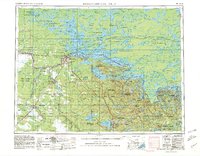 1954 International Falls1980 Print · USGSThe Minnesota-Ontario borderlands come alive in this mid-century survey of the Rainy River region and the interconnected waterways that now form Voyageurs National Park. Genealogists and local historians can trace the rail-and-timber era through settlements like Littlefork, the Nett Lake Indian Reservation, and the Canadian National rail lines.
 - 1957 Map of International Falls
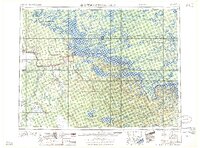 1957 International Falls1957 Print · USGSThe Minnesota-Ontario borderlands come alive in the mid-fifties, showing the industrial nodes of International Falls and Fort Frances. Genealogists and historians can trace rail-tied settlements like Aylsworth and Littlefork or locate ancestral lands within the Nett Lake Indian Reservation.
 - 1958 Map of International Falls
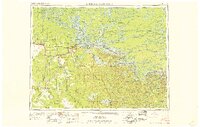 1958 International Falls1958 Print · USGSThe borderlands of northern Minnesota and Ontario are mapped here during the mid-fifties, centered on the river-and-rail hubs of the Northwoods. Researchers can trace the path of the Northern Pacific through Big Falls or locate early settlements like Ericsburg and Ranier.2 unique versions available
 - 1969 Map of Ray SE, 1971 Print
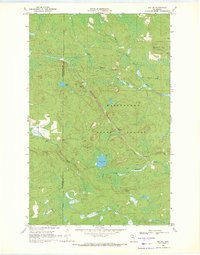 1969 Ray SE1971 Print · USGSThe northern timberlands of St. Louis County are captured here in the late sixties, showing a landscape defined by rail corridors and state forest. Researchers can trace the Duluth Winnipeg and Pacific line to Arbutus or locate the Kabetogama Lookout Tower and Pearl Lake.2 unique versions available
 - 1978 Map of Littlefork, 1994 Print
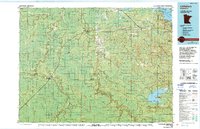 1978 Littlefork1994 Print · USGSNorthern Minnesota’s timber and river country is captured here in the late seventies, showing the vast forest lands before modern development. Genealogists and historians can trace the Minnesota Dakota and Western RR through Littlefork and locate remote lookouts like Fort Lookout Tower.
 - 1999 Map of Ray SE, 2003 Print
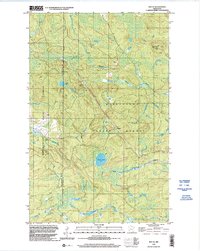 1999 Ray SE2003 Print · USGSThe Northwoods of St. Louis County are captured here at the close of the twentieth century, showing a landscape defined by timber and water. Researchers can trace the path of the Rat Root River, find the Kabetogama Lookout Tower, and locate remote points like Arbutus.
 - 2011 Map of Ray SE, 2011 Print
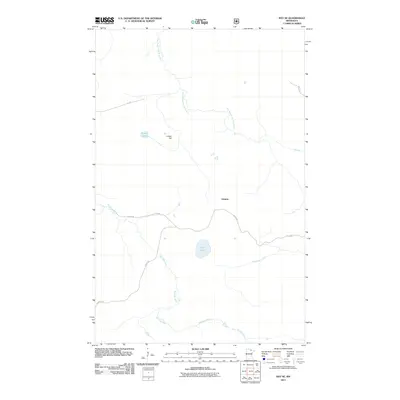 2011 Ray SE2011 Print · USGSSaint Louis County's northern forests are documented here during the early twenty-first century, showing the crossroads at Arbutus. Researchers can trace the path of the East Branch Rat Root River or locate remote landmarks like Indian Hill and Pearl Lake.
 - 2013 Map of Ray SE, 2013 Print
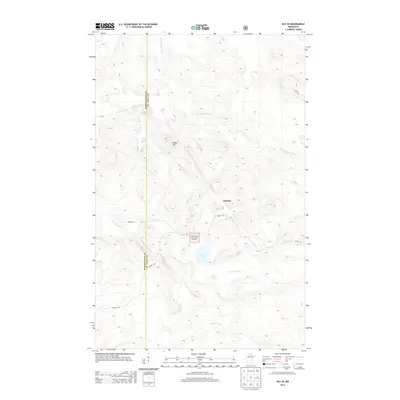 2013 Ray SE2013 Print · USGSNorthern Minnesota timberland and river systems are documented here in the early twenty-first century. Genealogists and outdoorsmen can trace the local road network and water bodies like Pearl Lake, Arbutus, and the E Br Rat Root River.
 - 2016 Map of Ray SE, 2016 Print
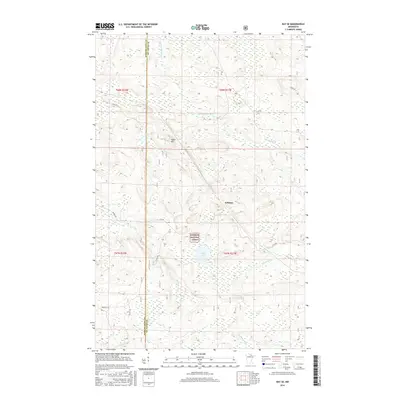 2016 Ray SE2016 Print · USGSThe wilderness of Saint Louis County is captured here in the mid-2010s, showing the intersection of local township roads and federal forest lands. Researchers can trace the winding course of the Rat Root River or locate remote sites like Arbutus and Pearl Lake.
 - 2019 Map of Ray SE, 2019 Print
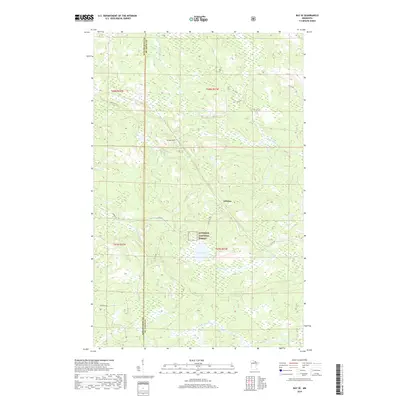 2019 Ray SE2019 Print · USGSThe Northwoods of Saint Louis and Koochiching counties are shown here in the late 2010s, revealing a landscape of dense timber and river systems. You can trace the winding Rat Root River and its branches or locate landmarks like Arbutus and Pearl Lake.
 - 2022 Map of Ray SE, 2022 Print
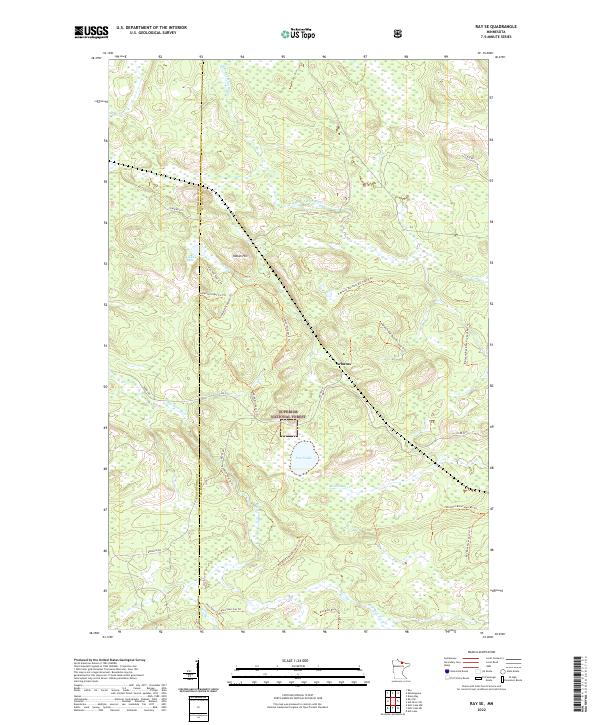 2022 Ray SE2022 Print · USGSThe northern forests of St. Louis and Koochiching Counties are captured here in the early twenty-first century, showing a landscape shaped by timber and water. You can trace the network of forest trails and river branches like Arbutus, the Rat Root River, and Pearl Lake.
End of results
Showing maps 1-11 of 11
Top cities near Arbutus
Frequently asked questions
- What are the different types of historical maps available for Arbutus?
- What is the oldest map of Arbutus?
- Where can I purchase historical maps of Arbutus for my home or office?
- Where can I download high-res historical maps of Arbutus?
- Are there historical topographic maps available for Arbutus?
- Is there historical aerial imagery available for Arbutus?
- Where are historical maps of Arbutus sourced from?