1960s Maps of Neshoba County, Mississippi
Explore 6 historic maps of Neshoba County from the 1960s. These maps offer a rare glimpse into what life looked like during the 1960s — showing old roads, neighborhoods, homes, and landmarks that have changed or disappeared over time.
Whether you're researching your family's past, planning a metal detecting trip, or studying how Neshoba County's landscape evolved across the 1960s, these high-resolution maps are a powerful tool for exploring the history of this region.
- Focus on a specific era: All maps on this page are from the 1960s, giving you a focused view of this time period.
- See what’s changed: Compare century-old streets, trails, and buildings to today's modern landscape using overlays and satellite layers.
- Research with precision: Use these maps for genealogy, historical research, land use analysis, or educational projects.
- View, download, or print: Maps are fully viewable online in high resolution, and can be downloaded or printed for your own records.
Start exploring Neshoba County's history through authentic maps from the 1960s. This is your window into the past.
Neshoba County, MS maps
(6)- 1962 Map of House, 1963 Print
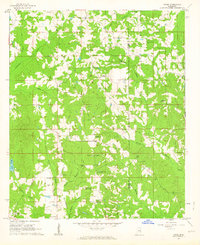 1962 House1963 Print · USGSThe rural communities along the Neshoba and Kemper county line are captured here in the early sixties, showing a landscape of small farms and crossroads parishes. Genealogists can locate family landmarks like Wilson Cem, McDonald Cem, and the East Neshoba Sch.3 unique versions available
 - 1962 Map of Vernon, 1963 Print
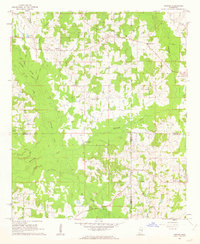 1962 Vernon1963 Print · USGSWinston and Neshoba Counties are captured in the early sixties, centered on rural communities and the significant Nanih Waiya Indian Mound. Researchers can trace local lineage through sites like Fulton Cem, Enon Ch, and Claytown.3 unique versions available
 - 1962 Map of Owl Creek, 1963 Print
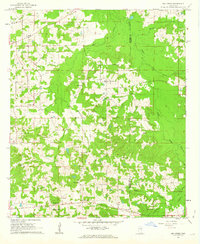 1962 Owl Creek1963 Print · USGSNeshoba and Kemper counties appear in the early 1960s as a landscape of rural schoolhouses and family cemeteries. Genealogists can locate Bogue Chitto Indian Sch, Sandtown Lookout Tower, and Cooks Chapel.2 unique versions available
 - 1962 Map of Edinburg, 1964 Print
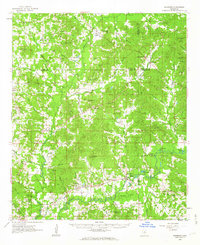 1962 Edinburg1964 Print · USGSCentral Mississippi's rural river country comes to life in the early sixties, showing the intersection of four counties along the Pearl River. Genealogists can trace family roots through numerous sites like Battleground Cemetery, Coughlin Mound, and the settlement at Edinburg.
 - 1962 Map of Post, 1964 Print
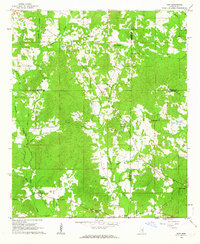 1962 Post1964 Print · USGSFour Mississippi counties meet in this early 1960s survey, showing a rural landscape tied together by local churches and the railroad. Genealogists and researchers can trace family landmarks like Trussel Cem, Antioch Ch, and the rail stop at Perdue.2 unique versions available
 - 1965 Map of Meridian
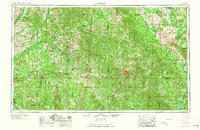 1965 Meridian1965 Print · USGSEast Mississippi and West Alabama are mapped here in the mid-sixties as the region's modern highway and reservoir systems began to take shape. Researchers can trace rural lineages through local landmarks like Prince Chapel and Tuscahoma Landing, or follow the historic Gulf Mobile & Ohio rail lines.
End of results
Showing maps 1-6 of 6
Top cities of Neshoba County
Frequently asked questions
- What are the different types of historical maps available for Neshoba County?
- What is the oldest map of Neshoba County?
- Where can I purchase historical maps of Neshoba County for my home or office?
- Where can I download high-res historical maps of Neshoba County?
- Are there historical topographic maps available for Neshoba County?
- Is there historical aerial imagery available for Neshoba County?
- Where are historical maps of Neshoba County sourced from?