Old Maps of Stone County, Mississippi for Hiking & Exploration
Hike through history with 97 historic maps of Stone County. Explore old trails, ghost towns, and forgotten backroads — perfect for outdoor adventurers and local explorers.
- Rediscover forgotten places: Map out old mining camps, roads, and footpaths that no longer exist on modern maps.
- Layer with modern tools: Combine with LiDAR or satellite views to plan hikes through historical terrain.
- Made for exploration: Popular among hikers, overlanders, and local history lovers.
Use these maps to find adventure and explore the hidden past of Stone County.
Stone County, MS maps
(97)- 1947 Map of Wiggins, 1965 Print
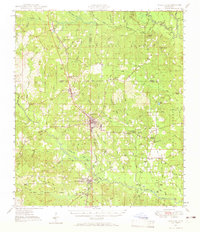 1947 Wiggins1965 Print · USGSSouthern Mississippi's timberlands and railroad towns are captured here in the late 1940s as the regional economy centers on the rails. Genealogists can locate family landmarks like Rosenwall Sch, New York Cem, and the small settlement of Perkinston.2 unique versions available
 - 1947 Map of Benndale, 1966 Print
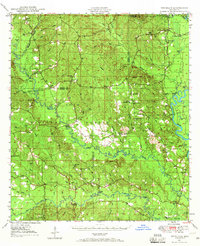 1947 Benndale1966 Print · USGSSoutheast Mississippi's piney woods and river bottoms are documented here just after the war. Researchers can locate family landmarks like Alexander Bridge, Indian Cem, and the community of Benndale amidst the Pascagoula River wetlands.2 unique versions available
 - 1949 Map of Wiggins
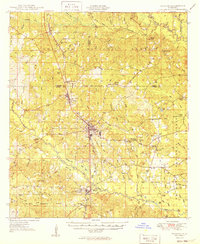 1949 Wiggins1949 Print · USGSStone and Forrest Counties are documented here in the late Forties, showing the rail-dependent timber and farming communities of the Pine Belt. Researchers can locate numerous country landmarks including St Paul Ch, Rosenwall Sch, and the Maxie Fire Tower.2 unique versions available
 - 1949 Map of Benndale
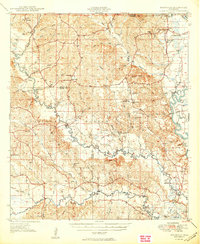 1949 Benndale1949 Print · USGSSoutheast Mississippi's piney woods and river bottoms come into focus in the late 1940s as the De Soto National Forest reaches across four counties. Researchers can trace the heritage of local settlements through Benndale, St Luke Ch, and several family cemeteries.2 unique versions available
 - 1953 Map of Mobile, 1968 Print
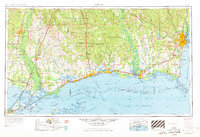 1953 Mobile1968 Print · USGSThe Gulf Coast comes alive in this mid-century survey, from the streets of Mobile to the marshes of New Orleans. Trace family roots in coastal towns like Pass Christian and Bayou La Batre or locate military landmarks including Keesler AFB.3 unique versions available
 - 1954 Map of Vestry, 1955 Print
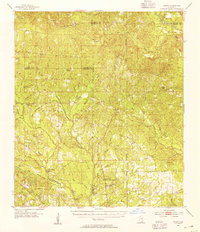 1954 Vestry1955 Print · USGSCoastal Mississippi's pine forests and small rural communities are captured here in the mid-1950s. Genealogists can trace family roots through sites like Ramsey Cemetery, Bonnie Chapel, and the settlement of White Plains along the Tchoutacabouffa River.4 unique versions available
 - 1954 Map of McHenry, 1955 Print
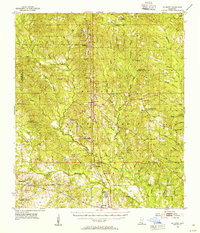 1954 McHenry1955 Print · USGSHarrison County's timberlands and railroad towns are shown here in the mid-1950s as the De Soto National Forest was being actively managed. Genealogists and local historians can locate early landmarks like Yellow Fever Cemetery, Advance School, and the Illinois Central rail line.3 unique versions available
 - 1955 Map of Savannah, 1956 Print
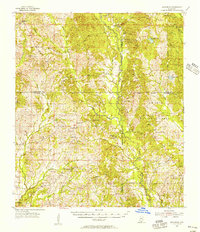 1955 Savannah1956 Print · USGSCoastal Mississippi's piney woods and river bottoms come alive in the mid-fifties, showing the intersection of four counties. Genealogists can locate family landmarks like Necaise Cem, Riceville, and Steep Hollow Ch among the timber of the De Soto National Forest.3 unique versions available
 - 1957 Map of Mobile
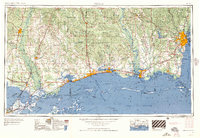 1957 Mobile1957 Print · USGSThe Gulf Coast in the mid-1950s reveals a bustling corridor of rail-and-river commerce connecting Alabama to Louisiana. Genealogists and historians can trace old settlements and military hubs from Keesler Afb to the coastal reaches of Ship Island and Bogalusa.3 unique versions available
 - 1958 Map of Carnes, 1959 Print
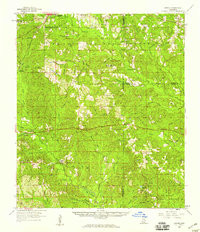 1958 Carnes1959 Print · USGSPearl River and Lamar counties are shown here during the late fifties as small timber and farming communities were consolidating. You can locate family burial plots like Rouse Field Cem and traces of local education at Bird Line Sch or Magnolia Sch.2 unique versions available
 - 1960 Map of Mobile
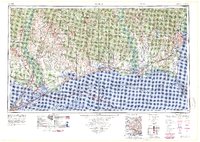 1960 Mobile1960 Print · USGSThe Gulf Coast at the dawn of the sixties shows a landscape of busy ports, military airbases, and barrier islands. Trace the rail lines of the Louisville & Nashville through BILOXI and Pascagoula or find family history in towns like Bayou La Batre and Poplarville.
 - 1963 Map of Mobile
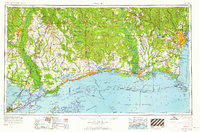 1963 Mobile1963 Print · USGSThe Gulf Coast at the dawn of the sixties shows a thriving maritime and military corridor from Louisiana to Alabama. Genealogists and historians can trace rail lines like the Louisville & Nashville RR and find landmarks from Brookley AFB to Fort Morgan.
 - 1965 Map of Mobile
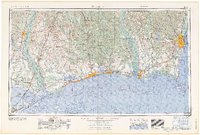 1965 Mobile1965 Print · USGSThe Gulf Coast at mid-century reveals a landscape of expanding ports and vital military installations from Louisiana to Alabama. Genealogists and historians can trace the growth of Biloxi, Pascagoula, and Mobile, alongside the sprawling De Soto National Forest.
 - 1982 Map of Barbara
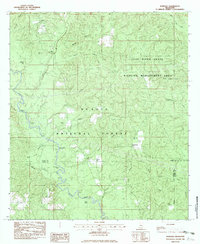 1982 Barbara1982 Print · USGSPerry and Stone Counties are shown in the early eighties as a region of managed timberland and river bottoms. Family historians can locate several rural burials including Fairley Cem and Cooper Cem, or trace the path of Black Creek past Fairley Bridge Landing.
 - 1982 Map of Ramsey Springs
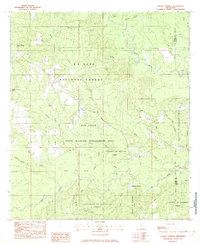 1982 Ramsey Springs1982 Print · USGSSoutheastern Mississippi's piney woods and creek bottoms are documented here in the early eighties. Genealogists can locate family landmarks like Whittington Cem and Moore Cem or trace the Old RR Grade through Ramsey Springs.
 - 1982 Map of Beatrice
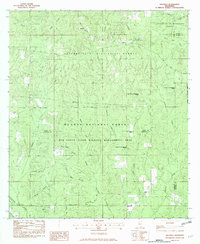 1982 Beatrice1982 Print · USGSStone County and the neighboring pine forests are captured here in the early 1980s as centers of timber and wildlife management. Researchers can trace rural genealogy at Walker Cem and Ramsey Chapel, or locate the old University Lookout Tower and the settlement of Beatrice.
 - 1982 Map of McHenry, 1983 Print
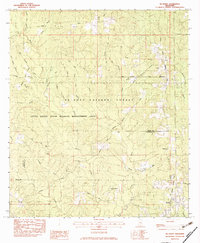 1982 McHenry1983 Print · USGSThe Piney Woods of Stone and Harrison Counties are captured here in the early eighties as the railroad still connected rural timber towns. Genealogists can trace family landmarks like Yellow Fever Cem, Oak Lawn Cem, and the village of McHenry.2 unique versions available
 - 1982 Map of Silver Run, 1983 Print
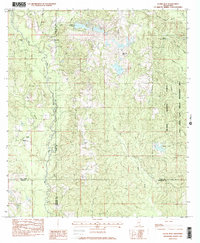 1982 Silver Run1983 Print · USGSSouth Mississippi timber and river country comes alive in this early eighties survey, covering the intersection of four counties. Genealogists can locate family landmarks like Ladner Cem and rural centers such as Silver Run or the Old Barth Community Ch.
 - 1982 Map of Airey, 1983 Print
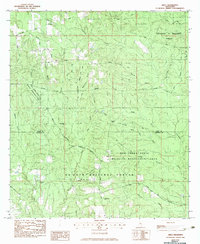 1982 Airey1983 Print · USGSStone and Harrison Counties are shown in the early eighties as a hub of managed timberlands and wildlife preserves. Researchers can trace rural life through the locations of Airey, Lott Cem, and the winding Tuxachanie Trail.
 - 1983 Map of Bond Pond
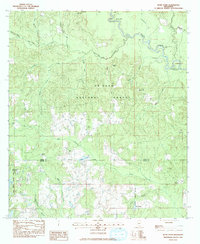 1983 Bond Pond1983 Print · USGSThe woodlands of southern Mississippi are captured here in the early eighties, centered on the intersection of the Perry and Stone county lines. Genealogists can locate several family burial grounds and rural pulpits, including Howard-Breland Cem, Taylor Cem, and Amanda Chapel.
 - 1983 Map of Carnes
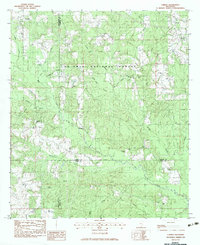 1983 Carnes1983 Print · USGSThe pine forests and creek bottoms of southern Forrest County are captured here in the early eighties. Local researchers can locate family sites including Lee Town Ch, the J E Bounds Mem Cem, and the rural community of Carnes.
 - 1983 Map of Browns Lake
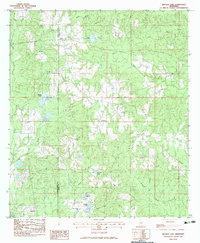 1983 Browns Lake1983 Print · USGSStone County and Pearl River County shared a rural, creek-ribbed border in the early 1980s. Researchers can locate generational landmarks like Smith Town and several family burial sites including Daugdrill Cem and Seals Cem.
 - 1983 Map of Whites Crossing, 1984 Print
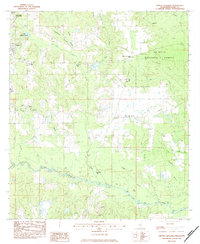 1983 Whites Crossing1984 Print · USGSStone County in the early eighties reveals a landscape of deep pine woods and quiet rural life centered around the De Soto National Forest. Researchers can locate family roots at Lott Hickman Cem, visit Morning Star Ch, or trace the path of the I C G rail line.
 - 1983 Map of Wiggins, 1984 Print
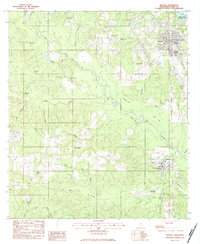 1983 Wiggins1984 Print · USGSStone County settlements thrive along the Illinois Central Gulf rail line in the early eighties. Genealogists and local historians can trace rural roots through numerous sites like Price Memorial Cem, Sweet Beulah Ch, and the Mississippi Gulf Coast Jr College campus.
 - 1983 Map of Bond, 1984 Print
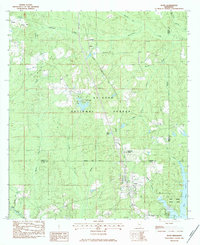 1983 Bond1984 Print · USGSSouthern Mississippi's timber and gas lands are captured in the early eighties as the industrial and recreational landscape matured. Researchers can locate family sites like Batson Cem and Bo Williams Cem or trace the Illinois Central Gulf rail line through Bond and Fruitland Park.
Showing maps 1-25 of 97
Top cities of Stone County
Frequently asked questions
- What are the different types of historical maps available for Stone County?
- What is the oldest map of Stone County?
- Where can I purchase historical maps of Stone County for my home or office?
- Where can I download high-res historical maps of Stone County?
- Are there historical topographic maps available for Stone County?
- Is there historical aerial imagery available for Stone County?
- Where are historical maps of Stone County sourced from?