Old Maps of Expansion, Missouri for Academic Research
Study the evolution of Expansion with 17 high-resolution historic maps. Whether you're teaching, researching, or modeling changes in land use, these maps provide essential visual documentation of urban, environmental, and geographic change.
- Analyze long-term change: Track patterns in development, transportation, and natural features.
- Ideal for environmental or urban studies: Support academic projects with primary historical map data.
- Use in the classroom or lab: Educators and researchers rely on these maps to bring historical context to life.
These maps are a powerful tool for teaching, research, and visualizing how Expansion has changed over the decades.
Expansion, MO maps
(17)- 1884 Map of Springfield
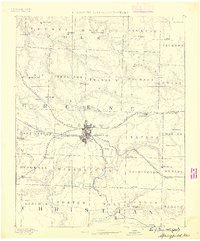 1884 Springfield1884 Print · USGSSpringfield emerged as a critical railroad junction in Southwest Missouri during the 1880s. Local researchers can trace the early layouts of Springfield, Willard, and Republic as they developed along the St. Louis and San Francisco Railroad.
 - 1886 Map of Springfield, 1896 Print
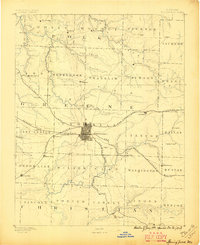 1886 Springfield1896 Print · USGSSouthwest Missouri thrived as a regional rail hub in the 1880s, centering on the growth of Greene and Christian counties. Researchers can trace early rural settlements and rail stops like Springfield, Fair Grove, and Republic before the turn of the century.5 unique versions available
 - 1937 Map of Galloway
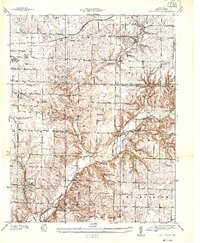 1937 Galloway1937 Print · USGSGreene County townships during the late 1930s show a landscape of small schools and rural rail stops. Researchers can trace family sites like Mc Graw Cem, visit Sequiota State Park, or locate the original Springfield Municipal Park and Airport.2 unique versions available
 - 1937 Map of Ozark
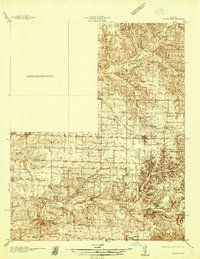 1937 Ozark1937 Print · USGSChristian and Greene Counties are captured here in the mid-1930s, showing a landscape of river-valley farms and small railroad towns. Genealogists can trace family names through dozens of rural landmarks like Roller Cemetery, Riverside Inn, and the Whiteoak Church.
 - 1943 Map of Ozark, 1968 Print
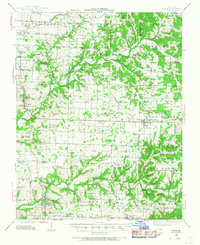 1943 Ozark1968 Print · USGSThe James River valley south of Springfield comes alive in the 1940s, showing a landscape defined by small settlements and the St Louis - San Francisco line. Genealogists can trace family roots at Holland Cem or locate old school sites like Blue Star Sch and Plummer Sch.
 - 1945 Map of Ozark
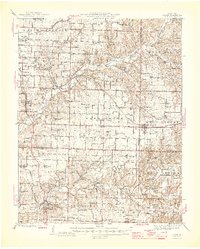 1945 Ozark1945 Print · USGSSouth of Springfield in the mid-1940s, this area shows a landscape transitioning from rural farmsteads to modern aviation hubs. Genealogists can trace family names at Holland Cem, Riverside Inn, and numerous school sites like Pedelo Sch.2 unique versions available
 - 1948 Map of Galloway
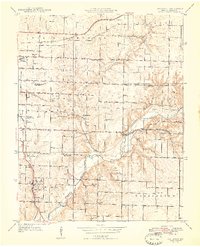 1948 Galloway1948 Print · USGSGreene County is shown here in the late 1940s as a landscape of rural schoolhouses and river crossings. Genealogists can trace family landmarks like Parsley Cem, Danforth Ch, and the historic railroad community of Galloway near Sequiota State Park.2 unique versions available
 - 1954 Map of Springfield
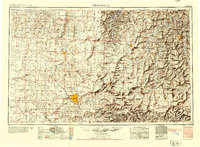 1954 Springfield1954 Print · USGSThe Missouri Ozarks are captured here during the post-war era, showing the expansion of Springfield and the surrounding river valleys. Genealogists and historians can trace local landmarks like Mount Comfort Cemetery and the Fort Leonard Wood military grounds.6 unique versions available
 - 1958 Map of Springfield
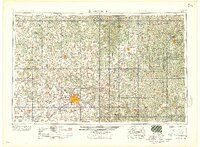 1958 Springfield1958 Print · USGSThe Missouri Ozarks are captured during the mid-century era of growth, centered on the bustling hub of Springfield. Genealogists and historians can trace family roots through numerous landmarks like Ebenezer Church, Stockton Cem, and the various county courthouses.
 - 1959 Map of Springfield
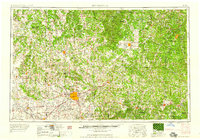 1959 Springfield1959 Print · USGSThe Missouri Ozarks are captured here during a decade of postwar growth and increasing highway connectivity. Researchers can trace the legacy of the St Louis-San Francisco RR and locate early sites in Springfield, Lebanon, and Mountain Grove.
 - 1960 Map of Galloway, 1961 Print
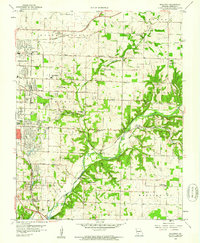 1960 Galloway1961 Print · USGSEastern Greene County at the dawn of the 1960s shows a mix of rural heritage and emerging city growth. Researchers can trace family roots through numerous landmarks like Kinser Chapel, the St Louis San Francisco railroad, and Bodenhamer Cem.4 unique versions available
 - 1982 Map of Springfield, 1983 Print
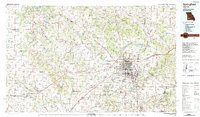 1982 Springfield1983 Print · USGSSpringfield and the surrounding Ozark plateau are captured in the early eighties as the region balanced urban growth with its agricultural roots. Genealogists and researchers can trace the locations of White Chapel, the State Sanatorium, and older rail stops like Brookline.
 - 1996 Map of Galloway, 2000 Print
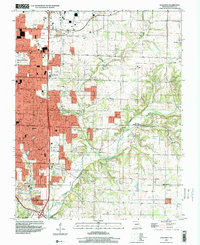 1996 Galloway2000 Print · USGSGreene County experiences significant suburban growth in the late nineties as development extends east from the city. Genealogists and historians can trace family-named sites like Kinser Chapel, locate the Flying Bar H Landing Strip, and follow the Burlington Northern railroad through Galloway.
 - 2011 Map of Galloway, 2011 Print
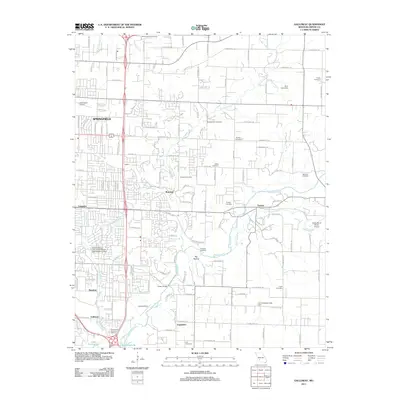 2011 Galloway2011 Print · USGSSpringfield and its eastern suburbs are captured here during a period of modern growth in Greene County. Genealogists and local historians can locate numerous burial sites like Webb Cemetery and McCraw Cemetery along the James River corridor.
 - 2015 Map of Galloway, 2015 Print
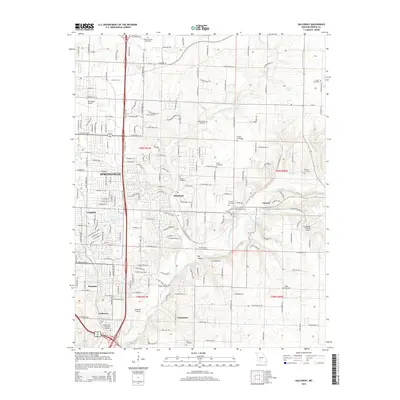 2015 Galloway2015 Print · USGSSpringfield and the James River valley are shown in the mid-2010s as the city expands eastward into the Missouri countryside. Genealogists and local historians can trace a dozen family burial grounds including Webb Cemetery and Logan Cemetery, alongside early airfield sites like Childress Airstrip.
 - 2017 Map of Galloway, 2017 Print
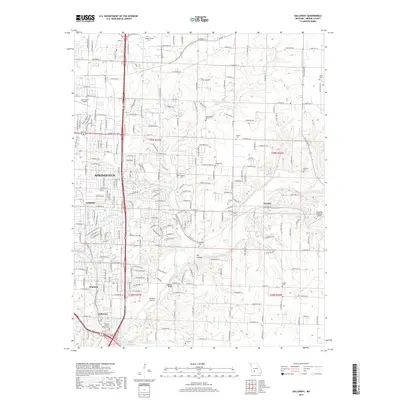 2017 Galloway2017 Print · USGSSpringfield and its eastern suburbs are shown in detail during a period of modern expansion in the Ozarks. Genealogists and local historians can trace family locations near numerous burial sites like Parsley Cem and Webb Cem, or follow the course of the BNSF Railway through Turners.
 - 2021 Map of Galloway, 2021 Print
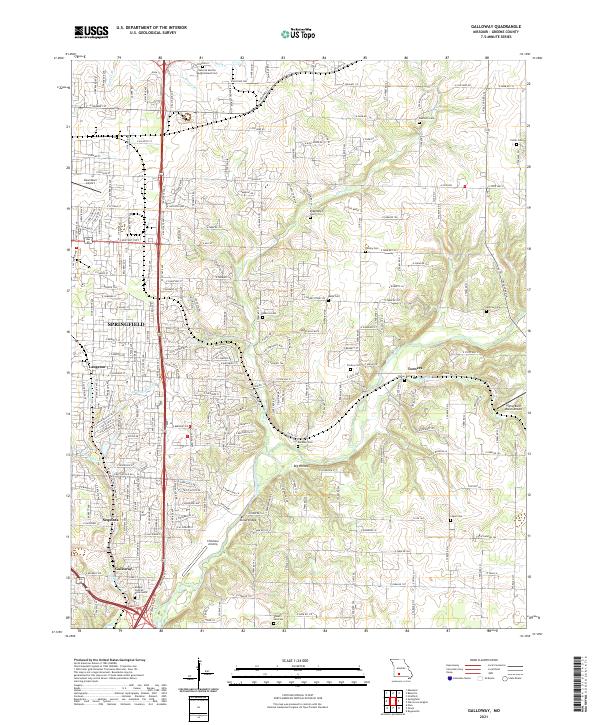 2021 Galloway2021 Print · USGSEastern Greene County at the start of the 2020s shows the continued integration of historic rural settlements into the expanding Springfield metro area. Researchers can locate numerous family burial sites like Danforth Cemetery and landmarks such as Kinser Bridge along the James River.
End of results
Showing maps 1-17 of 17
Top cities near Expansion
- Springfield historical maps
- Nixa historical maps
- Ozark historical maps
- Republic historical maps
- Willard historical maps
- Battlefield historical maps
See more
Frequently asked questions
- What are the different types of historical maps available for Expansion?
- What is the oldest map of Expansion?
- Where can I purchase historical maps of Expansion for my home or office?
- Where can I download high-res historical maps of Expansion?
- Are there historical topographic maps available for Expansion?
- Is there historical aerial imagery available for Expansion?
- Where are historical maps of Expansion sourced from?