Old Maps of Warrensburg, Missouri for Metal Detecting
Plan your next treasure hunt with 30 historic maps of Warrensburg. Find old homesites, ghost towns, trails, and gathering spots that may be lost to time — perfect for identifying promising metal detecting locations.
- Locate forgotten sites: Uncover places like long-lost settlements, abandoned rail lines, or gathering spots.
- Plan better hunts: Use map overlays combined with LiDAR or satellite views to narrow in on historically rich areas.
- Made for detectorists: Thousands of hobbyists use these maps to discover relics, coins, and hidden history.
Use these historic maps to boost your research and find new opportunities beneath the surface of Warrensburg.
Warrensburg, MO maps
(30)- 1885 Map of Warrensburg, 1954 Print
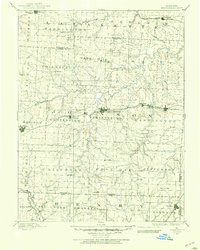 1885 Warrensburg1954 Print · USGSJohnson County and the surrounding Missouri prairie are captured here during the 1880s as the railroad era transformed the region. Researchers can trace the early footprints of settlements like Warrensburg, identify historic mines at Carbon Hill, and locate old landmarks like Iron Spring and Normal school.
 - 1887 Map of Warrensburg
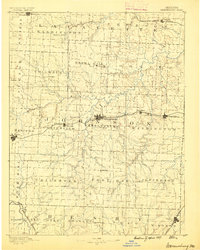 1887 Warrensburg1887 Print · USGSMissouri's central plains are captured here in the mid-1880s, documenting the vital rail corridor through Warrensburg and Knob Noster. Genealogists can trace early homesteads near Carbon Hill, Chilhowee, or the Iron Spring during a period of rapid agricultural growth.
 - 1894 Map of Warrensburg
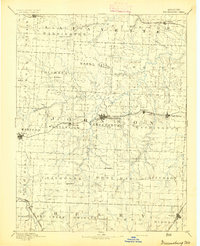 1894 Warrensburg1894 Print · USGSJohnson County was a burgeoning rail and coal hub in the 1890s, anchored by the growth of Warrensburg. Researchers can trace old family sites and transport routes through vanished mining points like Carbon Hill and rural stops such as Cornelia and Iron Spring.5 unique versions available
 - 1917 Map of Knobnoster
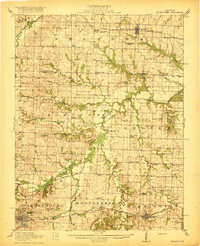 1917 Knobnoster1917 Print · USGSSettlement and education are deeply rooted in this early twentieth-century survey of Johnson County, Missouri. Genealogists can trace family school districts like Hepsidam School and Union Prairie School or locate early rail stops at Knobnoster and Montserrat.3 unique versions available
 - 1947 Map of Jefferson City, 1949 Print
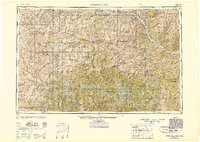 1947 Jefferson City1949 Print · USGSCentral Missouri and the northern Ozarks come into focus in this late 1940s survey of the river-and-rail landscape. Genealogists and historians can trace the growth of Jefferson City and Sedalia or locate family roots near Bagnell Dam and the Lake of the Ozarks.
 - 1954 Map of Jefferson City
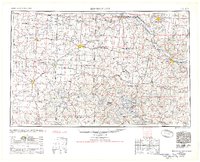 1954 Jefferson City1954 Print · USGSCentral Missouri in the early postwar years showcases a landscape defined by the winding Lake of the Ozarks and the state capital at Jefferson City. Researchers can trace the mid-century rail networks of the Missouri Pacific RR and locate rural communities like Tuscumbia, St Elizabeth, and St Anthony.2 unique versions available
 - 1954 Map of Centerview, 1955 Print
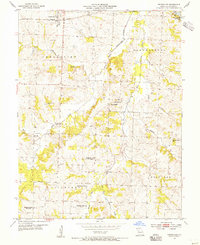 1954 Centerview1955 Print · USGSCenterview and the surrounding rural townships are captured here in the mid-1950s as a landscape of small schools and family farms. Local historians can trace the sites of Houts Chapel, Perile Springs, and several rural schools including the Glendale Sch.2 unique versions available
 - 1955 Map of Cornelia, 1956 Print
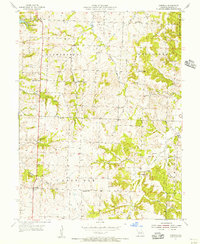 1955 Cornelia1956 Print · USGSJohnson County is captured here in the mid-1950s, showing a rural landscape of crossroads settlements and family farmsteads. Researchers can trace the locations of defunct country schools and churches like Valley Sch and Bethel Ch, or locate ancestral plots at Adams Memorial Cem.3 unique versions available
 - 1955 Map of Jefferson City, 1967 Print
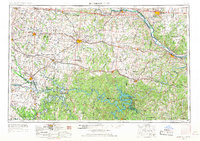 1955 Jefferson City1967 Print · USGSCentral Missouri in the mid-fifties is defined by the winding Missouri River and the expanding reach of Lake of the Ozarks. Researchers can trace the rail corridors of the Missouri Pacific or locate the early footprint of Whiteman AFB and Jefferson City.4 unique versions available
 - 1958 Map of Jefferson City
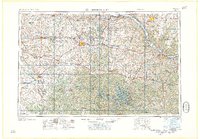 1958 Jefferson City1958 Print · USGSCentral Missouri in the late fifties shows a region transforming through the growth of Whiteman Air Force Base and the Lake of the Ozarks. Researchers can trace rail lines like the Missouri Pacific or find family roots at Enloe Cemetery and Mount Pleasant Cem.
 - 1959 Map of Jefferson City
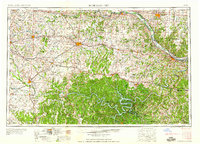 1959 Jefferson City1959 Print · USGSCentral Missouri is captured during the mid-fifties as the river economy and rail networks like the Missouri Pacific met the rise of the automobile. Local researchers can trace family landmarks and rural infrastructure from the Lake of the Ozarks up to Providence Cemetery and Knob Noster State Park.
 - 1962 Map of Warrensburg East, 1963 Print
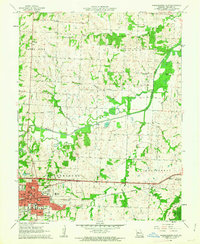 1962 Warrensburg East1963 Print · USGSWarrensburg and the Central Missouri State College campus are captured here in the early sixties as the city expanded east toward the Blackwater River. Researchers can locate family landmarks like Maxwell Cem or trace the rural landscape near Mt Zion Ch and Montserrat.2 unique versions available
 - 1962 Map of Warrensburg West, 1964 Print
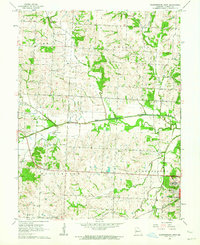 1962 Warrensburg West1964 Print · USGSMissouri's Johnson County rural townships come alive in the early sixties, showing the agricultural landscape between Centerview and Warrensburg. Genealogists can locate several local burial sites like Mount Maria Cem and landmarks like Jacoby Chapel near the Blackwater River.2 unique versions available
 - 1983 Map of Sedalia
 1983 Sedalia1983 Print · USGSWest Central Missouri's landscape in the early eighties shows a dense network of rail towns and riverside communities along the Blackwater River. Genealogists and historians can trace the development of Warrensburg and Sedalia near Whiteman Air Force Base and Knob Noster State Park.
 - 2011 Map of Warrensburg East, 2011 Print
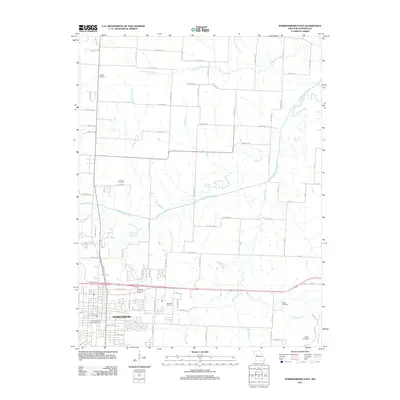 2011 Warrensburg East2011 Print · USGSThe eastern edge of Warrensburg meets the rural Missouri landscape in the early twenty-first century. Genealogists can trace family roots through numerous local burial sites including Liberty Cemetery, Maxwell Cemetery, and Adams Cemetery.
 - 2011 Map of Cornelia, 2011 Print
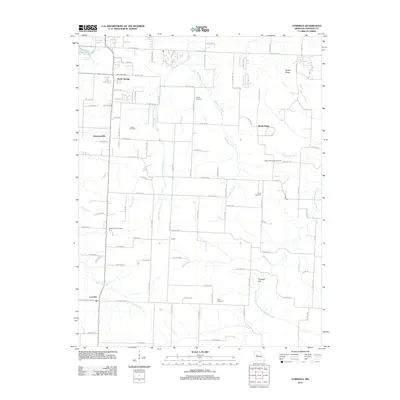 2011 Cornelia2011 Print · USGSJohnson County is documented here during the early 2010s, showing a rural landscape defined by its creek valleys and established crossroads. Researchers can trace the layout of historic settlements like Bristle Ridge and Cornelia alongside family cemeteries such as Fickas Cemetery and Jones Cemetery.
 - 2011 Map of Centerview, 2011 Print
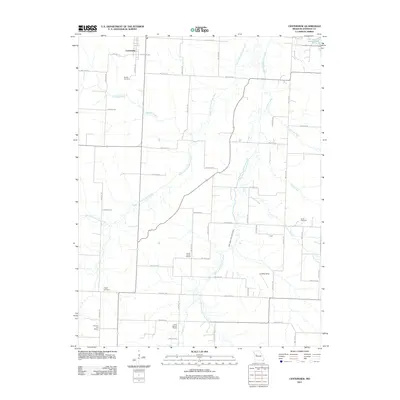 2011 Centerview2011 Print · USGSCenterview and the surrounding Johnson County countryside appear in clear detail during the early twenty-first century. Genealogists and local historians can pinpoint several rural school sites and family-named cemeteries including Sluder Cemetery, Science Hill School, and Greer Cemetery.
 - 2011 Map of Warrensburg West, 2011 Print
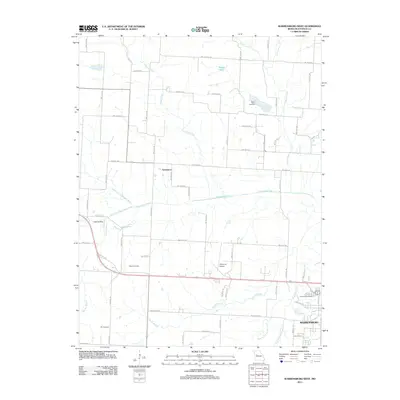 2011 Warrensburg West2011 Print · USGSThe western fringes of Warrensburg and the settlement of Greendoor are documented here during the early twenty-first century. Researchers can locate several family burial grounds including Houx and Dix, along with aviation sites like Skyhaven Airport.
 - 2014 Map of Cornelia, 2014 Print
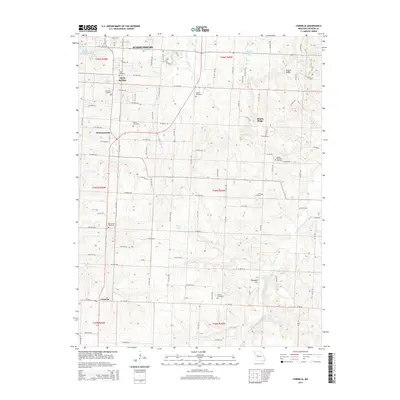 2014 Cornelia2014 Print · USGSThe rural landscape south of Warrensburg is captured here in the early 2010s, showing a region of family farms and historic creek crossings. Genealogists can locate several remote burial sites like Mount Zion Cemetery and Fickas Cemetery near the communities of Cornelia and Bowmansville.
 - 2014 Map of Warrensburg West, 2014 Print
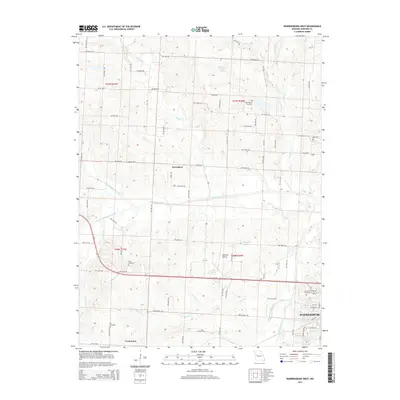 2014 Warrensburg West2014 Print · USGSWestern Johnson County during the mid-2010s reveals a transition from the growing outskirts of Warrensburg to the quiet rural landscape of Centerview. Researchers can trace the forks of the Blackwater River and locate family burial grounds like Dix Cemetery and Sunset Hill Cemetery.
 - 2014 Map of Warrensburg East, 2014 Print
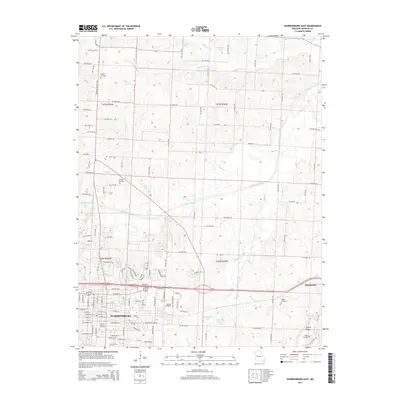 2014 Warrensburg East2014 Print · USGSWarrensburg and its college campus are captured here in the early twenty-first century as the city extends toward the Blackwater River valley. Researchers can pinpoint Univ of Central Missouri landmarks and trace rural family history at Granger Cemetery, Liberty Cemetery, and the settlement of Montserrat.
 - 2014 Map of Centerview, 2014 Print
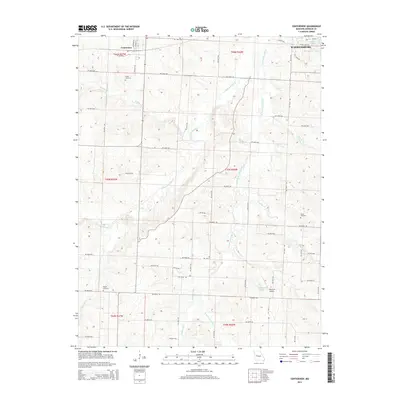 2014 Centerview2014 Print · USGSCenterview and the western outskirts of Warrensburg are captured here in the mid-2010s, showing a well-developed network of rural roads and creek valleys. Local historians can locate ancestral sites at Sluder Cemetery, Greer Cemetery, or near the waters of Easterwood Lake.
 - 2017 Map of Warrensburg West, 2017 Print
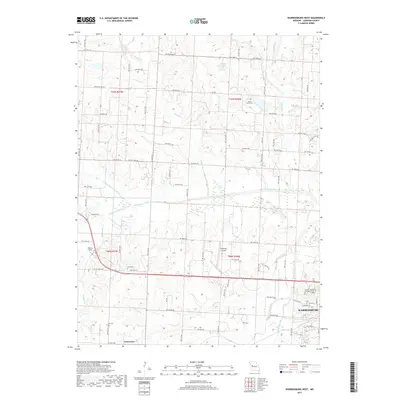 2017 Warrensburg West2017 Print · USGSWestern Johnson County at the edge of the city shows a landscape shaped by the Blackwater River and local aviation. Researchers can trace family sites at Sunset Hill Cem or Houx Cem and locate historic fields like Flecher Field near Centerview.
 - 2017 Map of Cornelia, 2017 Print
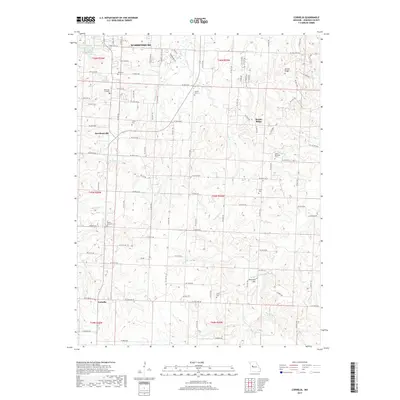 2017 Cornelia2017 Print · USGSSouth of Warrensburg in the 2010s, this Johnson County landscape is a detailed record of rural Missouri settlements and family lineages. Genealogists and local historians can locate several historic burial sites, including Mount Zion Cem, Roop Cem, and Greer Cem, alongside the small communities of Cornelia and Bowmansville.
 - 2017 Map of Centerview, 2017 Print
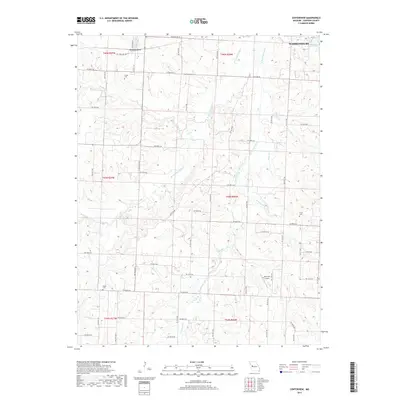 2017 Centerview2017 Print · USGSCenterview and the western outskirts of Warrensburg are captured here in the late twenty-tens, showing a landscape shaped by the Post Oak Creek watershed. Genealogists can locate several local burial sites, including Pisgah Cem and Greer Cem, while aviation enthusiasts can find the Short Air Airport.
Showing maps 1-25 of 30
Top cities near Warrensburg
- Odessa historical maps
- Windsor historical maps
- Knob Noster historical maps
- Concordia historical maps
- Leeton historical maps
- Chilhowee historical maps
See more
Top neighborhoods of Warrensburg
Frequently asked questions
- What are the different types of historical maps available for Warrensburg?
- What is the oldest map of Warrensburg?
- Where can I purchase historical maps of Warrensburg for my home or office?
- Where can I download high-res historical maps of Warrensburg?
- Are there historical topographic maps available for Warrensburg?
- Is there historical aerial imagery available for Warrensburg?
- Where are historical maps of Warrensburg sourced from?