Old Maps of Parkville, Missouri for Hiking & Exploration
Hike through history with 46 historic maps of Parkville. Explore old trails, ghost towns, and forgotten backroads — perfect for outdoor adventurers and local explorers.
- Rediscover forgotten places: Map out old mining camps, roads, and footpaths that no longer exist on modern maps.
- Layer with modern tools: Combine with LiDAR or satellite views to plan hikes through historical terrain.
- Made for exploration: Popular among hikers, overlanders, and local history lovers.
Use these maps to find adventure and explore the hidden past of Parkville.
Parkville, MO maps
(46)- 1890 Map of Kansas City
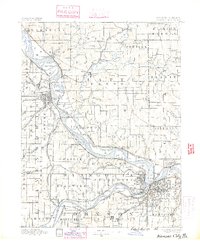 1890 Kansas City1890 Print · USGSThe Missouri River valley at the turn of the decade shows a booming rail-and-river economy centered on KANSAS CITY. Researchers can trace the early footprints of settlements like White Church, Lansing, and Smithville before modern expansion.2 unique versions available
 - 1894 Map of Kansas City
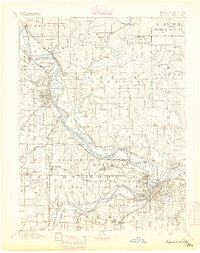 1894 Kansas City1894 Print · USGSThe Missouri River valley at the close of the nineteenth century was a bustling intersection of military life and frontier commerce. Genealogists can trace family roots through river towns like Weston and Parkville or locate early railroad hubs at Settles Station and Beverly Junction.14 unique versions available
 - 1910 Map of Leavenworth
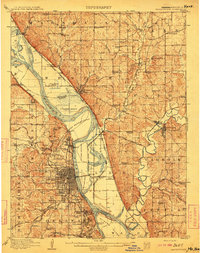 1910 Leavenworth1910 Print · USGSLeavenworth and the Missouri River borderlands are captured here during a period of significant military and institutional growth. Researchers can trace family sites among dozens of landmarks like Slabtown, the U S Penitentiary Reserve, and Kickapoo School.8 unique versions available
 - 1914 Map of Smithville
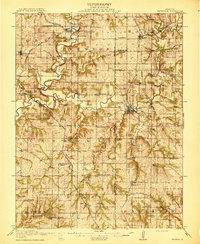 1914 Smithville1914 Print · USGSMissouri's northern river valleys are depicted here just before the Great War, showing a landscape of rail-dependent small towns and rural school districts. Genealogists can trace family footprints through numerous community landmarks like Paradise, Hixson Mill, and Mt. Zion School.4 unique versions available
 - 1934 Map of Bonner Springs
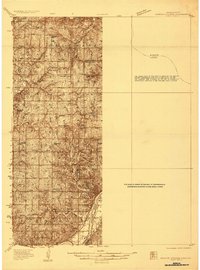 1934 Bonner Springs1934 Print · USGSLeavenworth and Wyandotte counties are shown in detail during the mid-1930s, capturing the rural landscape before post-war suburbanization. Researchers can trace family homesteads near Fairmount, Lansing, and local landmarks like Coal Ridge Sch or Hoge Sch.
 - 1934 Map of Wolcott
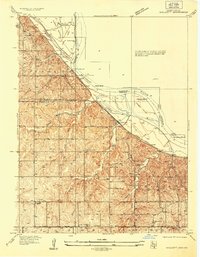 1934 Wolcott1934 Print · USGSThe Missouri River bottoms and the uplands of Wyandotte County appear here as they were in the mid-1930s. Researchers can trace the path of the Missouri Pacific RR and locate rural landmarks like White Church and the Kansas State Prison Camp No 2.
 - 1940 Map of Bonner Springs
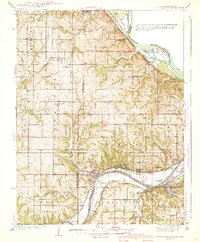 1940 Bonner Springs1940 Print · USGSThe Kansas and Missouri rivers converge near these busy rail corridors just before the Second World War. Researchers can trace rural life through dozens of named schools like Mission Sch and the community center at Elm Grove Community Hall.3 unique versions available
 - 1943 Map of Quindaro
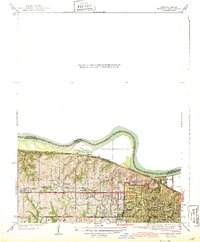 1943 Quindaro1943 Print · USGSThe Missouri-Kansas borderlands in the 1940s reveal a landscape of expanding schools and electric transit. Trace the routes of the Kansas City and Leavenworth Electric Road and find sites like Nearman Sch and Memorial Park Cemetery.
 - 1948 Map of Wolcott, 1954 Print
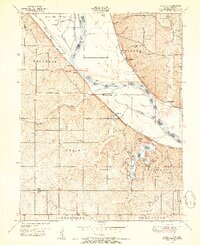 1948 Wolcott1954 Print · USGSThe Missouri River bottoms and Kansas uplands meet in the late 1940s, featuring a mix of prison farms, riverside towns, and new parklands. Genealogists can locate family names at Dunagan Cemetery or trace old school districts like Island Creek School and Center Point School.5 unique versions available
 - 1948 Map of Leavenworth, 1957 Print
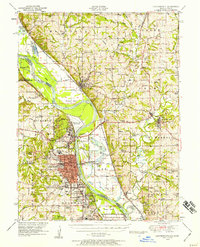 1948 Leavenworth1957 Print · USGSThe Missouri River corridor near Leavenworth and Weston was a vital hub of military and civic institutions in the late 1940s. Genealogists and historians can trace family roots at the Society of Sons of Death Cemetery or locate old schoolhouses like Coffin School and Hund School.4 unique versions available
 - 1948 Map of Parkville, 1959 Print
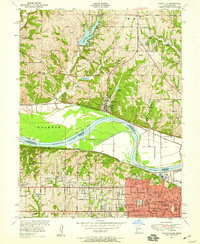 1948 Parkville1959 Print · USGSThe Missouri River state line near Parkville comes alive in the late 1940s as post-war suburban growth meets historic riverfront industry. Researchers can trace early family sites from St Marys Cemetery to the campus of Park College and the old Western University site.
 - 1950 Map of Kansas City
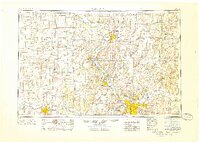 1950 Kansas City1950 Print · USGSMid-century Kansas and Missouri are captured here during a period of industrial growth and shifting transportation. Genealogists and historians can trace rail lines like the Wabash RR or locate ancestral homes near the Potawatomi Indian Reservation and Horton.
 - 1950 Map of Ferrelview
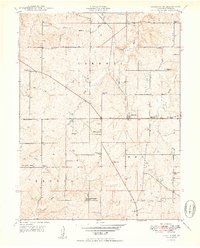 1950 Ferrelview1950 Print · USGSMid-century Platte County is captured here as a landscape of small farming communities and country schools. Genealogists can locate family-named landmarks like Waller Cemetery and Pancake Cemetery or trace the early foundations of Ferrelview and Linkville.2 unique versions available
 - 1950 Map of Platte City
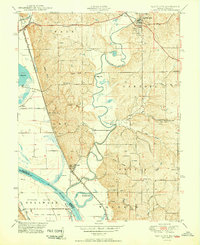 1950 Platte City1950 Print · USGSThe confluence of the Missouri and Platte Rivers at the mid-century reveals a landscape of fertile bottomlands and winding oxbows. Genealogists and historians can trace numerous rural sites like the Kansas State Penitentiary Farm, Hillsboro Church, and Hackberry School.2 unique versions available
 - 1950 Map of Smithville
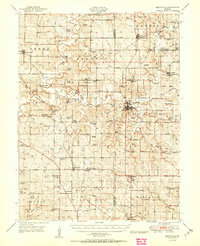 1950 Smithville1950 Print · USGSThe rural borderlands of Platte, Clay, and Clinton counties are shown here just after the war, defined by the winding Platte River and a network of small farm towns. Researchers can trace the locations of dozens of vanished schools and cemeteries, from the Masonic Cemetery to the South Gale School and the historic Covered Bridge.2 unique versions available
 - 1951 Map of Parkville
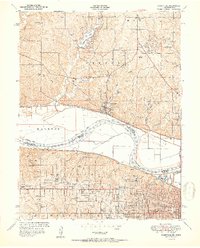 1951 Parkville1951 Print · USGSMid-century development straddles the Missouri River between Platte and Wyandotte counties as suburban growth reaches the river bluffs. Researchers can trace historic institutions like Park College and Western University alongside many local burial grounds like St Marys Cemetery.2 unique versions available
 - 1951 Map of Wolcott
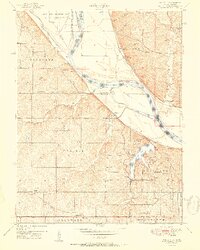 1951 Wolcott1951 Print · USGSThe Missouri River bottoms and Kansas bluffs come into focus in the early 1950s, showing a landscape of river bends and rural crossroads. Genealogists can trace family landmarks like the Dungan Cemetery or historic schools including Pleasant Ridge School and District No 45 School.
 - 1951 Map of Leavenworth
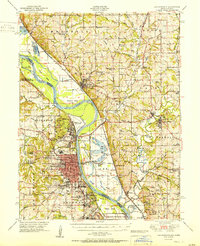 1951 Leavenworth1951 Print · USGSLeavenworth and the Missouri River borderlands are shown here in the early Cold War era, marked by significant federal and military installations. Trace the footprints of Fort Leavenworth, Sherman Air Force Base, and rural landmarks like the Fancy Bottoms School.2 unique versions available
 - 1954 Map of Kansas City
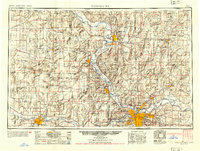 1954 Kansas City1954 Print · USGSThe Missouri-Kansas borderlands flourished in the post-war era as river commerce and rail networks converged at the Missouri River. Genealogists and historians can trace the foundations of Kansas City and smaller rural hubs like Hiawatha or Sabetha.
 - 1956 Map of Kansas City, 1967 Print
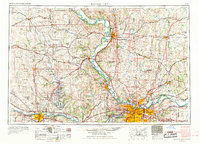 1956 Kansas City1967 Print · USGSThe Kansas-Missouri border region thrived during the mid-fifties, centered on the growing metropolitan cores and the busy river valleys. Researchers can trace the layout of significant government sites like Fort Leavenworth and the Lake City Army Ammunition Plant.4 unique versions available
 - 1960 Map of Kansas City
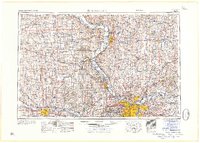 1960 Kansas City1960 Print · USGSMid-century Kansas and Missouri meet at the river forks, showing a sprawling rail-and-river economy during the 1950s growth era. Genealogists and researchers can trace tribal lands like the Kickapoo Indian Reservation or follow the early interstate corridors through Saint Joseph and Independence.3 unique versions available
 - 1961 Map of Platte City, 1962 Print
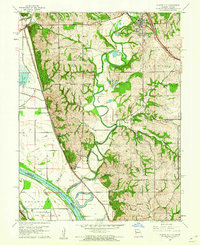 1961 Platte City1962 Print · USGSThe Missouri-Kansas borderlands in the early sixties reveal a landscape of river bends and railroad towns. Genealogists and historians can trace family-named sites like Jewett Cem or visit the rural Hickory Grove Ch and the Kansas State Penitentiary Farm.4 unique versions available
 - 1961 Map of Ferrelview, 1962 Print
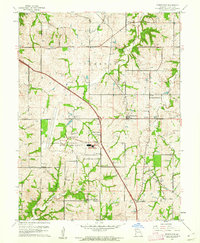 1961 Ferrelview1962 Print · USGSPlatte County was undergoing a major transformation in the early sixties as the city boundary expanded and aviation infrastructure took root. Researchers can trace the footprints of old rural communities like Linkville and Hoover alongside family landmarks like Pancake Cem and East Platte Sch.3 unique versions available
 - 1964 Map of Parkville, 1965 Print
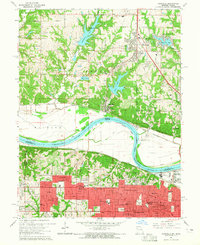 1964 Parkville1965 Print · USGSThe Missouri-Kansas borderlands come alive in the mid-sixties, showing the growth of Kansas City against the bluffs of Parkville. Researchers can trace old family sites at Nolan Cem and Sailor Cem or explore the early layout of Brenner Heights.8 unique versions available
 - 1983 Map of Kansas City
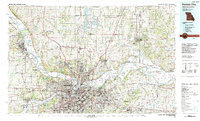 1983 Kansas City1983 Print · USGSThe Missouri-Kansas borderlands reached a peak of suburban and industrial connectivity by the early eighties. Researchers can trace established neighborhoods and major landmarks like the Fort Leavenworth Military Reservation, Swope Park, and the U.S. Army Ammunition Plant.
Showing maps 1-25 of 46
Top cities near Parkville
- Kansas City historical maps
- Overland Park historical maps
- Kansas City historical maps
- Olathe historical maps
- Shawnee historical maps
- Lenexa historical maps
See more
Frequently asked questions
- What are the different types of historical maps available for Parkville?
- What is the oldest map of Parkville?
- Where can I purchase historical maps of Parkville for my home or office?
- Where can I download high-res historical maps of Parkville?
- Are there historical topographic maps available for Parkville?
- Is there historical aerial imagery available for Parkville?
- Where are historical maps of Parkville sourced from?