Old Maps of De Lassus, Missouri for Hiking & Exploration
Hike through history with 19 historic maps of De Lassus. Explore old trails, ghost towns, and forgotten backroads — perfect for outdoor adventurers and local explorers.
- Rediscover forgotten places: Map out old mining camps, roads, and footpaths that no longer exist on modern maps.
- Layer with modern tools: Combine with LiDAR or satellite views to plan hikes through historical terrain.
- Made for exploration: Popular among hikers, overlanders, and local history lovers.
Use these maps to find adventure and explore the hidden past of De Lassus.
De Lassus, MO maps
(19)- 1904 Map of Farmington, 1954 Print
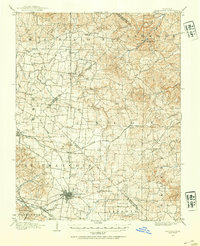 1904 Farmington1954 Print · USGSFarmington and the surrounding St. Francois County area are shown at a peak of early rail development at the turn of the century. Genealogists and historians can trace old wagon routes like Plank Road or locate vanished sites like Valley Forge and Thurman.2 unique versions available
 - 1906 Map of Farmington
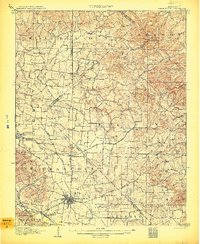 1906 Farmington1906 Print · USGSFarmington and the surrounding Ozark foothills are captured here during a pivotal era of railroad expansion and rural settlement. Genealogists and historians can trace defunct rail lines like the Illinois Southern Ry. and locate family landmarks in French Village or Valley Forge.2 unique versions available
 - 1949 Map of Rolla, 1950 Print
 1949 Rolla1950 Print · USGSThe Missouri Ozarks are captured here just after the war, showing a landscape of deep river valleys and emerging reservoir projects. Genealogists and historians can trace the mining towns of Bonne Terre and Potosi or follow the early route of U.S. Highway 66.
 - 1953 Map of Rolla
 1953 Rolla1953 Print · USGSSoutheast Missouri’s mining towns and timberlands are seen here at the start of the 1950s. Genealogists and historians can trace the rail-and-river economy through local hubs like Fredericktown and the lead-mining heritage of Potosi and Desloge.
 - 1954 Map of Rolla, 1970 Print
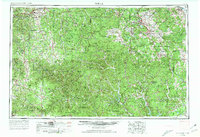 1954 Rolla1970 Print · USGSThe Missouri Ozarks and the historic Lead Belt are captured in the late sixties, showing a landscape of deep river hollows and industrial mines. Researchers can trace the routes of the Missouri Pacific RR to extraction sites like the Iron Mountain Mine or Pea Ridge Mine.2 unique versions available
 - 1958 Map of Rolla
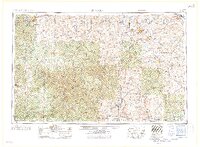 1958 Rolla1958 Print · USGSThe Missouri Ozarks and the lead-rich hills of the southeast are captured here in the late fifties as timber and mining shaped the local economy. Researchers can locate family landmarks like the Rolla Cemetery or trace old rail lines including the Missouri-Illinois RR and St Louis-San Francisco RR.
 - 1959 Map of Rolla
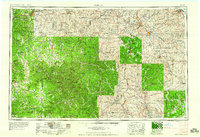 1959 Rolla1959 Print · USGSMid-century Missouri is defined here by the deep forests of the Ozarks and the industrial peaks of the St Francois Mountains. Genealogists and historians can trace the development of towns like Potosi and Fredericktown or locate rural landmarks like Dry Fork Church and the Phelps County Courthouse.
 - 1960 Map of Rolla
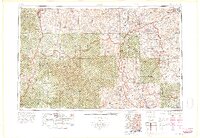 1960 Rolla1960 Print · USGSThe Ozark Highlands in the mid-twentieth century reveal a landscape of deep timber and heavy industry. Researchers can trace the rail-and-mine economy through the St Louis-San Francisco RR and the Iron Mountain Mine, alongside the growth of Fort Leonard Wood.
 - 1964 Map of Farmington, 1965 Print
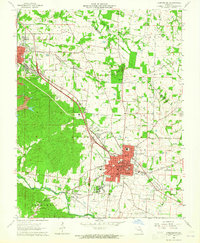 1964 Farmington1965 Print · USGSMid-century St. Francois County reveals a bustling regional hub centered on the city of Farmington. Researchers can trace old family lines through over a dozen rural burial grounds like Barton Cem or locate industrial sites such as Mine No 10 and the Missouri Pacific rail corridor.3 unique versions available
 - 1966 Map of Rolla
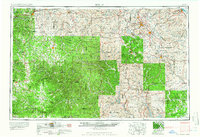 1966 Rolla1966 Print · USGSThe Missouri Ozarks are revealed here in the mid-1960s, showing the intersection of heavy industry and sprawling national forests. Trace the development of the Lead Belt near Flat River or locate family roots in vanished hamlets like Enough and Howes Mill.
 - 1971 Map of Rolla
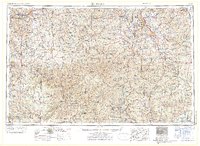 1971 Rolla1971 Print · USGSThe Missouri Ozarks are captured here during the early seventies, showing a landscape of deep river valleys and industrial mining towns. Researchers can trace historic lead mining operations at St Joseph Mines and locate rural landmarks like Viburnum and the Galveston Trail.
 - 1986 Map of Farmington
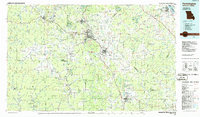 1986 Farmington1986 Print · USGSThe Missouri Lead Belt and the eastern Ozarks are detailed here in the mid-1980s, showcasing a landscape of intensive mining and deep forest. Researchers can trace the Missouri Pacific RR line through industrial centers like Bonne Terre and Flat River, or locate remote landmarks like Elephant Rocks.
 - 1987 Map of Farmington
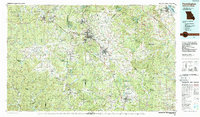 1987 Farmington1987 Print · USGSThe St. Francois Mountains and Missouri Lead Belt are shown in the late eighties as industry and conservation converged. Researchers can trace the rail lines of the Missouri Pacific and locate historic mining sites like Mine La Motte and the Iron Mountain Mine.
 - 1989 Map of Rolla
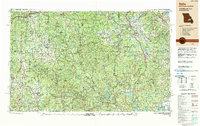 1989 Rolla1989 Print · USGSThe Missouri Ozarks are captured in the late eighties as a landscape of national forests and historic mining towns. Researchers can trace the rail lines of the Missouri Pacific RR or locate landmarks like Taum Sauk Mtn and Elephant Rocks State Park.
 - 2011 Map of Farmington, 2011 Print
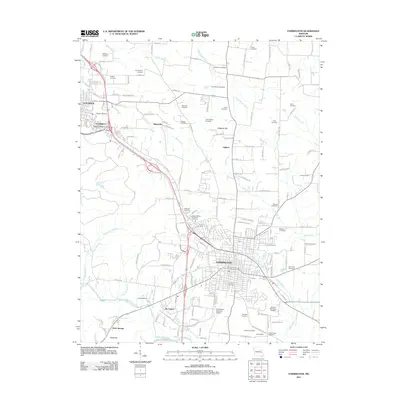 2011 Farmington2011 Print · USGSFarmington and its surrounding townships are shown here in the early twenty-first century as the region balanced its urban center with deep-rooted rural lineages. Genealogists can trace family connections through over twenty named burial grounds, including Cunningham Cemetery, Haile Cemetery, and the Hillview Memorial Gardens.
 - 2015 Map of Farmington, 2015 Print
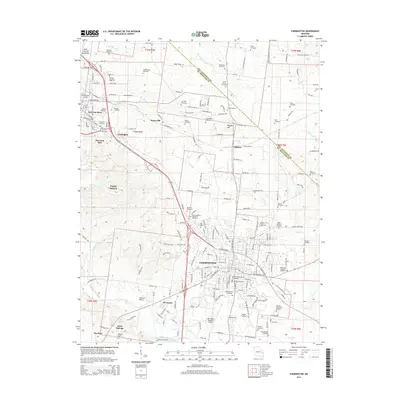 2015 Farmington2015 Print · USGSFarmington and the surrounding mining district are captured here in the mid-2010s as the region transitioned from its industrial roots. Genealogists can trace family heritage across a dozen burial sites, including Oaklawn Cemetery, Cunningham Cemetery, and the Zolman Cemetery.
 - 2017 Map of Farmington, 2017 Print
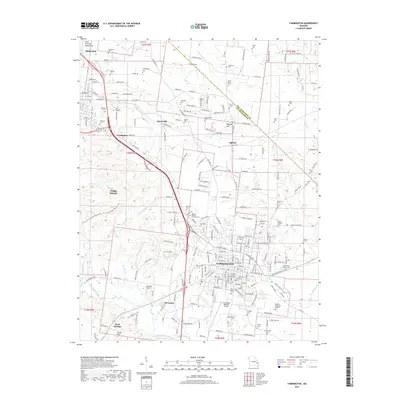 2017 Farmington2017 Print · USGSFarmington and the surrounding Saint Francois County communities are shown in great detail during the late twenty-tens. Genealogists can trace family sites at the Negro Masonic Cem, Mattie Roberts Memorial Cem, or the Mineral Area Coll campus.
 - 2021 Map of Farmington, 2021 Print
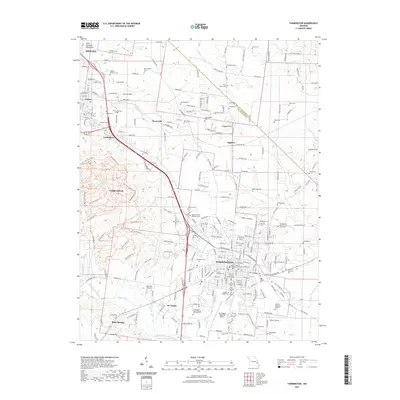 2021 Farmington2021 Print · USGSFarmington and the surrounding Saint Francois County hills are shown in detail during the early 2020s. Researchers can locate numerous local landmarks like the Saint Francois County Courthouse, the Lakeside Airport, and the De Lassus settlement.
 - 2023 Map of Farmington, 2023 Print
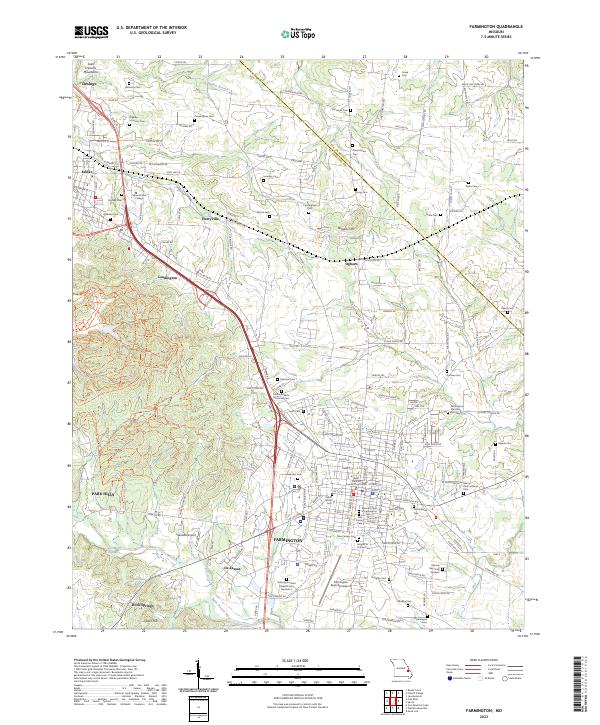 2023 Farmington2023 Print · USGSSoutheast Missouri's lead belt region is shown here in the 2020s, centered on the civic and institutional heart of Farmington. Researchers can trace dozens of family and fraternal burial sites, including the Knights of Pythias Cem and Highley-McHenry Cem, alongside Mineral Area College.
End of results
Showing maps 1-19 of 19
Top cities near De Lassus
- Farmington historical maps
- Park Hills historical maps
- Bonne Terre historical maps
- Desloge historical maps
- Fredericktown historical maps
- Bismarck historical maps
See more
Frequently asked questions
- What are the different types of historical maps available for De Lassus?
- What is the oldest map of De Lassus?
- Where can I purchase historical maps of De Lassus for my home or office?
- Where can I download high-res historical maps of De Lassus?
- Are there historical topographic maps available for De Lassus?
- Is there historical aerial imagery available for De Lassus?
- Where are historical maps of De Lassus sourced from?