Old Maps of Ste. Genevieve County, Missouri for Hiking & Exploration
Hike through history with 143 historic maps of Ste. Genevieve County. Explore old trails, ghost towns, and forgotten backroads — perfect for outdoor adventurers and local explorers.
- Rediscover forgotten places: Map out old mining camps, roads, and footpaths that no longer exist on modern maps.
- Layer with modern tools: Combine with LiDAR or satellite views to plan hikes through historical terrain.
- Made for exploration: Popular among hikers, overlanders, and local history lovers.
Use these maps to find adventure and explore the hidden past of Ste. Genevieve County.
Ste. Genevieve County, MO maps
(143)- 1904 Map of Farmington, 1954 Print
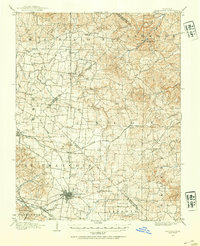 1904 Farmington1954 Print · USGSFarmington and the surrounding St. Francois County area are shown at a peak of early rail development at the turn of the century. Genealogists and historians can trace old wagon routes like Plank Road or locate vanished sites like Valley Forge and Thurman.2 unique versions available
 - 1906 Map of Farmington
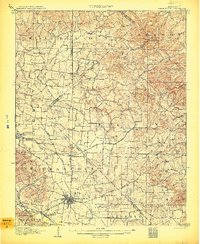 1906 Farmington1906 Print · USGSFarmington and the surrounding Ozark foothills are captured here during a pivotal era of railroad expansion and rural settlement. Genealogists and historians can trace defunct rail lines like the Illinois Southern Ry. and locate family landmarks in French Village or Valley Forge.2 unique versions available
 - 1907 Map of Weingarten, 1961 Print
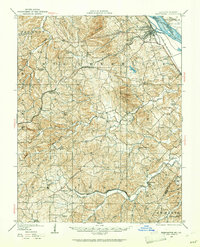 1907 Weingarten1961 Print · USGSSte. Genevieve County at the start of the twentieth century shows a landscape of riverfront commerce and interior mining. Trace family roots at New Offenburg or locate the old Copper Mine and rural landmarks like the Burns School.2 unique versions available
 - 1909 Map of Weingarten
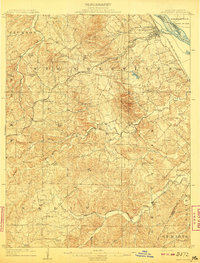 1909 Weingarten1909 Print · USGSSoutheast Missouri at the dawn of the twentieth century shows a network of river towns and rail-connected hamlets. Genealogists can trace family land near Ste Genevieve and locate vanished landmarks like the Copper Mine or the Pine Valley School.3 unique versions available
 - 1910 Map of Higdon
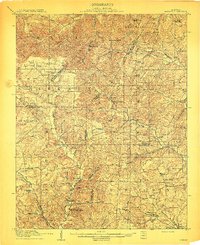 1910 Higdon1910 Print · USGSThe Missouri Ozarks are captured here at the turn of the century as a landscape of mills and mountain hollows. Genealogists can trace family roots through numerous remote landmarks like Nations Mill, Bandenstistle School, and Spring Valley Church.2 unique versions available
 - 1915 Map of Renault
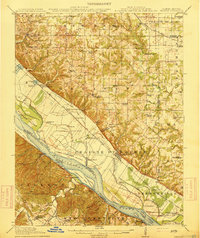 1915 Renault1915 Print · USGSThe Illinois river bluffs and the American Bottom appear here in the early twentieth century as a landscape of thriving rail-side villages and rural schools. You can trace early family sites like Stuptown Church, the historic Ruma Convent, and landings at Prairie du Rocher.4 unique versions available
 - 1915 Map of Chester
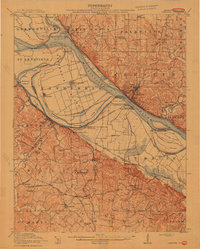 1915 Chester1915 Print · USGSThe Mississippi River bottoms and the bluffs of Illinois meet here just before the Great War. Genealogists can trace family footprints across dozens of local schoolhouses like Walnut Ridge School and vanished river landings such as Okaw Ldg.5 unique versions available
 - 1915 Map of Crystal City
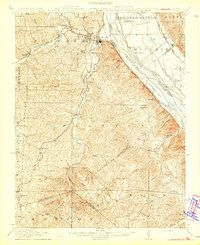 1915 Crystal City1915 Print · USGSThe Missouri-Illinois riverfront comes alive in this early 1900s survey of the industrial corridor between Crystal City and VALLES MINES. Researchers can trace the path of the St Louis and San Francisco railroad and locate old community centers like Rush Tower or the Telegraph School.4 unique versions available
 - 1939 Map of Fredericktown
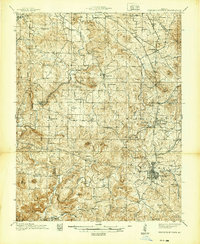 1939 Fredericktown1939 Print · USGSMadison County's mineral heart comes alive in this late 1930s survey of the Missouri Ozarks. Genealogists and historians can trace old homesteads and mining districts like Mine La Motte, the Catherine Mines, and the rural community of Slabtown.
 - 1940 Map of Renault, 1955 Print
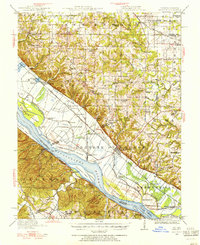 1940 Renault1955 Print · USGSThe Illinois-Missouri borderlands come to life in the 1940s, highlighting the river-driven economy and rural community structure of the Mississippi valley. Genealogists can trace family footprints through dozens of local landmarks, from the Ruma Convent to historic schoolhouses like Yankeetown School and Foster School.2 unique versions available
 - 1947 Map of Chester
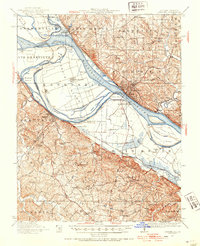 1947 Chester1947 Print · USGSThe Illinois-Missouri borderlands are captured here in the mid-forties, showing the shifted course of the river and the isolated Kaskaskia Island. Researchers can trace old river landings and rural schoolhouses like Okaw Ldg, Cain Hill School, and the site of Old Kaskaskia.3 unique versions available
 - 1947 Map of Fredericktown, 1970 Print
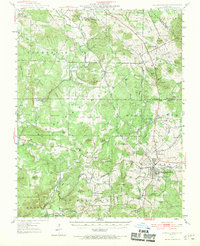 1947 Fredericktown1970 Print · USGSMadison and St. Francois counties are shown here in the mid-1940s during the height of the regional lead-mining boom. Researchers can trace family roots through numerous remote hill schools like Brightstone Sch or locate historic industrial sites such as the Catherine Mines and St Joseph Lead Mines.
 - 1949 Map of Saint Louis
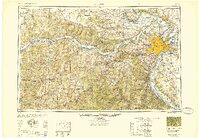 1949 Saint Louis1949 Print · USGSGreater St. Louis and its surrounding river valleys are captured here just after the war, showing the metropolitan core and the rural Ozark fringe. Researchers can trace the sprawling rail network of the Wabash RR or locate landmarks like Meramec Caverns Airport and Scott Air Force Base.2 unique versions available
 - 1949 Map of Paducah
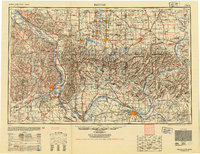 1949 Paducah1949 Print · USGSThe confluence of the Ohio, Mississippi, Tennessee, and Cumberland rivers at the close of the 1940s reveals a region bound by water and rail. Researchers can trace historic river landings, timberlands in the Shawnee National Forest, and the coal-mining infrastructure around West Frankfort and Herrin.2 unique versions available
 - 1949 Map of Rolla, 1950 Print
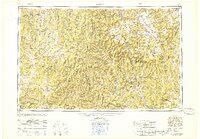 1949 Rolla1950 Print · USGSThe Missouri Ozarks are captured here just after the war, showing a landscape of deep river valleys and emerging reservoir projects. Genealogists and historians can trace the mining towns of Bonne Terre and Potosi or follow the early route of U.S. Highway 66.
 - 1949 Map of Crystal City, 1959 Print
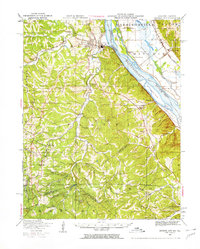 1949 Crystal City1959 Print · USGSThe Mississippi River valley comes alive in the late 1940s, showing the industrial pulse of Festus and the rural reaches of Jefferson County. Genealogists can locate numerous vanished landmarks like the Telegraph School, Valle Mines, and the Rush Tower river landing.2 unique versions available
 - 1950 Map of Paducah
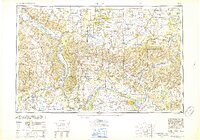 1950 Paducah1950 Print · USGSThe confluence of the great midwestern rivers defines this mid-century landscape at the intersection of Illinois, Kentucky, and Missouri. Genealogists and historians can trace the rail-and-river economy through the hubs of Paducah, Cairo, and Metropolis or locate family roots near the Wildcat Hills.
 - 1950 Map of Fredericktown
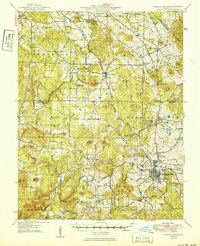 1950 Fredericktown1950 Print · USGSFredericktown and the surrounding mineral-rich hills are shown here just after the war, when mining and rail travel still anchored the local economy. Researchers can locate vanished rural schoolhouses like Brightstone Sch and trace the rail lines serving the Catherine Mines and Park City Mines.2 unique versions available
 - 1953 Map of Rolla
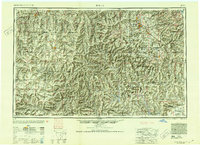 1953 Rolla1953 Print · USGSSoutheast Missouri’s mining towns and timberlands are seen here at the start of the 1950s. Genealogists and historians can trace the rail-and-river economy through local hubs like Fredericktown and the lead-mining heritage of Potosi and Desloge.
 - 1954 Map of Paducah
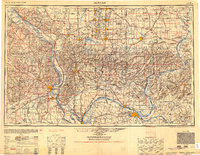 1954 Paducah1954 Print · USGSSouthern Illinois and Western Kentucky intersect at the great river confluences during this mid-century era of rail and river industry. Genealogists and historians can trace family roots and commerce through river towns like Cairo, Metropolis, and Golconda, or along the tracks of the Illinois Central Railroad.2 unique versions available
 - 1954 Map of Rolla, 1970 Print
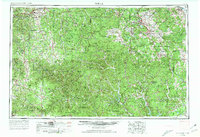 1954 Rolla1970 Print · USGSThe Missouri Ozarks and the historic Lead Belt are captured in the late sixties, showing a landscape of deep river hollows and industrial mines. Researchers can trace the routes of the Missouri Pacific RR to extraction sites like the Iron Mountain Mine or Pea Ridge Mine.2 unique versions available
 - 1958 Map of Rolla
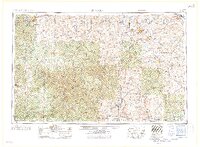 1958 Rolla1958 Print · USGSThe Missouri Ozarks and the lead-rich hills of the southeast are captured here in the late fifties as timber and mining shaped the local economy. Researchers can locate family landmarks like the Rolla Cemetery or trace old rail lines including the Missouri-Illinois RR and St Louis-San Francisco RR.
 - 1959 Map of Rolla
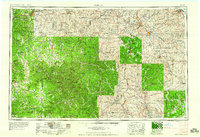 1959 Rolla1959 Print · USGSMid-century Missouri is defined here by the deep forests of the Ozarks and the industrial peaks of the St Francois Mountains. Genealogists and historians can trace the development of towns like Potosi and Fredericktown or locate rural landmarks like Dry Fork Church and the Phelps County Courthouse.
 - 1959 Map of Parker Lake, 1960 Print
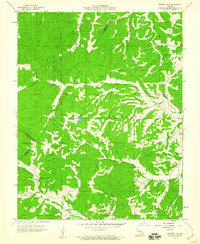 1959 Parker Lake1960 Print · USGSPerry County and the surrounding Ozark hills are captured here in the late fifties, showing a landscape of forest ridges and creek-bottom homesteads. Genealogists can trace family footprints near Baudendistel Sch, Whitewater Ch, and Parker Lake.3 unique versions available
 - 1959 Map of Higdon, 1960 Print
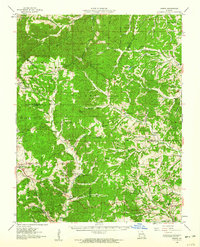 1959 Higdon1960 Print · USGSThe rural borderlands of Madison, Perry, and Bollinger counties are captured here in the late fifties, defined by the winding Castor River and Whitewater River. Genealogists and historians can locate old mill sites like Hahns Mill, numerous country schools including Walnut Grove Sch, and family burial grounds like Underwood Cem.2 unique versions available
Showing maps 1-25 of 143
Top cities of Ste. Genevieve County
Frequently asked questions
- What are the different types of historical maps available for Ste. Genevieve County?
- What is the oldest map of Ste. Genevieve County?
- Where can I purchase historical maps of Ste. Genevieve County for my home or office?
- Where can I download high-res historical maps of Ste. Genevieve County?
- Are there historical topographic maps available for Ste. Genevieve County?
- Is there historical aerial imagery available for Ste. Genevieve County?
- Where are historical maps of Ste. Genevieve County sourced from?