Old Maps of Muddy District, Montana for Academic Research
Study the evolution of Muddy District with 71 high-resolution historic maps. Whether you're teaching, researching, or modeling changes in land use, these maps provide essential visual documentation of urban, environmental, and geographic change.
- Analyze long-term change: Track patterns in development, transportation, and natural features.
- Ideal for environmental or urban studies: Support academic projects with primary historical map data.
- Use in the classroom or lab: Educators and researchers rely on these maps to bring historical context to life.
These maps are a powerful tool for teaching, research, and visualizing how Muddy District has changed over the decades.
Muddy District, MT maps
(71)- 1954 Map of Hardin, 1964 Print
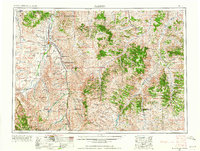 1954 Hardin1964 Print · USGSSoutheastern Montana is documented here during the mid-fifties, showing the vast tribal lands and historic battle sites before modern highway expansion. Researchers can trace the Chicago Burlington and Quincy rail line through Hardin or locate the Custer National Cemetery and Museum.2 unique versions available
 - 1957 Map of Hardin
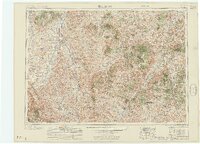 1957 Hardin1957 Print · USGSSoutheastern Montana in the mid-fifties reveals a landscape shaped by tribal lands and the historic Bighorn river valleys. Researchers can trace the Chicago Burlington and Quincy RR through Hardin and locate the National Cemetery and Custer Battlefield Monument.
 - 1958 Map of Hardin
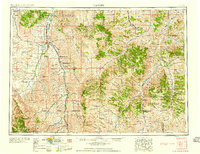 1958 Hardin1958 Print · USGSSoutheastern Montana in the mid-fifties presents a landscape defined by significant tribal lands and national monuments. Researchers can trace the geography of the Little Bighorn at Custer Battlefield National Monument and locate settlements like Lame Deer and Birney.
 - 1958 Map of Chalky Point, 1960 Print
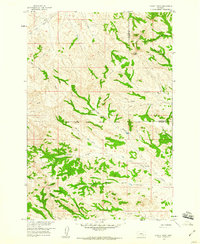 1958 Chalky Point1960 Print · USGSBig Horn and Rosebud counties are captured in the late fifties, dominated by the ridge-lines of the Little Wolf Mountains. Researchers can trace the Northern Cheyenne Indian Reservation Boundary and map old water sources like Williams Spring and Water Hole Creek.
 - 1958 Map of Painted Hill, 1960 Print
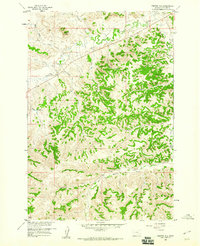 1958 Painted Hill1960 Print · USGSBig Horn County's high-plateau drainages are meticulously detailed in the late fifties as ranching and water management shaped the land. Researchers can trace remote routes like the Jeep Trail system connecting Two Moon Reservoir, Muddy Springs, and Painted Hill.2 unique versions available
 - 1958 Map of Bull Creek Lookout, 1960 Print
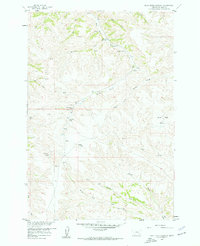 1958 Bull Creek Lookout1960 Print · USGSBig Horn County ranching and rugged drainages are captured here in the late fifties. Researchers can trace remote water sources and early access routes near Bull Creek Lookout, Brown Camp, and the distinctive Hardrobe Water Gap.2 unique versions available
 - 1958 Map of Jimtown, 1960 Print
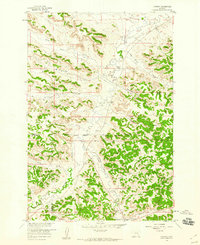 1958 Jimtown1960 Print · USGSThe Northern Cheyenne Indian Reservation boundary and the ranching country of Rosebud County are detailed here in the late fifties. Researchers can trace family sites like McKay Ranch, the settlement of Jimtown, and local landmarks including a Sawmill and Cem.2 unique versions available
 - 1958 Map of Black Spring, 1960 Print
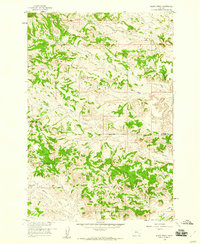 1958 Black Spring1960 Print · USGSSoutheastern Montana during the late fifties shows a landscape defined by the Northern Cheyenne Indian Reservation Boundary. Researchers can trace old routes and water sources like the Jeep Trails and Indian Coulee Spring.2 unique versions available
 - 1958 Map of Busby, 1960 Print
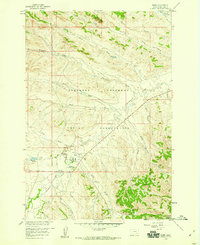 1958 Busby1960 Print · USGSBig Horn County comes into focus during the late fifties, centered on the community of Busby within the Northern Cheyenne Indian Reservation. Genealogists and historians can locate the Busby Boarding Sch, the Historical Monument (Indian Chief Two Moons), and family sites near Rosebud Creek.3 unique versions available
 - 1958 Map of Birdseye Spring, 1960 Print
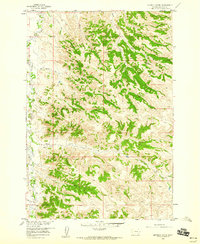 1958 Birdseye Spring1960 Print · USGSBig Horn County ranch lands are documented here in the late fifties, showing the rural drainage systems of the Missouri River Basin. Genealogists and researchers can trace local landmarks like Birdseye Spring, Rosebud Creek, and Skunk Creek.2 unique versions available
 - 1958 Map of Lame Deer, 1960 Print
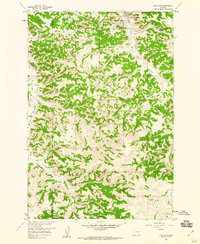 1958 Lame Deer1960 Print · USGSLame Deer and the surrounding gulches of the Northern Cheyenne Indian Reservation are captured here in the late fifties. Genealogists and historians can trace family locations and early rural outposts like Harris Ranch, the Lame Deer Sch, and the Bixby Ranch.3 unique versions available
 - 1967 Map of Cook Creek Butte, 1971 Print
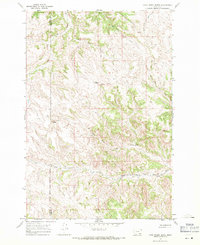 1967 Cook Creek Butte1971 Print · USGSThe Northern Cheyenne Indian Reservation in the late sixties reveals a landscape of high ridges and vital water sources. Genealogists and historians can locate the Big Horn Co Rosebud Co line and landmarks like Cook Creek Butte or the Buffalo Jump.2 unique versions available
 - 1967 Map of Taintor Desert, 1971 Print
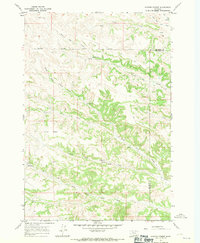 1967 Taintor Desert1971 Print · USGSThe high plains of Big Horn and Rosebud counties are captured here in the late sixties, where the Northern Cheyenne Indian Reservation Boundary meets the Taintor Desert. Researchers can trace isolated outposts like Jordan Ranch, Brewster Camp, and Hosford Camp.
 - 1967 Map of Birney SW, 1971 Print
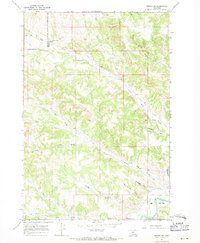 1967 Birney SW1971 Print · USGSRosebud and Big Horn Counties are shown in the late sixties at the boundary of the Northern Cheyenne Indian Reservation. Researchers can trace land use along the Tongue River and locate isolated sites like Brewster Camp and the 4 D Ranch.2 unique versions available
 - 1980 Map of Lame Deer
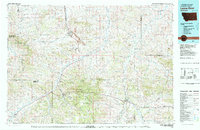 1980 Lame Deer1980 Print · USGSHigh plains ranching and coal mining define this corner of Montana as the eighties began. Researchers can trace the rail lines of the Burlington Northern and locate sites like Colstrip, Jimtown, and the Big Sky Strip Mine.
 - 1980 Map of Birney
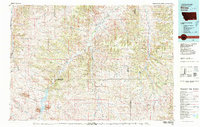 1980 Birney1980 Print · USGSSoutheastern Montana enters a period of intensive energy development in the early 1980s as coal mines expand across the Big Horn County line. Researchers can trace the industrial footprints of the Spring Creek Mine and West Decker Mine or locate rural landmarks like the Birney Day School.
 - 2011 Map of Black Spring, 2011 Print
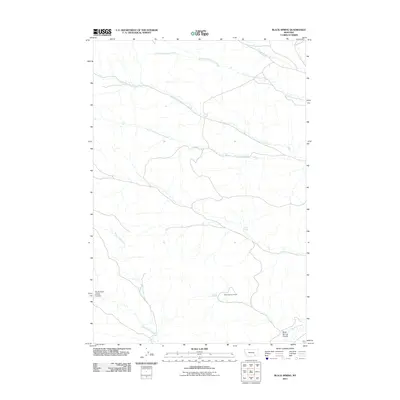 2011 Black Spring2011 Print · USGSBig Horn County at the start of the 2010s shows a landscape of strategic water sources and topographic landmarks. Researchers can locate Black Spring Lookout and trace the complex paths of Little Cottonwood Creek and Water Holes Creek.
 - 2011 Map of Lame Deer, 2011 Print
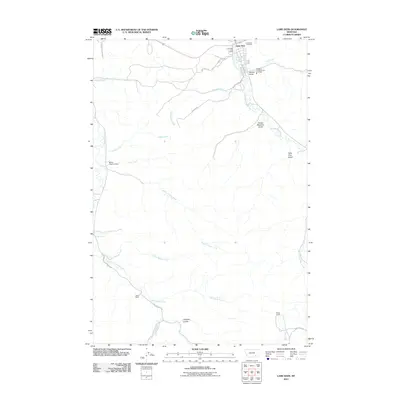 2011 Lame Deer2011 Print · USGSLame Deer and the surrounding Northern Cheyenne tribal lands are documented here in the early twenty-first century. Genealogists and local historians can trace family locations at Harris Ranch or Bixby Ranch and locate the Lame Deer Cemetery and Muddy Creek Cemetery.
 - 2011 Map of Chalky Point, 2011 Print
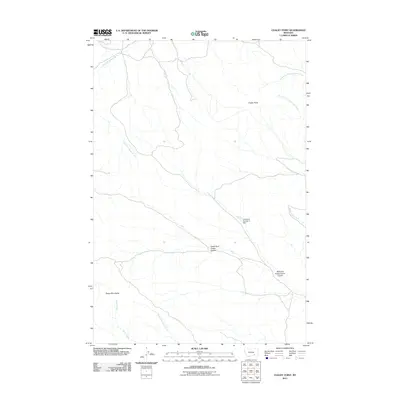 2011 Chalky Point2011 Print · USGSBig Horn County in the early twenty-first century reveals a landscape defined by the drainage of the Sarpy Mountains. Researchers can trace the rugged topography from the high point at Chalky Point down to the Cheyenne Number 5 Dam.
 - 2011 Map of Taintor Desert, 2011 Print
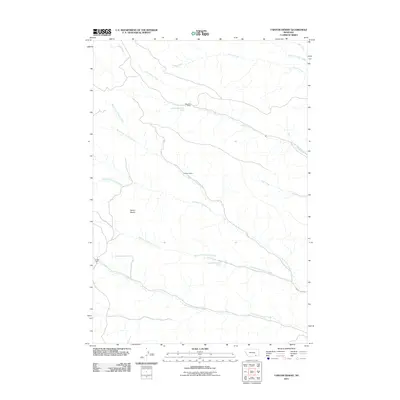 2011 Taintor Desert2011 Print · USGSBig Horn County ranching and desert lands are captured here in the early twenty-first century. Researchers can trace the layout of family landmarks and remote sites such as Jordan Ranch, Brewster Camp, and the winding Tongue River Rd.
 - 2011 Map of Birdseye Spring, 2011 Print
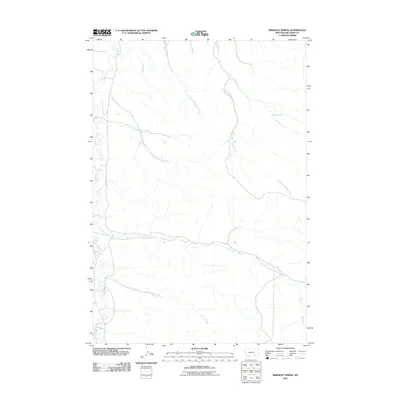 2011 Birdseye Spring2011 Print · USGSBig Horn County at the start of the 2010s was a landscape defined by its vital water sources and rural cattle routes. Researchers can trace the winding path of Rosebud Creek and locate family-named landmarks like Birdseye Spring and Eagle Feathers Creek.
 - 2011 Map of Cook Creek Butte, 2011 Print
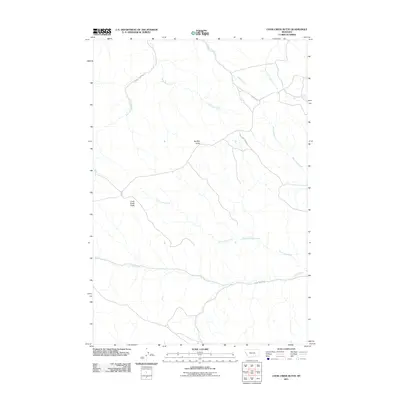 2011 Cook Creek Butte2011 Print · USGSRosebud County’s high plains are documented here in the early twenty-first century, featuring remote ranch roads and indigenous landmarks. Researchers can locate Buffalo Jump and trace the winding paths of Cook Creek Rd and Wild Hog Creek.
 - 2011 Map of Painted Hill, 2011 Print
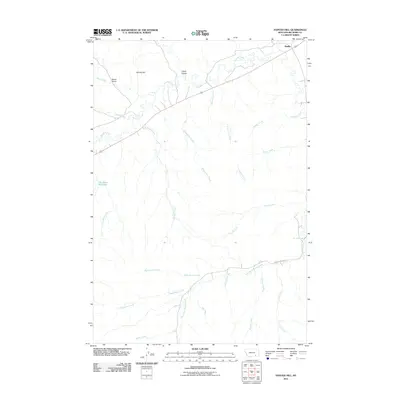 2011 Painted Hill2011 Print · USGSBig Horn County rangeland is mapped here at the start of the 2010s, showing the intricate creek systems of the northern Cheyenne country. Researchers can locate remote features like Two Moon Reservoir, the settlement at Muddy, and landmarks such as Painted Hill.
 - 2011 Map of Bull Creek Lookout, 2011 Print
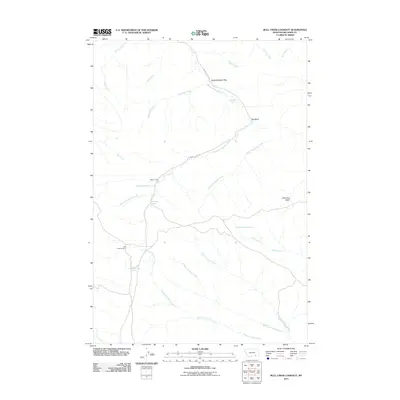 2011 Bull Creek Lookout2011 Print · USGSBig Horn County at the dawn of the 2010s shows a landscape of deep coulees and vital water sources. Researchers can trace the winding course of Muddy Creek Rd through Hardrobe Water Gap or locate remote sites like Brown Camp and Killsnight Spring.
 - 2011 Map of Jimtown, 2011 Print
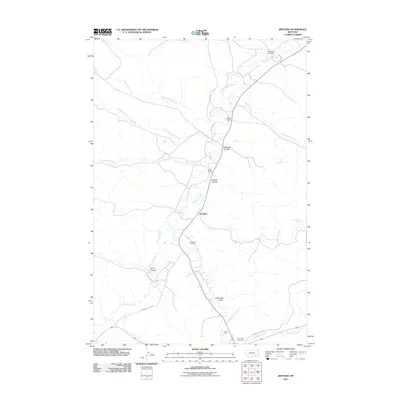 2011 Jimtown2011 Print · USGSRosebud County ranching country comes into focus in this early twenty-first-century survey of the terrain surrounding the settlement of Jimtown. Genealogists and local historians can locate legacy landholdings such as McKay Ranch or visit the Lame Deer Cemetery along the banks of Lame Deer Creek.
Showing maps 1-25 of 71
Top cities near Muddy District
Top neighborhoods of Muddy District
Frequently asked questions
- What are the different types of historical maps available for Muddy District?
- What is the oldest map of Muddy District?
- Where can I purchase historical maps of Muddy District for my home or office?
- Where can I download high-res historical maps of Muddy District?
- Are there historical topographic maps available for Muddy District?
- Is there historical aerial imagery available for Muddy District?
- Where are historical maps of Muddy District sourced from?