1980s Maps of Carter County, Montana
Explore 66 historic maps of Carter County from the 1980s. These maps offer a rare glimpse into what life looked like during the 1980s — showing old roads, neighborhoods, homes, and landmarks that have changed or disappeared over time.
Whether you're researching your family's past, planning a metal detecting trip, or studying how Carter County's landscape evolved across the 1980s, these high-resolution maps are a powerful tool for exploring the history of this region.
- Focus on a specific era: All maps on this page are from the 1980s, giving you a focused view of this time period.
- See what’s changed: Compare century-old streets, trails, and buildings to today's modern landscape using overlays and satellite layers.
- Research with precision: Use these maps for genealogy, historical research, land use analysis, or educational projects.
- View, download, or print: Maps are fully viewable online in high resolution, and can be downloaded or printed for your own records.
Start exploring Carter County's history through authentic maps from the 1980s. This is your window into the past.
Carter County, MT maps
(66)- 1980 Map of Taylor Hills
 1980 Taylor Hills1980 Print · USGSThe southeastern Montana high plains appear here in the early eighties, defined by the Taylor Hills and the winding Dead Boy Divide. Researchers can trace old ranching routes like Lone Tree Road and locate isolated landmarks such as Soda Lakes and Boxelder Creek.
 - 1980 Map of Belltower
 1980 Belltower1980 Print · USGSSoutheast Montana ranching country is captured here during the 1970s, showcasing the transition from open range to the Custer National Forest. Genealogists and historians can trace local landmarks like Belltower, Sykes Corner, and the numerous water catchments such as Burditt Reservoir.
 - 1980 Map of Prairie Dog Creek
 1980 Prairie Dog Creek1980 Print · USGSCarter County ranching country is captured here during the early 1980s, showing the open range and water systems of Southeast Montana. Genealogists and historians can trace the paths of Boxelder Creek, Prairie Dog Creek, and Cottonwood Creek.
 - 1980 Map of Capitol Rock
 1980 Capitol Rock1980 Print · USGSThe Montana and South Dakota borderlands are captured here in the early 1980s, highlighting the transition from national forest to the river basin. Researchers can trace land use through named features like Plainview Sch, Capitol Rock, and Wickham Gulch Campground.
 - 1980 Map of Alzada NW
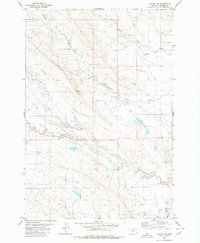 1980 Alzada NW1980 Print · USGSSoutheastern Montana's high plains are captured here in the late seventies, showing a landscape defined by the winding Little Missouri River. Researchers can trace the drainages of South Cottonwood Creek and North Butte Creek across this rural ranching territory.
 - 1980 Map of Elkhorn Creek SW
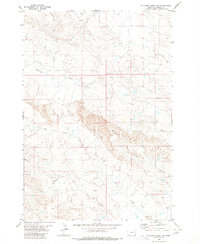 1980 Elkhorn Creek SW1980 Print · USGSSoutheast Montana's rangeland in the early 1980s is defined by its network of seasonal watercourses and remote ranch roads. Researchers can trace the drainage basins of Owl Creek, Twelvemile Creek, and Watson Draw to understand the local topography.
 - 1980 Map of Cactus Creek West
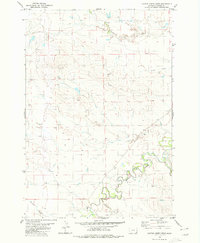 1980 Cactus Creek West1980 Print · USGSSoutheastern Montana's river bottomlands are captured here in the late 1970s, showcasing the intricate meanders of the Little Missouri River. Genealogists and historians can trace the paths of Cottonwood Creek and Elkhorn Creek or locate a river crossing at the Ford.2 unique versions available
 - 1980 Map of Rustler Divide
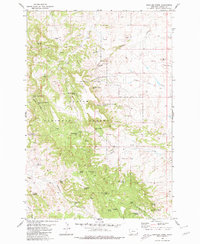 1980 Rustler Divide1980 Print · USGSSoutheast Montana ranching and forest lands are captured in the early 1980s, centered on the high Rustler Divide. Researchers can locate historic water improvements and lookouts like Mowbray Reservoir No 1, Speelman, and the Tri Point Lookout Tower.
 - 1980 Map of Finger Buttes East
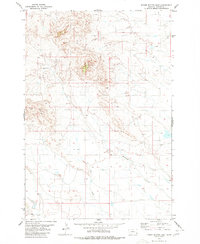 1980 Finger Buttes East1980 Print · USGSSoutheastern Montana's high plains are documented here during the late twentieth century, showing a remote ranching landscape in Carter County. Researchers can trace the elevation changes around Finger Buttes and the seasonal water courses of Blacktail Creek and Hay Draw.
 - 1980 Map of Belltower Butte
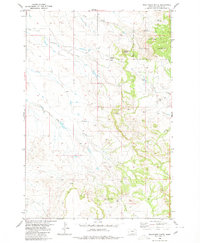 1980 Belltower Butte1980 Print · USGSSoutheastern Montana's ranching country unfolds in the early eighties near the edge of the national forest. Researchers can locate remote landmarks such as the Belltower Church, Chimney Rock, and the solitary Grave near the butte.
 - 1980 Map of Sevenmile Creek
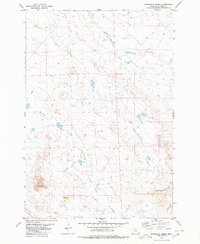 1980 Sevenmile Creek1980 Print · USGSSoutheast Montana ranching country is captured here during the late twentieth century, showing a landscape defined by its vital watercourses. Genealogists and local historians can locate Flasted Ranch and trace the paths of Sevenmile Creek and Fivemile Creek across the plains.
 - 1980 Map of Camp Needmore
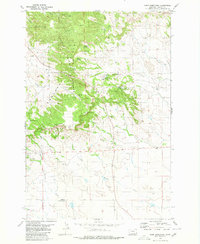 1980 Camp Needmore1980 Print · USGSSoutheast Montana's ranching and forest lands are captured here in the early 1980s, centered on the intersection of the national forest and the open range. Researchers can locate remote rural landmarks like the Peabody School, the Rodeo Ground, and the Camp Needmore recreational site.2 unique versions available
 - 1980 Map of Albion
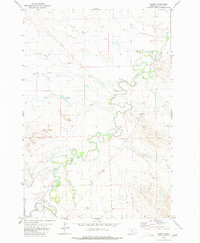 1980 Albion1980 Print · USGSSoutheastern Montana's high plains are documented here in the early eighties, centered on the river valley around Albion. Genealogists and researchers can trace local water crossings at the Ford and follow the drainages of Ninemile Creek and Twelvemile Creek.
 - 1980 Map of School Section Creek
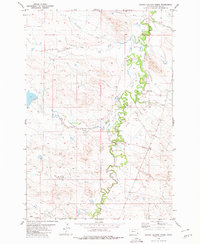 1980 School Section Creek1980 Print · USGSCarter County ranching country is captured here during the late twentieth century, showing a remote landscape shaped by water and tradition. Genealogists and historians can locate the Johnson School and trace seasonal waterways like Boxelder Creek and Skull Creek.
 - 1980 Map of Elkhorn Creek East
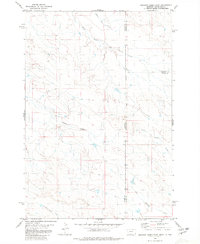 1980 Elkhorn Creek East1980 Print · USGSThe Montana-South Dakota borderlands are mapped here in the early 1980s, revealing a landscape of winding prairie drainages and tri-county boundaries. Trace the paths of South Beaver Dam Creek, Elkhorn Creek, and Frozen Horse Creek across the high plains.
 - 1980 Map of Capitol NW
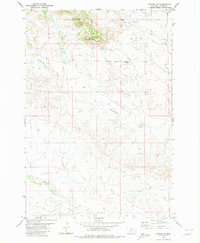 1980 Capitol NW1980 Print · USGSSoutheast Montana's high plains are documented here in the early 1980s, showcasing the open ranching country of Carter County. Researchers can trace the winding paths of Hackberry Creek and identify landmarks like Sheep Mountain or Sand Butte Sub.
 - 1980 Map of Alzada
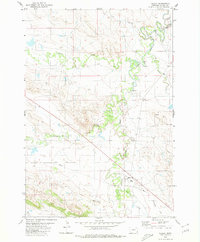 1980 Alzada1980 Print · USGSSoutheastern Montana's high plains are documented in the early 1980s, centered on the community of Alzada and the Little Missouri River. Trace local history through landmarks like the Rodeo Ground, the Stoneville Flats, and the path of the Range Road.
 - 1980 Map of Dutchmans Hill
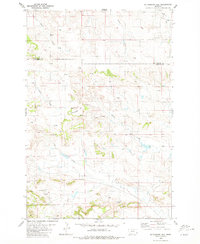 1980 Dutchmans Hill1980 Print · USGSSoutheastern Montana's high plains terrain is captured here during the late twentieth century, showing the border between Fallon and Carter Counties. Researchers can trace the water sources essential to local ranching, from Reynolds Spring to the notable Ice Cave and Dutchmans Hill.
 - 1980 Map of Lampkin Gulch
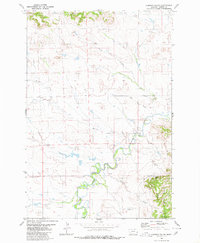 1980 Lampkin Gulch1980 Print · USGSSoutheast Montana in the early eighties is a landscape of intermittent water and range land near the edge of the Custer National Forest. Researchers can trace the winding course of Boxelder Creek and find vital landmarks like Neece Spring and Last Chance Spr.
 - 1980 Map of Elkhorn Creek West
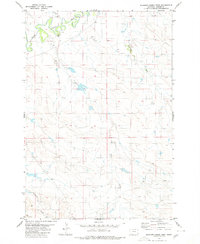 1980 Elkhorn Creek West1980 Print · USGSThe Carter County high plains are captured here in the early 1980s, defined by the winding course of the Little Missouri River. Researchers can trace the intricate network of local drainage basins like Horse Creek, Elkhorn Creek, and Twelvemile Creek.
 - 1980 Map of Lone Tree Creek
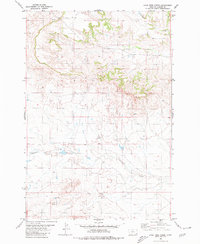 1980 Lone Tree Creek1980 Print · USGSCarter County's ranching landscape is documented here in the late twentieth century, showing the essential water and boundary networks of the high plains. Researchers can trace the courses of Lone Tree Creek and Cottonwood Creek or locate isolated water sources like the Spring.
 - 1980 Map of Elkhorn Creek SE
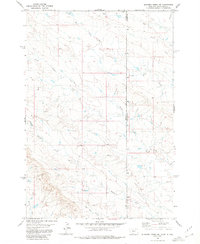 1980 Elkhorn Creek SE1980 Print · USGSThe Montana-South Dakota borderlands are captured here in the early seventies, showing the remote drainages of Carter and Butte counties. Genealogists and historians can trace family-named landmarks like Watson Draw and the winding course of Frozen Horse Creek.
 - 1980 Map of Humbolt Hills
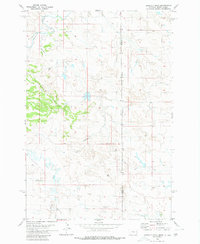 1980 Humbolt Hills1980 Print · USGSThe Montana and South Dakota borderlands come into focus in the early eighties, showcasing a remote landscape of high-plains drainage. Researchers can trace the path of Humbolt Creek and identify sites of energy exploration like an Oil Well or Drill Hole.
 - 1980 Map of Timber Hill
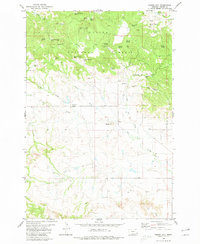 1980 Timber Hill1980 Print · USGSEastern Montana ranching country comes into focus in this late twentieth-century survey of the Custer National Forest. Researchers can trace old family landmarks and local sites like the Tie Creek School, the Pioneer Cem, and V Bar M Spring.
 - 1980 Map of Broadus
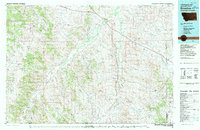 1980 Broadus1980 Print · USGSSoutheastern Montana and the Wyoming borderlands are captured in the early 1980s, centered on the high plains and river breaks of the Powder River. Genealogists and historians can trace old ranching outposts like Moorhead, Epsie, and Biddle alongside landmarks like the Two Tree Mine.
Showing maps 1-25 of 66
Top cities of Carter County
Frequently asked questions
- What are the different types of historical maps available for Carter County?
- What is the oldest map of Carter County?
- Where can I purchase historical maps of Carter County for my home or office?
- Where can I download high-res historical maps of Carter County?
- Are there historical topographic maps available for Carter County?
- Is there historical aerial imagery available for Carter County?
- Where are historical maps of Carter County sourced from?