Old Maps of Stoner Place, Montana for Academic Research
Study the evolution of Stoner Place with 14 high-resolution historic maps. Whether you're teaching, researching, or modeling changes in land use, these maps provide essential visual documentation of urban, environmental, and geographic change.
- Analyze long-term change: Track patterns in development, transportation, and natural features.
- Ideal for environmental or urban studies: Support academic projects with primary historical map data.
- Use in the classroom or lab: Educators and researchers rely on these maps to bring historical context to life.
These maps are a powerful tool for teaching, research, and visualizing how Stoner Place has changed over the decades.
Stoner Place, MT maps
(14)- 1903 Map of Saypo
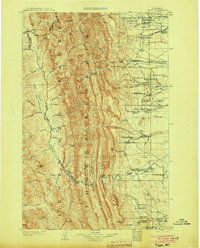 1903 Saypo1903 Print · USGSTeton and Lewis and Clark counties appear at the dawn of the century as a landscape of remote mountain forest reserves and early prairie homesteads. Researchers can trace the holdings of pioneer families at Clark Bros Ranch and Campbell's Ranch or locate early industry at McGunks Sawmill and the local Coal Mine.7 unique versions available
 - 1955 Map of Choteau, 1978 Print
 1955 Choteau1978 Print · USGSWestern Montana during the mid-fifties is captured here as a land of rugged high-country wilderness and vital eastern plains irrigation. Genealogists and historians can locate remote outposts like Condon, the communal Miller Colony, and the rail stops of the Chicago Milwaukee St Paul and Pacific.
 - 1957 Map of Choteau
 1957 Choteau1957 Print · USGSMontana's mountain front meets the eastern plains in the mid-fifties, showing the transition from forested wilderness to irrigated ranch land. Genealogists and historians can trace the rail lines of the Great Northern and find settlements like Choteau, Augusta, and Seeley Lake.
 - 1958 Map of Choteau
 1958 Choteau1958 Print · USGSMontana's front range meets the high wilderness in the late fifties, where the Great Northern railway connects ranching towns to the eastern plains. Researchers can trace the development of irrigation at Bynum Reservoir or locate remote camps like the Big Prairie District Ranger Station and Helmville.2 unique versions available
 - 1958 Map of Sawtooth Ridge, 1960 Print
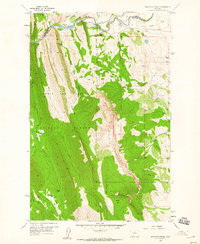 1958 Sawtooth Ridge1960 Print · USGSIn the late 1950s, this Montana wilderness was a landscape of high alpine ridges and early water infrastructure. You can trace early forest management and remote outposts from the Sun Canyon Lodge to the Hannan Gulch Guard Sta and Home Pack Trail.4 unique versions available
 - 1962 Map of Choteau
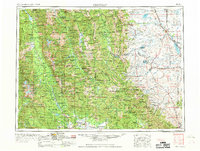 1962 Choteau1962 Print · USGSThe Rocky Mountain Front meets the western plains in the early 1960s, showing a landscape defined by the Continental Divide. Genealogists and researchers can trace the tracks of the Great Northern and find settlements like Choteau, Augusta, and Bynum.
 - 1976 Map of Choteau
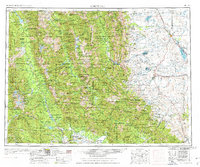 1976 Choteau1976 Print · USGSThe Montana Rocky Mountain Front meets the plains in the 1970s, showcasing the high-altitude wilderness and the irrigation-fed ranching country. Trace the Great Northern Railway through Choteau or locate rural landmarks like the Farmington Cemetery and Gibson Reservoir.
 - 1984 Map of Choteau
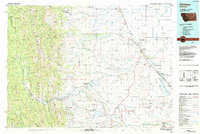 1984 Choteau1984 Print · USGSThe Teton River country comes to life in this mid-eighties record of the Montana plains and mountains. Trace the footprints of early ranching and farming settlements like Farmington and Eastham Junction, or explore the unique Hutterite settlements at Miller Colony and New Rockport Colony.
 - 1995 Map of Sawtooth Ridge, 1997 Print
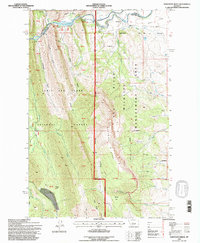 1995 Sawtooth Ridge1997 Print · USGSThe Sun River canyon and the eastern edge of the Rockies come alive in the mid-1990s as the river flows from the national forest toward the plains. Researchers can trace land use through the Neal Ranch, Diversion Dam, and Sun Canyon Lodge.
 - 2011 Map of Sawtooth Ridge, 2011 Print
 2011 Sawtooth Ridge2011 Print · USGSLewis and Clark County at the start of the 2100s shows a landscape of ranching and water engineering. Researchers can trace land use through family landmarks like Stoner Place and irrigation works like the Sun River Diversion Dam.
 - 2014 Map of Sawtooth Ridge, 2014 Print
 2014 Sawtooth Ridge2014 Print · USGSThe Rocky Mountain Front meets the Great Plains in the early twenty-first century at the boundary of Teton and Lewis and Clark Counties. Researchers can trace the water systems of the Sun River and Pishkun Canal alongside local landmarks like Stoner Place and Sawtooth Ridge.
 - 2017 Map of Sawtooth Ridge, 2017 Print
 2017 Sawtooth Ridge2017 Print · USGSThe Montana mountain front comes into focus in this recent survey of the transition from forest to prairie. Trace the complex water systems of the Pishkun Canal or locate local landmarks like Sawtooth Ridge, Sugar Loaf, and the historic Sawmill Flat.
 - 2020 Map of Sawtooth Ridge, 2020 Print
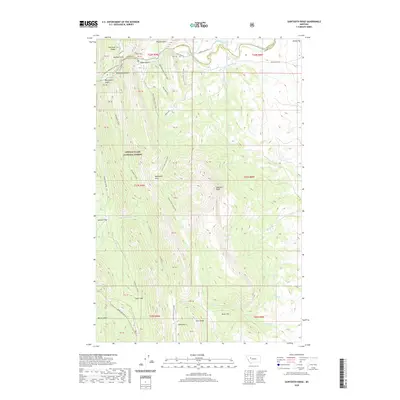 2020 Sawtooth Ridge2020 Print · USGSThe Montana Front in Lewis and Clark County is presented here during the late twenty-teens, showcasing a landscape of high ridges and critical irrigation works. Researchers can trace historic access routes like the Red Lake Stock trail and Old Beaver Willow road through the Sawtooth Range.
 - 2024 Map of Sawtooth Ridge, 2024 Print
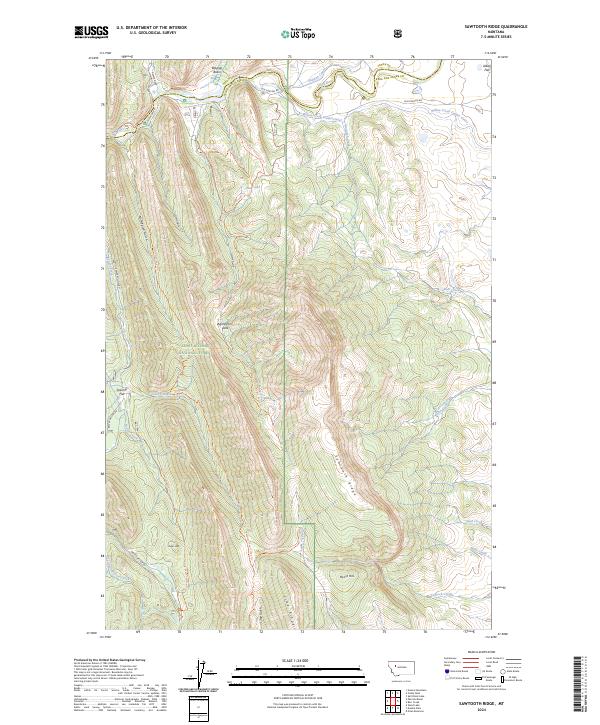 2024 Sawtooth Ridge2024 Print · USGSThe northern Rocky Mountain Front in Lewis and Clark County comes into focus through this survey of forest lands and water management. Trace early travel routes like the Old Beaver-Willow Trl and investigate land use at Sawmill Flat and the Pishkun Canal.
End of results
Showing maps 1-14 of 14
Frequently asked questions
- What are the different types of historical maps available for Stoner Place?
- What is the oldest map of Stoner Place?
- Where can I purchase historical maps of Stoner Place for my home or office?
- Where can I download high-res historical maps of Stoner Place?
- Are there historical topographic maps available for Stoner Place?
- Is there historical aerial imagery available for Stoner Place?
- Where are historical maps of Stoner Place sourced from?