Old Maps of Rosebud County, Montana for Academic Research
Study the evolution of Rosebud County with 780 high-resolution historic maps. Whether you're teaching, researching, or modeling changes in land use, these maps provide essential visual documentation of urban, environmental, and geographic change.
- Analyze long-term change: Track patterns in development, transportation, and natural features.
- Ideal for environmental or urban studies: Support academic projects with primary historical map data.
- Use in the classroom or lab: Educators and researchers rely on these maps to bring historical context to life.
These maps are a powerful tool for teaching, research, and visualizing how Rosebud County has changed over the decades.
Rosebud County, MT maps
(780)- 1954 Map of Hardin, 1964 Print
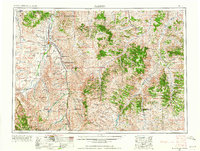 1954 Hardin1964 Print · USGSSoutheastern Montana is documented here during the mid-fifties, showing the vast tribal lands and historic battle sites before modern highway expansion. Researchers can trace the Chicago Burlington and Quincy rail line through Hardin or locate the Custer National Cemetery and Museum.2 unique versions available
 - 1954 Map of Forsyth, 1966 Print
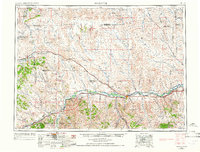 1954 Forsyth1966 Print · USGSThe Yellowstone River valley and the northern high plains are captured here in the mid-1950s during a period of expanding energy and rail infrastructure. Genealogists and historians can trace rail sidings and cattle-country outposts like Ingomar, Vananda, and Angela.3 unique versions available
 - 1957 Map of Hardin
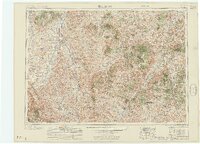 1957 Hardin1957 Print · USGSSoutheastern Montana in the mid-fifties reveals a landscape shaped by tribal lands and the historic Bighorn river valleys. Researchers can trace the Chicago Burlington and Quincy RR through Hardin and locate the National Cemetery and Custer Battlefield Monument.
 - 1957 Map of Forsyth
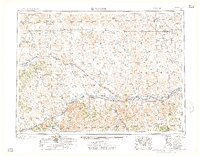 1957 Forsyth1957 Print · USGSSouth-central Montana in the late fifties is captured here through its dual-river geography and emergent energy economy. Researchers can trace the path of the Northern Pacific through Forsyth, locate the Ragged Point Oil Field, and find early sidings like Ahles Siding.
 - 1958 Map of Forsyth
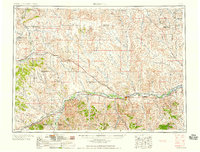 1958 Forsyth1958 Print · USGSMid-century Montana comes alive along the Yellowstone River and the competing transcontinental rail lines. Local historians can trace the legacy of the Northern Pacific through Forsyth or explore early oil developments at the Ragged Point Oil Field.
 - 1958 Map of Hardin
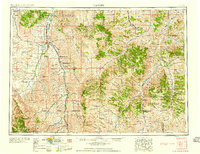 1958 Hardin1958 Print · USGSSoutheastern Montana in the mid-fifties presents a landscape defined by significant tribal lands and national monuments. Researchers can trace the geography of the Little Bighorn at Custer Battlefield National Monument and locate settlements like Lame Deer and Birney.
 - 1958 Map of Chalky Point, 1960 Print
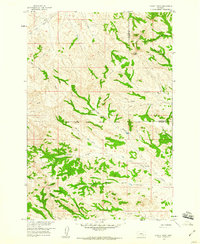 1958 Chalky Point1960 Print · USGSBig Horn and Rosebud counties are captured in the late fifties, dominated by the ridge-lines of the Little Wolf Mountains. Researchers can trace the Northern Cheyenne Indian Reservation Boundary and map old water sources like Williams Spring and Water Hole Creek.
 - 1958 Map of Garfield Peak, 1960 Print
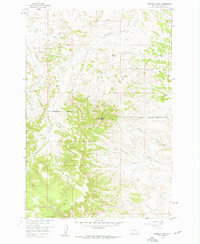 1958 Garfield Peak1960 Print · USGSThe Rosebud County high country is captured here during the late fifties, showing a landscape defined by ranching and early energy exploration. Researchers can trace the Old Indian Reservation Boundary and locate family-named sites like Wood Place and Fields Reservoir.3 unique versions available
 - 1958 Map of Jimtown, 1960 Print
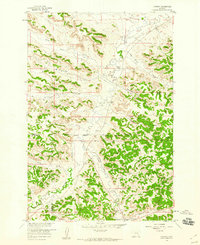 1958 Jimtown1960 Print · USGSThe Northern Cheyenne Indian Reservation boundary and the ranching country of Rosebud County are detailed here in the late fifties. Researchers can trace family sites like McKay Ranch, the settlement of Jimtown, and local landmarks including a Sawmill and Cem.2 unique versions available
 - 1958 Map of Black Spring, 1960 Print
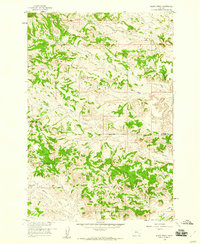 1958 Black Spring1960 Print · USGSSoutheastern Montana during the late fifties shows a landscape defined by the Northern Cheyenne Indian Reservation Boundary. Researchers can trace old routes and water sources like the Jeep Trails and Indian Coulee Spring.2 unique versions available
 - 1958 Map of Fisher Butte, 1960 Print
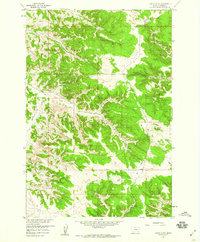 1958 Fisher Butte1960 Print · USGSIn the high country of Rosebud County during the late fifties, this survey captures the industrial and natural landscape of the Northern Cheyenne vicinity. Researchers can locate the Lame Deer Strip Mine and trace water sources like Crazy Head Spring and Broken Jaw Spring.3 unique versions available
 - 1958 Map of Lame Deer, 1960 Print
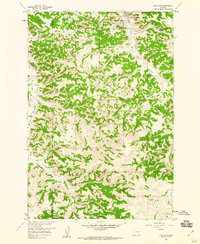 1958 Lame Deer1960 Print · USGSLame Deer and the surrounding gulches of the Northern Cheyenne Indian Reservation are captured here in the late fifties. Genealogists and historians can trace family locations and early rural outposts like Harris Ranch, the Lame Deer Sch, and the Bixby Ranch.3 unique versions available
 - 1958 Map of Badger Peak, 1960 Print
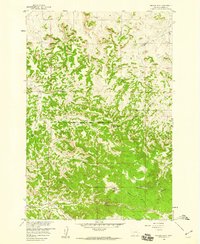 1958 Badger Peak1960 Print · USGSThe high Montana ridges of Rosebud County are captured here in the late fifties, showing the Northern Cheyenne Indian Reservation Boundary. Researchers can trace the drainage of Alderson Creek or locate landmarks like Charlie Black Butte and the high summit of Badger Peak.2 unique versions available
 - 1958 Map of Hollowwood Creek, 1960 Print
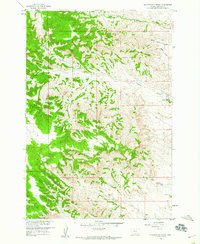 1958 Hollowwood Creek1960 Print · USGSSoutheast Montana in the late fifties was a landscape of named coulees and vital water sources before modern development. Researchers can trace land features like Bighead Reservoir and several remote landmarks like Walking Horse Coulee or the local Landing Strip.3 unique versions available
 - 1960 Map of Steie Ranch, 1962 Print
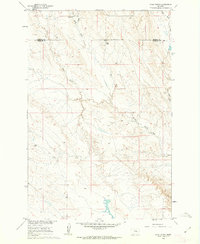 1960 Steie Ranch1962 Print · USGSBig sky ranching country along the Treasure and Rosebud county line is captured here just as the Missouri River Basin development program was underway. Researchers can locate the Steie Ranch and trace the drainage patterns of Froze to Death Creek and Geyser Spring Coulee.
 - 1960 Map of Hagen Ranch, 1962 Print
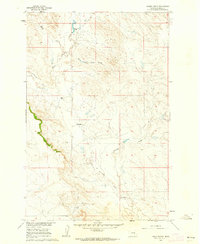 1960 Hagen Ranch1962 Print · USGSRosebud County ranching life is captured here in the early sixties, showing the isolated homesteads and water sources of the Montana plains. Genealogists and historians can locate family landmarks like Hagen Ranch, Mysse Ranch, and the winding Great Porcupine Creek.
 - 1960 Map of Vananda, 1962 Print
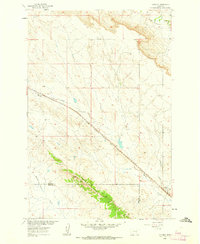 1960 Vananda1962 Print · USGSRailroad operations and ranching life intersect in the high plains of Rosebud and Treasure Counties at the dawn of the sixties. Genealogists and rail historians can trace the Milwaukee Road through Vananda and identify old Prospects along Cedar Ridge.2 unique versions available
 - 1960 Map of Ahles, 1962 Print
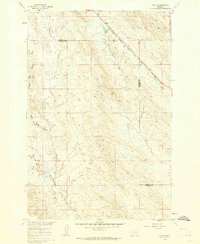 1960 Ahles1962 Print · USGSThe eastern Montana plains come into focus in the early sixties as the railroad era shapes the landscape. Trace the local geography along the Chicago Milwaukee St Paul and Pacific line near Ahles and the curiously named Starved to Death Creek.2 unique versions available
 - 1960 Map of Sanders, 1962 Print
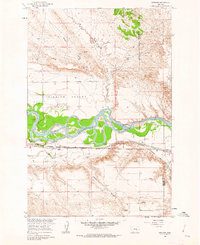 1960 Sanders1962 Print · USGSTreasure County during the early 1960s shows a landscape shaped by the river and the rail. Researchers can trace the path of the Northern Pacific through Sanders and explore local drainage like Six Mile to Death Creek.2 unique versions available
 - 1960 Map of Yablonski Ranch, 1962 Print
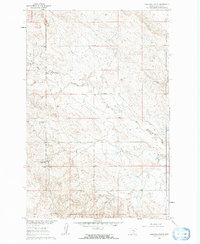 1960 Yablonski Ranch1962 Print · USGSRosebud County ranching life is captured in the early sixties, showing a landscape defined by isolated family holdings and seasonal waterways. Researchers can locate original sites like the Yablonski Ranch, Fox Homestead, and Finch Ranch.2 unique versions available
 - 1960 Map of Thebes, 1962 Print
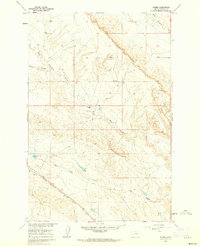 1960 Thebes1962 Print · USGSRosebud County ranchlands and rail lines are captured here in the early sixties, centered on the tiny settlement of Thebes. Researchers can trace the path of the Chicago Milwaukee St Paul and Pacific railroad past Thebes Lake and Erickson Ranch.2 unique versions available
 - 1960 Map of Ingomar West, 1962 Print
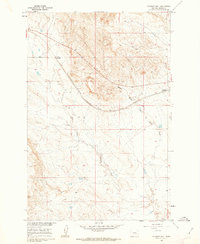 1960 Ingomar West1962 Print · USGSRosebud County, Montana, was a ranching and rail hub during the early sixties, centered on the vital Milwaukee Road. Genealogists and rail historians can trace the Chicago Milwaukee St Paul and Pacific through the settlements of Ingomar and Galbraith.2 unique versions available
 - 1960 Map of Ingomar East, 1962 Print
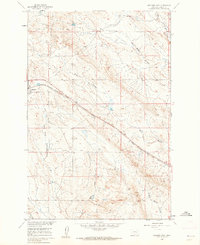 1960 Ingomar East1962 Print · USGSRosebud County, Montana, was a landscape of rail-driven trade and high plains drainage in the early sixties. Researchers can trace the legacy of the Chicago Milwaukee St Paul and Pacific line through Ingomar and explore local landmarks like Black Sea Reservoir.2 unique versions available
 - 1960 Map of Brown Coulee, 1962 Print
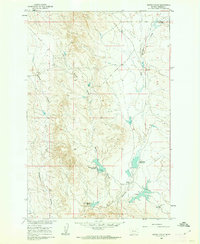 1960 Brown Coulee1962 Print · USGSRosebud County, Montana, was a landscape of remote cattle operations and homesteads in the years following the war. Genealogists and researchers can trace family landmarks like the Sweeter Homestead, Blacktail Ranch, and the Brockel Homestead.2 unique versions available
 - 1960 Map of Zempel Lake, 1962 Print
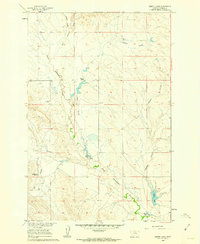 1960 Zempel Lake1962 Print · USGSRosebud County ranching country is captured here in the early sixties, showing the isolated homesteads and drainage networks of the Missouri River Basin. Genealogists and local historians can locate family landmarks like Johnson Ranch, Richardson Ranch, and Zempel Lake.2 unique versions available
Showing maps 1-25 of 780
Top cities of Rosebud County
Frequently asked questions
- What are the different types of historical maps available for Rosebud County?
- What is the oldest map of Rosebud County?
- Where can I purchase historical maps of Rosebud County for my home or office?
- Where can I download high-res historical maps of Rosebud County?
- Are there historical topographic maps available for Rosebud County?
- Is there historical aerial imagery available for Rosebud County?
- Where are historical maps of Rosebud County sourced from?