Old Maps of North Platte, Nebraska for Academic Research
Study the evolution of North Platte with 27 high-resolution historic maps. Whether you're teaching, researching, or modeling changes in land use, these maps provide essential visual documentation of urban, environmental, and geographic change.
- Analyze long-term change: Track patterns in development, transportation, and natural features.
- Ideal for environmental or urban studies: Support academic projects with primary historical map data.
- Use in the classroom or lab: Educators and researchers rely on these maps to bring historical context to life.
These maps are a powerful tool for teaching, research, and visualizing how North Platte has changed over the decades.
North Platte, NE maps
(27)- 1899 Map of North Platte, 1957 Print
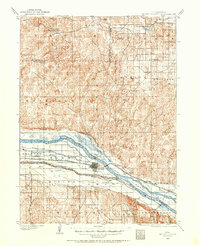 1899 North Platte1957 Print · USGSNorth Platte and the surrounding river valleys are captured here at the end of the nineteenth century, as irrigation canals began to reshape the Nebraska prairie. Genealogists and researchers can trace early homestead-era landmarks like Newberries Crossroads, Lemley, and the Union Pacific RR corridor.
 - 1902 Map of North Platte
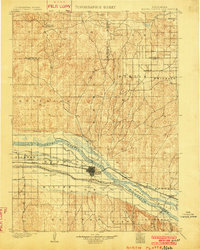 1902 North Platte1902 Print · USGSNorth Platte and the Platte River forks are shown here at the start of the twentieth century, during a period of massive irrigation expansion. Researchers can trace early railroad siding stops like Spuds and Gannett or find old crossroads like Newberries Crossroads.3 unique versions available
 - 1954 Map of North Platte, 1968 Print
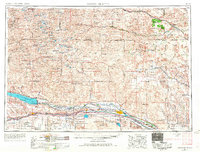 1954 North Platte1968 Print · USGSThe Nebraska Sand Hills and the Platte River valley are captured here during a period of mid-century growth and agricultural expansion. Trace the vast irrigation network of the Sutherland Canal, locate old rural schoolhouses like Rose Hill School, and find family holdings such as Conrey Ranch.3 unique versions available
 - 1956 Map of North Platte
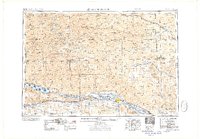 1956 North Platte1956 Print · USGSThe Nebraska Sand Hills meet the high plains river valleys in the mid-1950s, a period of intensive water management and rail commerce. Genealogists and historians can trace early prairie settlements like Stapleton and Tryon, or follow the industrial corridor of the Union Pacific through North Platte.
 - 1957 Map of North Platte
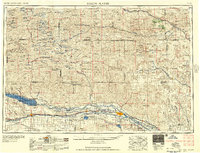 1957 North Platte1957 Print · USGSThe Nebraska Sand Hills and the Platte River valley are captured here in the mid-fifties as the ranching and irrigation economy matured. Genealogists and historians can locate family-named schoolhouses like Maire School or trace the railroad hubs at North Platte and the Fort McPherson National Cemetery.
 - 1967 Map of North Platte
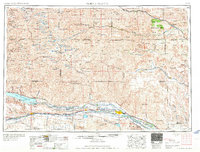 1967 North Platte1967 Print · USGSThe Nebraska Sand Hills and the Platte River valley meet in the 1960s, showing a landscape shaped by water management and rail. Genealogists can trace rural school districts like the Prairie Dell School or find landmarks like the Scott Lookout Tower and Geo P Kingsley Dam.
 - 1970 Map of North Platte East, 1973 Print
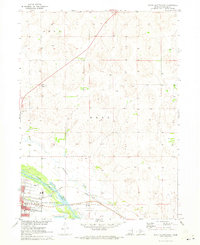 1970 North Platte East1973 Print · USGSNorth Platte expanded into the Nebraska plains during the early seventies, where the river and rail lines converged. Researchers can trace local infrastructure from Lee Bird Field to the Union Pacific tracks, or find community sites like Hall Sch.2 unique versions available
 - 1970 Map of North Platte West, 1973 Print
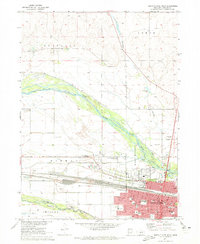 1970 North Platte West1973 Print · USGSNorth Platte flourished as a vital rail and river hub in the early 1970s. Researchers can trace the town's civic growth through Buffalo Bill Ranch State Park, St Patricks Cath Ch, and the sprawling Union Pacific rail yards.2 unique versions available
 - 1970 Map of Maxwell SW, 1973 Print
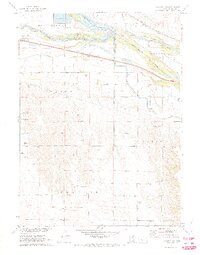 1970 Maxwell SW1973 Print · USGSLincoln County ranching and river transport converge at the Platte confluence in the early seventies. Researchers can trace local landmarks like the Sioux Lookout Historical Mon, Miriam Cem, and the path of the Union Pacific railroad.2 unique versions available
 - 1970 Map of Lake Maloney, 1973 Print
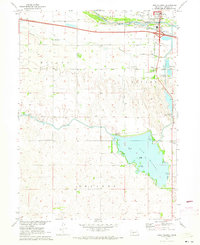 1970 Lake Maloney1973 Print · USGSLincoln County south of North Platte is captured in the early seventies during a period of significant water and power development. Researchers can trace rural landmarks like Miller Sch, St Patricks Cem, and the infrastructure of Lake Maloney.2 unique versions available
 - 1985 Map of North Platte
 1985 North Platte1985 Print · USGSThe Platte River valley in the mid-1980s reveals a landscape of massive rail yards and vital irrigation works. Trace the Union Pacific lines through North Platte or locate family sites near Stapleton, Gandy, and Fort Mc Pherson National Cemetery.2 unique versions available
 - 2011 Map of Maxwell SW, 2011 Print
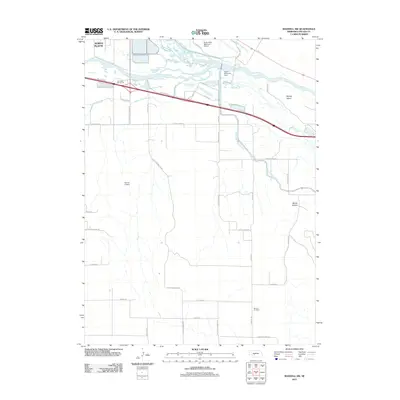 2011 Maxwell SW2011 Print · USGSThe river systems south of North Platte are captured here at the start of the 2010s, showing a landscape defined by irrigation and aviation. Genealogists and local researchers can trace rural landmarks like Mariam Cemetery, Harden Airstrip, and the path of the Tri County Supply Canal.
 - 2011 Map of Lake Maloney, 2011 Print
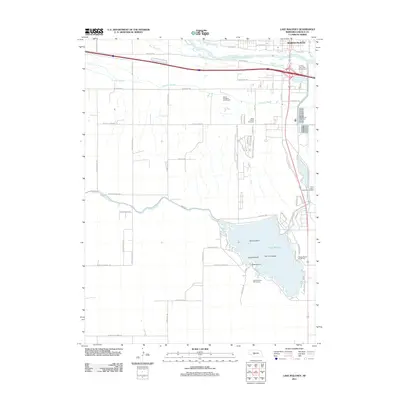 2011 Lake Maloney2011 Print · USGSSouth of North Platte in the early twenty-first century, this landscape is defined by the South Platte River and the waters of Lake Maloney. Researchers can trace the layout of island features like Two Tree Island or locate regional landmarks such as Saint Patrick Cemetery.
 - 2011 Map of North Platte West, 2011 Print
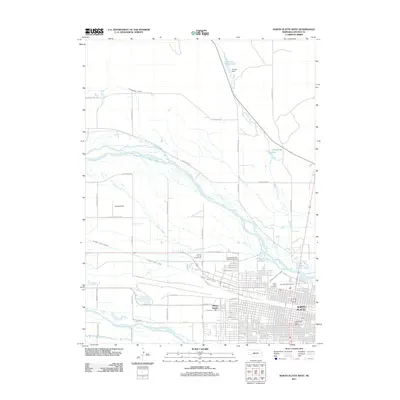 2011 North Platte West2011 Print · USGSNorth Platte at the start of the 2010s shows a landscape defined by the convergence of the Platte rivers and complex irrigation. Researchers can trace the layout of the Lincoln County Fairgrounds, locate the Buffalo Bill Wild West Rodeo Arena, and find the North Platte Cemetery.
 - 2011 Map of North Platte East, 2011 Print
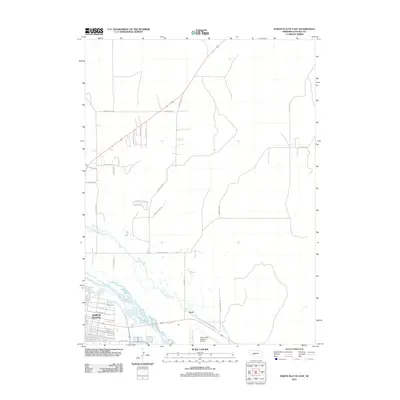 2011 North Platte East2011 Print · USGSNorth Platte in the early 2010s shows a city balanced between its industrial river roots and expanding prairie suburbs. Genealogists and historians can trace local development through named routes like E Hall School Rd and the small settlement at Beck.
 - 2014 Map of North Platte West, 2014 Print
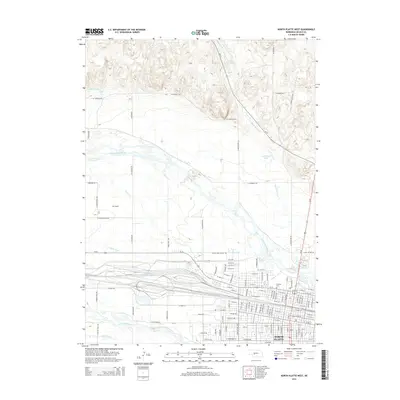 2014 North Platte West2014 Print · USGSThe river-and-rail hub of North Platte is shown in detail during the early twenty-first century, anchored by its famous river confluence. Researchers can trace local landmarks like Scouts Rest Ranch Rd, the N Platte Cem, and the complex irrigation systems of the Birdwood Canal.
 - 2014 Map of Lake Maloney, 2014 Print
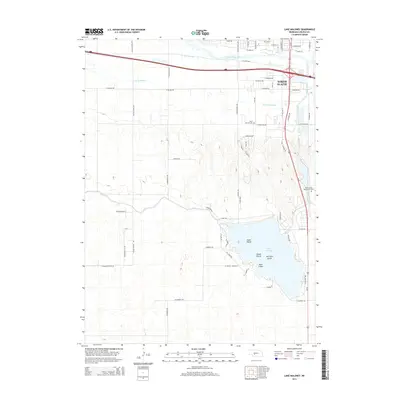 2014 Lake Maloney2014 Print · USGSSouth of the Platte in the mid-2010s, this area shows the vital intersection of Nebraska water management and local settlement. Genealogists and researchers can locate Saint Patrick Cem and trace the shoreline of Lake Maloney to Two Tree Island.
 - 2014 Map of North Platte East, 2014 Print
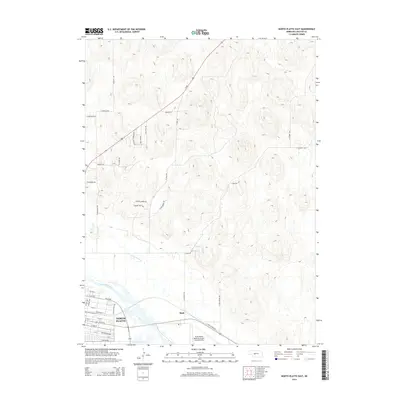 2014 North Platte East2014 Print · USGSNorth Platte and the surrounding Nebraska ranch lands are captured here at a time of continued growth along the river. Genealogists and local historians can trace family property near Beck, the Lee Bird Field airport, and White Horse Cr.
 - 2014 Map of Maxwell SW, 2014 Print
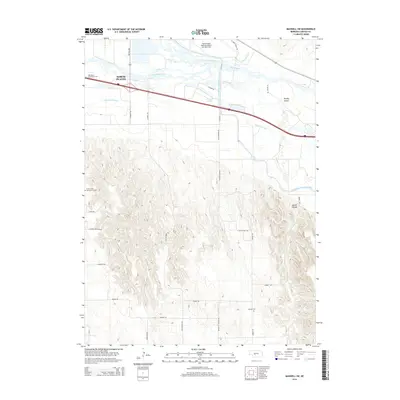 2014 Maxwell SW2014 Print · USGSThe Platte River forks south of North Platte in the early twenty-first century, showing a landscape defined by irrigation and river bottomlands. Trace local landmarks like Mariam Cemetery or follow the path of the Tri-County Supply Canal.
 - 2017 Map of North Platte West, 2017 Print
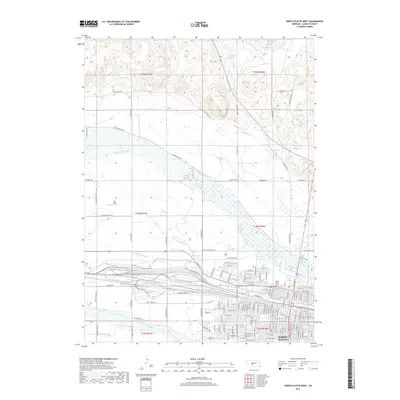 2017 North Platte West2017 Print · USGSThe rail-and-river hub of western Nebraska is captured here in the late 2010s, showing the complex interaction of the Platte river systems and the high-desert landscape. Researchers can trace the massive Union Pacific infrastructure and local landmarks like the North Platte Cem and Scouts Rest Ranch Rd.
 - 2017 Map of Maxwell SW, 2017 Print
 2017 Maxwell SW2017 Print · USGSLincoln County at the confluence of the Platte rivers shows a landscape shaped by water and modern infrastructure. Researchers can trace land use through features like Mariam Cem, the Tri County Supply Canal, and Brandy Island.
 - 2017 Map of Lake Maloney, 2017 Print
 2017 Lake Maloney2017 Print · USGSThe outskirts of North Platte and the waters of Lake Maloney are captured in this recent survey. Researchers can trace the irrigation and cemetery history of Lincoln County, from Saint Patrick Cem to the islands of Scout Island and Goose Island.
 - 2017 Map of North Platte East, 2017 Print
 2017 North Platte East2017 Print · USGSNorth Platte and the Platte River valley are captured in 2017, showing the city's eastern growth into the Nebraska Sandhills. Genealogists and local researchers can trace family-named routes like Nyblom Rd, the industrial site at Beck, and the massive Lee Bird Field.
 - 2021 Map of North Platte East, 2021 Print
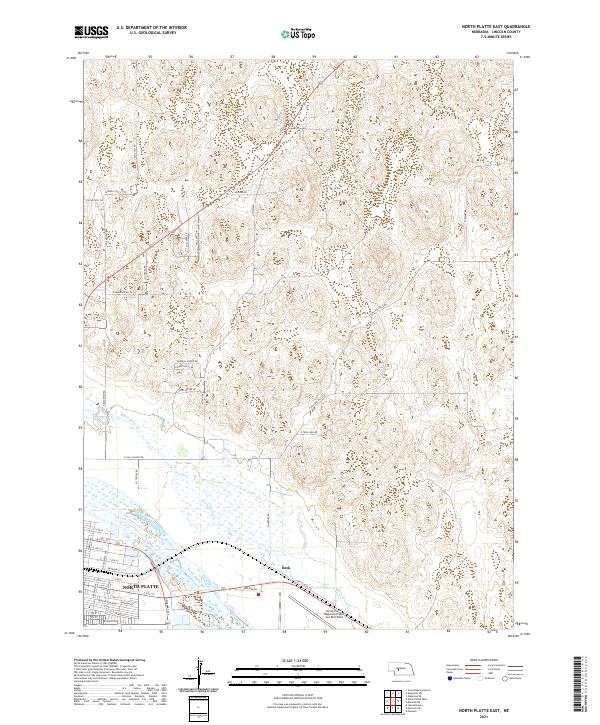 2021 North Platte East2021 Print · USGSNorth Platte and the surrounding river valley are shown here in the early twenty-first century as the city expands toward the sandhills. Researchers can trace the development of the North Platte Regional Airport Lee Bird Field and find landmarks like Beck and White Horse Cr.
 - 2021 Map of North Platte West, 2021 Print
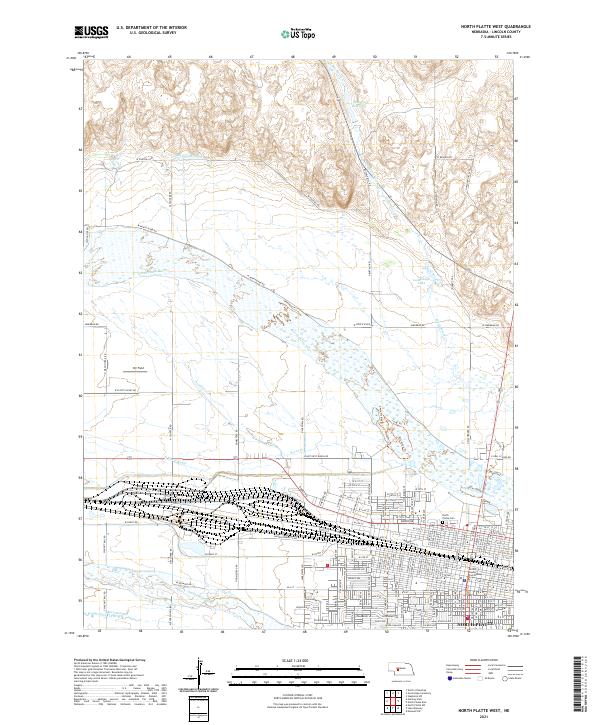 2021 North Platte West2021 Print · USGSNorth Platte and the Platte River valleys are documented here in the early 2020s, showing the intersection of heavy rail infrastructure and vital irrigation waterways. Researchers can trace the layout of the Lincoln County Courthouse and find family-named landmarks like Annie Oakley Trail and Scouts Rest Ranch Road.
Showing maps 1-25 of 27
Top cities near North Platte
Top neighborhoods of North Platte
Frequently asked questions
- What are the different types of historical maps available for North Platte?
- What is the oldest map of North Platte?
- Where can I purchase historical maps of North Platte for my home or office?
- Where can I download high-res historical maps of North Platte?
- Are there historical topographic maps available for North Platte?
- Is there historical aerial imagery available for North Platte?
- Where are historical maps of North Platte sourced from?