1950s Maps of Lander County, Nevada
Explore 18 historic maps of Lander County from the 1950s. These maps offer a rare glimpse into what life looked like during the 1950s — showing old roads, neighborhoods, homes, and landmarks that have changed or disappeared over time.
Whether you're researching your family's past, planning a metal detecting trip, or studying how Lander County's landscape evolved across the 1950s, these high-resolution maps are a powerful tool for exploring the history of this region.
- Focus on a specific era: All maps on this page are from the 1950s, giving you a focused view of this time period.
- See what’s changed: Compare century-old streets, trails, and buildings to today's modern landscape using overlays and satellite layers.
- Research with precision: Use these maps for genealogy, historical research, land use analysis, or educational projects.
- View, download, or print: Maps are fully viewable online in high resolution, and can be downloaded or printed for your own records.
Start exploring Lander County's history through authentic maps from the 1950s. This is your window into the past.
Lander County, NV maps
(18)- 1950 Map of Mt. Lewis
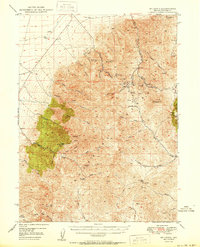 1950 Mt. Lewis1950 Print · USGSLander County mining history is preserved here in the mid-twentieth century, centered on the high peaks of the Shoshone Range. Genealogists and researchers can trace old ranching boundaries at Home Ranch or locate historic mineral sites like the Betty O'Neal Mine and Utah Mine Camp.
 - 1950 Map of Crescent Valley
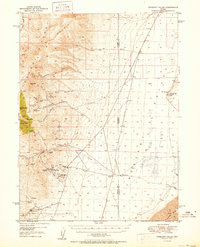 1950 Crescent Valley1950 Print · USGSCrescent Valley at the mid-century reveals a landscape of active gold mining and earlier silver-era relics. Researchers can trace the lineage of local mining at the Gold Acres Mine or locate the historic town of Tenabo and the Lander (Site).2 unique versions available
 - 1955 Map of McDermitt
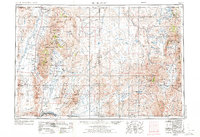 1955 McDermitt1955 Print · USGSNorthern Nevada in the mid-fifties shows a landscape of mining camps and vast cattle ranges. Trace the early footprints of Tuscarora or the remote Cordero Mine and National Mine tucked into the high desert peaks.3 unique versions available
 - 1955 Map of Millett, 1963 Print
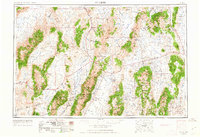 1955 Millett1963 Print · USGSCentral Nevada in the mid-fifties is a landscape of high-desert basins and remote outposts. Researchers can trace historic ranching sites like Petersons Mill and Grass Valley Ranch or locate the McCoy Mining Camp.4 unique versions available
 - 1955 Map of Winnemucca, 1968 Print
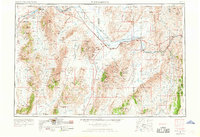 1955 Winnemucca1968 Print · USGSNorthern Nevada's high desert corridor is captured here in the mid-fifties, centered on the river-and-rail hub of Winnemucca. Researchers can trace the dual tracks of the Southern Pacific and Western Pacific railroads through towns like Golconda and Valmy.3 unique versions available
 - 1956 Map of Mount Callaghan, 1957 Print
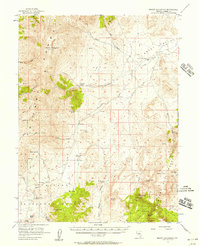 1956 Mount Callaghan1957 Print · USGSLander County's high-altitude ranching country is captured here during the mid-fifties, showing the remote stations and water sources of the Great Basin. You can trace the historic boundaries of the Callaghan Ranch and find isolated springs like Rye Patch Spring and Cottonwood Spring.3 unique versions available
 - 1956 Map of Walti Hot Springs, 1957 Print
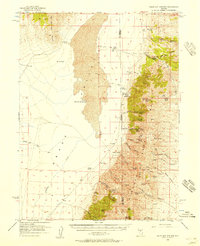 1956 Walti Hot Springs1957 Print · USGSThe high desert of central Nevada is captured here in the mid-1950s, showing the remote ranching outposts along the Simpson Park Range. You can trace early jeep trails and family landmarks like Walti Ranch, Keystone Mine, and the thermal Hot Springs.2 unique versions available
 - 1956 Map of South Shoshone Peak, 1957 Print
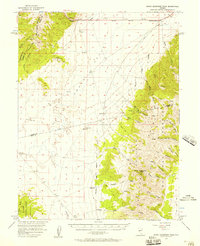 1956 South Shoshone Peak1957 Print · USGSThe central Nevada high desert comes into focus during the mid-fifties as ranchers and miners navigated the great basins between the Paradise Range and the Desatoya Mountains. Researchers can locate remote outposts like Peterson Station and Idlewild or trace water sources through Lebeau Creek and Midas Spr.3 unique versions available
 - 1956 Map of North Shoshone Peak, 1957 Print
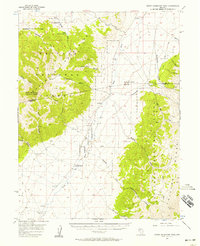 1956 North Shoshone Peak1957 Print · USGSCentral Nevada's high-desert interior comes to life in the 1950s as the Reese River valley and Toiyabe Mountains are mapped in detail. Genealogists can locate family landmarks like O'Toole Ranch and follow the old Marysville Trail through the canyons.3 unique versions available
 - 1956 Map of Millett Ranch, 1957 Print
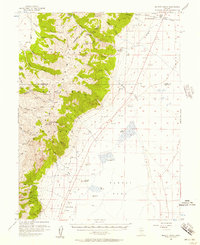 1956 Millett Ranch1957 Print · USGSSmoky Valley and the Toiyabe Range are shown here in the mid-fifties, capturing a landscape of high-altitude peaks and valley ranches. Genealogists and historians can trace family sites at Schmidtlein Ranch and McLeod Ranch or locate the Smoky Valley Sch.2 unique versions available
 - 1956 Map of Hall Creek, 1957 Print
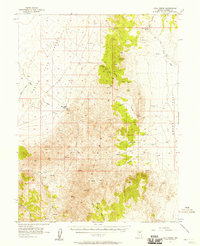 1956 Hall Creek1957 Print · USGSHigh-desert ranching and remote Nevada valleys are captured in the mid-fifties, centered on the Shoshone Range. Researchers can trace the layout of early livestock operations at Hall Creek Ranch and find the site of Cowboy Rest among the springs of Grass Valley.3 unique versions available
 - 1956 Map of Ackerman Canyon, 1957 Print
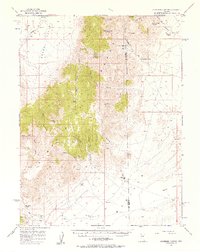 1956 Ackerman Canyon1957 Print · USGSLander and Eureka Counties in the mid-1950s remained a frontier of isolated ranching and mining. Local historians can trace early property sites like Indian Ranch and Dry Creek Ranch or locate the remote Goober Mine and its neighboring landing field.4 unique versions available
 - 1956 Map of Austin, 1958 Print
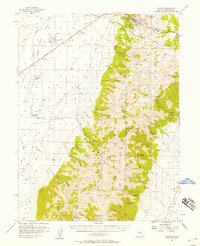 1956 Austin1958 Print · USGSThe mining town of Austin sits at the edge of the Toiyabe National Forest during the mid-fifties. Genealogists and historians can trace family-named properties like Gandolfo Ranch and local landmarks such as Stokes Castle.3 unique versions available
 - 1957 Map of Dunphy, 1958 Print
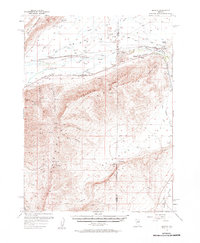 1957 Dunphy1958 Print · USGSLander County ranching and rail operations are centered along the Humboldt River in the late 1950s. Genealogists and historians can trace the paths of the California Trail and Southern Pacific past the T-S Ranch and Argenta Mine.2 unique versions available
 - 1957 Map of Battle Mountain, 1958 Print
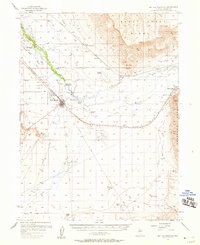 1957 Battle Mountain1958 Print · USGSBattle Mountain and the surrounding high desert are captured in the late fifties as a vital railroad and ranching corridor. Researchers can trace historic family holdings like Blossom Ranch and Broyles Ranch alongside the Southern Pacific line and the Battle Mountain Indian Colony.3 unique versions available
 - 1958 Map of Winnemucca
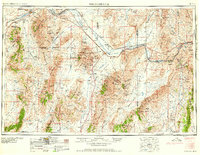 1958 Winnemucca1958 Print · USGSNorthern Nevada in the late fifties was defined by the parallel rhythms of the great transcontinental railroads and a resilient mining industry. Genealogists and historians can trace old mining camps and remote rail sidings from Gold Acres and Palisade to the Adelaide district.2 unique versions available
 - 1959 Map of McDermitt
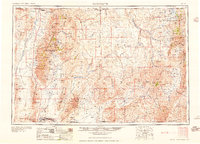 1959 McDermitt1959 Print · USGSThe high-desert borderlands of northern Nevada and southern Oregon are captured here in the late fifties. Researchers can trace historic mining operations at the Cordero Mine and Getchell Mine, or locate settlements like Paradise Valley and Tuscarora.2 unique versions available
 - 1959 Map of Millett
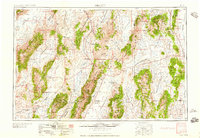 1959 Millett1959 Print · USGSThe high basins and ranges of central Nevada are captured here in the late fifties, showcasing a landscape of remote cattle ranches and high-altitude mining. Researchers can trace historic family holdings like McLeod Ranch or locate the McCoy Mining Camp and the Austin Summit mountain pass.2 unique versions available
End of results
Showing maps 1-18 of 18
Top cities of Lander County
Frequently asked questions
- What are the different types of historical maps available for Lander County?
- What is the oldest map of Lander County?
- Where can I purchase historical maps of Lander County for my home or office?
- Where can I download high-res historical maps of Lander County?
- Are there historical topographic maps available for Lander County?
- Is there historical aerial imagery available for Lander County?
- Where are historical maps of Lander County sourced from?