1900s (20th Century) Maps of Bernalillo County, New Mexico
Explore 94 historic maps of Bernalillo County from the 1900s (20th Century). These maps offer a rare glimpse into what life looked like during the 1900s — showing old roads, neighborhoods, homes, and landmarks that have changed or disappeared over time.
Whether you're researching your family's past, planning a metal detecting trip, or studying how Bernalillo County's landscape evolved across the 1900s, these high-resolution maps are a powerful tool for exploring the history of this region.
- Focus on a specific era: All maps on this page are from the 1900s, giving you a focused view of this time period.
- See what’s changed: Compare century-old streets, trails, and buildings to today's modern landscape using overlays and satellite layers.
- Research with precision: Use these maps for genealogy, historical research, land use analysis, or educational projects.
- View, download, or print: Maps are fully viewable online in high resolution, and can be downloaded or printed for your own records.
Start exploring Bernalillo County's history through authentic maps from the 1900s. This is your window into the past.
Bernalillo County, NM maps
(94)- 1917 Map of Estancia
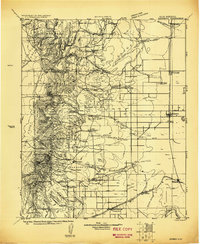 1917 Estancia1917 Print · USGSThe Estancia Valley and Manzano foothills come alive in this Great War-era survey, showing a landscape defined by massive land grants and new rail lines. Trace family roots and vanished ranch sites across the Manzano Grant or locate early buildings in Mountainair, Willard, and Chilili.
 - 1917 Map of Cerro Verde
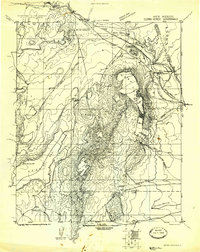 1917 Cerro Verde1917 Print · USGSNorthwestern New Mexico’s high desert landscape is captured here during the First World War era, showing a mix of ancient land grants and rail-side outposts. Genealogists and historians can trace family-named sites like Vigil, Baca, and the Correo Post Office along the Atchison Topeka and Santa Fe line.
 - 1934 Map of Alameda
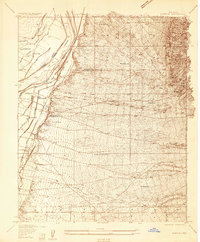 1934 Alameda1934 Print · USGSThe Rio Grande valley in the mid-1930s reveals a landscape of deep-rooted land grants and modernizing infrastructure. Genealogists and historians can trace the irrigation ditches around Alameda and find landmarks like the Nazareth Sanatorium and KOB Radio Transmitter.
 - 1934 Map of West Albuquerque
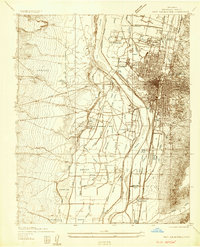 1934 West Albuquerque1934 Print · USGSThe Rio Grande Valley near Albuquerque was a complex landscape of irrigation and industry during the mid-thirties. Genealogists and historians can trace family-named schools and early city infrastructure, from the US Indian School to the Old Town Bridge and Hubble Lake.
 - 1934 Map of Griegos
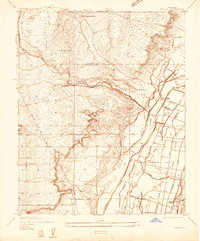 1934 Griegos1934 Print · USGSThe Rio Grande valley north of Albuquerque is shown here in the mid-thirties as a landscape of historic land grants and complex irrigation. Genealogists and historians can trace the early rail-and-road network near Hahn Station and the Alameda Bridge.
 - 1934 Map of East Albuquerque
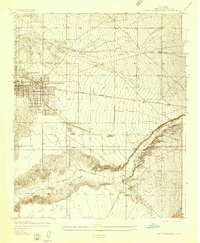 1934 East Albuquerque1934 Print · USGSAlbuquerque's eastern reaches are captured in the mid-1930s just as federal and institutional growth began defining the city. Local historians can trace the early University of New Mexico campus and the original Albuquerque Landing Field.
 - 1938 Map of Albuquerque
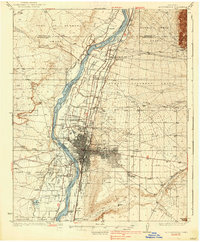 1938 Albuquerque1938 Print · USGSAlbuquerque and the Rio Grande Valley are shown in the late 1930s, when irrigation ditches still defined the rural landscape between the river and the mountains. Researchers can trace ancestral lands through the Town of Atrisco Grant or locate landmarks like the U S Indian School and Old Albuquerque.
 - 1952 Map of Wind Mesa, 1953 Print
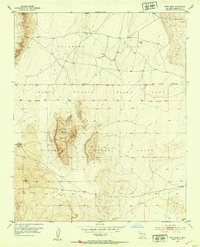 1952 Wind Mesa1953 Print · USGSTraditional tribal lands and volcanic geology define this mid-century survey of the New Mexico desert. Researchers can trace the boundaries of the Isleta Pueblo Grant and Pajarito Grant across the volcanic flows of Wind Mesa.3 unique versions available
 - 1952 Map of Dalies, 1953 Print
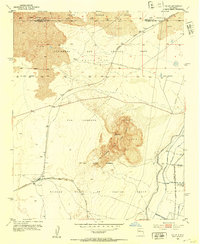 1952 Dalies1953 Print · USGSThe high desert south of Albuquerque was a land of sprawling rail junctions and historic land grants in the early fifties. Genealogists and historians can trace the rail networks at Dalies or locate the New Mexico Penitentiary Farm and El Cerro de los Lunas.2 unique versions available
 - 1952 Map of Rio Puerco, 1953 Print
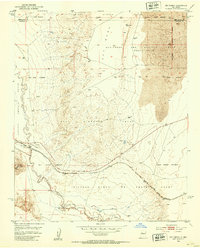 1952 Rio Puerco1953 Print · USGSSpanish land grants still shaped the landscape of central New Mexico during the early fifties. Genealogists and historians can trace property lines through the San Clemente Grant and locate the small riverside stop of Rio Puerco near the Atchison Topeka and Santa Fe railroad.2 unique versions available
 - 1952 Map of Hubbell Spring, 1953 Print
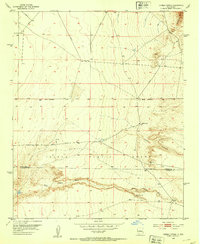 1952 Hubbell Spring1953 Print · USGSThe Isleta Pueblo region in the early fifties shows a rugged landscape of ranching and early aviation infrastructure. Researchers can trace the boundaries of Mc Cormick Ranch and locate remote landmarks like Hubble Spring and the Ojo de la Cabra spring.4 unique versions available
 - 1952 Map of Los Lunas, 1954 Print
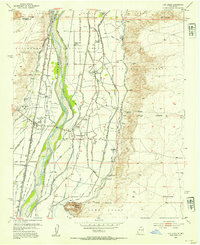 1952 Los Lunas1954 Print · USGSThe Rio Grande valley comes alive in this mid-century survey of Valencia County, showing the intricate network of canals and historic land grants. Genealogists can locate family landmarks like Romero Ranch, El Camposanto de la Liverta, and the Chical Indian School.3 unique versions available
 - 1952 Map of Isleta, 1954 Print
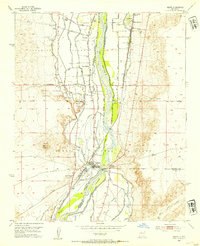 1952 Isleta1954 Print · USGSThe Rio Grande valley south of Albuquerque was a complex network of irrigation and transit in the early fifties. Local historians can trace the foundations of Pajarito and Isleta Pueblo alongside landmarks like St Andres Ch and the Isleta Diversion Dam.3 unique versions available
 - 1952 Map of Dalies NW, 1954 Print
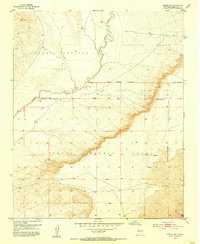 1952 Dalies NW1954 Print · USGSNew Mexico's high desert reveals its historic land partitions during the early fifties, where the Rio Puerco cuts through traditional territories. Researchers can trace the massive boundaries of the Isleta Pueblo Indian Land Grant and locate the remote Community Well.3 unique versions available
 - 1954 Map of Sandia Crest, 1955 Print
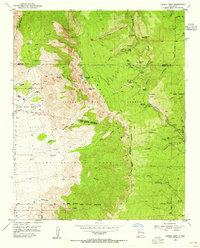 1954 Sandia Crest1955 Print · USGSThe high peaks and deep canyons of Bernalillo County come into sharp focus in the mid-1950s as recreation and infrastructure began to expand. Genealogists and hikers can trace old routes like the La Luz Trail or locate remote landmarks like Ellis Ranch and Cañoncito Cemetery.2 unique versions available
 - 1954 Map of Herrera, 1955 Print
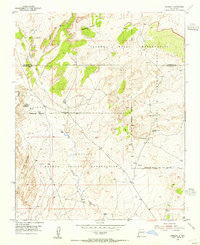 1954 Herrera1955 Print · USGSTribal lands and early ranching infrastructure converge in this mid-fifties New Mexico survey of Bernalillo and Sandoval counties. Genealogists and historians can locate the Herrera settlement, the Capilla de San Ignacio, and the now-vacant CCC Camp (Aban'd).3 unique versions available
 - 1954 Map of Alameda, 1955 Print
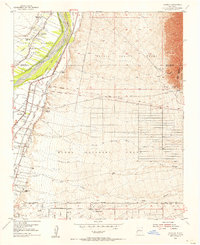 1954 Alameda1955 Print · USGSThe Rio Grande valley and the Sandia foothills meet in this mid-century survey of the historic land grants north of Albuquerque. Researchers can trace early irrigation canals, the path of El Camino Real, and landmarks like Sandia View Academy and San Ysidro Ch.
 - 1954 Map of South Garcia, 1955 Print
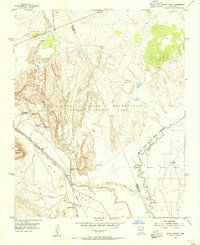 1954 South Garcia1955 Print · USGSThe high desert of Valencia County in the mid-1950s is defined here by tribal lands and cattle ranching. Trace early landmarks like the Antonio Sedillo Grant Headquarters and the Atchison Topeka and Santa Fe railroad.2 unique versions available
 - 1954 Map of Bosque Peak, 1955 Print
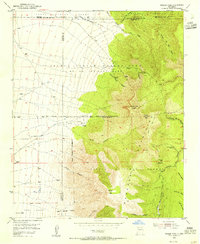 1954 Bosque Peak1955 Print · USGSThe Manzano Mountains and historic land grants define this New Mexico landscape in the mid-fifties. Researchers can trace the boundaries of the Isleta Indian Reservation and locate remote landmarks like Fourth of July Spring or Bosque Peak.3 unique versions available
 - 1954 Map of Chilili, 1955 Print
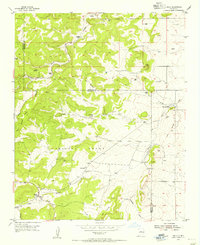 1954 Chilili1955 Print · USGSThe Chilili Grant in the 1950s reveals a landscape of high-country ranches and deep arroyos at the junction of Bernalillo and Torrance counties. Researchers can trace historic homesteads like the Thompson Place and Danvik Place or locate the site of Old Chilili.3 unique versions available
 - 1954 Map of Sandia Park, 1955 Print
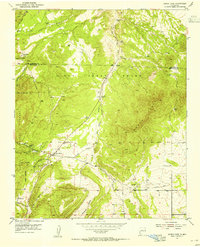 1954 Sandia Park1955 Print · USGSIn the Sandia Mountains during the mid-fifties, this area shows a quiet transition between old land grants and national forest. Researchers can trace ancestral sites and early industry at the Pa-ako Ruins, the Smelter Ruins, and the La Madera Cemetery.4 unique versions available
 - 1954 Map of South Garcia SE, 1955 Print
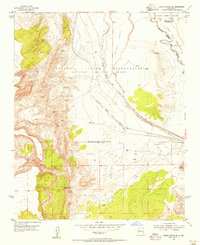 1954 South Garcia SE1955 Print · USGSValencia County land and tribal grants are captured here in the mid-fifties, dominated by the sweeping desert terrain of the Laguna Indian Reservation. Genealogists and historians can trace the Atchison Topeka and Santa Fe rail line and locate ancient sites including several Indian Ruins.3 unique versions available
 - 1954 Map of Volcano Ranch, 1955 Print
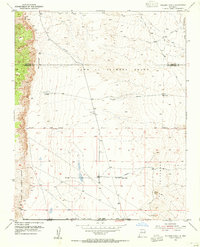 1954 Volcano Ranch1955 Print · USGSNew Mexico's high desert west of the Rio Grande is captured here in the mid-fifties, showing a landscape still defined by historic land grants. Genealogists and historians can trace old ranching outposts like Volcano Ranch and Black Ranch near the prominent peaks of The Volcanoes.4 unique versions available
 - 1954 Map of San Pedro, 1955 Print
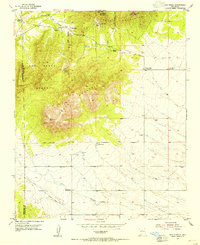 1954 San Pedro1955 Print · USGSSanta Fe County's high-elevation ranching and mining country is captured here in the mid-fifties, just as older infrastructure was fading into the landscape. Trace family history at San Pedro Cemetery or follow the Old Railroad Grade past Cedar Grove.3 unique versions available
 - 1954 Map of Mount Washington, 1955 Print
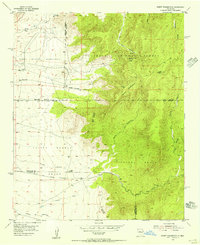 1954 Mount Washington1955 Print · USGSThe Manzano Mountains and the Isleta Pueblo are captured here in the mid-1950s, showing a landscape defined by federal land and indigenous heritage. Trace the transition from the Sandia Military Reservation to landmarks like the Manzano Lookout Tower and Coyote Springs.4 unique versions available
Showing maps 1-25 of 94
Top cities of Bernalillo County
- Albuquerque historical maps
- South Valley historical maps
- Los Ranchos de Albuquerque historical maps
- Paradise Hills historical maps
- Cedar Crest historical maps
- Tijeras historical maps
Frequently asked questions
- What are the different types of historical maps available for Bernalillo County?
- What is the oldest map of Bernalillo County?
- Where can I purchase historical maps of Bernalillo County for my home or office?
- Where can I download high-res historical maps of Bernalillo County?
- Are there historical topographic maps available for Bernalillo County?
- Is there historical aerial imagery available for Bernalillo County?
- Where are historical maps of Bernalillo County sourced from?