Old Maps of Jarosa, New Mexico for Genealogy
Trace your family roots with 13 historic maps of Jarosa. These high-res maps reveal old neighborhoods, homesites, landmarks, and streets — helping you uncover where your ancestors lived and how the area evolved over time.
- Explore historic neighborhoods: Identify where your relatives may have lived in the 1800s or 1900s.
- Compare maps over time: Trace the changes in streets, buildings, and landmarks for multi-generational research.
- Perfect for genealogy & ancestry research: Used by family historians and researchers to map out lineage and migration.
These maps are an incredible resource for exploring your personal connection to Jarosa's past.
Jarosa, NM maps
(13)- 1909 Map of Gallina
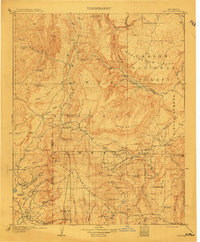 1909 Gallina1909 Print · USGSUpper New Mexico at the end of the territorial era is captured here, showing the remote ranching and mining country along the Continental Divide. Genealogists and historians can locate early homesteads like Hart Ranch, the mining-era Copper City, and ancient Cliff Dwellings.2 unique versions available
 - 1953 Map of Jarosa, 1955 Print
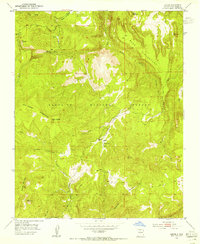 1953 Jarosa1955 Print · USGSRio Arriba County’s high forest terrain is captured here in the early fifties, showing the remote drainages of the Santa Fe National Forest. Researchers can locate old cattle-country landmarks like Teakettle Rock, the Rio Puerco Campground, and isolated Ruins.3 unique versions available
 - 1953 Map of Youngsville, 1956 Print
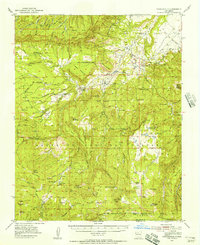 1953 Youngsville1956 Print · USGSNorthern New Mexico in the early fifties was a land of high mesas and remote timber operations near the edge of the forest grants. Genealogists and historians can trace family locations at the C Serrano Cabin, Mesa Poleo School, and Santa Teresa Church.2 unique versions available
 - 1954 Map of Aztec, 1975 Print
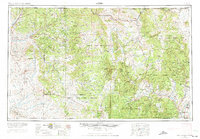 1954 Aztec1975 Print · USGSNorthern New Mexico and southern Colorado come alive in the mid-1950s, showing the high-country settlements and tribal lands of the San Juan Basin. Genealogists and historians can trace the path of the Denver & Rio Grande Western RR and locate communities like Abiquiu, Park View, and Lumberton.4 unique versions available
 - 1958 Map of Aztec
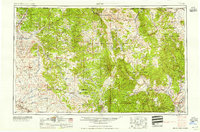 1958 Aztec1958 Print · USGSNorthern New Mexico and the southern Colorado border are captured here during the mid-fifties, showing the rugged intersection of national forests and tribal lands. Researchers can trace the Denver and Rio Grande Western rail line and locate remote outposts like Blanco Trading Post or Sargent Ranch.
 - 1962 Map of Aztec
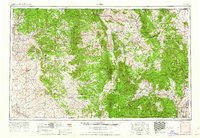 1962 Aztec1962 Print · USGSNorthwestern New Mexico in the early sixties showcases a landscape defined by the arrival of the Navajo Reservoir and the high-altitude timber of the Carson National Forest. Trace the path of the Denver & Rio Grande Western RR or locate historic settlements like Tierra Amarilla and Gobernador.
 - 1965 Map of Aztec
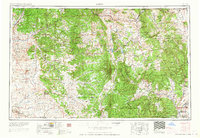 1965 Aztec1965 Print · USGSNorthern New Mexico and southern Colorado come alive in the mid-sixties, from the San Juan Basin to the high Jemez Mountains. Trace the narrow-gauge Denver & Rio Grande Western RR through Monero or locate old outposts like Blanco Trading Post.
 - 2002 Map of Jarosa, 2003 Print
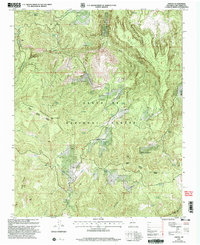 2002 Jarosa2003 Print · USGSThe high forest lands of Rio Arriba County appear here just after the turn of the millennium, centered on the Santa Fe National Forest. Researchers can trace old mountain water sources and landforms like Teakettle Rock Spring, Jarosa Canyon, and Mining Mountain.
 - 2011 Map of Jarosa, 2011 Print
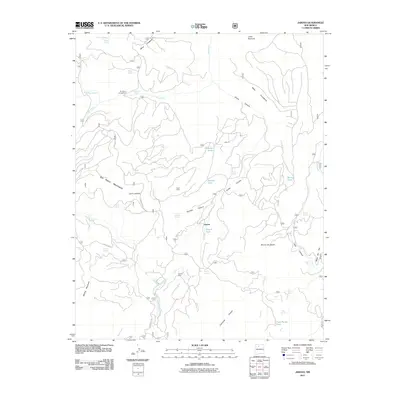 2011 Jarosa2011 Print · USGSUpper Rio Arriba County appears in the early twenty-first century as a landscape of remote mountain canyons and high mesas. Researchers can trace historic land use through sites like Jarossa Mine, the settlement of Saint Jude, and named landmarks like Rincon de Jaques.
 - 2013 Map of Jarosa, 2013 Print
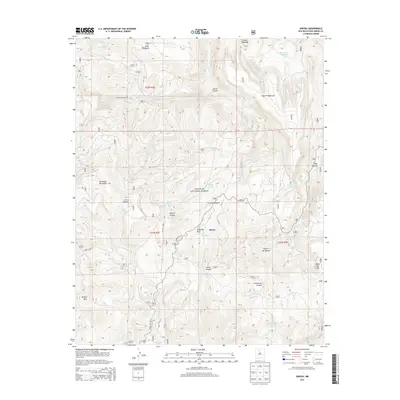 2013 Jarosa2013 Print · USGSIn the high country of Rio Arriba County during the early twenty-first century, the mountain landscape is defined by the Santa Fe National Forest. Local history enthusiasts can trace the terrain around Jarosa, locating landmarks like Teakettle Rock and the seasonal waters of Rito Cafe.
 - 2017 Map of Jarosa, 2017 Print
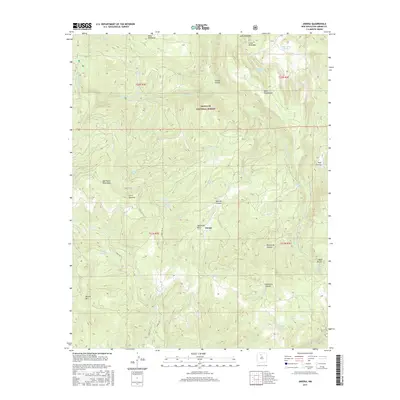 2017 Jarosa2017 Print · USGSRio Arriba County’s high forest country is documented here in the late twenty-teens, showing a landscape defined by mountain peaks and a specialized water network. Researchers can identify local landmarks like Teakettle Rock or trace backcountry routes along Forest Rd 103 near Mining Mtn.
 - 2020 Map of Jarosa, 2020 Print
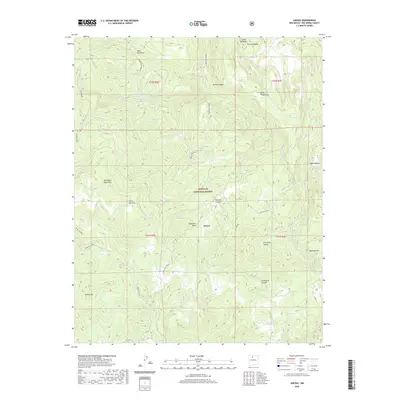 2020 Jarosa2020 Print · USGSHighlands in Rio Arriba County during the modern era are defined by the convergence of the San Pedro Mountains and the Santa Fe National Forest. Researchers can trace the settlement at Jarosa and locate numerous named landmarks such as Teakettle Rock and Mesa del Ojo.
 - 2023 Map of Jarosa, 2023 Print
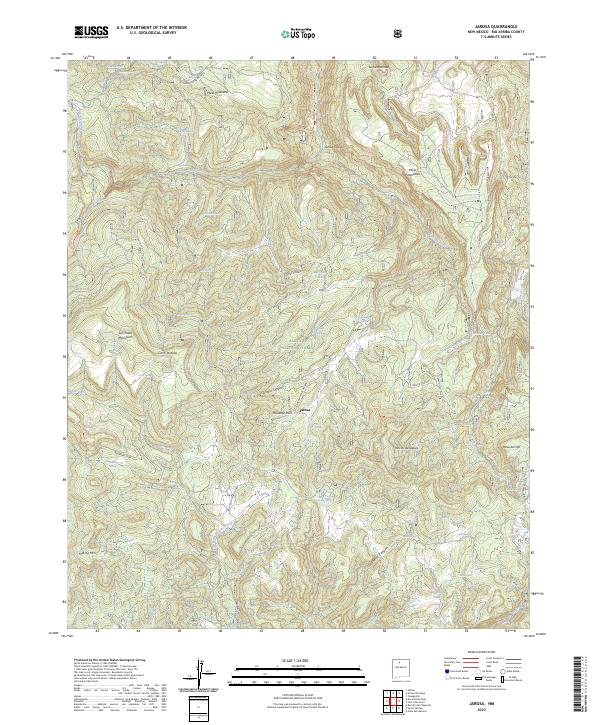 2023 Jarosa2023 Print · USGSThis part of Rio Arriba County within the Santa Fe National Forest is mapped as it appears today, showing a landscape of high mesas and remote springs. You can trace family-named landmarks and geographic features like Teakettle Rock, Mining Mtn, and the small settlement of Jarosa.
End of results
Showing maps 1-13 of 13
Frequently asked questions
- What are the different types of historical maps available for Jarosa?
- What is the oldest map of Jarosa?
- Where can I purchase historical maps of Jarosa for my home or office?
- Where can I download high-res historical maps of Jarosa?
- Are there historical topographic maps available for Jarosa?
- Is there historical aerial imagery available for Jarosa?
- Where are historical maps of Jarosa sourced from?