1940s Maps of Greene County, New York
Explore 31 historic maps of Greene County from the 1940s. These maps offer a rare glimpse into what life looked like during the 1940s — showing old roads, neighborhoods, homes, and landmarks that have changed or disappeared over time.
Whether you're researching your family's past, planning a metal detecting trip, or studying how Greene County's landscape evolved across the 1940s, these high-resolution maps are a powerful tool for exploring the history of this region.
- Focus on a specific era: All maps on this page are from the 1940s, giving you a focused view of this time period.
- See what’s changed: Compare century-old streets, trails, and buildings to today's modern landscape using overlays and satellite layers.
- Research with precision: Use these maps for genealogy, historical research, land use analysis, or educational projects.
- View, download, or print: Maps are fully viewable online in high resolution, and can be downloaded or printed for your own records.
Start exploring Greene County's history through authentic maps from the 1940s. This is your window into the past.
Greene County, NY maps
(31)- 1941 Map of Catskill, 1945 Print
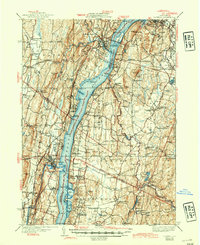 1941 Catskill1945 Print · USGSThe Hudson River valley at the start of the Second World War shows a landscape defined by historic estates and new river crossings. Genealogists and historians can trace the foundations of Bard College, locate the Birthplace of Robert Livingston, and explore early hamlets like Katsbaan and Cheviot.
 - 1943 Map of Freehold, 1964 Print
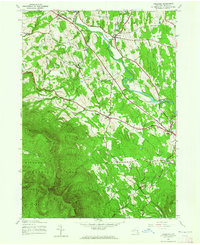 1943 Freehold1964 Print · USGSThe northern Catskills met the valley settlements of Greene County in the 1940s, showing a landscape of high peaks and rural villages. Researchers can trace family sites near St Marys Ch, Taylor Cem, or along the banks of Catskill Creek.2 unique versions available
 - 1945 Map of Freehold, 1946 Print
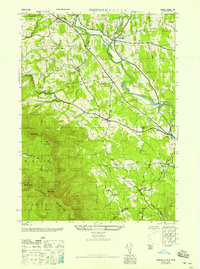 1945 Freehold1946 Print · USGSGreene County is shown here in the mid-1940s, where the agricultural valleys of the Catskill foothills meet the high peaks of the Escarpment. Researchers can trace family history through local landmarks like Snyder Cem, St Edmunds Chapel, and the hamlets of East Durham and Freehold.
 - 1945 Map of West Kill, 1946 Print
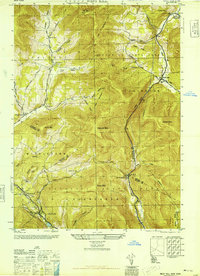 1945 West Kill1946 Print · USGSThe High Peaks region of the Catskills is captured here at the close of the 1940s, showing a landscape defined by deep valleys and timbered ridges. Genealogists can trace family names and sites like Halcott Cem, Bushnellsville, and several local schoolhouses including School No 2.
 - 1945 Map of Fleischmanns, 1946 Print
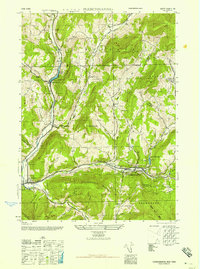 1945 Fleischmanns1946 Print · USGSFleischmanns and the rugged Delaware County highlands are captured here just after the war, showing the mountain hollows and valley settlements in detail. Genealogists can trace family-named sites like Schemehorn Cem, Denver Sch, and the rail stops of the New York Central.4 unique versions available
 - 1945 Map of Greenville, 1960 Print
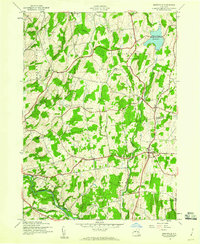 1945 Greenville1960 Print · USGSThe Catskill foothills of Albany and Greene Counties appear here at the end of the war, showing a landscape of tight-knit rural hamlets. Researchers can trace family history through landmarks like Smith Corner, Westerlo Central Cem, and School No 6.2 unique versions available
 - 1945 Map of Roxbury, 1960 Print
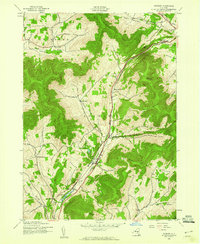 1945 Roxbury1960 Print · USGSDelaware County's high valleys and mountain hollows are captured here just after the war, when the river and rail were the lifeblood of the Catskills. Genealogists and historians can trace family locations through Moffit Settlement, the rural Township Ch, and the rail hub at Grand Gorge.4 unique versions available
 - 1945 Map of Prattsville, 1960 Print
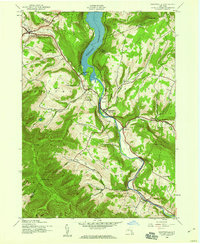 1945 Prattsville1960 Print · USGSThe northern Catskills appear here in the mid-1940s as a landscape of steep ridges and valley settlements tied to the Schoharie Creek. Researchers can trace rural life through sites like School No 1 or family burial grounds such as Huntersfield Cem and Rappleyea Cem.3 unique versions available
 - 1945 Map of Bearsville, 1962 Print
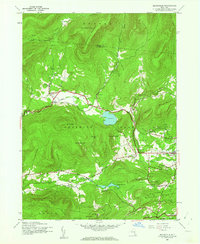 1945 Bearsville1962 Print · USGSThe Woodstock valley and the surrounding Catskill peaks appear here just after the war, showing a landscape of high summits and valley hamlets. Researchers can trace historic school districts like School No 1 and old settlements at Byrdcliffe and Lake Hill.3 unique versions available
 - 1945 Map of Hunter, 1962 Print
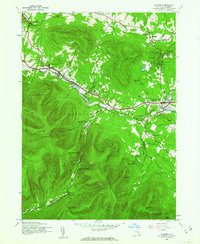 1945 Hunter1962 Print · USGSThe Greene County highlands in the 1940s show a region shaped by high mountain passes and narrow creek valleys. Genealogists and hikers can trace the foundations of Hunter and Tannersville, locating landmarks like Evergreen Cem and Devils Tombstone.2 unique versions available
 - 1945 Map of Woodstock, 1963 Print
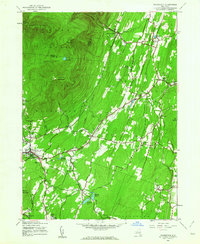 1945 Woodstock1963 Print · USGSUlster County's mountainous borderlands come into focus at the end of the Second World War as the region's rural character remains largely intact. Genealogists and hikers can trace old property lines and landmarks from West Saugerties to Overlook Mountain, including several legacy schoolhouses like School No 15.4 unique versions available
 - 1945 Map of Ashland, 1963 Print
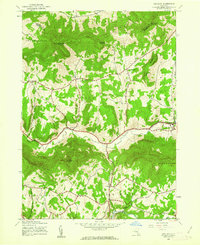 1945 Ashland1963 Print · USGSGreene County in the mid-1940s shows a landscape of upland farming and quiet mountain hamlets before modern development altered these rural valleys. Researchers can locate family sites and landmarks like North Settlement Cem, School No 3, and the village of Ashland.3 unique versions available
 - 1945 Map of Livingstonville, 1966 Print
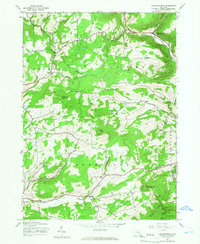 1945 Livingstonville1966 Print · USGSSchoharie County's mountain valleys were still defined by a network of one-room schoolhouses and small hamlets in the mid-1940s. Researchers can trace ancestral sites like Scott Patent Ch or locate rural districts such as School No 8 and School No 13.2 unique versions available
 - 1945 Map of Hensonville, 1967 Print
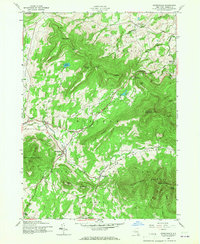 1945 Hensonville1967 Print · USGSThe high peaks of the Catskills meet quiet valley settlements in this mid-1940s survey of Greene County. Local researchers can trace the roads through Hensonville and Maplecrest or locate mountain landmarks like the Lookout Tower and Lake Heloise.
 - 1945 Map of Durham, 1967 Print
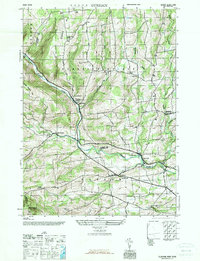 1945 Durham1967 Print · USGSThe northern Catskills appear here in the mid-1940s, showing a transition toward centralized education and post-war rural life. Researchers can trace historic hamlets like Preston Hollow and find family names at Oak Hill Cem or Brookside Cem.
 - 1946 Map of Roxbury
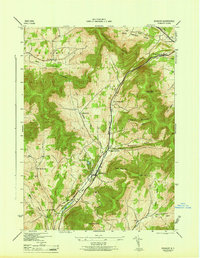 1946 Roxbury1946 Print · USGSMid-century Delaware County was defined by its tight mountain valleys and the New York Central railroad. Researchers can trace the layout of small communities like Grand Gorge and Roxbury, alongside local landmarks like Tyler Cem.
 - 1946 Map of Durham
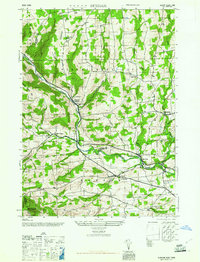 1946 Durham1946 Print · USGSThe Catskill foothills in the mid-1940s reveal a network of isolated hamlets and upland farms. Genealogists can trace family names and local landmarks through sites like Brookside Cem, Potter Hollow, and the Cheese Hill School.2 unique versions available
 - 1946 Map of Bearsville
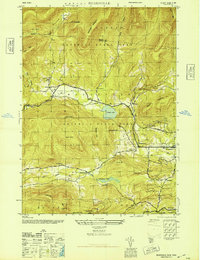 1946 Bearsville1946 Print · USGSThe Woodstock area and the eastern Catskills are captured in the mid-1940s as an established mountain retreat. Genealogists and hikers can trace the old turnpikes and district schoolhouses like School No 4 near Bearsville or the roads leading to Byrdcliffe.
 - 1946 Map of Hunter
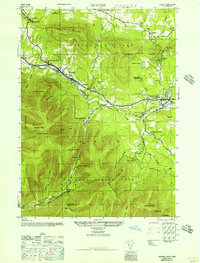 1946 Hunter1946 Print · USGSThe northern Catskills appear in the mid-1940s, showing a landscape of mountain resorts and close-knit villages. Genealogists can locate family landmarks like EVERGREEN CEM, St Johns Ch, and the many camps dotting Schoharie Creek.
 - 1946 Map of Lexington
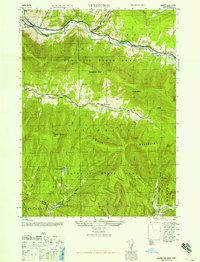 1946 Lexington1946 Print · USGSThe Greene and Ulster county line crosses these high peaks in the mid-1940s, showing a landscape defined by deep hollows and high summits. Genealogists can locate family landmarks like Parker Cem, the Broadstreet Sch, and the seasonal Camp Allegro.
 - 1946 Map of Greenville
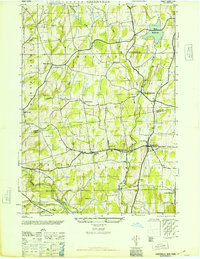 1946 Greenville1946 Print · USGSThe rural landscapes of Albany and Greene Counties are captured here in the mid-1940s, showing the quiet transition from farmland to foothills. Genealogists can locate family landmarks like O'Hara Corners, Stone Bridge Cem, and various rural schoolhouses.
 - 1946 Map of Kaaterskill
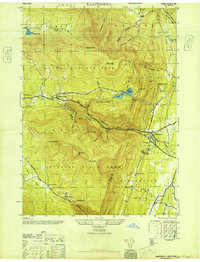 1946 Kaaterskill1946 Print · USGSThe northern Catskills appear in great detail just after the war, showing the classic resort landscape from Tannersville to Palenville. Genealogists and hikers can trace the original paths to the Mountain House and locate family names at the Shoub Cem.7 unique versions available
 - 1946 Map of Prattsville
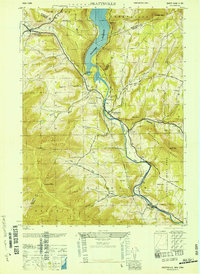 1946 Prattsville1946 Print · USGSThe Catskills in the 1940s reveal a landscape of high peaks and managed waters. Genealogists can trace family roots through numerous small burial grounds like Fairlawn Cem and Huggins Cem, or locate local landmarks like School No 1.
 - 1946 Map of Phoenicia
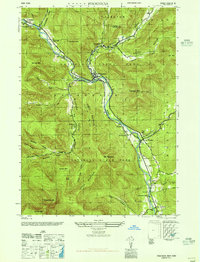 1946 Phoenicia1946 Print · USGSThe Esopus Creek valley in the mid-1940s served as a bustling mountain corridor for the New York Central railroad. Genealogists can locate family landmarks like the Shandaken Rural Cem and early landmarks such as the Lookout Tower on Tremper Mtn.
 - 1946 Map of Livingstonville
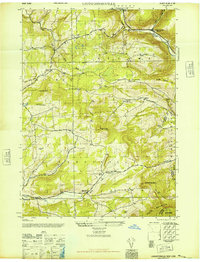 1946 Livingstonville1946 Print · USGSThe Schoharie and Albany county borders meet here in the mid-1940s, showing a landscape of high Catskill peaks and narrow creek valleys. Researchers can locate family roots via several rural schoolhouses and cemeteries like Keyser Cem and School No 12.
Showing maps 1-25 of 31
Top cities of Greene County
- Catskill historical maps
- Coxsackie historical maps
- Cairo historical maps
- Athens historical maps
- Greenville historical maps
- New Baltimore historical maps
See more
Frequently asked questions
- What are the different types of historical maps available for Greene County?
- What is the oldest map of Greene County?
- Where can I purchase historical maps of Greene County for my home or office?
- Where can I download high-res historical maps of Greene County?
- Are there historical topographic maps available for Greene County?
- Is there historical aerial imagery available for Greene County?
- Where are historical maps of Greene County sourced from?