Old Maps of Mahopac, Carmel for Hiking & Exploration
Hike through history with 44 historic maps of Mahopac. Explore old trails, ghost towns, and forgotten backroads — perfect for outdoor adventurers and local explorers.
- Rediscover forgotten places: Map out old mining camps, roads, and footpaths that no longer exist on modern maps.
- Layer with modern tools: Combine with LiDAR or satellite views to plan hikes through historical terrain.
- Made for exploration: Popular among hikers, overlanders, and local history lovers.
Use these maps to find adventure and explore the hidden past of Mahopac.
Mahopac, Carmel maps
(44)- 1892 Map of West Point
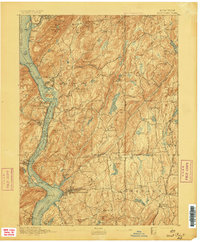 1892 West Point1892 Print · USGSThe Hudson Highlands and river valley are captured here in the early 1890s, when iron mining and river-side rail travel defined the region. Trace ancestral roots and old landmarks from the military grounds at West Point to the iron operations at Mahopac Mine and the rail hub at Peekskill.
 - 1892 Map of Carmel
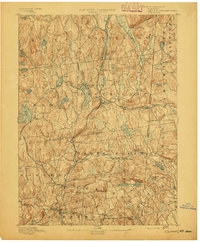 1892 Carmel1892 Print · USGSThe Putnam and Westchester borderlands are captured here in the late 1800s, showcasing a landscape of critical rail junctions and expanding reservoirs. Genealogists and historians can trace family-named sites like Coles Mills and Towner, or follow the industrial activity at the Tilly Foster Mine.
 - 1893 Map of Carmel
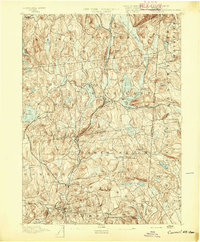 1893 Carmel1893 Print · USGSLower New York and western Connecticut appear here in the final decade of the nineteenth century, as the Croton watershed was being engineered for the city. Genealogists and historians can trace rail lines like the Mahopac Branch and find local landmarks such as the Tilly Foster Mine and Somers Center.
 - 1894 Map of West Point
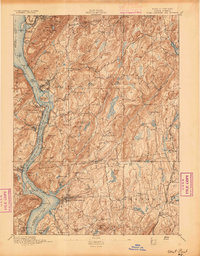 1894 West Point1894 Print · USGSThe Hudson Highlands in the late nineteenth century were a hub of river commerce and rail expansion. Genealogists and local historians can trace the footprint of the West Point military grounds, the industrial Mahopac Mines, and early settlements like Yorktown Heights.3 unique versions available
 - 1894 Map of Carmel
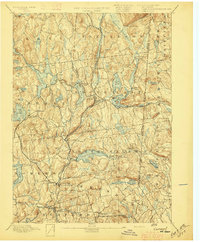 1894 Carmel1894 Print · USGSLower New York and western Connecticut appear here in the late nineteenth century as the Croton watershed was being heavily reshaped. Researchers can trace the early footprints of Brewster, the depths of the Tilly Foster Mine, and the original rail paths of the Mahopac Branch.8 unique versions available
 - 1899 Map of West Point
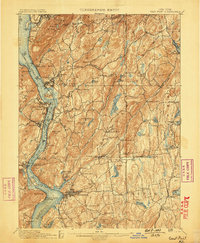 1899 West Point1899 Print · USGSThe Hudson Highlands and military grounds at West Point are detailed in this survey from the closing years of the nineteenth century. Genealogists can trace old family-named sites like Mc Keel Corners or Travis Corners, while historians can locate the Mahopac Mines and the Albany Post Road.
 - 1901 Map of West Point
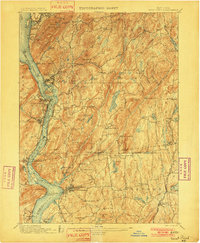 1901 West Point1901 Print · USGSThe Hudson Highlands and West Point are shown at the turn of the century, when river railroads and mountain mines defined the local economy. Genealogists can trace family landmarks and hamlets like Nelsonville, Mahopac Mines, and Yorktown Heights.12 unique versions available
 - 1928 Map of Carmel
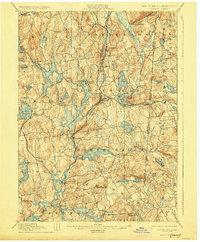 1928 Carmel1928 Print · USGSNear the New York and Connecticut border during the late 1920s, this landscape shows a network of massive reservoirs built to serve the city. Genealogists and historians can trace rail-era developments like the New York and Harlem RR and locate sites such as the Tilly Foster Mine and Farmers Mills.5 unique versions available
 - 1936 Map of West Point
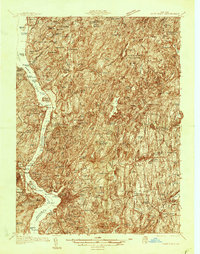 1936 West Point1936 Print · USGSThe Hudson Highlands in the mid-1930s reveal a landscape of strategic military grounds and evolving state parks. Genealogists and historians can trace old family burial grounds like Halstead Cem, the workings of the Mahopac Mines, and the early layout of West Point.2 unique versions available
 - 1941 Map of West Point
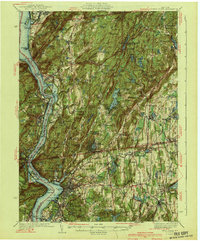 1941 West Point1941 Print · USGSThe Hudson Highlands were undergoing significant change in the years leading up to the war, blending heavy industry with expanding military installations. Genealogists can trace family lines through Continental Village, Hillside Cem, and the various schools like Manitou Sch.3 unique versions available
 - 1943 Map of Lake Carmel, 1958 Print
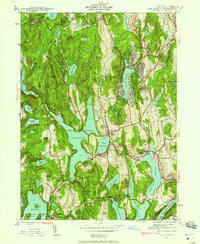 1943 Lake Carmel1958 Print · USGSPutnam County in the 1940s is defined by its massive reservoirs and the growth of lakeside communities like Lake Carmel. Researchers can trace old family lineages through the Raymond Hill Cem or locate industrial sites like the Tilly Foster Mine.
 - 1944 Map of Croton Falls
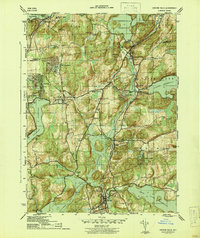 1944 Croton Falls1944 Print · USGSUpper Westchester and Putnam counties are seen here during the mid-forties, characterized by a vast network of reservoirs and the New York Central rail line. Researchers can locate family landmarks like the Wandell Cem, trace the early grounds of the Reformatory, and find community centers like Somers and Purdy.2 unique versions available
 - 1944 Map of Lake Carmel
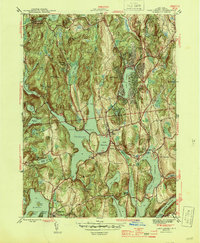 1944 Lake Carmel1944 Print · USGSPutnam County during the mid-1940s shows a landscape of deep reservoirs and rising recreational retreats. Genealogists and historians can trace the foundations of the area at Tilly Foster Mine, the Drew Seminary, and Raymond Hill Cem.2 unique versions available
 - 1947 Map of West Point
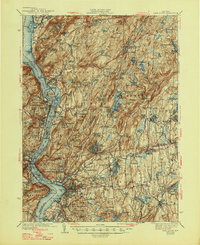 1947 West Point1947 Print · USGSThe Hudson Highlands and the Peekskill waterfront are captured just before the post-war boom, showing the critical junction of river, rail, and early parkways. Genealogists can trace family landmarks and burial sites like Cold Spring Cem, Amawalk Cem, and the historic Mahopac Mines.
 - 1947 Map of Hartford, 1955 Print
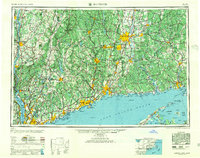 1947 Hartford1955 Print · USGSSouthern New England and the Hudson Valley are shown in detail during the post-war expansion era. Genealogists and researchers can trace local landmarks from the State Capitol and Yale University to the Stratford Lighthouse and Woodlawn Cem.2 unique versions available
 - 1948 Map of Hartford
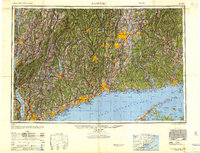 1948 Hartford1948 Print · USGSSouthern New England is captured here in the late 1940s, showcasing a landscape of thriving industrial cities and developing parkways. Genealogists and historians can trace the rail networks of the New York New Haven and Hartford RR or locate coastal defense sites like Fort Terry and Camp Shanks.2 unique versions available
 - 1956 Map of Mohegan Lake, 1958 Print
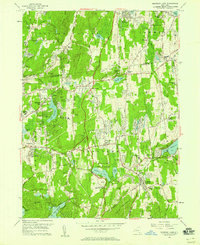 1956 Mohegan Lake1958 Print · USGSWestchester and Putnam counties are captured in the mid-fifties during a period of steady suburban growth around traditional hamlets. Researchers can trace family roots at the Amawalk Hill Cem, locate the Loyola Seminary, or follow the New York Central Railroad.5 unique versions available
 - 1956 Map of Oscawana Lake, 1959 Print
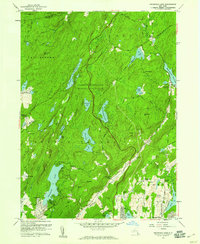 1956 Oscawana Lake1959 Print · USGSThe mid-fifties landscape of Putnam County reveals a dense network of Hudson Valley reservoirs and parks centered around Oscawana Lake. Researchers can trace old mountain roads to the Mahopac Mines, Free Grave Cemetery, and the Fahnestock Ski Slope.4 unique versions available
 - 1960 Map of Lake Carmel, 1962 Print
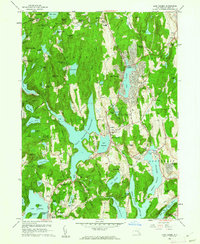 1960 Lake Carmel1962 Print · USGSPutnam County in the early sixties reveals a landscape of expanding residential tracts and massive water works. Genealogists can trace family roots through Raymond Hill Cem, the Towner Sch, or the small settlement of Farmers Mills.4 unique versions available
 - 1960 Map of Croton Falls, 1963 Print
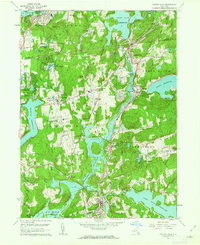 1960 Croton Falls1963 Print · USGSNorthern Westchester and Putnam County appear in the early sixties as a network of vital reservoirs and rail-stop towns. Genealogists and historians can trace institutional sites like Lincoln Hall and family burial grounds like Ivandell Cem and Warren Cem.4 unique versions available
 - 1961 Map of Hartford
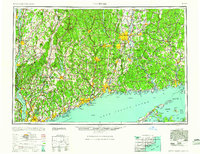 1961 Hartford1961 Print · USGSSouthern New England and the Hudson Valley are shown here in the mid-fifties, capturing a landscape of booming coastal cities and interior hill towns. Researchers can trace the legacy of the New York New Haven and Hartford rail corridor and find strategic sites like Camp Shanks and Fort Michie.
 - 1962 Map of Hartford, 1971 Print
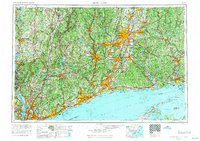 1962 Hartford1971 Print · USGSSouthern New England and the Hudson Valley are shown in the early sixties, as suburban growth reached into the foothills. Trace the path of the New York New Haven & Hartford RR and find landmarks like Camp Nathan Hale and Gillette Castle State Park.3 unique versions available
 - 1965 Map of Hartford
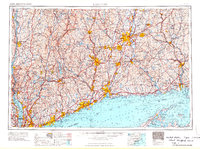 1965 Hartford1965 Print · USGSSouthern New England and the Hudson Valley are shown here during the mid-sixties expansion of the Interstate era. Trace the path of the New York New Haven & Hartford RR or locate historic landmarks like West Point Military Reservation and the Merritt Parkway.2 unique versions available
 - 1986 Map of Bridgeport
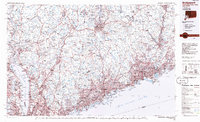 1986 Bridgeport1986 Print · USGSSpanning the New York and Connecticut border in the mid-eighties, this survey shows the dense rail and parkway network connecting the Hudson to the Sound. Researchers can trace the massive New Croton Reservoir system or locate landmarks like the West Point U.S. Military Academy.3 unique versions available
 - 2010 Map of Lake Carmel, 2010 Print
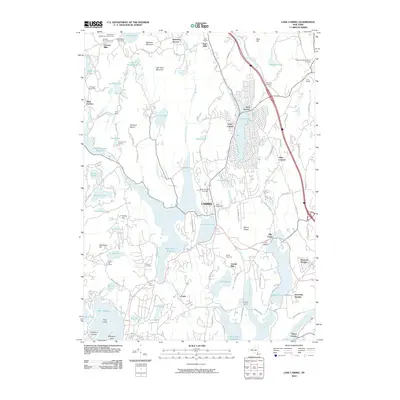 2010 Lake Carmel2010 Print · USGSCarmel and the Putnam County highlands are shown here in the early twenty-first century, revealing a landscape shaped by vast reservoirs and historic burial grounds. Researchers can trace family roots at Raymond Hill Cemetery and Ellis Cemetery or locate old settlements like Tilly Foster and Farmers Mills.
Showing maps 1-25 of 44
Top cities near Mahopac
- Stamford historical maps
- Clarkstown historical maps
- Danbury historical maps
- Poughkeepsie historical maps
- Mount Pleasant historical maps
- Cortlandt historical maps
See more
Top neighborhoods of Mahopac
Frequently asked questions
- What are the different types of historical maps available for Mahopac?
- What is the oldest map of Mahopac?
- Where can I purchase historical maps of Mahopac for my home or office?
- Where can I download high-res historical maps of Mahopac?
- Are there historical topographic maps available for Mahopac?
- Is there historical aerial imagery available for Mahopac?
- Where are historical maps of Mahopac sourced from?