1950s Maps of Wayne County, New York
Explore 23 historic maps of Wayne County from the 1950s. These maps offer a rare glimpse into what life looked like during the 1950s — showing old roads, neighborhoods, homes, and landmarks that have changed or disappeared over time.
Whether you're researching your family's past, planning a metal detecting trip, or studying how Wayne County's landscape evolved across the 1950s, these high-resolution maps are a powerful tool for exploring the history of this region.
- Focus on a specific era: All maps on this page are from the 1950s, giving you a focused view of this time period.
- See what’s changed: Compare century-old streets, trails, and buildings to today's modern landscape using overlays and satellite layers.
- Research with precision: Use these maps for genealogy, historical research, land use analysis, or educational projects.
- View, download, or print: Maps are fully viewable online in high resolution, and can be downloaded or printed for your own records.
Start exploring Wayne County's history through authentic maps from the 1950s. This is your window into the past.
Wayne County, NY maps
(23)- 1951 Map of Macedon, 1952 Print
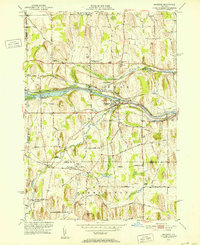 1951 Macedon1952 Print · USGSWayne County and northern Ontario County appear here in the early fifties, caught between their historic canal-era roots and mid-century growth. Researchers can trace the lineage of local hamlets and rural districts through landmarks like Yellow Mills, Walworth Station, and Farmington (Pumpkin Hook).4 unique versions available
 - 1952 Map of Ninemile Point
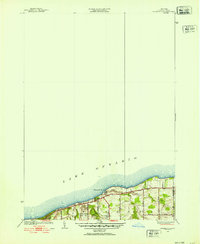 1952 Ninemile Point1952 Print · USGSThe Lake Ontario shoreline of Webster comes into focus in the early fifties, capturing a landscape of family farms and lakeside recreation. Researchers can trace local heritage at Union Cem, School No 18, and Webster Beach County Park.3 unique versions available
 - 1952 Map of Salmon Creek, 1953 Print
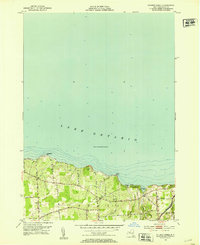 1952 Salmon Creek1953 Print · USGSThe Lake Ontario shoreline in Wayne County comes into focus during the early fifties, showing a rural landscape of orchards and coastal bluffs. Researchers can trace family roots at Centenary Cem or locate the old Pennsylvania rail line near Maxwell Bay.
 - 1952 Map of Pultneyville, 1953 Print
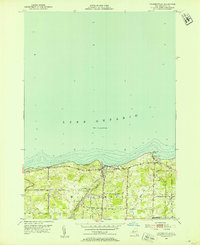 1952 Pultneyville1953 Print · USGSThe Lake Ontario shoreline in Wayne County appears here in the early fifties, centering on the historic port of Pultneyville. Local researchers can trace family lands along Lonesome Road or locate the Lakeview Cem near the mouth of Salmon Creek.3 unique versions available
 - 1952 Map of Newark, 1953 Print
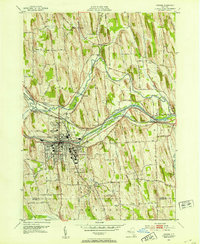 1952 Newark1953 Print · USGSNewark and the surrounding Wayne County drumlins are captured in the early fifties, showing a landscape shaped by the Erie Canal and heavy rail. Researchers can locate vanished rural stops like Fairville Sta, the sprawling Newark State School, and historic burials at Old Hopper Cem.4 unique versions available
 - 1952 Map of Palmyra, 1953 Print
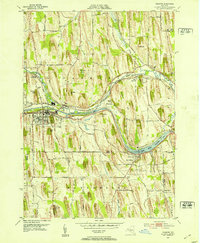 1952 Palmyra1953 Print · USGSMid-century Wayne County is shown here as a landscape of glacial drumlins and historic transport arteries. Genealogists and local historians can locate early schoolhouses like School No 11, family burial sites like Culver Cem, and landmarks such as Hill Cumorah.2 unique versions available
 - 1952 Map of Furnaceville, 1953 Print
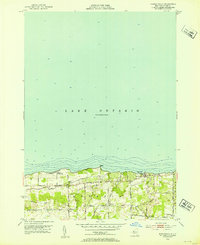 1952 Furnaceville1953 Print · USGSThe Wayne County shoreline on Lake Ontario is captured here in the early fifties, showing the coastal communities before significant modern expansion. Genealogists can trace family locations near Lakeside Cem, Centenary Ch, and the hamlet of Furnaceville.4 unique versions available
 - 1952 Map of Williamson, 1953 Print
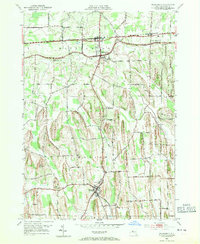 1952 Williamson1953 Print · USGSWayne County's agricultural heartland is documented here in the early fifties, showing a landscape defined by orchards and glacial ridges. You can trace family history through rural sites like Hall Center Cem, the hamlet of Owls Nest, and the busy rail corridors of the New York Central.3 unique versions available
 - 1952 Map of Ontario, 1953 Print
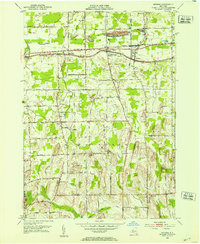 1952 Ontario1953 Print · USGSWayne County hamlets and drumlin landscapes are captured here in the early fifties, just as the region's agricultural character began to meet modern development. Researchers can trace historic family landmarks from Union Hill to Walworth, including Kuttruff Hill and the New York Central rail line.3 unique versions available
 - 1952 Map of Sodus, 1954 Print
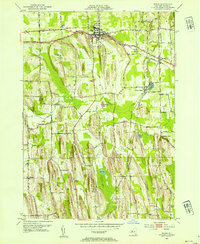 1952 Sodus1954 Print · USGSWayne County agricultural and rail corridors are frozen in time just after the war. Local historians can trace the paths of the New York Central and Pennsylvania railroads through Wallington and Sodus Center, and locate rural landmarks like School No 7 or Parish church.2 unique versions available
 - 1952 Map of Webster, 1964 Print
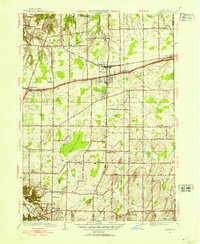 1952 Webster1964 Print · USGSMonroe County enters a period of post-war growth as early hamlets and rural school districts begin to transition into modern suburbs. Genealogists and local historians can trace family locations near Oakwood Cem, the East Penfield Church, or the unique terrain of Thousand Acre Swamp.3 unique versions available
 - 1953 Map of Wolcott, 1955 Print
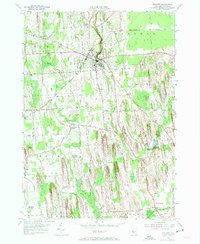 1953 Wolcott1955 Print · USGSWayne County farming and industry are captured here in the early 1950s, showing the intricate network of drumlins and stream valleys. Genealogists can locate family-named intersections like Maunders Corners and remote burials at Roe Cem or Hubbard Cem.3 unique versions available
 - 1953 Map of Rose, 1955 Print
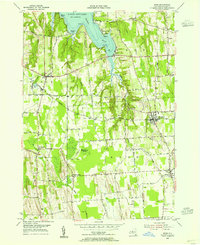 1953 Rose1955 Print · USGSWayne County's lakeshore and farming hamlets are preserved here in the mid-fifties, showing the region's rail-dependent rural economy. You can trace family roots through Rose Cem, locate the rail stops at North Rose, or explore the shoreline at Bonni Castle.4 unique versions available
 - 1953 Map of Lyons, 1955 Print
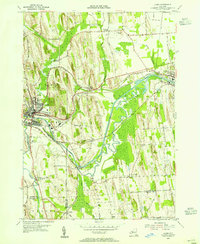 1953 Lyons1955 Print · USGSWayne County's canal and rail corridor is captured here in the early fifties, showing the industrial and agricultural landscape between Lyons and Clyde. Genealogists and historians can trace family-named sites like Fergusons Corners and Alloway, or locate the historic Lock Berlin and Elmwood Cem.3 unique versions available
 - 1953 Map of Savannah, 1955 Print
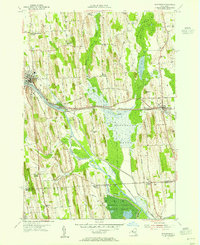 1953 Savannah1955 Print · USGSWayne and Seneca counties in the early 1950s show a landscape of canal-side industry and vast protected wetlands. Researchers can trace family sites at White Schoolhouse Corners, explore the hamlets of Clyde and Savannah, or locate old burial grounds like Lockpit Cem.4 unique versions available
 - 1953 Map of North Wolcott, 1955 Print
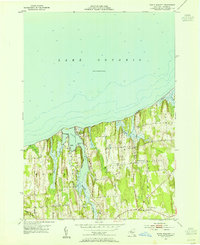 1953 North Wolcott1955 Print · USGSThe Wayne County shoreline of Lake Ontario is captured here in the mid-1950s, showing a landscape of drumlins and deep bays. Researchers can trace rural school districts and family roads like Dutch Street or find local landmarks such as Scotts Bluff and School No 2.3 unique versions available
 - 1953 Map of Sodus Point, 1955 Print
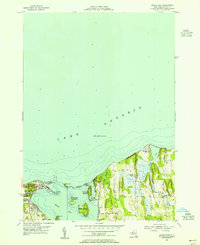 1953 Sodus Point1955 Print · USGSThe Wayne County shoreline and the protected waters of Sodus Bay are captured here in the early fifties. Local historians can trace the rail terminus at Sodus Point, the lakeside community of Lake Bluff, and rural landmarks like St Johns Chapel.4 unique versions available
 - 1953 Map of Clyde, 1961 Print
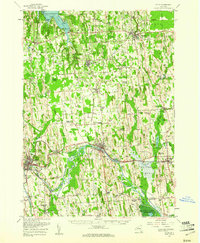 1953 Clyde1961 Print · USGSWayne County is shown in the early fifties, defined by the industrial hubs of Lyons and Clyde along the historic Erie Canal. Researchers can trace old family sites at Lockwood Corners, locate the White Schoolhouse, or find the Rice Mill near the marshlands.
 - 1954 Map of West Ninemile Point, 1955 Print
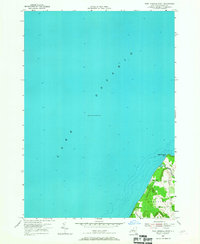 1954 West Ninemile Point1955 Print · USGSThe Cayuga County shoreline meets the deep waters of the lake in the mid-1950s, showing a quiet coastal landscape. You can trace the rural roads and early settlements like Moon Beach near the mouth of Ninemile Creek and West Ninemile Point.2 unique versions available
 - 1954 Map of Fair Haven, 1956 Print
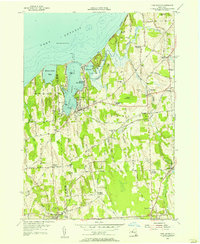 1954 Fair Haven1956 Print · USGSCoastal Cayuga County meets the Great Lakes in the mid-fifties, showing a landscape of protected bays and rural crossroads. Local historians can locate ancestral sites like McArthur Cem or trace the early paths of Sterling Sta and the Marine Railway.3 unique versions available
 - 1954 Map of Montezuma, 1956 Print
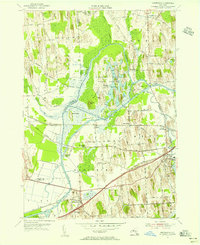 1954 Montezuma1956 Print · USGSThe Seneca River and Erie Canal corridors are captured here in the mid-fifties, just as the New York State Thruway began to reshape the region. Trace local history through Port Byron, Willow Grove, and the wetlands of the Montezuma National Wildlife Refuge.3 unique versions available
 - 1954 Map of Victory, 1956 Print
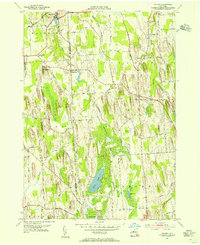 1954 Victory1956 Print · USGSThe rural border of Wayne and Cayuga counties is captured here in the mid-fifties, showing a landscape shaped by glacial drumlins. Researchers can locate the Schuler Farms Landing Field, several rural cemeteries like French Cem, and the waters of Duck Lake.
 - 1954 Map of Weedsport, 1961 Print
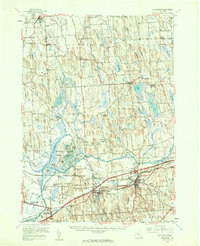 1954 Weedsport1961 Print · USGSMid-century Cayuga County is captured here as the new thruway begins to reshape the historic canal and rail corridor. Researchers can trace the legacy of the Erie Canal and New York Central through Port Byron, or locate family landmarks like Brick Ch and Schuler Farms Airfield.3 unique versions available
End of results
Showing maps 1-23 of 23
Top cities of Wayne County
- Arcadia historical maps
- Ontario historical maps
- Macedon historical maps
- Walworth historical maps
- Sodus historical maps
- Palmyra historical maps
See more
Frequently asked questions
- What are the different types of historical maps available for Wayne County?
- What is the oldest map of Wayne County?
- Where can I purchase historical maps of Wayne County for my home or office?
- Where can I download high-res historical maps of Wayne County?
- Are there historical topographic maps available for Wayne County?
- Is there historical aerial imagery available for Wayne County?
- Where are historical maps of Wayne County sourced from?