Old Maps of LaMoure County, North Dakota for Hiking & Exploration
Hike through history with 229 historic maps of LaMoure County. Explore old trails, ghost towns, and forgotten backroads — perfect for outdoor adventurers and local explorers.
- Rediscover forgotten places: Map out old mining camps, roads, and footpaths that no longer exist on modern maps.
- Layer with modern tools: Combine with LiDAR or satellite views to plan hikes through historical terrain.
- Made for exploration: Popular among hikers, overlanders, and local history lovers.
Use these maps to find adventure and explore the hidden past of LaMoure County.
LaMoure County, ND maps
(229)- 1894 Map of La Moure
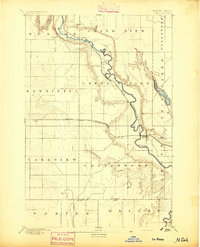 1894 La Moure1894 Print · USGSSoutheastern North Dakota's prairie landscape is captured here during the railroad boom of the late nineteenth century. Trace the early development of Lamoure and Grand Rapids along the James River and the converging tracks of the Northern Pacific Railroad.
 - 1895 Map of Lamoure
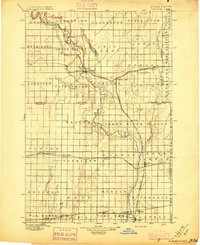 1895 Lamoure1895 Print · USGSSoutheastern North Dakota was a landscape of rapid rail expansion and river-based settlement in the mid-1890s. Genealogists and historians can trace the early foundations of towns like Lamoure, Oakes, and Grand Rapids along the winding James River.2 unique versions available
 - 1896 Map of Jamestown
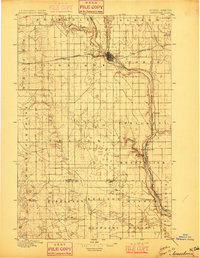 1896 Jamestown1896 Print · USGSJamestown and the surrounding prairie were rapidly developing at the close of the nineteenth century as the railroad transformed the territory. Genealogists and historians can trace the early rail stops and river settlements like Eldridge, Ypsilanti, and Adrian.3 unique versions available
 - 1896 Map of Edgeley
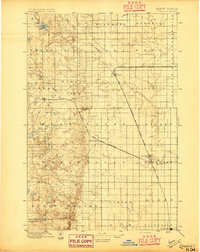 1896 Edgeley1896 Print · USGSDakota Territory had only recently achieved statehood when these rail lines began carving through the prairie. Genealogists can trace the early foundations of Edgeley, Kulm, and Ellendale alongside rural townships like Whitestone and Glenmore.2 unique versions available
 - 1897 Map of Eckelson
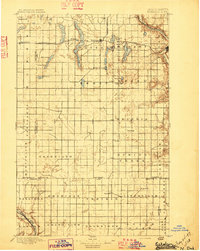 1897 Eckelson1897 Print · USGSEastern North Dakota in the late nineteenth century was a land defined by the iron rail and a network of glacial lakes. Genealogists can trace early homesteads and rail stops near Valley City, Sanborn, and the isolated post office at Svea.3 unique versions available
 - 1918 Map of La Moure
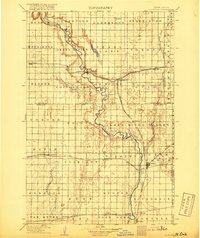 1918 La Moure1918 Print · USGSSoutheastern North Dakota was a thriving rail and agricultural hub during the early twentieth century, as seen in this detailed 1918 survey. Researchers can trace the development of the James River corridor and locate early settlements like Grand Rapids, Oakes, and Port Emma.2 unique versions available
 - 1925 Map of Edgeley
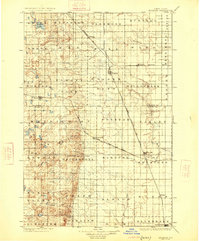 1925 Edgeley1925 Print · USGSLaMoure and Dickey Counties are shown in the mid-1920s as a complex network of rail lines and prairie townships. Trace the early layout of Ellendale, the historical Whitestone Battlefield Park, and rail stops at Deisem and Medberry.2 unique versions available
 - 1952 Map of Jud NW, 1954 Print
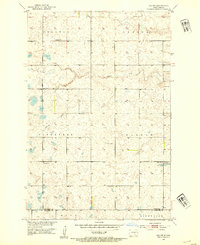 1952 Jud NW1954 Print · USGSNorth Dakota's rural heartland is captured here in the early fifties, documenting a landscape of small farmsteads and township boundaries. Genealogists can locate specific district landmarks like School No 2 and School No 4 along the banks of Buffalo Creek.
 - 1952 Map of Dickey, 1954 Print
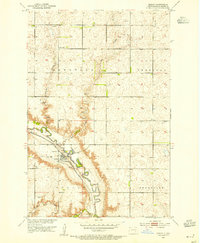 1952 Dickey1954 Print · USGSThe James River valley and the town of Dickey are captured here in the early fifties during a period of Missouri River Basin development. Researchers can trace the Northern Pacific rail line, locate School No 2, and explore the grounds of the Dickey Cem.
 - 1952 Map of Grand Rapids, 1954 Print
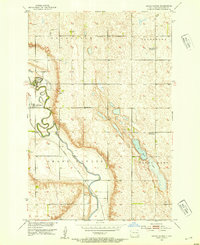 1952 Grand Rapids1954 Print · USGSThe James River valley in the early fifties shows a LaMoure County landscape of river bends and rail siding. Genealogists and local historians can locate early prairie schoolhouses like School No 4 and trace the original Northern Pacific line past Grand Rapids.
 - 1952 Map of Independence, 1954 Print
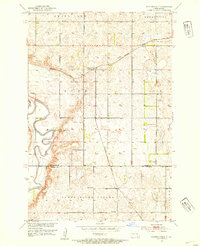 1952 Independence1954 Print · USGSThe rural prairie of La Moure and Dickey Counties comes into focus in the early 1950s as the Northern Pacific railroad crosses the plains. Genealogists and local historians can trace the settlement of Independence and locate historic rural landmarks like School No 2 and the banks of the James River.
 - 1953 Map of Jamestown
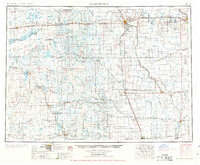 1953 Jamestown1953 Print · USGSSoutheastern North Dakota was a thriving rail and agricultural corridor in the early fifties, anchored by the James River. Researchers can trace the footprints of institutional landmarks like the North Dakota State Hospital and historic sites such as Whitestone Hill Battlefield Park.3 unique versions available
 - 1953 Map of Montpelier, 1954 Print
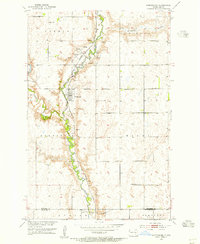 1953 Montpelier1954 Print · USGSIn the early fifties, the township of Montpelier served as a rural hub along the Northern Pacific railroad and the James River. Researchers can trace the layout of country life through School No 2 and family heritage at St Huberts Cem.
 - 1953 Map of Montpelier NW, 1955 Print
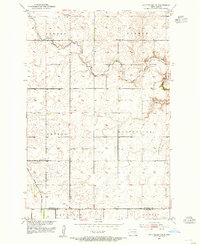 1953 Montpelier NW1955 Print · USGSThe rural prairie of Stutsman and La Moure counties is captured here in the early 1950s as the Missouri River Basin program expanded local infrastructure. Genealogists and researchers can trace the townships of Sydney and Severn or locate old schoolhouses like School No 1 and School No 2 along the banks of Beaver Creek.
 - 1953 Map of Adrian, 1955 Print
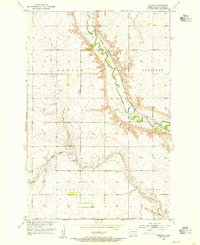 1953 Adrian1955 Print · USGSLaMoure County's agricultural landscape is centered on the river valley and rail corridor during the early 1950s. Family historians can trace rural infrastructure through School No 3 and the Northern Pacific line as it passes through Adrian.
 - 1953 Map of Jud, 1955 Print
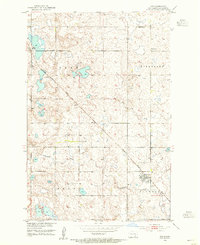 1953 Jud1955 Print · USGSLaMoure County prairie life is centered on the rail line in the early fifties, where small settlements grew along the tracks. Genealogists can locate family landmarks like School No 1, the Church of God Cem, and the village of Alfred.
 - 1953 Map of Millarton, 1955 Print
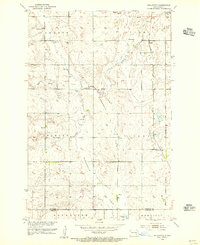 1953 Millarton1955 Print · USGSStutsman and La Moure Counties in the early fifties show a settled agricultural prairie centered on the Minneapolis St Paul and Sault Ste Marie rail line. Genealogists and local historians can trace rural school locations like School No 2 and the tiny settlements of Sharlow and Millarton.
 - 1953 Map of Nortonville, 1955 Print
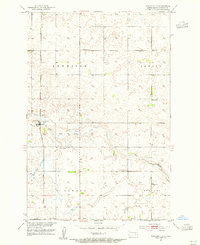 1953 Nortonville1955 Print · USGSLaMoure County in the early fifties shows a rural landscape defined by the Midland Continental railroad and the winding Bone Hill Creek. Genealogists can locate specific family school districts such as School No 3 and Glenmore Sch near the settlement of Nortonville.
 - 1953 Map of Jud SE, 1955 Print
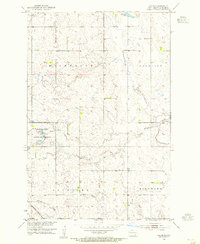 1953 Jud SE1955 Print · USGSLaMoure County's prairie landscape was meticulously documented in the early fifties as the Missouri River Basin development program progressed. Genealogists and local historians can locate early rural landmarks like School No 2, the Northern Pacific rail line, and the Bone Hill Creek National Wildlife Refuge.
 - 1955 Map of La Moure, 1956 Print
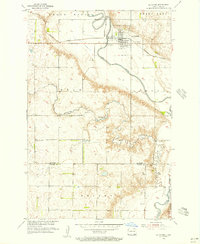 1955 La Moure1956 Print · USGSLa Moure and the surrounding prairie are captured here in the mid-1950s as the river and rail lines dictated local growth. Genealogists can locate Rosehill Cem and St Ansgar Cem, while following the Northern Pacific through town.2 unique versions available
 - 1956 Map of Jamestown
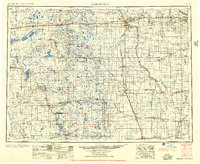 1956 Jamestown1956 Print · USGSThe James River valley and the vast alkali lake country of south-central North Dakota are captured here in the mid-fifties. Genealogists can trace family farms across several counties, locating small rail stops like Medberry and monuments like Whitestone Hill Battlefield Park.
 - 1956 Map of Berlin, 1957 Print
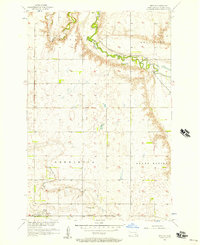 1956 Berlin1957 Print · USGSLaMoure County's prairie townships are captured here in the mid-1950s, showing the early development of the Missouri River Basin. You can trace the Northern Pacific rail line through Berlin or locate the Flowing Well and Cem near the James River.
 - 1970 Map of Litchville, 1972 Print
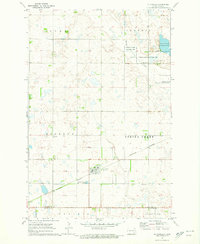 1970 Litchville1972 Print · USGSLitchville and the surrounding townships of Barnes and La Moure counties are captured here during the early seventies. Researchers can trace family sites at St Thomas Cem, Swedish Cem, and St Anns Cem along the Burlington Northern line.
 - 1970 Map of Hastings, 1973 Print
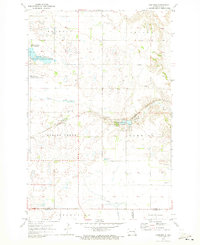 1970 Hastings1973 Print · USGSThe small town of Hastings and its surrounding prairie townships are captured here in the early 1970s. Researchers can locate family landmarks like the Spring Creek Cem or trace the Burlington Northern line through Spring Creek.
 - 1970 Map of Verona NW, 1973 Print
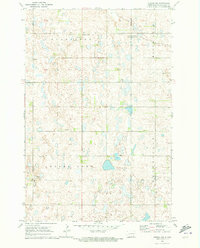 1970 Verona NW1973 Print · USGSThe wetlands and section lines of LaMoure County are shown here as they appeared in 1970. Genealogists and local historians can locate the crossroads of Benson Corner or trace the boundaries of Pearl Lake and Black Loam.
Showing maps 1-25 of 229
Top cities of LaMoure County
- LaMoure historical maps
- Edgeley historical maps
- Kulm historical maps
- Marion historical maps
- Adrian Township historical maps
- Verona historical maps
See more
Frequently asked questions
- What are the different types of historical maps available for LaMoure County?
- What is the oldest map of LaMoure County?
- Where can I purchase historical maps of LaMoure County for my home or office?
- Where can I download high-res historical maps of LaMoure County?
- Are there historical topographic maps available for LaMoure County?
- Is there historical aerial imagery available for LaMoure County?
- Where are historical maps of LaMoure County sourced from?