1960s Maps of Mountrail County, North Dakota
Explore 15 historic maps of Mountrail County from the 1960s. These maps offer a rare glimpse into what life looked like during the 1960s — showing old roads, neighborhoods, homes, and landmarks that have changed or disappeared over time.
Whether you're researching your family's past, planning a metal detecting trip, or studying how Mountrail County's landscape evolved across the 1960s, these high-resolution maps are a powerful tool for exploring the history of this region.
- Focus on a specific era: All maps on this page are from the 1960s, giving you a focused view of this time period.
- See what’s changed: Compare century-old streets, trails, and buildings to today's modern landscape using overlays and satellite layers.
- Research with precision: Use these maps for genealogy, historical research, land use analysis, or educational projects.
- View, download, or print: Maps are fully viewable online in high resolution, and can be downloaded or printed for your own records.
Start exploring Mountrail County's history through authentic maps from the 1960s. This is your window into the past.
Mountrail County, ND maps
(15)- 1965 Map of Charlson, 1966 Print
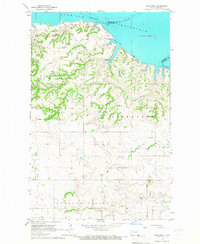 1965 Charlson1966 Print · USGSMcKenzie County in the mid-1960s reveals a prairie landscape transitioning into an industrial energy hub. Genealogists and historians can locate the Charlson settlement, remote burial sites like Riverside Cem, and the extensive Oil and Gas Field.
 - 1965 Map of Charlson NE, 1967 Print
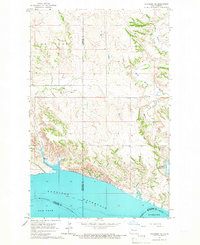 1965 Charlson NE1967 Print · USGSMountrail and Williams Counties meet at the edge of the Garrison Reservoir during the mid-sixties. Researchers can trace the original path of the Missouri River and explore terrain features like Dry Fork and Elm Tree.
 - 1967 Map of Watford City
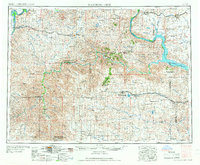 1967 Watford City1967 Print · USGSWestern North Dakota is captured during a period of landscape transformation as the Missouri River valley was reshaped by the new Garrison Reservoir. Genealogists and local historians can trace the foundations of Watford City, find the Elkhorn Ranch Site, or locate rural landmarks like Ziner Butte and Grassy Butte.
 - 1967 Map of Sanish NW, 1969 Print
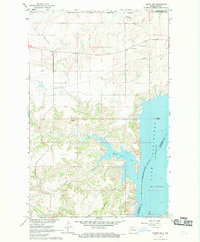 1967 Sanish NW1969 Print · USGSThe Fort Berthold Indian Reservation and the Missouri River highlight this North Dakota landscape in the late sixties as the water levels rose. Genealogists and local researchers can locate the Snowbird Chapel, Goodbird Cem, and the sprawling Antelope Oil Field.
 - 1967 Map of Sanish, 1969 Print
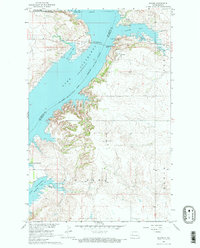 1967 Sanish1969 Print · USGSThe Missouri River valley in the late sixties reveals a landscape transformed by the waters of Lake Sakakawea along the Fort Berthold Indian Reservation boundary. Genealogists and local historians can trace the foundations of Sanish, locate the Riverview Cemetery, and follow the path of an Old Railroad Grade.2 unique versions available
 - 1967 Map of Sanish SE, 1969 Print
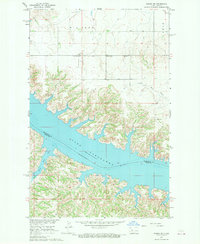 1967 Sanish SE1969 Print · USGSThe Missouri River breaks in Mountrail County are shown during a transformative era in the late sixties as the reservoir fills the valley. Researchers can trace the Fort Berthold Indian Reservation Boundary and locate Shell Creek Ch and the Little Shell Creek Public Use Area.
 - 1967 Map of New Town SW, 1970 Print
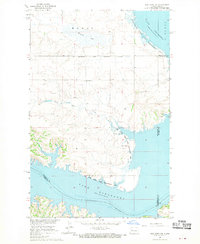 1967 New Town SW1970 Print · USGSMountrail County's shoreline was dramatically reshaped by the mid-1960s as the Missouri River valley transitioned into a vast reservoir. Researchers can trace the Fort Berthold Indian Reservation Boundary and locate local landmarks like Little Shell Ch and the Van Hook State Game Management Area.
 - 1967 Map of Sanish SW, 1970 Print
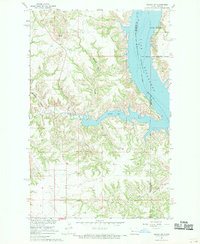 1967 Sanish SW1970 Print · USGSMcKenzie County's badlands terrain meets the rising waters of the Missouri River in the late sixties. Trace the inundated shoreline of Lake Sakakawea and find landmarks like Blue Butte or the Bear Den Creek Public Use Area.
 - 1967 Map of Parshall SE, 1970 Print
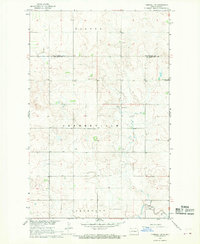 1967 Parshall SE1970 Print · USGSThe rural landscapes of McLean and Mountrail counties are captured here in the late 1960s as part of the Missouri River Basin development. Genealogists can trace local landmarks such as the Lucky Mound Ch and the Church of God Cem among the townships.
 - 1967 Map of Parshall SW, 1970 Print
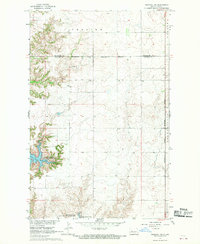 1967 Parshall SW1970 Print · USGSMcLean and Mountrail counties meet along the rising waters of the Missouri River Basin during the late sixties. Genealogists and researchers can trace the Fort Berthold Indian Reservation Boundary and find the local Townhall and Spring sites.2 unique versions available
 - 1967 Map of New Town SE, 1970 Print
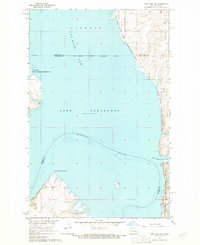 1967 New Town SE1970 Print · USGSLake Sakakawea and the Missouri River Basin were undergoing significant transformation in the late sixties as reservoir waters reshaped the landscape. Researchers can trace submerged river channels and shoreline features like Independence Point and Lucky Mound Creek Bay.
 - 1969 Map of Ross NW, 1971 Print
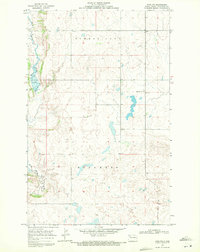 1969 Ross NW1971 Print · USGSMountrail County's glacial prairie comes to life in this late-sixties survey of the White Earth River valley. Researchers can pinpoint rural community landmarks such as Cottonwood Lake Ch, a local Cem, and the southern end of Powers Lake.
 - 1969 Map of Stanley, 1971 Print
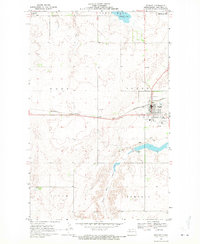 1969 Stanley1971 Print · USGSThe town of Stanley sits at a crossroads of the northern plains in the late sixties, centered on the Burlington Northern line. Genealogists and local historians can locate the Fairview Cem, the High Sch, and the Stanley Airfield south of town.2 unique versions available
 - 1969 Map of Stanley SE, 1971 Print
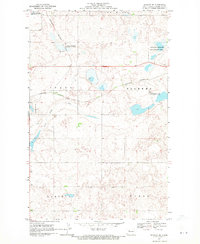 1969 Stanley SE1971 Print · USGSMountrail County in the late sixties reveals a landscape of prairie conservation and vital rail connections. Researchers can trace the path of the Burlington Northern railroad and locate early industrial sites like the Gravel Pits and Little Knife River.
 - 1969 Map of White Earth, 1971 Print
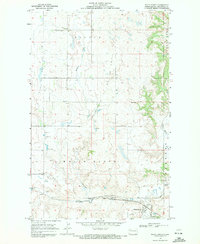 1969 White Earth1971 Print · USGSMountrail County settlement and industry are in focus here during the late sixties as the energy sector expanded. Researchers can trace the Tioga Gas and Oil Field, locate the Norman Ch, or follow the Burlington Northern rail line through White Earth.
End of results
Showing maps 1-15 of 15
Top cities of Mountrail County
- New Town historical maps
- Stanley historical maps
- Plaza historical maps
- Palermo historical maps
- White Earth historical maps
- Manitou historical maps
See more
Frequently asked questions
- What are the different types of historical maps available for Mountrail County?
- What is the oldest map of Mountrail County?
- Where can I purchase historical maps of Mountrail County for my home or office?
- Where can I download high-res historical maps of Mountrail County?
- Are there historical topographic maps available for Mountrail County?
- Is there historical aerial imagery available for Mountrail County?
- Where are historical maps of Mountrail County sourced from?