Old Maps of East End, Cincinnati for Metal Detecting
Plan your next treasure hunt with 31 historic maps of East End. Find old homesites, ghost towns, trails, and gathering spots that may be lost to time — perfect for identifying promising metal detecting locations.
- Locate forgotten sites: Uncover places like long-lost settlements, abandoned rail lines, or gathering spots.
- Plan better hunts: Use map overlays combined with LiDAR or satellite views to narrow in on historically rich areas.
- Made for detectorists: Thousands of hobbyists use these maps to discover relics, coins, and hidden history.
Use these historic maps to boost your research and find new opportunities beneath the surface of East End.
East End, Cincinnati maps
(31)- 1898 Map of East Cincinnati, 1964 Print
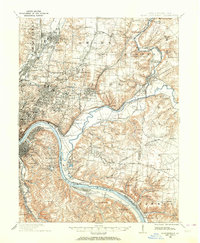 1898 East Cincinnati1964 Print · USGSGreater Cincinnati and Northern Kentucky emerge as a bustling riverfront and rail hub at the turn of the century. Genealogists and historians can trace the early footprints of Coney Island Resort, the Longview Asylum, and the Cincinnati Waterworks.
 - 1914 Map of East Cincinnati
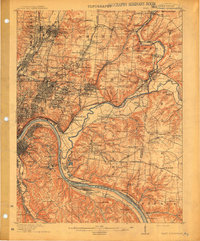 1914 East Cincinnati1914 Print · USGSThe eastern Cincinnati suburbs and Northern Kentucky riverfront come alive in this pre-war survey of industrial and residential growth. Genealogists can trace family footprints near the St Aloysius Orphan Asylum, Alpine Bell School, or the Covington Reservoirs.4 unique versions available
 - 1914 Map of West Cincinnati
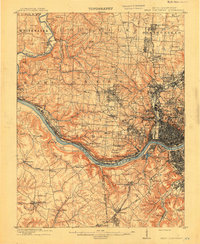 1914 West Cincinnati1914 Print · USGSCincinnati and the Ohio River valley appear here in a period of intense industrial growth and suburban expansion just before the First World War. Researchers can trace the dense rail networks of the Chesapeake and Ohio or locate early institutions like the Ohio Military Institute and Spring Grove Cemetery.4 unique versions available
 - 1950 Map of Covington, 1953 Print
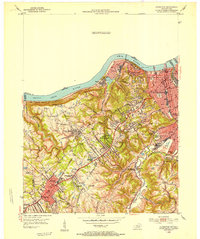 1950 Covington1953 Print · USGSNorthern Kentucky's riverfront and southern suburbs are captured here at the mid-century mark as neighborhoods expanded along the Dixie Highway. Genealogists and historians can trace family plots in Highland Cem or locate community landmarks like the Villa Madonna and Dixie Heights High Sch.
 - 1952 Map of Newport, 1953 Print
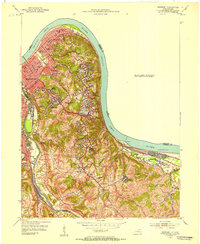 1952 Newport1953 Print · USGSNorthern Kentucky during the early fifties shows a bustling riverfront and established hillside neighborhoods at the junction of two major rivers. Genealogists and historians can locate family landmarks like Evergreen Cemetery, Kenton Co Infirmary, and numerous schools including Bellevue High Sch.
 - 1953 Map of Cincinnati East, 1955 Print
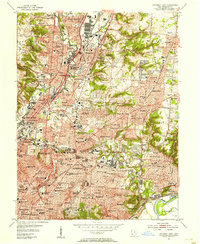 1953 Cincinnati East1955 Print · USGSCincinnati and its growing eastern suburbs are captured in the early fifties, showcasing a dense urban landscape of industry and education. Genealogists can locate family names at St Marys Cem or trace early school years at Withrow High Sch and St Xavier Sch.
 - 1953 Map of Cincinnati, 1965 Print
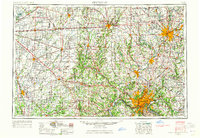 1953 Cincinnati1965 Print · USGSThe Ohio River valley and the industrial heartland of Indiana and Ohio are captured here during the mid-century peak of rail and river commerce. Genealogists and historians can trace connections between Cincinnati and outlying military sites like Camp Atterbury and Bakalar AFB.3 unique versions available
 - 1955 Map of Newport, 1957 Print
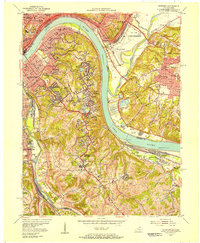 1955 Newport1957 Print · USGSThe riverfront communities of Northern Kentucky and Southern Ohio are captured here in the mid-fifties as urban density expands into the surrounding hills. Genealogists and historians can trace institutional landmarks like Evergreen Cemetery, Lunken Airport, and the St Anne Convent.
 - 1955 Map of Covington, 1957 Print
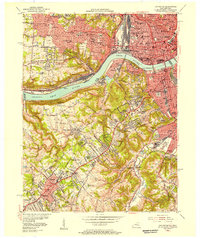 1955 Covington1957 Print · USGSGreater Cincinnati and Northern Kentucky come alive in this mid-fifties survey of the bustling riverfront and its growing suburbs. Researchers can trace historical church parishes and schools like St Marys Hosp, St Johns Cem, and Villa Madonna Academy across the river valley.
 - 1957 Map of Cincinnati
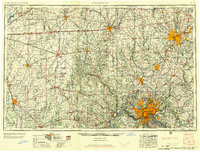 1957 Cincinnati1957 Print · USGSThe Ohio River valley and its surrounding highlands thrived during the mid-fifties industrial peak, centered on the bustling Cincinnati and Dayton metropolitan hubs. Researchers can trace the extensive rail networks and military sites like Wright-Patterson AFB and Camp Atterbury.
 - 1961 Map of Covington, 1963 Print
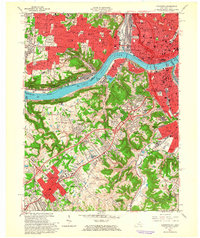 1961 Covington1963 Print · USGSThe Ohio River corridor comes alive in the early sixties as industrial centers and hillside neighborhoods bridge the state line. Genealogists and historians can trace St Josephs Cemetery, find the St Johns Orphanage, or locate the Anderson Ferry crossing.3 unique versions available
 - 1961 Map of Newport, 1963 Print
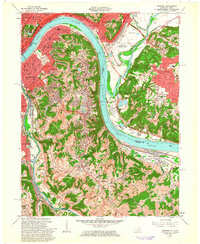 1961 Newport1963 Print · USGSGreater Cincinnati and Northern Kentucky were entering a period of suburban maturation in the early sixties as riverfront industry met rising hilltop neighborhoods. Researchers can trace local landmarks like Coney Island Amusement Park, Evergreen Cemetery, and the VA Hospital at Fort Thomas.3 unique versions available
 - 1961 Map of Cincinnati East, 1963 Print
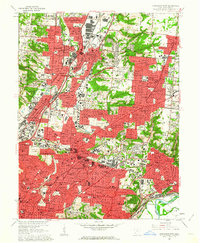 1961 Cincinnati East1963 Print · USGSGreater Cincinnati was entering a period of significant suburban expansion in the early sixties as industrial valleys met growing residential tracts. Researchers can trace family roots through numerous parish schools and sites like St Marys Cemetery, the University of Cincinnati Observatory, and the Baltimore and Ohio Railroad lines.6 unique versions available
 - 1981 Map of Covington
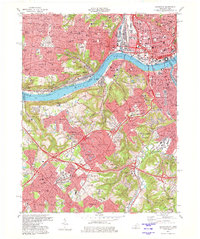 1981 Covington1981 Print · USGSNorthern Kentucky and Cincinnati meet along the river in the early eighties as suburban communities expand into the hills. Trace the development of Villa Hills and Fort Wright, or locate family sites at Highland Cemetery and Linden Grove Cem.2 unique versions available
 - 1983 Map of Newport, 1984 Print
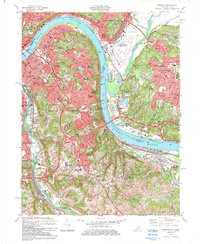 1983 Newport1984 Print · USGSGreater Cincinnati and Northern Kentucky come alive in this early 1980s survey of the riverfront and its surrounding hilltops. Genealogists and local historians can map out long-standing landmarks like Evergreen Cemetery, CINCINNATI MUNICIPAL AIRPORT (LUNKEN FIELD), and the St Ursula Convent and Academy.2 unique versions available
 - 1986 Map of Cincinnati
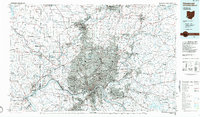 1986 Cincinnati1986 Print · USGSGreater Cincinnati and its tri-state surrounds are captured here in the mid-eighties as suburban growth reached into the neighboring hills and river valleys. Researchers can trace the development of transit hubs like Greater Cincinnati International Airport and historic sites such as Spring Grove Cemetery.3 unique versions available
 - 2010 Map of Cincinnati East, 2010 Print
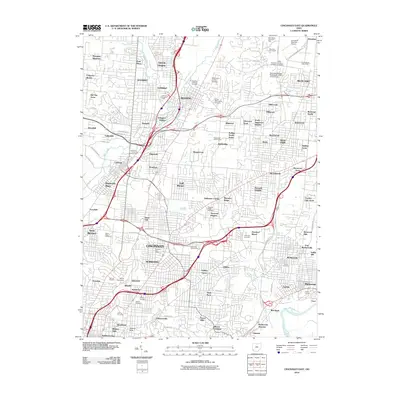 2010 Cincinnati East2010 Print · USGSCincinnati and its eastern suburbs are shown here in the first decade of the millennium, following the valley of Mill Creek through established urban neighborhoods. Researchers can locate family roots at Reading Lockland Cemetery, Saint Marys Cemetery, or the Xavier University campus.
 - 2010 Map of Covington, 2010 Print
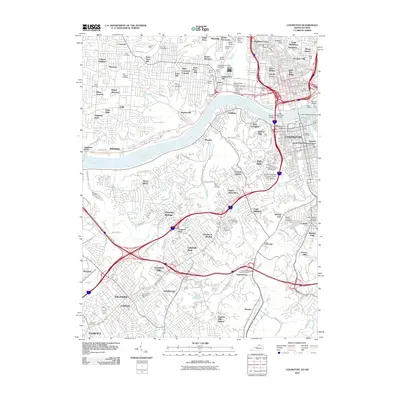 2010 Covington2010 Print · USGSThe Ohio and Licking rivers meet at the heart of this metropolitan corridor during the early twenty-first century. Researchers can trace neighborhood development from Over-The-Rhine to Lakeside Park, locating historic burial sites like Potters Field and the Highland Cemetery.
 - 2010 Map of Newport, 2010 Print
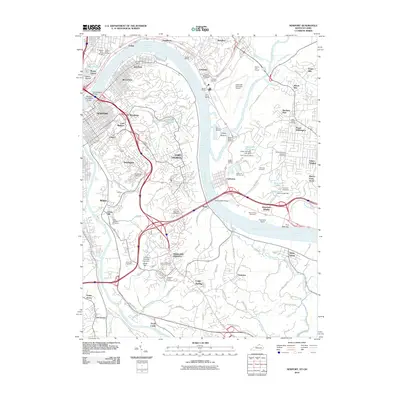 2010 Newport2010 Print · USGSGreater Cincinnati and Northern Kentucky are seen here at the start of the 2010s, centered on the riverfront communities and the hills above them. Genealogists and historians can trace numerous burial grounds like Evergreen Cemetery and Pioneer Cemetery, as well as landmarks like River Downs Racetrack and Northern Kentucky University.
 - 2013 Map of Covington, 2013 Print
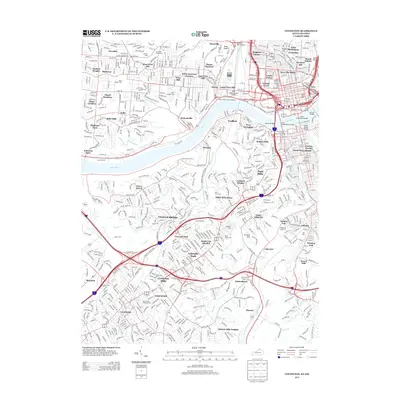 2013 Covington2013 Print · USGSThe riverfront and urban neighborhoods of the tri-state area are shown in detail during the early 2010s. Researchers can locate family sites at Saint Josephs Cem or trace crossings like the John A Roebling Bridge and the historic Anderson Ferry.
 - 2013 Map of Newport, 2013 Print
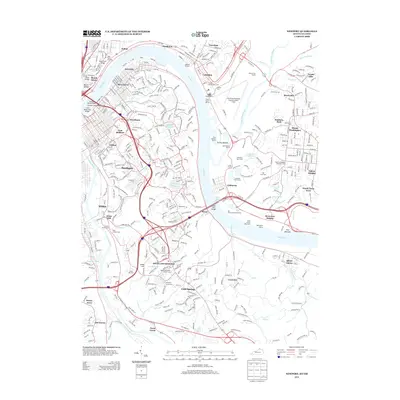 2013 Newport2013 Print · USGSThe riverfront communities of Northern Kentucky and Cincinnati are shown here in the early twenty-first century, spanning the Licking and Ohio Rivers. Genealogists and historians can trace numerous sites like Evergreen Cem, Old Coney Amusement Park, and Mount Washington.
 - 2013 Map of Cincinnati East, 2013 Print
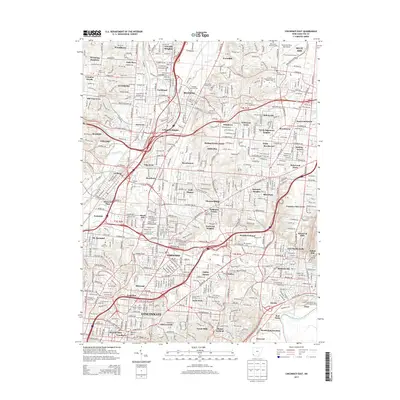 2013 Cincinnati East2013 Print · USGSGreater Cincinnati in the early 2010s reveals a complex urban landscape where historic cemeteries and modern universities meet along the Mill Creek corridor. Genealogists and locals can trace landmarks like Reading Lockland Cem, Xavier Univ, and the neighborhoods of Blue Ash or Wyoming.
 - 2016 Map of Newport, 2016 Print
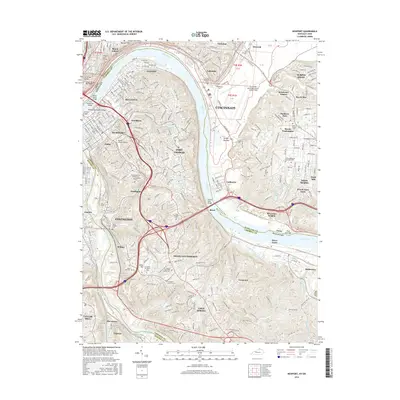 2016 Newport2016 Print · USGSThe riverfront cities of Northern Kentucky and Cincinnati are captured here in detail during a period of modern urban density. Genealogists can locate numerous burial grounds like Evergreen Cem Soldiers Lot and Asbury Methodist Church Cem alongside landmarks like Lunken Field.
 - 2016 Map of Covington, 2016 Print
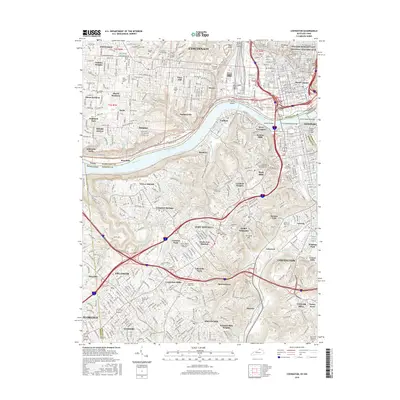 2016 Covington2016 Print · USGSThe metropolitan border of Ohio and Kentucky is captured here in the mid-2010s, showing the dense urban connectivity across the Ohio River. Genealogists and historians can trace family plots and landmarks at Linden Grove Cem, Anderson Ferry, and the William Howard Taft National Historic Site.
 - 2016 Map of Cincinnati East, 2016 Print
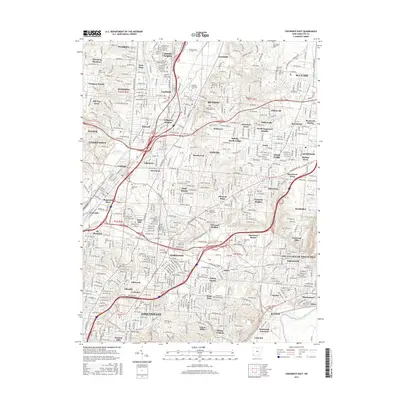 2016 Cincinnati East2016 Print · USGSGreater Cincinnati in the mid-2010s reveals a mature landscape of independent towns and diverse residential enclaves. Genealogists and historians can trace property lines near Xavier Univ or locate ancestral sites at Rest Haven Memorial Park and Mount Notre Dame Cem.
Showing maps 1-25 of 31
Frequently asked questions
- What are the different types of historical maps available for East End?
- What is the oldest map of East End?
- Where can I purchase historical maps of East End for my home or office?
- Where can I download high-res historical maps of East End?
- Are there historical topographic maps available for East End?
- Is there historical aerial imagery available for East End?
- Where are historical maps of East End sourced from?