Old Maps of Ardmore, Oklahoma for Genealogy
Trace your family roots with 37 historic maps of Ardmore. These high-res maps reveal old neighborhoods, homesites, landmarks, and streets — helping you uncover where your ancestors lived and how the area evolved over time.
- Explore historic neighborhoods: Identify where your relatives may have lived in the 1800s or 1900s.
- Compare maps over time: Trace the changes in streets, buildings, and landmarks for multi-generational research.
- Perfect for genealogy & ancestry research: Used by family historians and researchers to map out lineage and migration.
These maps are an incredible resource for exploring your personal connection to Ardmore's past.
Ardmore, OK maps
(37)- 1901 Map of Tishomingo
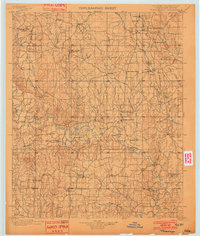 1901 Tishomingo1901 Print · USGSThe Chickasaw Nation comes to life in this late-frontier survey of Johnston County and the surrounding Indian Territory. Genealogists and historians can locate early industrial sites like the Asphalt Mines, the landmark Harley Institute, and the site of Fort Washita.4 unique versions available
 - 1901 Map of Ardmore
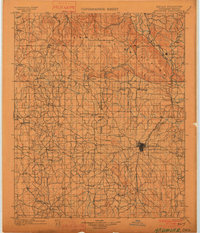 1901 Ardmore1901 Print · USGSThe Chickasaw Nation of Indian Territory is captured here at the turn of the century, showing a landscape of burgeoning rail towns and early industry. Researchers can trace the Gulf Colorado and Santa Fe line through Ardmore or locate early Asphalt Mine sites near Newport.6 unique versions available
 - 1918 Map of Ardmore
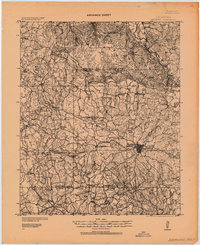 1918 Ardmore1918 Print · USGSSouthern Oklahoma was a hub of energy production and rail traffic during the late teens. Researchers can trace the early infrastructure of the Healdton Oil Fields, find vanished sites like Joiner City, or locate the Post Oak School.
 - 1957 Map of Ardmore, 1968 Print
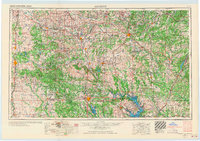 1957 Ardmore1968 Print · USGSSouth-central Oklahoma in the late fifties was a landscape of rising reservoir waters and expanding rail lines. Genealogists and historians can trace the foundations of Ardmore and Duncan or locate early recreation sites at Platt National Park and Lake Murray State Park.3 unique versions available
 - 1963 Map of Ardmore
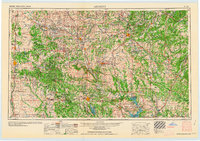 1963 Ardmore1963 Print · USGSSouthern Oklahoma during the early sixties shows a landscape defined by the Arbuckle Mountains and a booming energy economy. Genealogists and historians can trace family-named sites across the Ardmore Oil Field, find old schools like Southeastern State College, or locate historic markers such as Boggy Depot State Park.2 unique versions available
 - 1963 Map of Nebo, 1964 Print
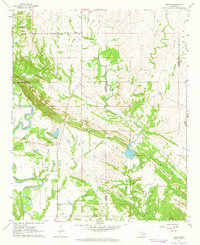 1963 Nebo1964 Print · USGSOklahoma's Arbuckle Mountains region is documented here in the early sixties, showing a landscape defined by the winding Washita River. Researchers can locate old community landmarks like the Nebo Sch and several family burial sites, including Hutchins Cem and Lone Cedar Cem.2 unique versions available
 - 1964 Map of Ardmore East, 1965 Print
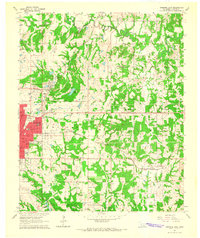 1964 Ardmore East1965 Print · USGSArdmore is shown during a period of steady growth in the 1960s, balancing its urban center with the recreational lands of the South. Researchers can trace local community roots through landmarks like Mt Zion Cemetery, Springdale School, and the St Louis - San Francisco rail line.4 unique versions available
 - 1964 Map of Ardmore West, 1965 Print
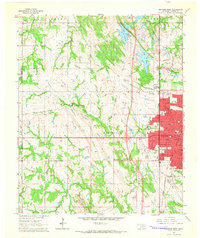 1964 Ardmore West1965 Print · USGSMid-century Ardmore and the rural stretches of Carter County are captured here as the city expanded westward toward the Criner Hills. Researchers can locate family sites at Rose Hill Cemetery, the historic Bloomfield Academy, or the settlement of Stobtown.3 unique versions available
 - 1964 Map of Gene Autry, 1965 Print
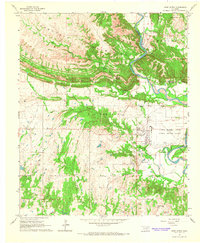 1964 Gene Autry1965 Print · USGSThe Arbuckle Mountains meet the Washita River during the mid-1960s, a period of industrial expansion for Carter County. Researchers can trace the heritage of Gene Autry and locate local landmarks like Academy Ch, Big Canyon Cem, and the Ardmore Municipal Airport.3 unique versions available
 - 1964 Map of Springer, 1965 Print
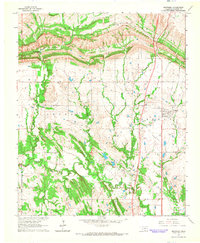 1964 Springer1965 Print · USGSSpringer and the southern Arbuckle Mountains come into focus during the mid-1960s, capturing a unique Oklahoma landscape of mountain ridges and prairie. Genealogists and local historians can trace family land and rural roads near Springer or locate the site of Henry House Falls.3 unique versions available
 - 1985 Map of Tishomingo, 1986 Print
 1985 Tishomingo1986 Print · USGSSouthern Oklahoma in the mid-eighties reveals a landscape shaped by significant water projects and conservation lands. Genealogists and historians can trace the footprints of communities like Wapanucka and Bromide alongside the Washita River and Lake Texoma.3 unique versions available
 - 1986 Map of Ardmore
 1986 Ardmore1986 Print · USGSSouthern Oklahoma in the mid-eighties was a landscape of rugged geology and deep petroleum roots. Genealogists and historians can trace the development of Ardmore and Healdon alongside the vast Sholem Alechem Oil Field and the rails of the AT & SF RR.2 unique versions available
 - 2009 Map of Ardmore East, 2009 Print
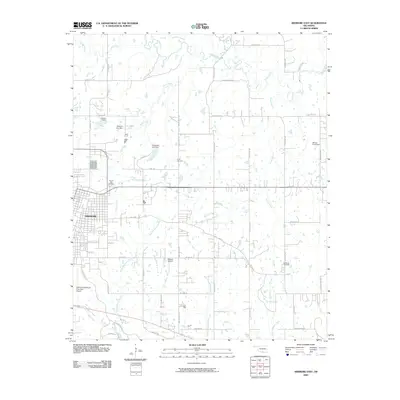 2009 Ardmore East2009 Print · USGSArdmore's eastern outskirts and the surrounding rural landscapes of Carter County are detailed in this 2009 Oklahoma survey. Researchers can locate family burial sites at Pruitt Cemetery and Mount Zion Cemetery or trace aviation history at Roberts Airport.
 - 2009 Map of Gene Autry, 2009 Print
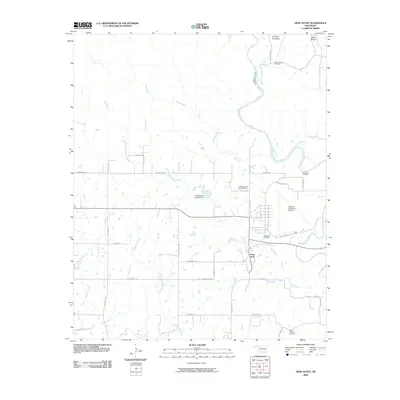 2009 Gene Autry2009 Print · USGSThe settlement of Gene Autry and its surrounding plains are captured in this early twenty-first-century survey during a period of steady aviation and agricultural activity. Researchers can trace local heritage through Mount Pleasant Cemetery, the Ardmore Municipal Airport, and the meandering Washita River.
 - 2009 Map of Ardmore West, 2009 Print
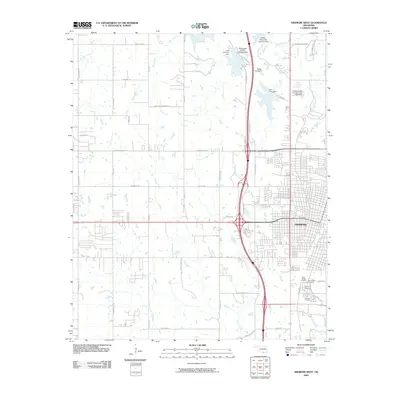 2009 Ardmore West2009 Print · USGSArdmore and its western rural surroundings are captured here at the close of the first decade of the 2000s. Genealogists and local historians can trace family plots at Saint Marys Cemetery or locate water landmarks like City Lake Dam and the Noble-Sea Cattle Company Dam.
 - 2009 Map of Nebo, 2009 Print
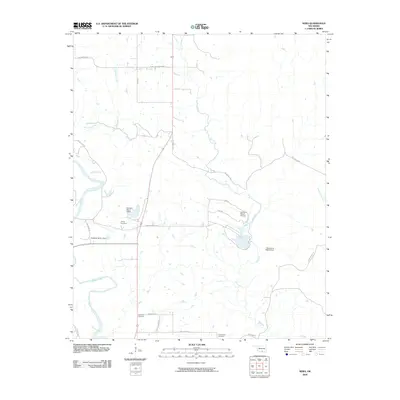 2009 Nebo2009 Print · USGSThe Washita River valley in southern Oklahoma is shown here in the early twenty-first century, characterized by its ranchland and water management systems. Researchers can trace local lineage at Young Cemetery or locate landmarks like the Goddard Ranch Airport and the Seven Sisters Hills.
 - 2010 Map of Springer, 2010 Print
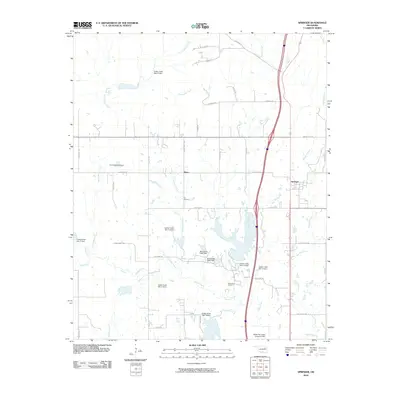 2010 Springer2010 Print · USGSOklahoma ranching and energy production intersect in the early 21st century around the community of Springer. Researchers can trace the extensive water management system through numerous numbered dams and locate industrial sites like the Caddo Pool Oil Field and the local Rice Cemetery.
 - 2012 Map of Springer, 2012 Print
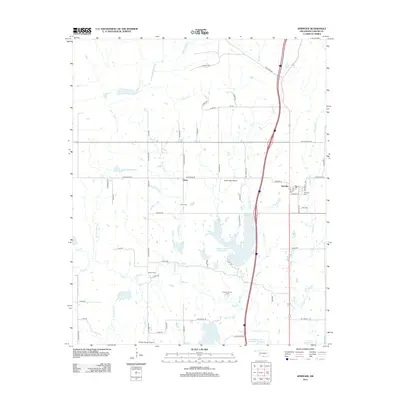 2012 Springer2012 Print · USGSNorth of Ardmore in the early 2000s, this Carter County landscape showcases a rural economy of cattle ranching and oil production. Researchers can locate family burial sites at Glenn Cem and Gaines Cem or trace landmarks like Caddo Pool Oil Field and Henry House Falls.
 - 2012 Map of Gene Autry, 2012 Print
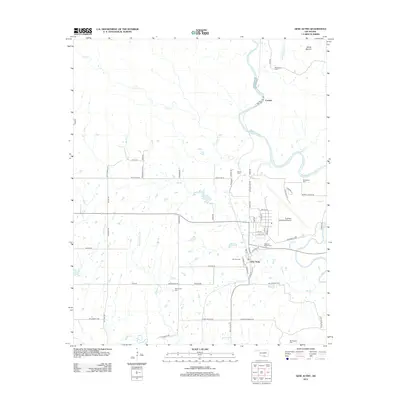 2012 Gene Autry2012 Print · USGSThe rural landscape around the town of Gene Autry is revealed here in the early 21st century. Researchers can trace family history through numerous burial sites like Berwyn Cem and Abramville Cem or locate the industrial site of Crusher along the Washita River.
 - 2012 Map of Ardmore West, 2012 Print
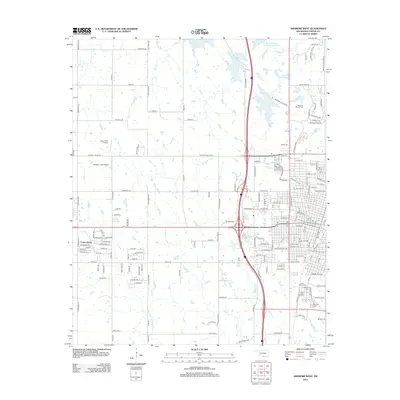 2012 Ardmore West2012 Print · USGSThe western outskirts of the regional center and Lone Grove appear here in the early twenty-first century as the suburbs meet the cattle country. Researchers can trace family history through several local burial sites like Maxwell Woods Cem or locate regional landmarks like Taliaferro Field Airport.
 - 2013 Map of Nebo, 2013 Print
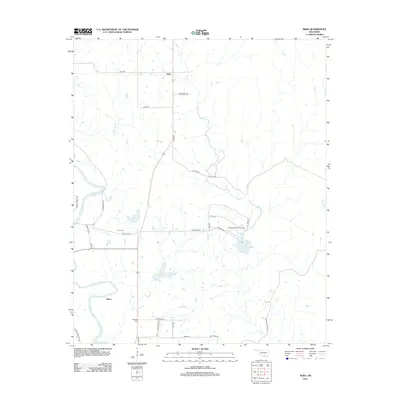 2013 Nebo2013 Print · USGSOklahoma's ranching country south of the Arbuckles is documented here during the early twenty-first century. Genealogists and local historians can locate rural landmarks like Young Cem, the settlement of Baum, and the private Goddard Ranch Airport along the Washita River.
 - 2013 Map of Ardmore East, 2013 Print
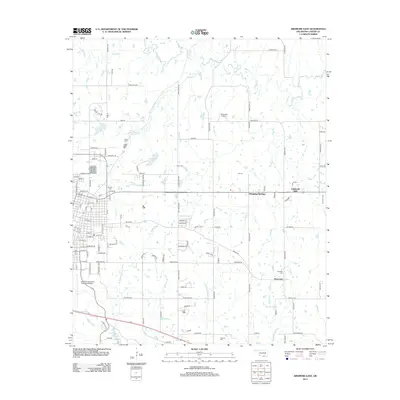 2013 Ardmore East2013 Print · USGSArdmore's eastern horizon in the early 2010s shows a landscape of rural airfields and creekside communities. Researchers can trace family history at Pruitt Cem and Provence Cem, or locate landmarks like Dripping Springs and Caldwell Hill.
 - 2016 Map of Ardmore West, 2016 Print
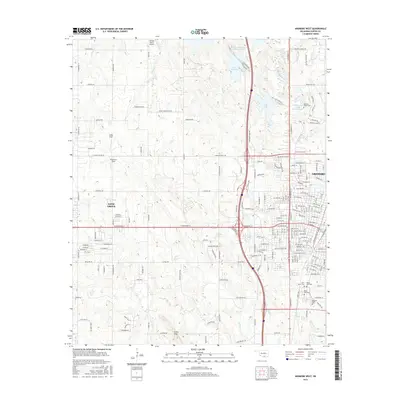 2016 Ardmore West2016 Print · USGSArdmore and Lone Grove are shown during a period of modern expansion in Carter County. Researchers can find several local burial grounds such as Saint Marys Cem and trace water features like City Lake and Hickory Cr.
 - 2016 Map of Ardmore East, 2016 Print
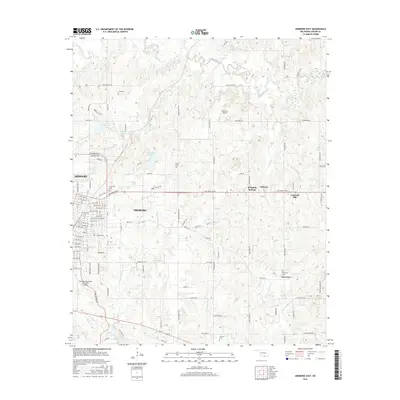 2016 Ardmore East2016 Print · USGSArdmore and its eastern rural fringes are documented here in the mid-2010s as the area balances aviation industry with its agricultural roots. Researchers can locate numerous local burial sites like Cole Cem and Concord Cem or trace the early paths of Provence and Dripping Springs.
 - 2016 Map of Springer, 2016 Print
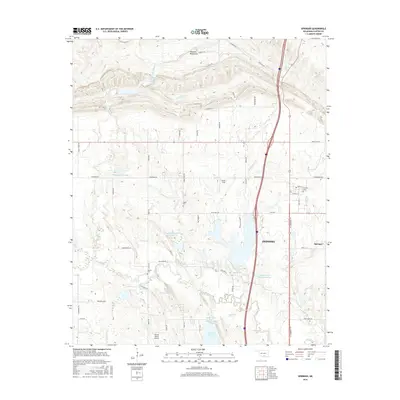 2016 Springer2016 Print · USGSThe foothills of the Arbuckle Mountains meet the northern edge of Ardmore in this mid-2010s landscape. Family researchers and historians can locate rural burial grounds like Gaines Cem and Glenn Cem among the many reservoirs of the Caddo Creek basin.
Showing maps 1-25 of 37
Top cities near Ardmore
- Lone Grove historical maps
- Dickson historical maps
- Springer historical maps
- Mannsville historical maps
- Dougherty historical maps
- Gene Autry historical maps
Frequently asked questions
- What are the different types of historical maps available for Ardmore?
- What is the oldest map of Ardmore?
- Where can I purchase historical maps of Ardmore for my home or office?
- Where can I download high-res historical maps of Ardmore?
- Are there historical topographic maps available for Ardmore?
- Is there historical aerial imagery available for Ardmore?
- Where are historical maps of Ardmore sourced from?