Old Maps of Post Oak, Oklahoma for Academic Research
Study the evolution of Post Oak with 11 high-resolution historic maps. Whether you're teaching, researching, or modeling changes in land use, these maps provide essential visual documentation of urban, environmental, and geographic change.
- Analyze long-term change: Track patterns in development, transportation, and natural features.
- Ideal for environmental or urban studies: Support academic projects with primary historical map data.
- Use in the classroom or lab: Educators and researchers rely on these maps to bring historical context to life.
These maps are a powerful tool for teaching, research, and visualizing how Post Oak has changed over the decades.
Post Oak, OK maps
(11)- 1901 Map of Ardmore
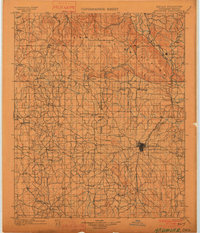 1901 Ardmore1901 Print · USGSThe Chickasaw Nation of Indian Territory is captured here at the turn of the century, showing a landscape of burgeoning rail towns and early industry. Researchers can trace the Gulf Colorado and Santa Fe line through Ardmore or locate early Asphalt Mine sites near Newport.6 unique versions available
 - 1918 Map of Ardmore
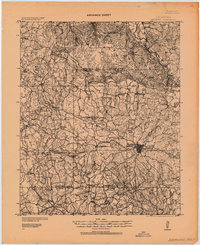 1918 Ardmore1918 Print · USGSSouthern Oklahoma was a hub of energy production and rail traffic during the late teens. Researchers can trace the early infrastructure of the Healdton Oil Fields, find vanished sites like Joiner City, or locate the Post Oak School.
 - 1957 Map of Ardmore, 1968 Print
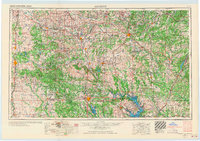 1957 Ardmore1968 Print · USGSSouth-central Oklahoma in the late fifties was a landscape of rising reservoir waters and expanding rail lines. Genealogists and historians can trace the foundations of Ardmore and Duncan or locate early recreation sites at Platt National Park and Lake Murray State Park.3 unique versions available
 - 1963 Map of Ardmore
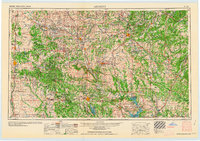 1963 Ardmore1963 Print · USGSSouthern Oklahoma during the early sixties shows a landscape defined by the Arbuckle Mountains and a booming energy economy. Genealogists and historians can trace family-named sites across the Ardmore Oil Field, find old schools like Southeastern State College, or locate historic markers such as Boggy Depot State Park.2 unique versions available
 - 1969 Map of Healdton SW, 1971 Print
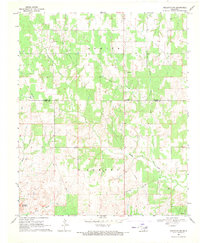 1969 Healdton SW1971 Print · USGSIn the late sixties, the borderlands of Love and Carter County remained a landscape of creek-side settlements and active oil production. Researchers can pinpoint the rural Reck Ch, the historic Morgan Cem, and the family-named Simon Cem.2 unique versions available
 - 1986 Map of Ardmore
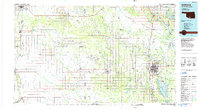 1986 Ardmore1986 Print · USGSSouthern Oklahoma in the mid-eighties was a landscape of rugged geology and deep petroleum roots. Genealogists and historians can trace the development of Ardmore and Healdon alongside the vast Sholem Alechem Oil Field and the rails of the AT & SF RR.2 unique versions available
 - 2010 Map of Healdton SW, 2010 Print
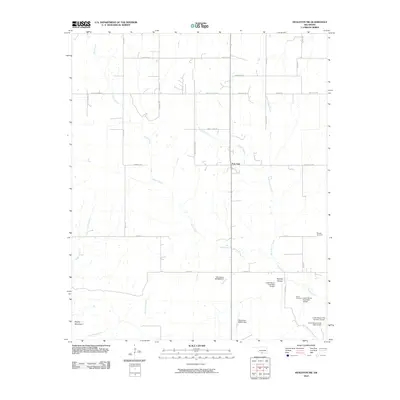 2010 Healdton SW2010 Print · USGSPost Oak and the surrounding Oklahoma plains are documented here just after the first decade of the millennium. Genealogists and local historians can pinpoint Morgan Cemetery, trace the drainage of Simon Creek, and locate family land near Townley Hollow.
 - 2012 Map of Healdton SW, 2012 Print
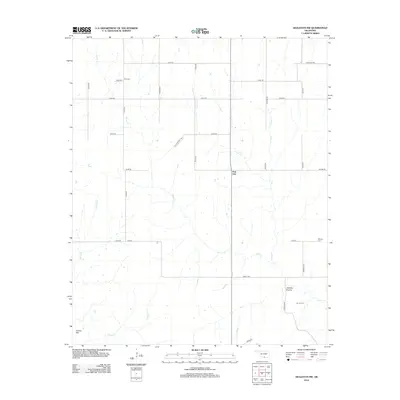 2012 Healdton SW2012 Print · USGSSouthern Oklahoma land use and rural settlement are clearly defined in this 2012 survey of the area surrounding Post Oak. Genealogists can trace family footprints through the Reck Cem, Morgan Cem, and Simon Cem near the banks of Simon Cr.
 - 2016 Map of Healdton SW, 2016 Print
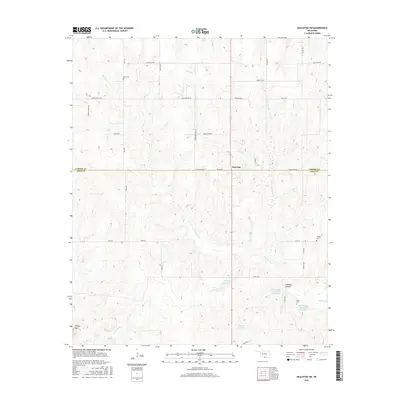 2016 Healdton SW2016 Print · USGSThe border of Carter and Love Counties comes alive in the mid-2010s, showing a rural landscape shaped by creek drainages and timbered ridges. Genealogists can locate family landmarks like Reck Cem and Morgan Cem or trace the winding path of Simon Cr.
 - 2018 Map of Healdton SW, 2018 Print
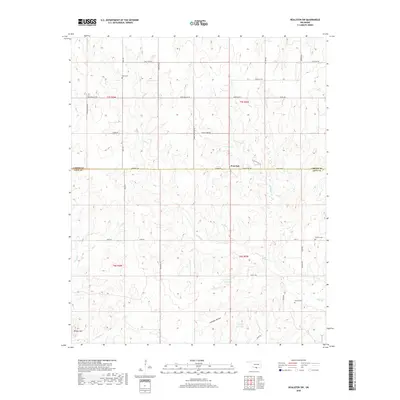 2018 Healdton SW2018 Print · USGSOklahoma's southern borderlands between Carter and Love Counties are captured here in the late twenty-teens, showing a landscape of deep hollows and rural outposts. Genealogists and local historians can locate Reck Cem, Morgan Cem, and the small community of Post Oak.
 - 2022 Map of Healdton SW, 2022 Print
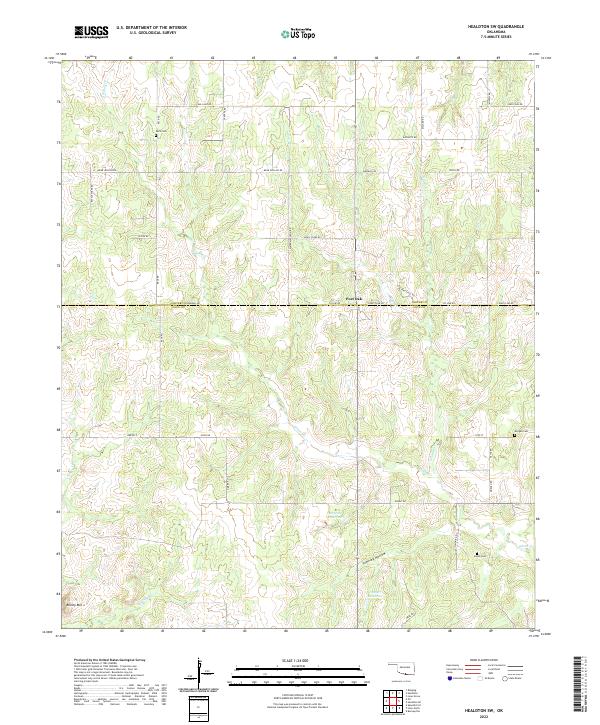 2022 Healdton SW2022 Print · USGSSouthern Oklahoma ranching and agricultural lands are shown here in the early twenty-first century along the Carter and Love County line. Genealogists and local historians can locate family burial sites at Reck Cemetery, Morgan Cemetery, and Simon Cemetery.
End of results
Showing maps 1-11 of 11
Top cities near Post Oak
- Ardmore historical maps
- Lone Grove historical maps
- Healdton historical maps
- Wilson historical maps
- Ringling historical maps
- Cornish historical maps
See more
Frequently asked questions
- What are the different types of historical maps available for Post Oak?
- What is the oldest map of Post Oak?
- Where can I purchase historical maps of Post Oak for my home or office?
- Where can I download high-res historical maps of Post Oak?
- Are there historical topographic maps available for Post Oak?
- Is there historical aerial imagery available for Post Oak?
- Where are historical maps of Post Oak sourced from?