1980s Maps of Cotton County, Oklahoma
Explore 17 historic maps of Cotton County from the 1980s. These maps offer a rare glimpse into what life looked like during the 1980s — showing old roads, neighborhoods, homes, and landmarks that have changed or disappeared over time.
Whether you're researching your family's past, planning a metal detecting trip, or studying how Cotton County's landscape evolved across the 1980s, these high-resolution maps are a powerful tool for exploring the history of this region.
- Focus on a specific era: All maps on this page are from the 1980s, giving you a focused view of this time period.
- See what’s changed: Compare century-old streets, trails, and buildings to today's modern landscape using overlays and satellite layers.
- Research with precision: Use these maps for genealogy, historical research, land use analysis, or educational projects.
- View, download, or print: Maps are fully viewable online in high resolution, and can be downloaded or printed for your own records.
Start exploring Cotton County's history through authentic maps from the 1980s. This is your window into the past.
Cotton County, OK maps
(17)- 1981 Map of Lawton
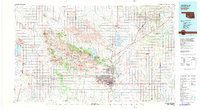 1981 Lawton1981 Print · USGSSouthwestern Oklahoma in the early eighties shows a landscape shaped by military history and the rising peaks of the Wichitas. Researchers can trace the boundaries of the Fort Sill Military Reservation and locate early settlements like Meers, Chattanooga, and Richards Spur.
 - 1984 Map of Hooper, 1985 Print
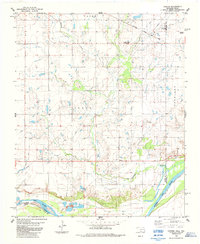 1984 Hooper1985 Print · USGSThe Oklahoma-Texas borderlands come to life in this mid-eighties survey of the river country south of Waurika. Genealogists and local historians can trace the rural landscape around Hooper and Hastings, including the Hastings Cemetery and Pleasant Ridge Community Ctr.
 - 1984 Map of Petrolia, 1985 Print
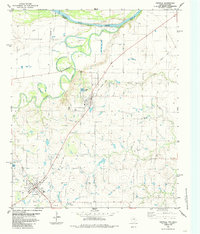 1984 Petrolia1985 Print · USGSNorthern Texas at the dawn of the 1980s reveals a landscape defined by the winding Red River and the industrial footprint of the petroleum industry. Researchers can trace the Old Railroad Grade connecting Petrolia to Byers and locate the Riverside Cemetery near the river banks.
 - 1985 Map of Randlett
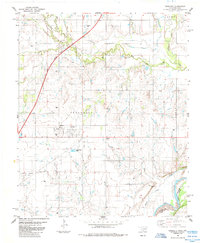 1985 Randlett1985 Print · USGSRandlett and the surrounding Cotton County plains are captured here in the mid-1980s as the regional petroleum and ranching landscape matured. Genealogists and local historians can locate Randlett Cem, trace the Southwest Randlett Oil Field, and see the footprint of Big Pasture High Sch.
 - 1985 Map of Taylor
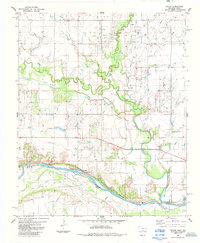 1985 Taylor1985 Print · USGSThe Oklahoma-Texas borderlands along the Red River are captured here in the mid-eighties during a period of active oil exploration. Researchers can trace the petroleum infrastructure of the West Cache Creek Oil Field and locate the small settlement of Taylor.
 - 1985 Map of Devol
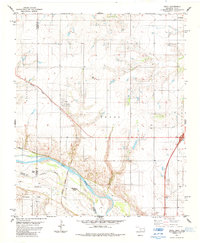 1985 Devol1985 Print · USGSThe Oklahoma-Texas borderlands come into focus in the mid-1980s, centered on the railroad town of Devol. Researchers can trace the path of the Missouri Kansas Texas line or locate rural Oil Wells and the local Cem.
 - 1985 Map of Burkburnett, 1986 Print
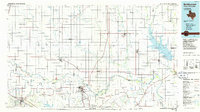 1985 Burkburnett1986 Print · USGSThe Red River valley and North Texas oil fields are captured here in the mid-eighties, showing the vital connection between military hubs and rail towns. Researchers can trace the path of the Missouri Kansas Texas railroad through Burkburnett or locate Waurika Lake and Sheppard Air Force Base.2 unique versions available
 - 1987 Map of Faxon
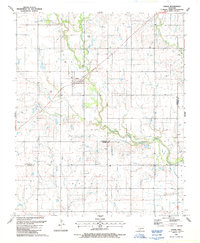 1987 Faxon1987 Print · USGSSouthwestern Oklahoma near the Comanche and Cotton county line is captured in the late eighties as a quiet agricultural landscape. Genealogists can locate Faxon Cem and trace rural property lines near Faxon and the West Cache Creek drainage.
 - 1987 Map of Walters NE
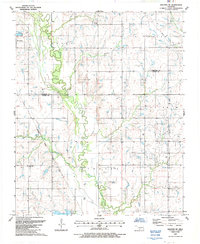 1987 Walters NE1987 Print · USGSCotton and Comanche Counties in the late 1980s reveal a landscape defined by petroleum extraction and creek-side settlements. Genealogists and historians can locate Allendale Cem, New Salem Ch, and the streets of Geronimo amidst a network of Oil Wells.
 - 1987 Map of Geronimo
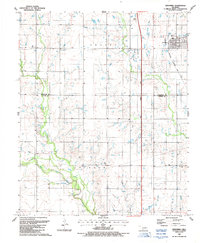 1987 Geronimo1987 Print · USGSGeronimo and the surrounding Comanche County townships are captured in the late 1980s as the regional rail and turnpike networks integrated with the rural landscape. Researchers can trace the path of the Oklahoma Kansas and Texas railroad and locate the Elm Grove Cem or the small settlement of Crosby.
 - 1987 Map of Whites Lake
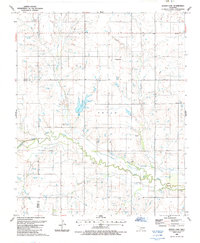 1987 Whites Lake1987 Print · USGSSouthern Oklahoma during the late 1980s reveals a rural landscape shaped by the winding course of Deep Red Creek. Local researchers can trace the vicinity of Ahpeatone Ch and identify water features like Whites Lake and the nearby Levee.
 - 1987 Map of Chattanooga
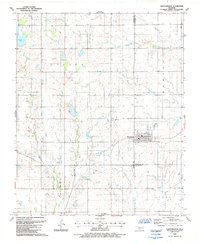 1987 Chattanooga1987 Print · USGSThe rural prairie of Comanche and Tillman counties is captured here in the late 1980s. Researchers can locate the Chattanooga Cem and trace water-dependent landmarks like Kinder Lake or the numerous Gravel Pits dotting the landscape.
 - 1987 Map of Cookietown, 1988 Print
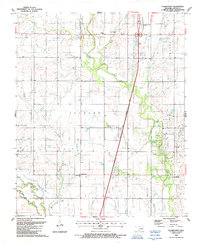 1987 Cookietown1988 Print · USGSCotton County in the late eighties reveals a landscape of prairie oil fields and rural spiritual centers. Genealogists and historians can trace local landmarks like Cookietown, Emerson Indian Ch, and the Essaquanahdale West Oil Field.
 - 1987 Map of Chattanooga SW, 1988 Print
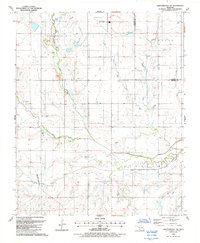 1987 Chattanooga SW1988 Print · USGSTillman and Cotton counties are shown in the late eighties as a landscape of rural townships and winding creeks. Genealogists and historians can trace the Missouri-Kansas-Texas rail line near Loveland or locate Chattanooga Sky Harbor.
 - 1987 Map of Temple, 1988 Print
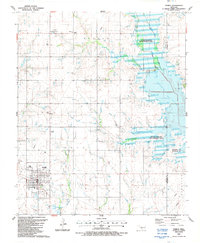 1987 Temple1988 Print · USGSTemple and the surrounding plains are captured in the late eighties as the local landscape adapted to the presence of Waurika Lake. Genealogists and historians can trace family locations near Temple Cem, Valley View Ch, and the settlement of Mills.
 - 1987 Map of Temple NW, 1988 Print
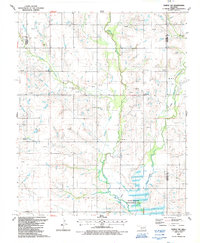 1987 Temple NW1988 Print · USGSCotton County during the late 1980s reveals a rural landscape deeply integrated with the petroleum industry. Genealogists and local historians can locate Comanche Cem, trace the course of Beaver Creek, and identify small communities like Hulen.
 - 1987 Map of Walters, 1988 Print
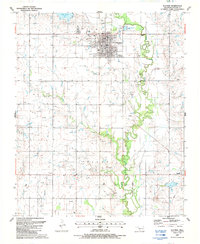 1987 Walters1988 Print · USGSCotton County in the late eighties reveals a landscape defined by the petroleum industry and the winding waters of East Cache Creek. Genealogists and local historians can trace the development of Walters and Temple, locating landmarks like Brown Ch and Dave Boyer Lake.
End of results
Showing maps 1-17 of 17
Top cities of Cotton County
Frequently asked questions
- What are the different types of historical maps available for Cotton County?
- What is the oldest map of Cotton County?
- Where can I purchase historical maps of Cotton County for my home or office?
- Where can I download high-res historical maps of Cotton County?
- Are there historical topographic maps available for Cotton County?
- Is there historical aerial imagery available for Cotton County?
- Where are historical maps of Cotton County sourced from?