Old Maps of May, Oklahoma for Metal Detecting
Plan your next treasure hunt with 15 historic maps of May. Find old homesites, ghost towns, trails, and gathering spots that may be lost to time — perfect for identifying promising metal detecting locations.
- Locate forgotten sites: Uncover places like long-lost settlements, abandoned rail lines, or gathering spots.
- Plan better hunts: Use map overlays combined with LiDAR or satellite views to narrow in on historically rich areas.
- Made for detectorists: Thousands of hobbyists use these maps to discover relics, coins, and hidden history.
Use these historic maps to boost your research and find new opportunities beneath the surface of May.
May, OK maps
(15)- 1955 Map of Woodward, 1967 Print
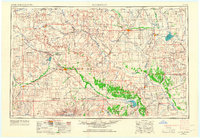 1955 Woodward1967 Print · USGSNorthwest Oklahoma and the bordering plains are captured during the mid-sixties, showing a landscape defined by river valleys and massive water projects. Researchers can trace family roots in towns like Woodward and Alva or locate landmarks such as the Western Oklahoma State Hospital and Kegelman AF.3 unique versions available
 - 1958 Map of Woodward
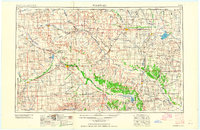 1958 Woodward1958 Print · USGSNorthwest Oklahoma and the neighboring panhandle borders are shown here during a period of steady mid-century growth. Researchers can trace the rail networks of the Atchison Topeka and Santa Fe and locate landmarks like the Western Oklahoma State Hospital and Port Supply Reservoir.2 unique versions available
 - 1971 Map of May East, 1973 Print
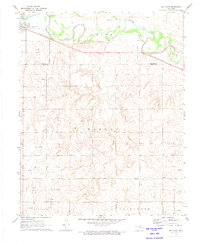 1971 May East1973 Print · USGSThe rural landscape of Ellis County is captured here in the early 1970s as energy production and rail transport shaped the plains. Researchers can locate the town of May, trace the Missouri - Kansas - Texas railroad, and find local landmarks like Mt Olive Ch.
 - 1971 Map of May West, 1973 Print
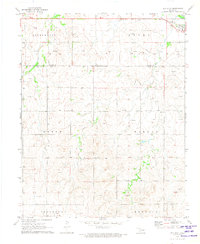 1971 May West1973 Print · USGSThe rural borderlands of Ellis and Harper Counties are captured in the early 1970s, during a period of active energy development. Genealogists and historians can trace local family landmarks and burial sites like May Cem near the town of May or follow the M-K-T rail line.
 - 1985 Map of Buffalo
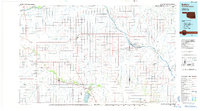 1985 Buffalo1985 Print · USGSNorthwest Oklahoma in the mid-eighties was a landscape of river basins and rail lines centered around Buffalo and Laverne. Genealogists and historians can trace the paths of the Atchison Topeka and Santa Fe Railroad or locate landmarks like Chimney Rock and Alabaster Caverns.2 unique versions available
 - 2010 Map of May East, 2010 Print
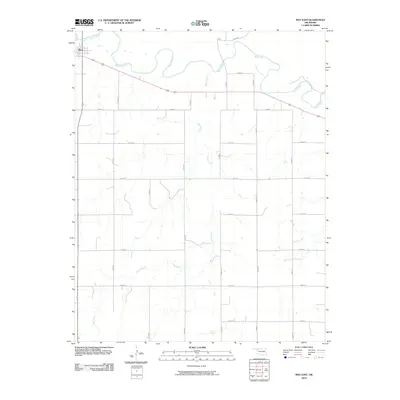 2010 May East2010 Print · USGSThe village of May sits at the edge of the winding Beaver River in this early 2010s survey of the Oklahoma Panhandle. Genealogists and local historians can trace rural property boundaries along the section-line grid, from Sand Creek to the junctions of 412 and 270.
 - 2010 Map of May West, 2010 Print
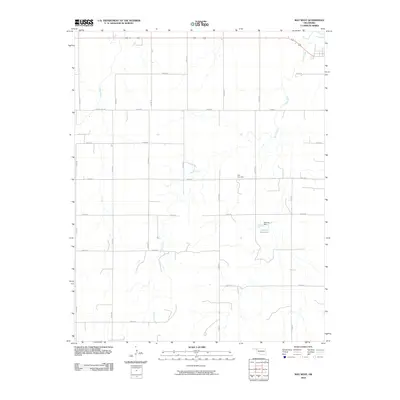 2010 May West2010 Print · USGSNorthwestern Oklahoma’s high plains are captured here in the early twenty-first century, showing a landscape defined by ranch roads and creek beds. Researchers can locate family landmarks like May Cemetery or trace the drainage of Otter Creek and Doersch Reservoir.
 - 2012 Map of May East, 2012 Print
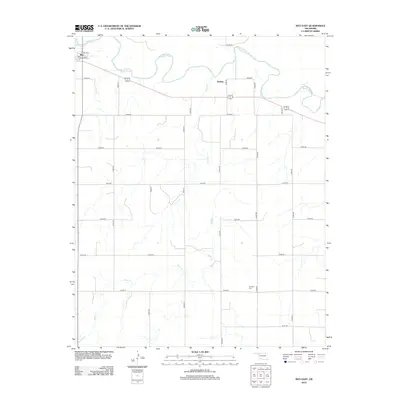 2012 May East2012 Print · USGSOklahoma's High Plains come into focus in the early twenty-first century as the Beaver River cuts through Harper County. Genealogists and local historians can trace family roots at Mt Olive Cem or explore the street grids of May and Dunlap.
 - 2012 Map of May West, 2012 Print
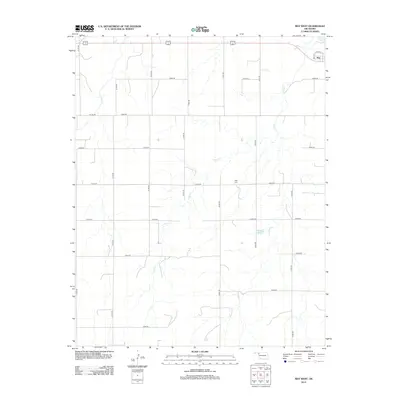 2012 May West2012 Print · USGSThe village of May and the surrounding Harper County plains are captured here in the early twenty-first century. Genealogists and local historians can trace the rural landscape through landmarks like May Cem, Doersch Reservoir, and the winding Otter Cr.
 - 2016 Map of May East, 2016 Print
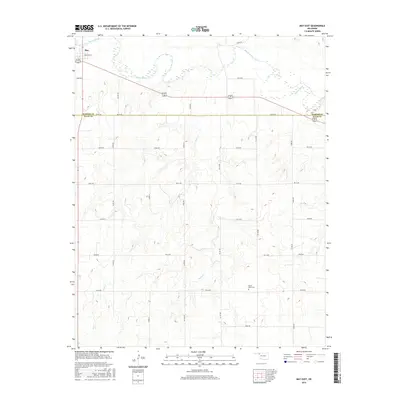 2016 May East2016 Print · USGSThe Northwest Oklahoma borderlands are captured here in the 2010s, where the Beaver River and Sand Cr cut through the high plains. Genealogists can locate Mount Olive Cem and trace the early street plan of May, including Josephine St.
 - 2016 Map of May West, 2016 Print
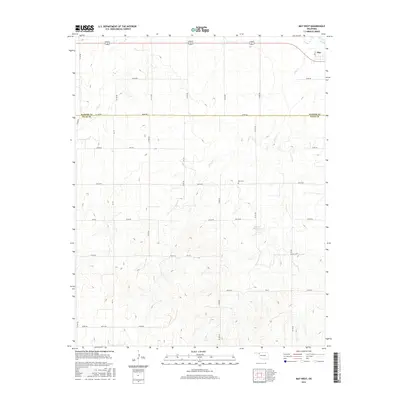 2016 May West2016 Print · USGSNorthwest Oklahoma at the Harper and Ellis County line remains a landscape of wide-open ranching and rural homesteads. Genealogists and local historians can locate the May Cem and the small community of May, or trace the winding course of Otter Cr.
 - 2018 Map of May West, 2018 Print
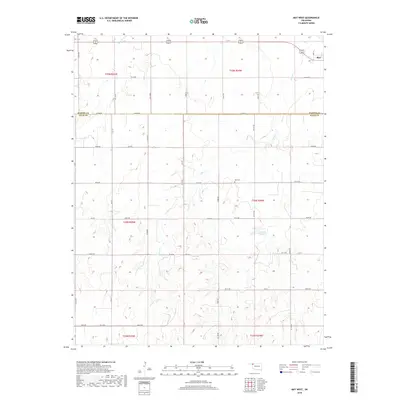 2018 May West2018 Print · USGSThe rural landscape of the Oklahoma Panhandle vicinity is captured here in the late 2010s, centered on the Harper and Ellis County line. Researchers can locate the May Cem and trace the drainage of Otter Cr as it winds past Doersch Reservoir.
 - 2018 Map of May East, 2018 Print
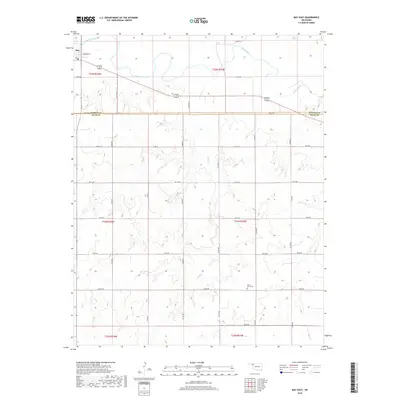 2018 May East2018 Print · USGSHigh Plains ranching and river drainage define this 2018 survey of the Oklahoma borderlands. Researchers can trace family history at Mount Olive Cem and explore the local center of May along the Beaver River and Sand Cr.
 - 2022 Map of May East, 2022 Print
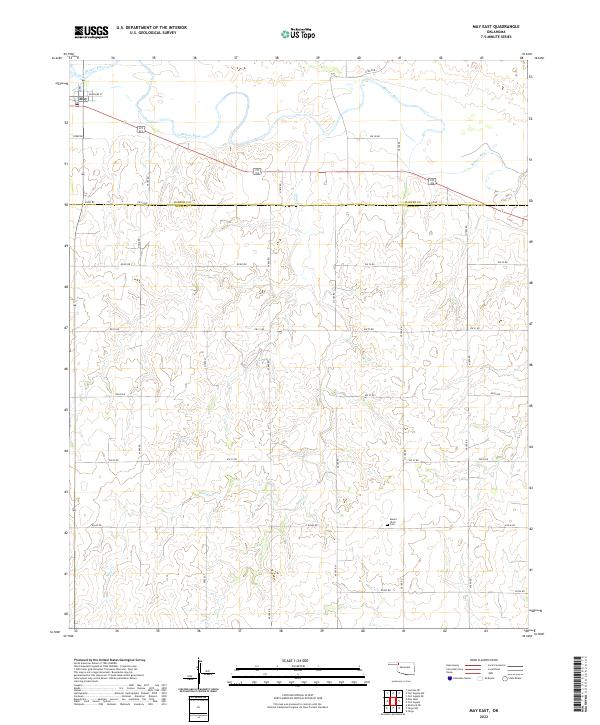 2022 May East2022 Print · USGSOklahoma's western borderlands are captured here in the early twenty-first century, showing the rural landscape where Harper and Ellis counties meet. Researchers can trace the layout of May or locate family records at Mount Olive Cem near Sand Cr.
 - 2022 Map of May West, 2022 Print
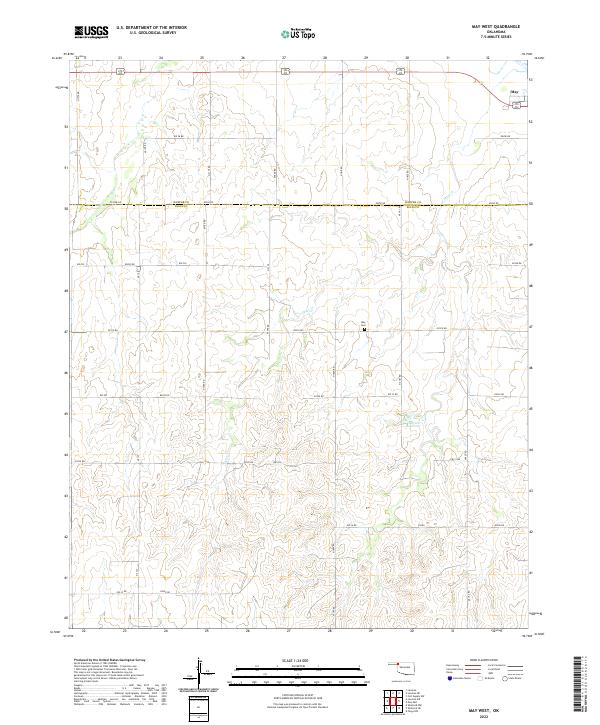 2022 May West2022 Print · USGSThe area surrounding May on the border of Ellis and Harper Counties is documented here as it appeared in 2022. Researchers can trace the rural landscape near the May Cem and follow the course of Otter Creek past Doersch Reservoir.
End of results
Showing maps 1-15 of 15
Top cities near May
Frequently asked questions
- What are the different types of historical maps available for May?
- What is the oldest map of May?
- Where can I purchase historical maps of May for my home or office?
- Where can I download high-res historical maps of May?
- Are there historical topographic maps available for May?
- Is there historical aerial imagery available for May?
- Where are historical maps of May sourced from?