1900s (20th Century) Maps of Hughes County, Oklahoma
Explore 37 historic maps of Hughes County from the 1900s (20th Century). These maps offer a rare glimpse into what life looked like during the 1900s — showing old roads, neighborhoods, homes, and landmarks that have changed or disappeared over time.
Whether you're researching your family's past, planning a metal detecting trip, or studying how Hughes County's landscape evolved across the 1900s, these high-resolution maps are a powerful tool for exploring the history of this region.
- Focus on a specific era: All maps on this page are from the 1900s, giving you a focused view of this time period.
- See what’s changed: Compare century-old streets, trails, and buildings to today's modern landscape using overlays and satellite layers.
- Research with precision: Use these maps for genealogy, historical research, land use analysis, or educational projects.
- View, download, or print: Maps are fully viewable online in high resolution, and can be downloaded or printed for your own records.
Start exploring Hughes County's history through authentic maps from the 1900s. This is your window into the past.
Hughes County, OK maps
(37)- 1900 Map of Canadian
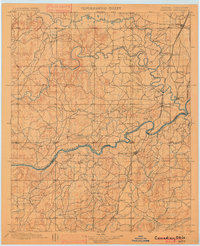 1900 Canadian1900 Print · USGSIndian Territory at the turn of the century shows a landscape of tribal nations and developing rail towns along the CANADIAN RIVER. Genealogists and historians can trace early settlements like Fishertown and Indianola or the original Creek Nation Choctaw Nation Boundary Line.6 unique versions available
 - 1900 Map of Wewoka
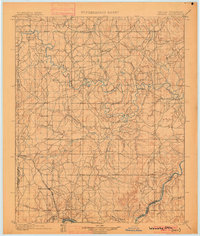 1900 Wewoka1900 Print · USGSIndian Territory at the turn of the century shows a landscape defined by tribal nations and the early expansion of the railway. Genealogists can trace family homesteads near Wewoka and Holdenville, or locate remote landmarks like Marks Store and the Baptist Mission.4 unique versions available
 - 1900 Map of Coalgate
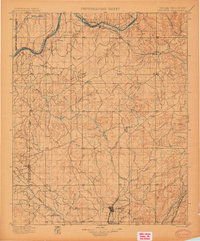 1900 Coalgate1900 Print · USGSIndian Territory at the turn of the century shows a land of tribal boundaries and emerging coal towns. Researchers can trace the early rail corridors of the M. K. and T. R. R. and locate vanished communities like Guertie, Citra, and Legal.3 unique versions available
 - 1946 Map of Fort Smith
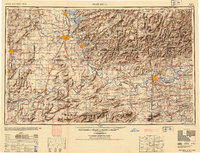 1946 Fort Smith1946 Print · USGSThe Arkansas-Oklahoma borderlands appear here in the mid-forties, as new reservoirs began to transform the river valleys. Genealogists and historians can trace rail-served towns from Muskogee to Fort Smith and locate landmarks like Camp Chaffee.
 - 1954 Map of Oklahoma City
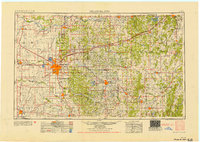 1954 Oklahoma City1954 Print · USGSOklahoma City and its surrounding counties are captured here in the early fifties during a period of significant postwar growth. Researchers can trace the development of the Turner Turnpike and locate aviation hubs like Tinker Field or Will Rogers Field.
 - 1957 Map of Ardmore, 1968 Print
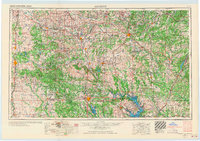 1957 Ardmore1968 Print · USGSSouth-central Oklahoma in the late fifties was a landscape of rising reservoir waters and expanding rail lines. Genealogists and historians can trace the foundations of Ardmore and Duncan or locate early recreation sites at Platt National Park and Lake Murray State Park.3 unique versions available
 - 1957 Map of Oklahoma City, 1969 Print
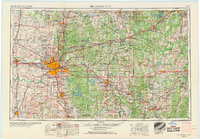 1957 Oklahoma City1969 Print · USGSCentral Oklahoma is captured here in a period of significant mid-century growth and industrialization. Researchers can trace family roots through numerous rural markers like Memory Lane Cem, New Hope School, and the sprawling grounds of Tinker Air Force Base.3 unique versions available
 - 1958 Map of Steedman, 1959 Print
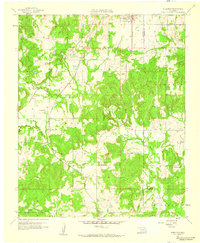 1958 Steedman1959 Print · USGSPontotoc and Hughes counties appear here in the late fifties as a landscape of oil production and quiet rural communities. Researchers can trace the Old Indian Boundary and locate family landmarks like Black Rock Cem and Dawson Chapel.2 unique versions available
 - 1962 Map of Henryetta SW, 1963 Print
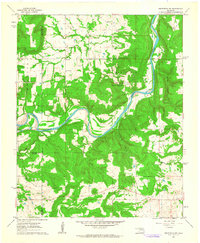 1962 Henryetta SW1963 Print · USGSThe North Canadian River valley near the McIntosh and Okfuskee county lines comes alive in this early sixties survey. Local historians can trace family-named landmarks and tribal community centers like Yardeka Ch, Ryals Sch, and the Hickory Ground No 1 Ch.2 unique versions available
 - 1963 Map of Ardmore
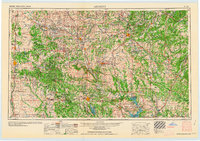 1963 Ardmore1963 Print · USGSSouthern Oklahoma during the early sixties shows a landscape defined by the Arbuckle Mountains and a booming energy economy. Genealogists and historians can trace family-named sites across the Ardmore Oil Field, find old schools like Southeastern State College, or locate historic markers such as Boggy Depot State Park.2 unique versions available
 - 1963 Map of Oklahoma City
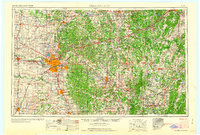 1963 Oklahoma City1963 Print · USGSCentral Oklahoma in the early sixties showcases a landscape of rapid suburban growth and established oil production. Researchers can trace historic rail lines like the Chicago Rock Island and Pacific RR or locate rural landmarks such as Mayflower School and Bethel Church.
 - 1965 Map of Fort Smith
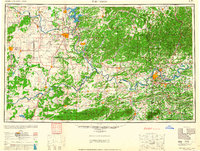 1965 Fort Smith1965 Print · USGSEastern Oklahoma and Western Arkansas are captured here during a period of massive post-war change as new reservoirs reshaped the river valleys. Genealogists and historians can trace the rail networks of the Midland Valley RR and find established communities like Stilwell, Sallisaw, and Stigler.
 - 1967 Map of Fort Smith
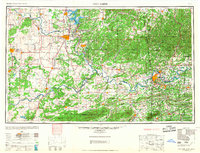 1967 Fort Smith1967 Print · USGSThe Arkansas River valley and the foothills of the Ozarks are captured here during a period of significant military and industrial activity. Researchers can trace the sprawling bounds of Camp Chaffee and Camp Gruber or locate vanished rail stops along the Midland Valley RR.
 - 1967 Map of Cromwell, 1968 Print
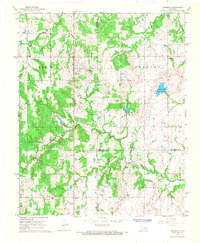 1967 Cromwell1968 Print · USGSMid-century Oklahoma energy production and rural community life meet in this 1960s survey of the Seminole County borderlands. Genealogists and historians can locate the Childrens Home, Quarsarty Ch, and legacy family sites at Bearden Cem or Butner.
 - 1967 Map of Calvin East, 1968 Print
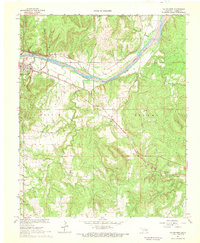 1967 Calvin East1968 Print · USGSHughes County near the town of Calvin is shown here in the late sixties, where the regional rail lines meet the Canadian River. Researchers can trace the junction of two major railroads and locate sites like Spring Creek Cem and Hilltop Ch.2 unique versions available
 - 1967 Map of Ashland, 1968 Print
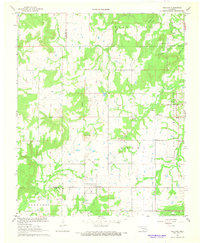 1967 Ashland1968 Print · USGSThe rural landscape of Pittsburg County comes into focus in the late sixties, showing the intersection of local life and military operations. Researchers can trace the Reservation Boundary of the U S Naval Ammunition Depot alongside local landmarks like Friendship Ch and Ward Springs Cem.2 unique versions available
 - 1967 Map of Non, 1968 Print
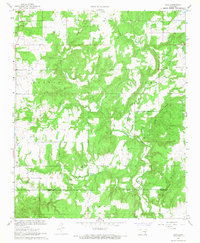 1967 Non1968 Print · USGSThe rural landscape of Hughes and Coal counties is captured in the late sixties, centered on the settlement of Non. Genealogists and researchers can locate the Non Cemetery, Rock Creek Cemetery, and numerous active sandpits along Boggy Creek.3 unique versions available
 - 1967 Map of Stuart, 1968 Print
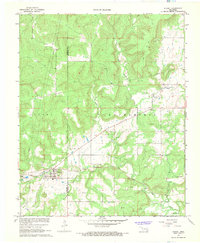 1967 Stuart1968 Print · USGSThe Oklahoma hill country comes into focus in the late sixties, centered on the rail-served town of Stuart. Researchers can trace the routes of the CHICAGO ROCK ISLAND AND PACIFIC or locate family sites near White Chimney Cem and Double Spring Ch.2 unique versions available
 - 1967 Map of Okemah SE, 1968 Print
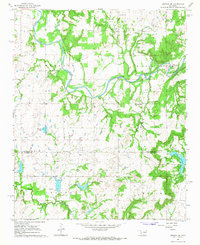 1967 Okemah SE1968 Print · USGSOklahoma's petroleum landscape is captured here in the late sixties along the North Canadian River. Genealogists and historians can trace rural landmarks like the Lone Star Sch, Thlopthlocco Ch, and the Papoose Oil Field.2 unique versions available
 - 1967 Map of Weleetka, 1968 Print
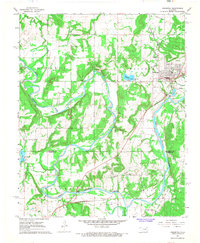 1967 Weleetka1968 Print · USGSIn the heart of the Sooner State during the late sixties, this area shows a landscape defined by the winding North Canadian River and an active petroleum industry. Genealogists and historians can trace early community life through North Fork Cem, Alabama Ch, and the St Louis-San Francisco rail corridor.2 unique versions available
 - 1967 Map of Allen, 1968 Print
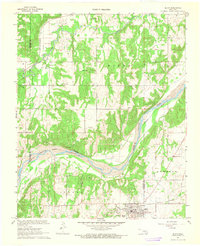 1967 Allen1968 Print · USGSThe tri-county border of Pontotoc, Hughes, and Seminole counties comes alive in this late 1960s survey during the region's oil-producing era. Genealogists and historians can locate the Old Indian Treaty Boundary alongside rural landmarks like Greenleaf Sch and the extensive Allen Oil Field.2 unique versions available
 - 1967 Map of Calvin West, 1968 Print
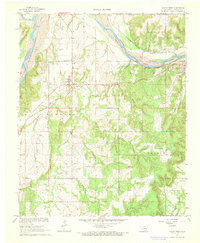 1967 Calvin West1968 Print · USGSHughes County's river valleys and oil fields come into sharp focus during the late sixties. Genealogists and local historians can trace the homesteads around Atwood, locate the Atwood Sch, and follow the path of the Chicago Rock Island and Pacific railroad.
 - 1967 Map of Gerty, 1968 Print
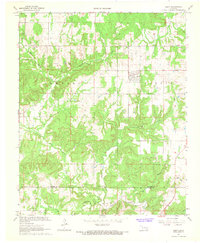 1967 Gerty1968 Print · USGSThe rural landscape of Hughes and Coal counties is captured here in the late sixties, centered on the town of Gerty. Researchers can locate family landmarks like Gerty Cem and Salt Creek Ch or trace the NE Citra Oil and Gas Field.3 unique versions available
 - 1967 Map of Dustin, 1968 Print
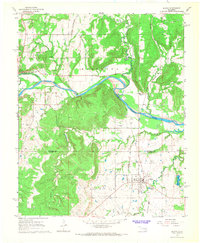 1967 Dustin1968 Print · USGSThe rail-and-river landscape near the Hughes County line comes to life in the late 1960s as a hub for the region's energy industry. Trace the heritage of local families at Mosewiley Cemetery or follow the Old Railroad Grade near Dustin.3 unique versions available
 - 1970 Map of Lamar, 1972 Print
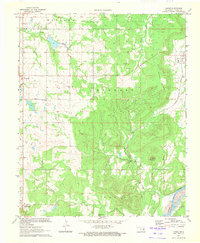 1970 Lamar1972 Print · USGSHughes County in the early seventies shows a landscape where traditional rural settlements meet an active energy industry. Researchers can trace the Missouri Pacific rail corridor through Lamar, find local landmarks like the Moss Sch, or locate family sites at the Mc Mahan Cem.
Showing maps 1-25 of 37
Top cities of Hughes County
- Holdenville historical maps
- Wetumka historical maps
- Dustin historical maps
- Calvin historical maps
- Stuart historical maps
- Lamar historical maps
See more
Frequently asked questions
- What are the different types of historical maps available for Hughes County?
- What is the oldest map of Hughes County?
- Where can I purchase historical maps of Hughes County for my home or office?
- Where can I download high-res historical maps of Hughes County?
- Are there historical topographic maps available for Hughes County?
- Is there historical aerial imagery available for Hughes County?
- Where are historical maps of Hughes County sourced from?