2000s (21st Century) Maps of Broken Bow, Oklahoma
Explore 25 historic maps of Broken Bow from the 2000s (21st Century). These maps offer a rare glimpse into what life looked like during the 2000s — showing old roads, neighborhoods, homes, and landmarks that have changed or disappeared over time.
Whether you're researching your family's past, planning a metal detecting trip, or studying how Broken Bow's landscape evolved across the 2000s, these high-resolution maps are a powerful tool for exploring the history of this region.
- Focus on a specific era: All maps on this page are from the 2000s, giving you a focused view of this time period.
- See what’s changed: Compare century-old streets, trails, and buildings to today's modern landscape using overlays and satellite layers.
- Research with precision: Use these maps for genealogy, historical research, land use analysis, or educational projects.
- View, download, or print: Maps are fully viewable online in high resolution, and can be downloaded or printed for your own records.
Start exploring Broken Bow's history through authentic maps from the 2000s. This is your window into the past.
Broken Bow, OK maps
(25)- 2010 Map of Broken Bow, 2010 Print
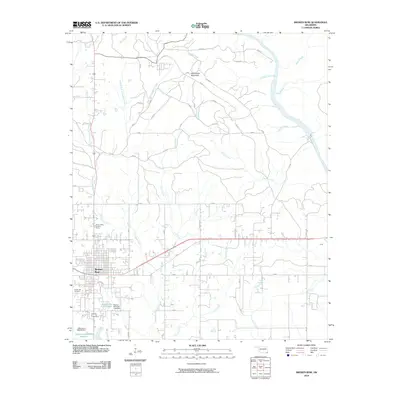 2010 Broken Bow2010 Print · USGSBroken Bow and its surrounding McCurtain County timberlands are detailed here during a period of steady growth. Researchers can trace the local landscape from the Broken Bow Lookout Tower to the Crown Hill Cemetery, or follow the winding Mountain Fork and Yanubbee Creek.
 - 2010 Map of Steel Junction, 2010 Print
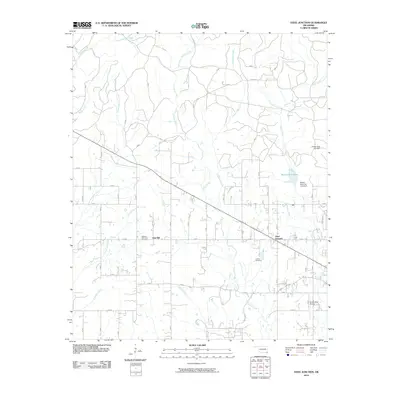 2010 Steel Junction2010 Print · USGSSoutheastern Oklahoma's McCurtain County appears here in the early twenty-first century, centered on rural crossroads and water infrastructure. Genealogists and local historians can locate Watsons Memorial Cemetery, the Steel Junction community, and the area surrounding Broken Bow Lake.
 - 2010 Map of Stephens Gap, 2010 Print
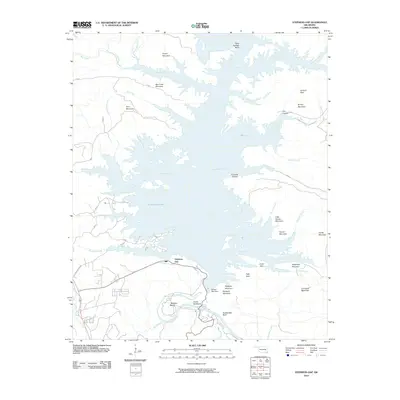 2010 Stephens Gap2010 Print · USGSSoutheast Oklahoma in the early 2000s centers on the expansive waters of the Mountain Fork. Local historians and outdoor researchers can trace the winding shoreline of Broken Bow Lake, find the namesake Stephens Gap, and locate the dramatic formations at Beavers Bend.
 - 2010 Map of Shults, 2010 Print
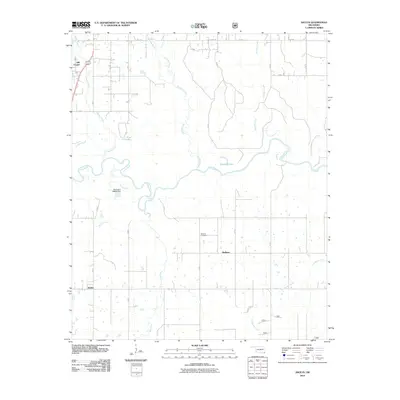 2010 Shults2010 Print · USGSSoutheastern Oklahoma’s rural landscape is captured here during the first decade of the new millennium, centered on the Little River and its tributaries. Researchers can trace local heritage through sites like Redland Cemetery, Hill Chapel, and the settlement at Shults.
 - 2010 Map of Idabel, 2010 Print
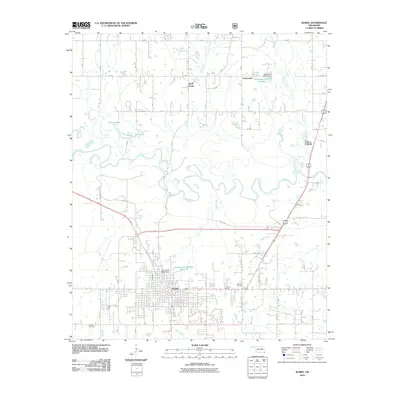 2010 Idabel2010 Print · USGSIdabel and the surrounding McCurtain County lowlands are captured here during a period of modern growth south of the Little River. Genealogists and historians can trace local landmarks like Choctaw Village, Denison Cemetery, and the northern community of Holly Creek.
 - 2012 Map of Shults, 2012 Print
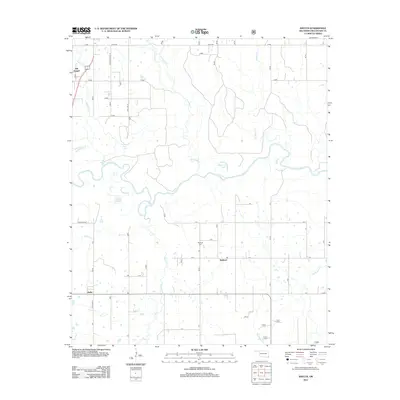 2012 Shults2012 Print · USGSMcCurtain County's rural river valleys are shown in detail during the early 21st century. Researchers can trace the community structures of Redland and Hill Chapel, find local family history at the Redland Cemetery, and follow the winding course of the Little River.
 - 2012 Map of Steel Junction, 2012 Print
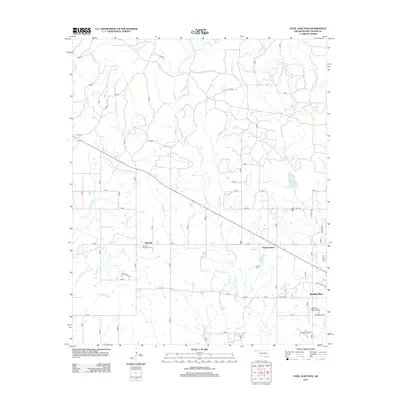 2012 Steel Junction2012 Print · USGSMcCurtain County at the start of the 2010s shows a landscape of deep creek bottoms and growing rural settlements. Genealogists and local historians can trace family locations near Oak Hill, Watsons Memorial Cem, and the outskirts of Broken Bow.
 - 2013 Map of Stephens Gap, 2013 Print
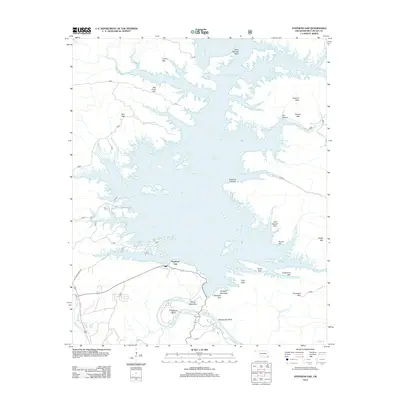 2013 Stephens Gap2013 Print · USGSBroken Bow Lake and the winding Mountain Fork river define this McCurtain County landscape in the early twenty-first century. Outdoor historians and researchers can trace the rugged topography of Devils Backbone and locate landmarks like Stephens Gap and Beavers Bend.
 - 2013 Map of Broken Bow, 2013 Print
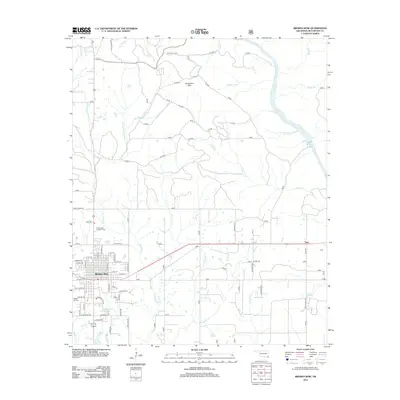 2013 Broken Bow2013 Print · USGSBroken Bow and the surrounding McCurtain County timberlands are captured here in the early twenty-first century. Genealogists and historians can trace local landmarks like Crown Hill Cem, the Broken Bow Lookout Tower, and smaller communities like Tiner.
 - 2013 Map of Idabel, 2013 Print
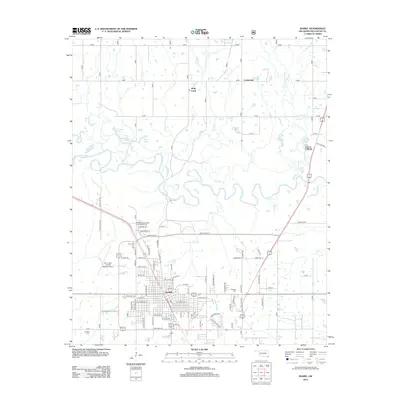 2013 Idabel2013 Print · USGSMcCurtain County's seat and the surrounding river bottomlands are captured here in the early twenty-first century. Researchers can trace the layout of Idabel alongside historic landmarks like Denison Cemetery and the waters of the Little River.
 - 2016 Map of Shults, 2016 Print
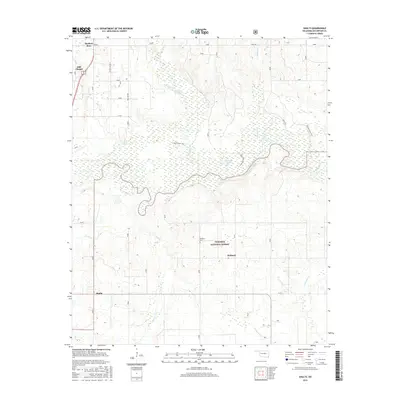 2016 Shults2016 Print · USGSMcCurtain County timberlands and river bottoms are documented here in the mid-2010s, showing the intersection of local communities and forest management. Researchers can locate family sites and rural landmarks like Shults, Redland Cem, and Hill Chapel alongside the winding Little River.
 - 2016 Map of Stephens Gap, 2016 Print
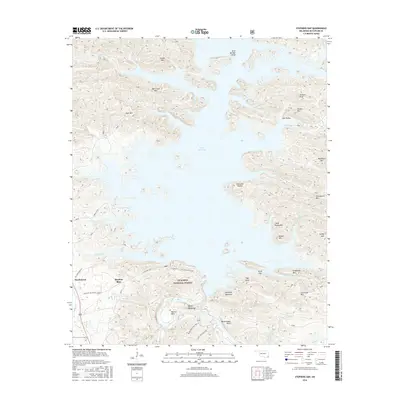 2016 Stephens Gap2016 Print · USGSMcCurtain County in the mid-2010s is defined by the massive reservoir and the protected timberlands of the Ouachita Mountains. Trace the winding shoreline of Broken Bow Lake or locate landmarks near Hochatown and Beavers Bend.
 - 2016 Map of Steel Junction, 2016 Print
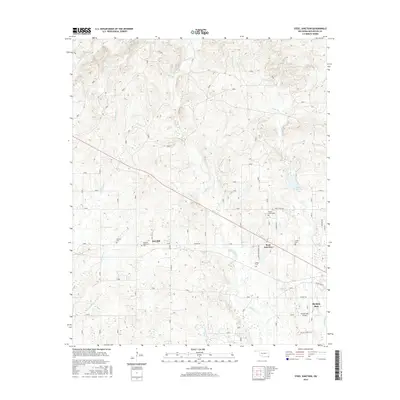 2016 Steel Junction2016 Print · USGSMcCurtain County's timberlands and the outskirts of Broken Bow are detailed here during a period of modern growth and rural preservation. Genealogists can trace family sites at Tohwali Cem and Yasho Cem, while geographers can study the waterways of Lukfata Cr near Steel Junction.
 - 2016 Map of Broken Bow, 2016 Print
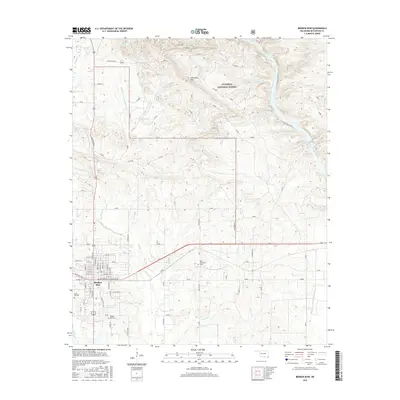 2016 Broken Bow2016 Print · USGSBroken Bow and the surrounding forests are documented here in the mid-2010s, showing the intersection of town life and the river landscape. Researchers can trace family sites like Oka Achukma Cem or follow the waters of Mountain Fork to Presbyterian Falls.
 - 2016 Map of Idabel, 2016 Print
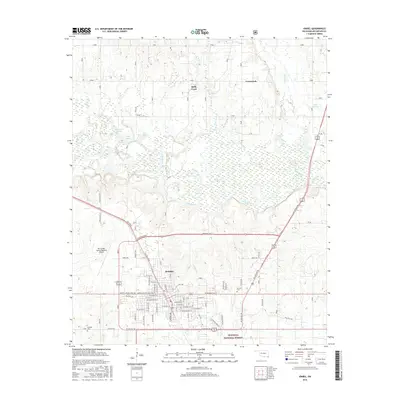 2016 Idabel2016 Print · USGSIdabel and the surrounding McCurtain County bottomlands are shown in detail during the mid-2010s, where the city grid meets the forest edge. Researchers can locate family landmarks like Denison Cem, the Mc Curtain County Regional Airport, and the northern reaches of the Ouachita National Forest.
 - 2018 Map of Broken Bow, 2018 Print
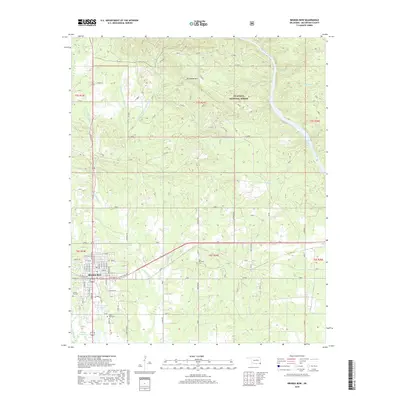 2018 Broken Bow2018 Print · USGSBroken Bow and the surrounding timberlands are captured here in the late 2010s, showcasing the town's growth alongside the Ouachita National Forest. Genealogists and local historians can trace family locations near Crown Hill Cem, Broken Bow Cem, and the winding Yanubbee Cr.
 - 2018 Map of Stephens Gap, 2018 Print
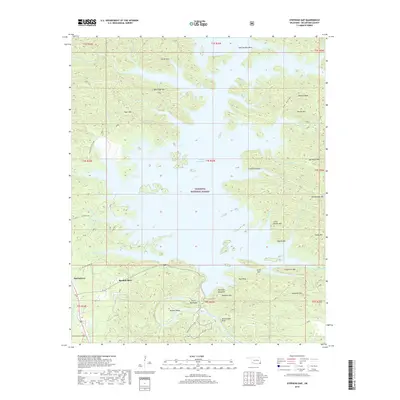 2018 Stephens Gap2018 Print · USGSSoutheast Oklahoma in 2018 is defined here by the intersection of mountain timberlands and the waters of Broken Bow Lake. Genealogists and outdoorsmen can trace terrain features from Devils Backbone to Hochatown, alongside the parklands of Beavers Bend State Park.
 - 2018 Map of Steel Junction, 2018 Print
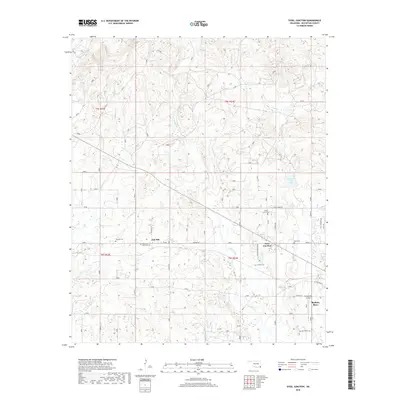 2018 Steel Junction2018 Print · USGSMcCurtain County in the late twenty-teens is a landscape of rural junctions and winding creeks north of the city center. Genealogists and local historians can trace family ties through Watsons Memorial Cem, Lukfata Cem, and the settlement at Oak Hill.
 - 2019 Map of Shults, 2019 Print
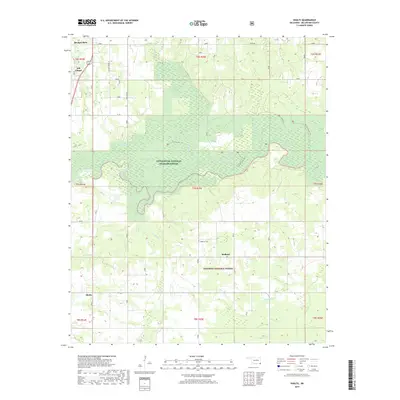 2019 Shults2019 Print · USGSMcCurtain County is shown here in the late 2010s, where the winding Little River separates managed timberlands from protected wildlife corridors. Researchers can trace rural lineages at Redland Cem or locate the settlements of Shults and Redland.
 - 2019 Map of Idabel, 2019 Print
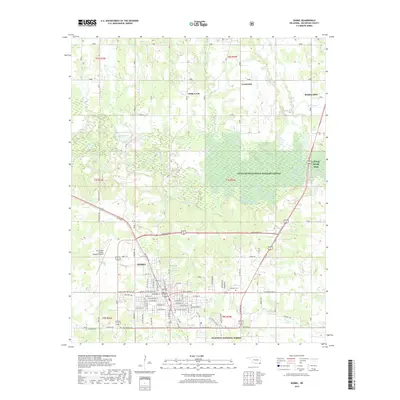 2019 Idabel2019 Print · USGSIdabel and the surrounding McCurtain County timberlands appear here in the modern era, showing the city's growth alongside vast protected wetlands. Local researchers can trace family sites near Denison Cem or explore the geography of Holly Creek and the Little River National Wildlife Refuge.
 - 2022 Map of Shults, 2022 Print
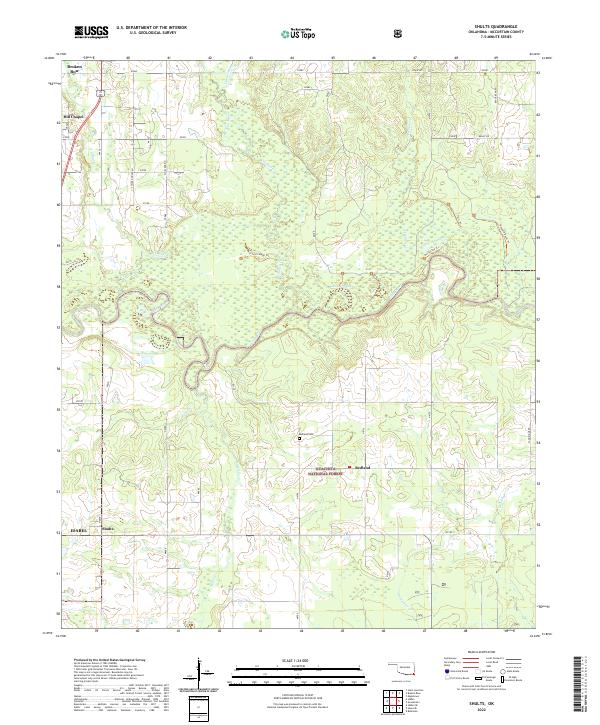 2022 Shults2022 Print · USGSMcCurtain County's river-bottom lands and timbered hills are shown in detail here just south of the Ouachita National Forest. Researchers can locate family landmarks such as Redland Cem and the Hill Chapel settlement, or trace the winding course of the Little River and Yanubbee Cr.
 - 2022 Map of Steel Junction, 2022 Print
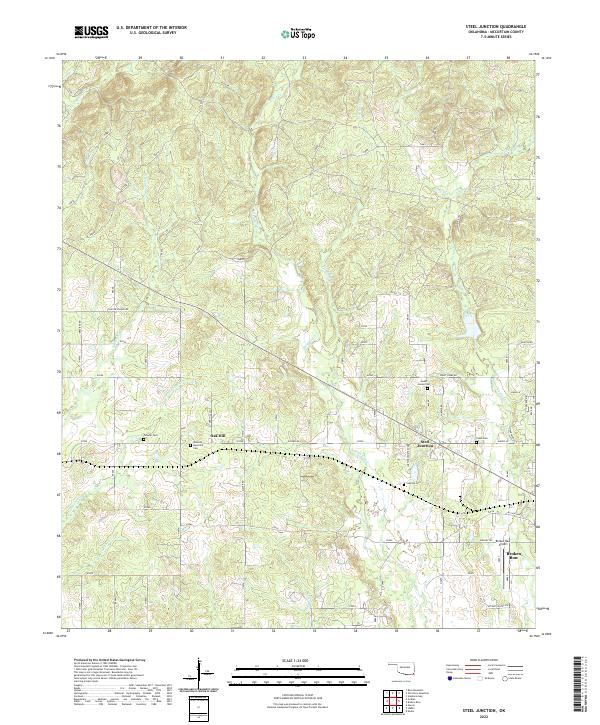 2022 Steel Junction2022 Print · USGSThe northern edge of Broken Bow and the rural community of Steel Junction are captured here in the early twenty-first century. Genealogists can trace several burial sites including Lukfata Cem and Yasho Cem near the banks of Lukfata Creek.
 - 2022 Map of Idabel, 2022 Print
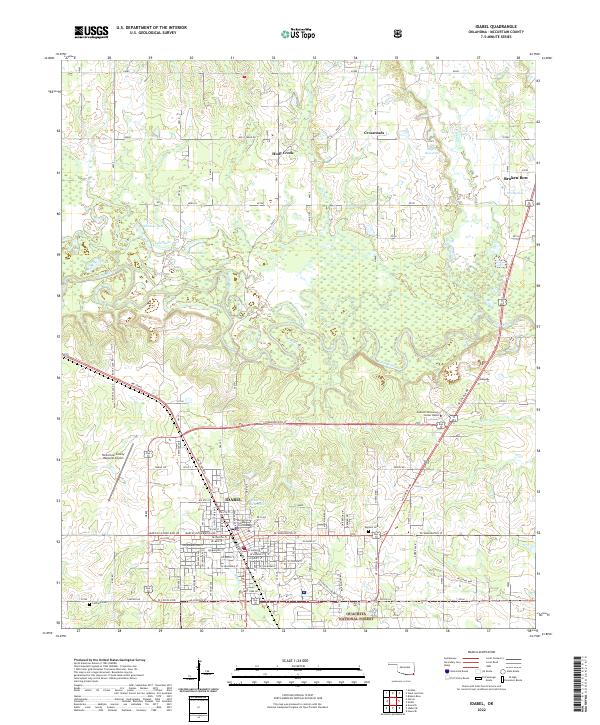 2022 Idabel2022 Print · USGSSoutheast Oklahoma comes into focus in the early 2020s, showcasing the intersection of civic development and natural preserves. Genealogists and local historians can trace landmarks from the McCurtain County Courthouse to the rural Denison Cem and Canfield Cem.
 - 2022 Map of Broken Bow, 2022 Print
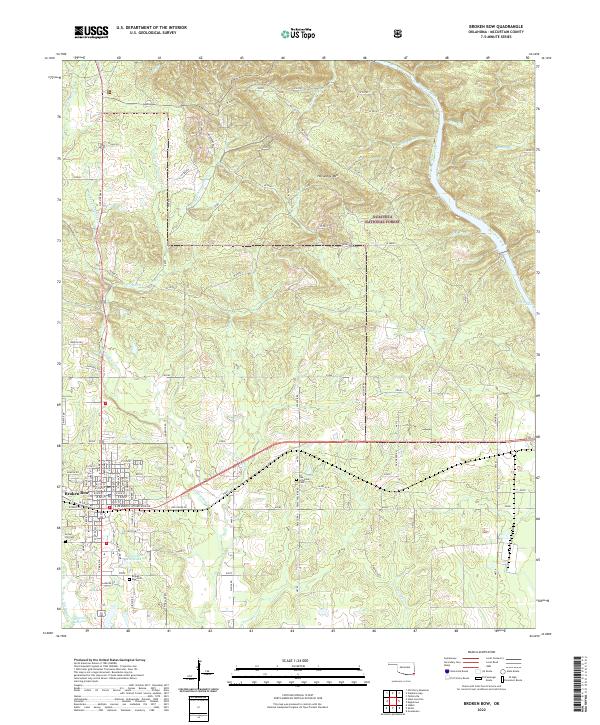 2022 Broken Bow2022 Print · USGSBroken Bow and the surrounding McCurtain County timberlands appear in high detail during the early 2020s. Genealogists and local historians can trace family locations near Crown Hill Cem, Oka Achukma Cem, and landmarks like Presbyterian Falls.
 - 2022 Map of Stephens Gap, 2022 Print
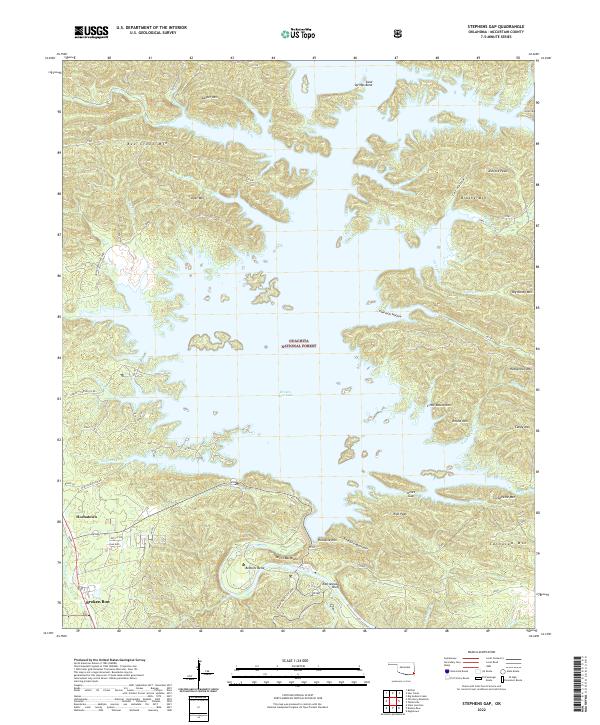 2022 Stephens Gap2022 Print · USGSMcCurtain County’s forested highlands and the sprawling waters of the Mountain Fork are captured here in the early twenty-first century. Genealogists and local historians can trace the topography of Hochatown, the winding path of Old Hochatown Rd, and the rugged ridges of Bee Creek Mtn.
End of results
Showing maps 1-25 of 25
Top cities near Broken Bow
Frequently asked questions
- What are the different types of historical maps available for Broken Bow?
- What is the oldest map of Broken Bow?
- Where can I purchase historical maps of Broken Bow for my home or office?
- Where can I download high-res historical maps of Broken Bow?
- Are there historical topographic maps available for Broken Bow?
- Is there historical aerial imagery available for Broken Bow?
- Where are historical maps of Broken Bow sourced from?