Old Maps of Warner, Oklahoma for Hiking & Exploration
Hike through history with 26 historic maps of Warner. Explore old trails, ghost towns, and forgotten backroads — perfect for outdoor adventurers and local explorers.
- Rediscover forgotten places: Map out old mining camps, roads, and footpaths that no longer exist on modern maps.
- Layer with modern tools: Combine with LiDAR or satellite views to plan hikes through historical terrain.
- Made for exploration: Popular among hikers, overlanders, and local history lovers.
Use these maps to find adventure and explore the hidden past of Warner.
Warner, OK maps
(26)- 1900 Map of Sansbois
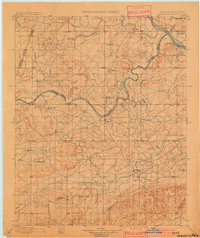 1900 Sansbois1900 Print · USGSIndian Territory in the late nineteenth century is documented here through its tribal boundaries and early river settlements. Genealogists can trace family roots near Stigler, Porum, and Whitefield, or locate the isolated station at Sandtown along the St L & S F R R.2 unique versions available
 - 1901 Map of Muscogee
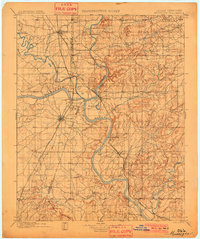 1901 Muscogee1901 Print · USGSIndian Territory at the turn of the century shows a landscape shaped by river commerce and the coming of the railroads. Genealogists can trace family roots through early settlements like Tullahassee and Webbers Falls, or locate historic river crossings such as Whisky Ford.6 unique versions available
 - 1905 Map of Muscogee
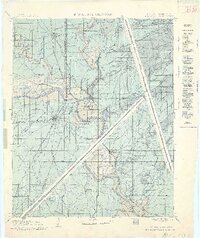 1905 Muscogee1905 Print · USGSIndian Territory at the turn of the century shows a landscape transitioning from tribal nations to a rail-centered economy. Researchers can trace ancestral river crossings and early settlements like Fort Gibson, Tenkillers Ferry, and Gibson Sta.
 - 1909 Map of Sans Bois, 1954 Print
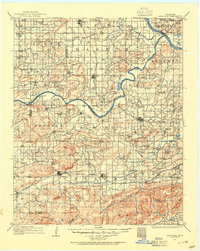 1909 Sans Bois1954 Print · USGSHaskell and Muskogee counties are seen here in the decade following statehood, when rail lines and river crossings dictated the pulse of rural life. Genealogists can trace family roots through numerous local landmarks like Kanima P O, Belle Starr School, and the Sansbois Sta.
 - 1911 Map of Sansbois
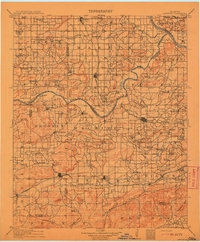 1911 Sansbois1911 Print · USGSEastern Oklahoma's river valleys and rugged hills come alive in this early twentieth-century survey of the Choctaw Nation's western reaches. Researchers can locate rural landmarks like Sansbois Station, the Belle Starr School, and early river crossings such as the Thornton Ferry.3 unique versions available
 - 1946 Map of Fort Smith
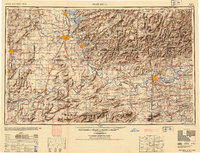 1946 Fort Smith1946 Print · USGSThe Arkansas-Oklahoma borderlands appear here in the mid-forties, as new reservoirs began to transform the river valleys. Genealogists and historians can trace rail-served towns from Muskogee to Fort Smith and locate landmarks like Camp Chaffee.
 - 1948 Map of Keefeton, 1963 Print
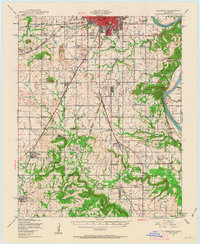 1948 Keefeton1963 Print · USGSMuskogee County in the late 1940s is a hub of overlapping rail lines and small rural communities just before the major shifts of the postwar era. Researchers can trace the heritage of local settlements like Rentiesville and Summit or locate family burial sites at Brushy Mtn Cem and McLain Cem.2 unique versions available
 - 1950 Map of Keefeton
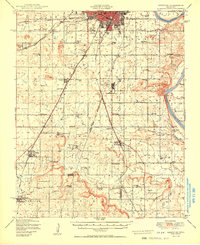 1950 Keefeton1950 Print · USGSMuskogee County in the late nineteen-forties shows a landscape of busy rail corridors and established rural townships just after the war. Researchers can trace historic homesteads and community hubs through landmarks like Rentiesville, the Plainview Cem, and Hatbox Field.2 unique versions available
 - 1963 Map of Warner, 1964 Print
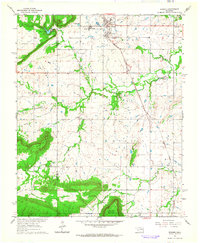 1963 Warner1964 Print · USGSWarner and the nearby agricultural college are captured in the early sixties as the regional hub for this part of Muskogee County. Genealogists can trace family landmarks and burial sites like Popejoy Chapel, Woodall Cem, and the Conley Sch.3 unique versions available
 - 1965 Map of Fort Smith
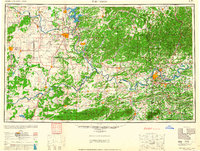 1965 Fort Smith1965 Print · USGSEastern Oklahoma and Western Arkansas are captured here during a period of massive post-war change as new reservoirs reshaped the river valleys. Genealogists and historians can trace the rail networks of the Midland Valley RR and find established communities like Stilwell, Sallisaw, and Stigler.
 - 1967 Map of Fort Smith
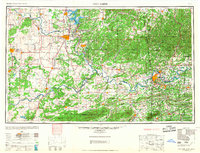 1967 Fort Smith1967 Print · USGSThe Arkansas River valley and the foothills of the Ozarks are captured here during a period of significant military and industrial activity. Researchers can trace the sprawling bounds of Camp Chaffee and Camp Gruber or locate vanished rail stops along the Midland Valley RR.
 - 1972 Map of Keefeton SE, 1974 Print
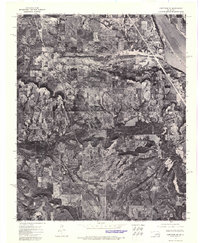 1972 Keefeton SE1974 Print · USGSMuskogee County in the early seventies is documented through detailed aerial photography showing the rural landscape around Keefeton. Researchers can trace the early shoreline of Webbers Falls Reservoir and the terrain of the Rattlesnake Mountains.
 - 1974 Map of Keefton, 1978 Print
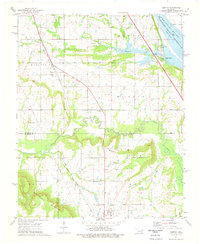 1974 Keefton1978 Print · USGSThe Muskogee County countryside in the 1970s shows a landscape of established rail corridors and family cemeteries near the Arkansas River. Researchers can trace the roots of small communities like Keefton and McLain or locate Agnew Cem and Elm Grove Ch.
 - 1978 Map of Eufaula, 1979 Print
 1978 Eufaula1979 Print · USGSEastern Oklahoma in the late seventies is defined by the sprawling waters of Eufaula Lake and the dense timber of the Sans Bois Mountains. Genealogists and historians can trace the development of towns like Checotah and Stigler or locate legacy sites like the Old R R Grade and Robbers Cave State Park.
 - 1978 Map of Muskogee, 1979 Print
 1978 Muskogee1979 Print · USGSThe confluence of the Arkansas, Verdigris, and Neosho Rivers defines the Muskogee region in the late seventies. Genealogists and historians can trace the footprints of Camp Gruber (Abandoned), the campus of Bacone College, and early aviation at Hatbox Field.
 - 1978 Map of Fort Smith, 1979 Print
 1978 Fort Smith1979 Print · USGSThe Arkansas-Oklahoma borderlands in the late seventies show a landscape shaped by massive river reservoirs and sprawling military reservations. Trace the historic rail lines of the Missouri Pacific RR and locate regional landmarks like Fort Gibson, Tenkiller Ferry Lake, and Barling.2 unique versions available
 - 2010 Map of Warner, 2010 Print
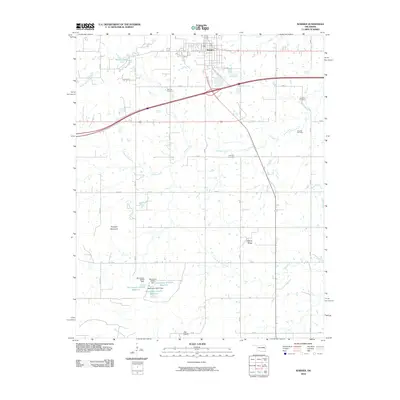 2010 Warner2010 Print · USGSWarner and the surrounding Oklahoma prairie are documented here during a period of steady rural development. Researchers can locate family landmarks such as Bennett Cemetery and Foreman Cemetery or trace the geography of Dunigan Mountain.
 - 2010 Map of Keefton, 2010 Print
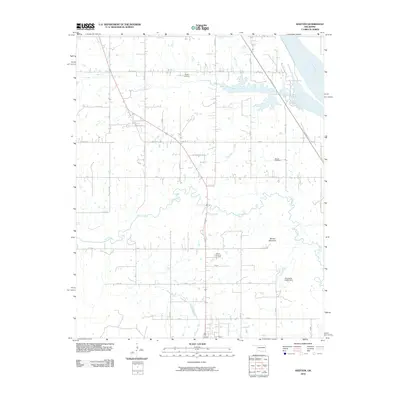 2010 Keefton2010 Print · USGSWarner and the surrounding Muskogee County countryside appear in great detail during the early twenty-first century. Researchers can locate family roots at Warner Memorial Cemetery or trace the drainage of Dirty Creek past Warner Mountain.
 - 2012 Map of Warner, 2012 Print
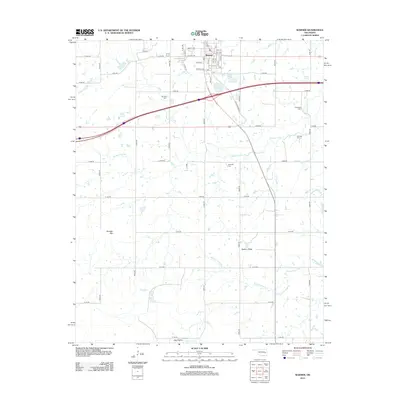 2012 Warner2012 Print · USGSThe town of Warner is documented here as a modern educational and residential hub during the early twenty-first century. Researchers can trace local heritage through numerous family burial grounds like Howland Cem and landmarks such as Dunigan Mtn.
 - 2012 Map of Keefton, 2012 Print
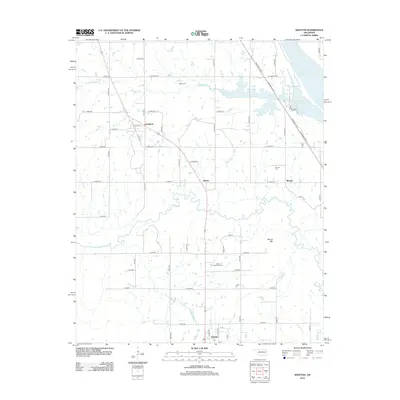 2012 Keefton2012 Print · USGSWarner and the surrounding Oklahoma prairie appear in high detail during the early twenty-first century. Genealogists and local historians can trace family locations near Keefton, McLain, and Warner Memorial Cem or follow the waters of Dirty Cr.
 - 2016 Map of Warner, 2016 Print
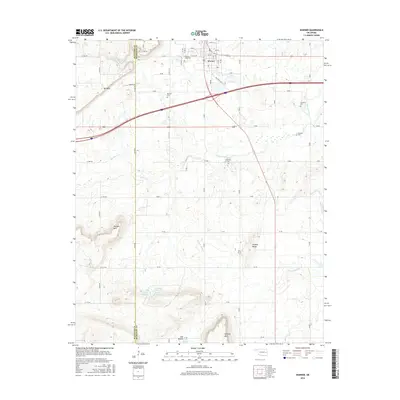 2016 Warner2016 Print · USGSOklahoma's Green Country comes into focus here during the mid-2010s, showing the intersection of academic life and rural landscape. Local historians can trace family ties at Bennett Cem and Howland Cem or explore the hills around Dunigan Mtn and Gap Prairie.
 - 2016 Map of Keefton, 2016 Print
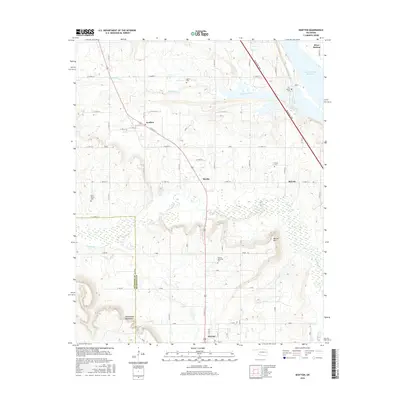 2016 Keefton2016 Print · USGSMuskogee County's rural transitions are documented here during the mid-2010s, from the banks of the reservoir to the high ground of the Rattlesnake Mountains. Researchers can locate family landmarks like Warner Memorial Cem, Elm Grove Cem, and the small settlement of Martin.
 - 2018 Map of Warner, 2018 Print
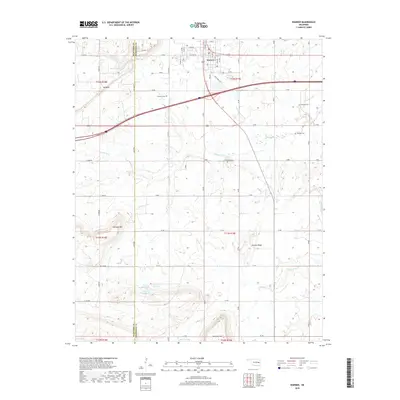 2018 Warner2018 Print · USGSWarner and the Muskogee County countryside are documented here in the late 2010s, showcasing the town's grid and surrounding hill country. Researchers can locate several burial grounds like Howland Cem and Bennett Cem or trace the geography of Dunigan Mtn and Gap Prairie.
 - 2018 Map of Keefton, 2018 Print
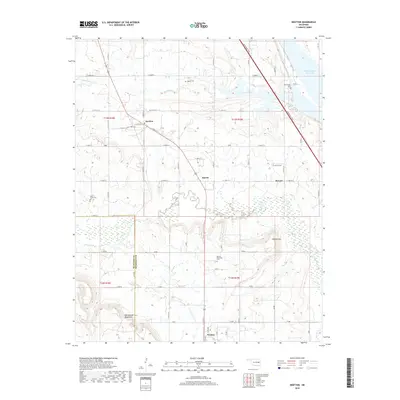 2018 Keefton2018 Print · USGSIn this modern survey of Muskogee County, the rural landscape near Warner remains defined by the timbered rises of Warner Mtn. Genealogists and historians can trace the locations of several small settlements and burial grounds, including Keefton, Martin, and Rock Grove Cem.
 - 2022 Map of Keefton, 2022 Print
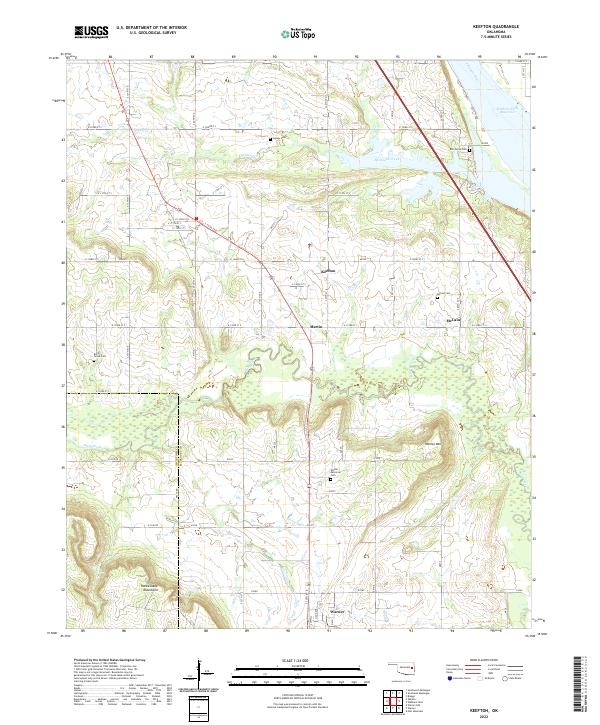 2022 Keefton2022 Print · USGSMuskogee County settlements and the southern banks of the Arkansas River are captured in this recent survey. Local historians can trace family sites at Agnew Cem and McLain Cem or locate rural landmarks near Keefton and Warner Mtn.
Showing maps 1-25 of 26
Top cities near Warner
- Muskogee historical maps
- Checotah historical maps
- Stigler historical maps
- Gore historical maps
- Porum historical maps
- Webbers Falls historical maps
See more
Frequently asked questions
- What are the different types of historical maps available for Warner?
- What is the oldest map of Warner?
- Where can I purchase historical maps of Warner for my home or office?
- Where can I download high-res historical maps of Warner?
- Are there historical topographic maps available for Warner?
- Is there historical aerial imagery available for Warner?
- Where are historical maps of Warner sourced from?