Old Maps of Forest Park, Oklahoma
Explore 30 old maps of Forest Park, spanning from 1892 to today. These high-resolution historic maps reveal how streets, neighborhoods, landmarks, and natural features evolved over time — perfect for genealogy, metal detecting, research, and local history exploration.
What you can do with these maps:
- See how Forest Park changed over time: Compare historical maps to modern-day views to trace roads, homesites, rail lines & more.
- View detailed metadata: Each map includes creators, publishers, year, scale, and archive source.
- Overlay maps with satellite & LiDAR: Visualize the past alongside modern tools to explore terrain & human change.
- Trusted historical sources: Maps sourced from the USGS, Library of Congress, and other archives.
- Access maps your way: View online, download high-res files, or order prints for personal or research use.
Start exploring old maps of Forest Park to uncover forgotten places, hidden landmarks, and the deep history beneath your feet.
Forest Park, OK maps
(30)- 1892 Map of Moore
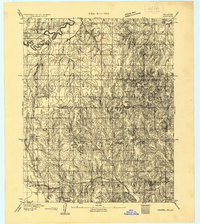 1892 Moore1892 Print · USGSOklahoma Territory was still in its infancy when this survey was conducted, showing the vital rail line connecting early settlements. Genealogists and historians can trace the foundations of Moore and find long-forgotten locations like Chaddick and Berry along the Atchison Topeka and Santa Fe Rail Road.
 - 1892 Map of Edmond
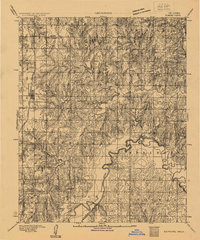 1892 Edmond1892 Print · USGSOklahoma Territory was still in its first years of settlement when this survey was conducted, showing the vital rail corridor through Edmond. Researchers can trace early township boundaries and the paths of the Atchison Topeka and Santa Fe Railroad near Waterloo and Enfield.
 - 1898 Map of Purcell
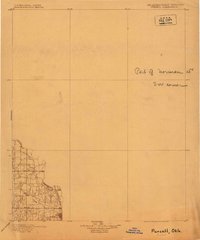 1898 Purcell1898 Print · USGSOklahoma and Indian Territory are captured at the end of the century during a period of rapid regional expansion. Genealogists and historians can trace the early rail alignment of the G C and S F R R as it passes through Purcell near Walnut Creek.
 - 1934 Map of Crutcho Creek
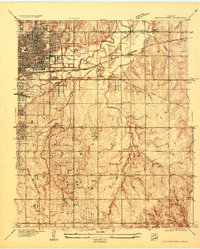 1934 Crutcho Creek1934 Print · USGSOklahoma City and its eastern fringes are captured in the mid-1930s as industrial sites and schools began to dot the landscape. Genealogists can locate family names and sites like Sunny Lane Cemetery, Foster High Sch, and the Oklahoma County Farm.
 - 1934 Map of Moore, 1959 Print
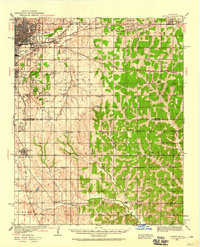 1934 Moore1959 Print · USGSOklahoma City and its surrounding rural townships are shown in the mid-thirties just as the region’s oil and rail economy was maturing. Genealogists can locate family landmarks like Sunnylane Cemetery or rural community hubs such as Nicoma Park and Hollywood Corners.
 - 1935 Map of Spencer
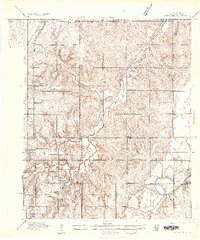 1935 Spencer1935 Print · USGSOklahoma County in the mid-1930s shows a landscape of small rural settlements and schoolhouse districts before the post-war expansion. Researchers can trace family sites near Spencer or locate early landmarks like Harrison Sch (Colored) and the Oklahoma Electric Highway.
 - 1935 Map of Edmond
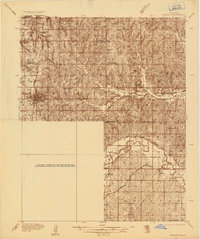 1935 Edmond1935 Print · USGSEdmond and its surrounding townships are captured in the mid-1930s as a vital transportation hub for central Oklahoma. Genealogists and historians can trace the early path of U S Highway No 66 and locate numerous rural landmarks like Wagner Cem and Mount Zion Sch.2 unique versions available
 - 1938 Map of Moore
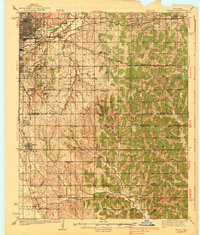 1938 Moore1938 Print · USGSOklahoma City and its southern neighbors were at a rail and oil crossroads in the 1930s. Genealogists can trace early rural life through a dense network of country schools like Foster High Sch and family-named sites such as Burk Burnett Cem.2 unique versions available
 - 1940 Map of Edmond
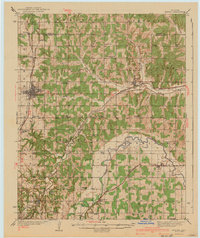 1940 Edmond1940 Print · USGSOklahoma and Logan Counties are captured here in the years leading up to the war, showing a rural landscape anchored by rail towns. Researchers can trace family history through a dense network of country schools and cemeteries like Sunnyside Sch and Rose Hill Cem.2 unique versions available
 - 1954 Map of Oklahoma City
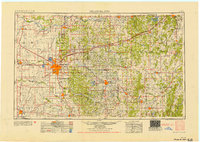 1954 Oklahoma City1954 Print · USGSOklahoma City and its surrounding counties are captured here in the early fifties during a period of significant postwar growth. Researchers can trace the development of the Turner Turnpike and locate aviation hubs like Tinker Field or Will Rogers Field.
 - 1956 Map of Midwest City, 1957 Print
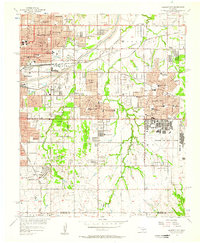 1956 Midwest City1957 Print · USGSOklahoma City and its eastern suburbs were rapidly transforming in the mid-fifties as military and industrial growth reshaped the county line. Researchers can trace the development of Tinker Air Force Base and dozens of local schools like Monroney Jr High Sch and Edison Sch.3 unique versions available
 - 1956 Map of Spencer, 1957 Print
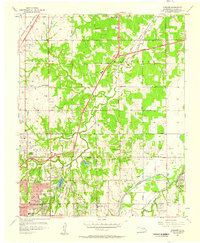 1956 Spencer1957 Print · USGSNortheast Oklahoma City was a landscape of burgeoning suburbs and active oil fields during the mid-fifties. Genealogists and historians can locate numerous burial grounds like Arlington Memorial Park Cemetery and schools such as Oakdale Sch or Harrison Sch.3 unique versions available
 - 1957 Map of Oklahoma City, 1969 Print
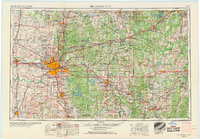 1957 Oklahoma City1969 Print · USGSCentral Oklahoma is captured here in a period of significant mid-century growth and industrialization. Researchers can trace family roots through numerous rural markers like Memory Lane Cem, New Hope School, and the sprawling grounds of Tinker Air Force Base.3 unique versions available
 - 1963 Map of Oklahoma City
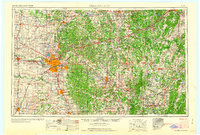 1963 Oklahoma City1963 Print · USGSCentral Oklahoma in the early sixties showcases a landscape of rapid suburban growth and established oil production. Researchers can trace historic rail lines like the Chicago Rock Island and Pacific RR or locate rural landmarks such as Mayflower School and Bethel Church.
 - 1985 Map of Oklahoma City South
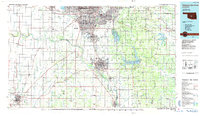 1985 Oklahoma City South1985 Print · USGSOklahoma City and its southern neighbors show a period of significant growth during the mid-eighties as suburban expansion met rural county lines. Researchers can trace the development of Tinker Air Force Base and locate smaller communities like Goldsby, Stella, and Woody Chapel.2 unique versions available
 - 1986 Map of Spencer
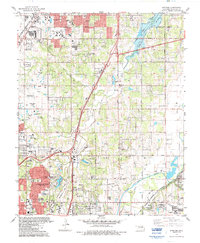 1986 Spencer1986 Print · USGSOklahoma City and Edmond undergo significant expansion during the mid-eighties as new reservoirs and highways reshape the suburban landscape. Genealogists and historians can trace numerous sites like Memorial Park Cemetery, Lake Aluma, and the Cowboy Hall of Fame.
 - 1986 Map of Midwest City, 1987 Print
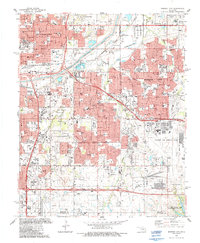 1986 Midwest City1987 Print · USGSMid-century suburban growth and military aviation define the Oklahoma City corridor during the mid-eighties. Researchers can trace the development of Tinker Air Force Base and locate neighborhood landmarks like Sunnyland Cemetery and Douglass High School.
 - 1990 Map of Oklahoma City North
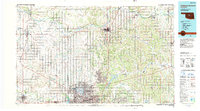 1990 Oklahoma City North1990 Print · USGSOklahoma City and its northern reaches are captured in the 1990s as suburban growth stretched toward the Cimarron River. Genealogists and historians can trace rail-town legacies along the Atchison Topeka and Santa Fe Railroad and find landmarks like the El Reno Federal Reformatory.
 - 1995 Map of Spencer, 1999 Print
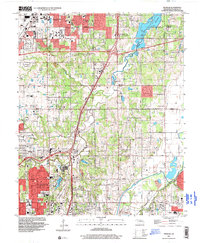 1995 Spencer1999 Print · USGSThe northeast suburbs of Oklahoma City appear in the mid-nineties as a mix of growing residential districts and established institutions. Genealogists and local historians can trace family locations near Hebrew Cem, Piper Cem, and the historic Lone Star Ch.
 - 1995 Map of Midwest City, 2000 Print
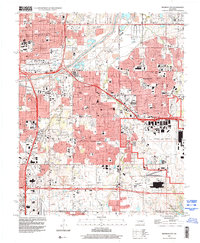 1995 Midwest City2000 Print · USGSMid-century urban expansion and military infrastructure define this Oklahoma County landscape in the mid-nineties. Researchers can locate family landmarks like Sunnylane Cemetery, the sprawling Tinker Air Force Base, and schools like Douglass High Sch.
 - 2010 Map of Spencer, 2010 Print
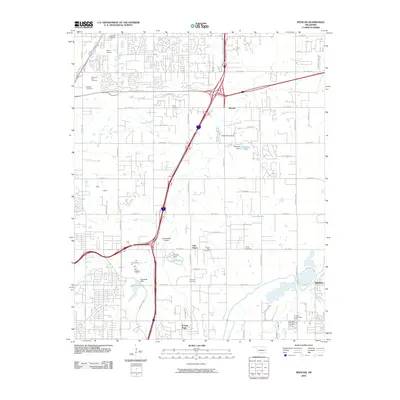 2010 Spencer2010 Print · USGSOklahoma City's northeastern expansion is frozen in time during the first decade of the millennium as major turnpike construction reshapes the landscape. Researchers can locate numerous local burial sites including Piper Cemetery and Trice Hill Cemetery alongside Lake Aluma.
 - 2010 Map of Midwest City, 2010 Print
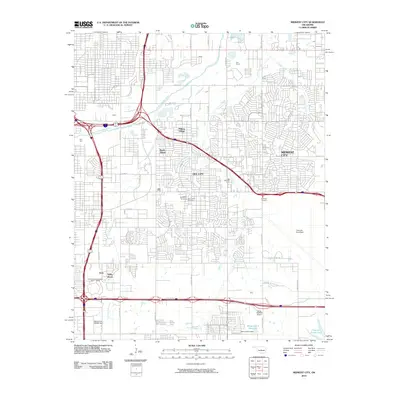 2010 Midwest City2010 Print · USGSOklahoma City’s eastern suburbs and heavy industry are shown here during a period of significant regional growth. Researchers can trace family roots at Sunny Lane Cemetery or explore the massive reach of Tinker Air Force Base and Del City.
 - 2012 Map of Spencer, 2012 Print
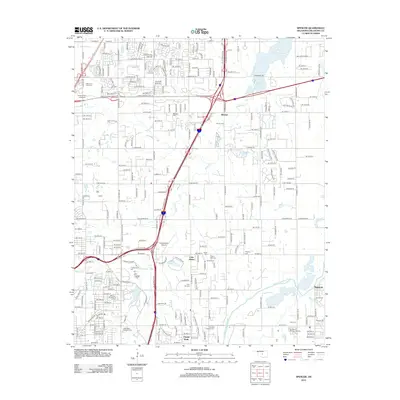 2012 Spencer2012 Print · USGSOklahoma County's eastern suburban landscape is captured here in the early 2000s, where legacy settlements meet modern infrastructure. Researchers can trace family history at Arlington Memory Gardens or explore the growth of Spencer, Lake Aluma, and Forest Park.
 - 2012 Map of Midwest City, 2012 Print
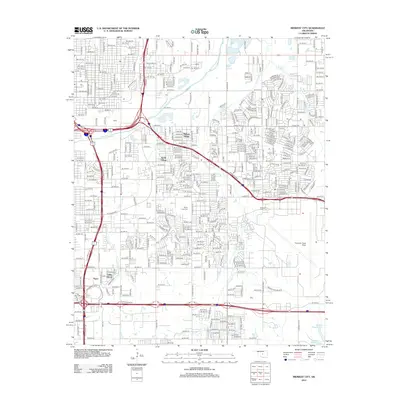 2012 Midwest City2012 Print · USGSOklahoma City’s eastern suburbs and military corridors are shown here during a period of significant metropolitan density. Researchers can pinpoint long-standing community markers like Sunny Lane Cem, the campus of Rose State Coll, and the residential layouts of Midway Village.
 - 2016 Map of Midwest City, 2016 Print
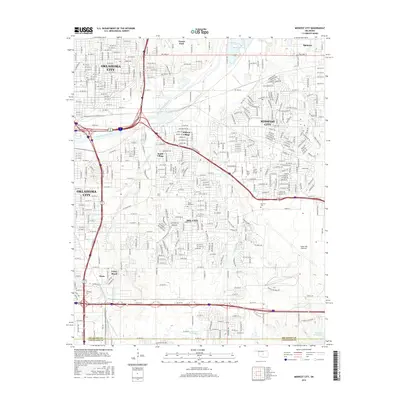 2016 Midwest City2016 Print · USGSMidwest City and Del City are seen here during the mid-2010s as they expand around the critical Tinker Air Force Base complex. Researchers can trace the layout of small enclaves like Smith Village and Valley Brook, or locate family sites at Sunny Lane Cem and Rose State College.
Showing maps 1-25 of 30
Top cities near Forest Park
- Oklahoma City historical maps
- Norman historical maps
- Edmond historical maps
- Midwest City historical maps
- Moore historical maps
- Del City historical maps
See more
Top neighborhoods of Forest Park
Frequently asked questions
- What are the different types of historical maps available for Forest Park?
- What is the oldest map of Forest Park?
- Where can I purchase historical maps of Forest Park for my home or office?
- Where can I download high-res historical maps of Forest Park?
- Are there historical topographic maps available for Forest Park?
- Is there historical aerial imagery available for Forest Park?
- Where are historical maps of Forest Park sourced from?