Old Maps of Skiatook, Oklahoma for Metal Detecting
Plan your next treasure hunt with 61 historic maps of Skiatook. Find old homesites, ghost towns, trails, and gathering spots that may be lost to time — perfect for identifying promising metal detecting locations.
- Locate forgotten sites: Uncover places like long-lost settlements, abandoned rail lines, or gathering spots.
- Plan better hunts: Use map overlays combined with LiDAR or satellite views to narrow in on historically rich areas.
- Made for detectorists: Thousands of hobbyists use these maps to discover relics, coins, and hidden history.
Use these historic maps to boost your research and find new opportunities beneath the surface of Skiatook.
Skiatook, OK maps
(61)- 1901 Map of Claremore
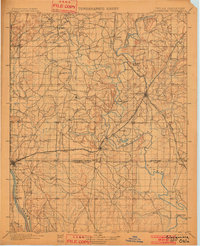 1901 Claremore1901 Print · USGSThe Cherokee, Osage, and Creek Nations converge in the Indian Territory during this era of rapid railroad expansion. Researchers can trace early settlements and tribal boundaries, locating the Island Ferry, the junction at Claremore, and early Tulsa.4 unique versions available
 - 1912 Map of Hominy, 1960 Print
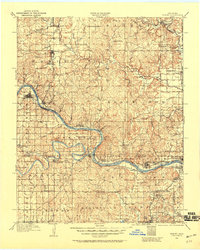 1912 Hominy1960 Print · USGSNortheastern Oklahoma comes alive in this pre-reservoir survey, documenting the river-valley settlements and tribal lands of the early statehood era. Genealogists can locate dozens of country schools and sites like Black Dog (Indian Village) or the early Oil City Barnsdall P O.
 - 1914 Map of Claremore, 1959 Print
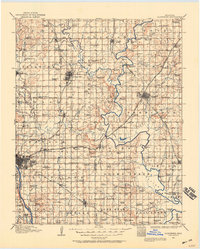 1914 Claremore1959 Print · USGSNortheastern Oklahoma was a landscape of river crossings and rail towns in the years just before the Great War. Genealogists and researchers can trace the locations of dozens of vanished rural schools like Elm Ridge School, river landmarks such as Thomas Ferry, and the early footprints of Broken Arrow and Tulsa.
 - 1915 Map of Hominy
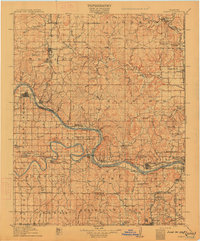 1915 Hominy1915 Print · USGSOsage and Creek counties come to life in the years before the Great War, showing a landscape defined by river confluences and the expansion of the rail industry. Genealogists can locate early settlements like Black Dog and schools like Dripping Spring School or Sunset School.2 unique versions available
 - 1915 Map of Hominy, 1928 Print
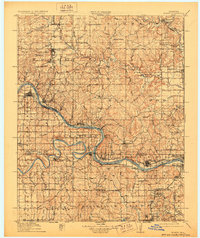 1915 Hominy1928 Print · USGSNortheast Oklahoma during the early oil and rail boom is captured here as the Osage and Creek county lines meet the great river bends. Genealogists can trace early homesteads near Black Dog, Oil City, and Union Chapel.2 unique versions available
 - 1916 Map of Claremore
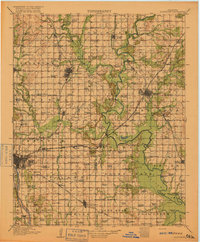 1916 Claremore1916 Print · USGSThe Verdigris River valley and the burgeoning rail hubs of Rogers and Tulsa counties are captured here just after Oklahoma statehood. Genealogists can locate family homesteads near dozens of early schools like Fair Valley School or early churches such as Greenwood Chapel.4 unique versions available
 - 1954 Map of Tulsa
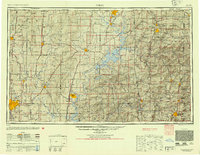 1954 Tulsa1954 Print · USGSNortheast Oklahoma and the Ozark border are shown here during a period of massive industrial and infrastructure growth. Researchers can trace the legacy of the Tri-State Mining District and the development of major reservoirs like Grand Lake O' The Cherokees.2 unique versions available
 - 1955 Map of Sperry, 1956 Print
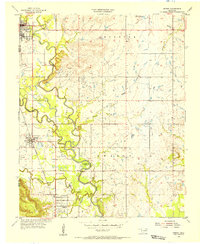 1955 Sperry1956 Print · USGSNortheastern Oklahoma at the height of the mid-century oil boom reveals a landscape of industrial energy and deep-rooted river settlements. Researchers can trace family history at Skybuck Cem or Chisholm Cem and follow the old Midland Valley rail line through Sperry.4 unique versions available
 - 1955 Map of Enid, 1966 Print
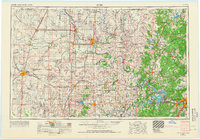 1955 Enid1966 Print · USGSNorth-central Oklahoma's transition from open plains to the blackjack hills of the Osage Indian Reservation is captured in the mid-1950s. Researchers can trace the development of the Naval Reserve Oil Field, the grounds of Vance AFB, and the early footprints of Tulsa and Stillwater.4 unique versions available
 - 1958 Map of Enid
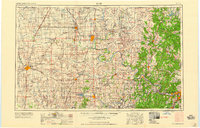 1958 Enid1958 Print · USGSNorthern Oklahoma is mapped here in the late fifties, showcasing a dense network of petroleum production and historic tribal lands. Researchers can trace the legacy of the Osage Indian Reservation, early energy hubs like the Cushing Oil Field, and the Chilocco Indian Agricultural School.2 unique versions available
 - 1958 Map of Tulsa, 1968 Print
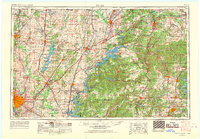 1958 Tulsa1968 Print · USGSNortheast Oklahoma and the Ozark borderlands are captured here during a massive era of reservoir construction and highway expansion. Researchers can trace the mid-century footprints of Tulsa, the sprawling Lake O' the Cherokees, and historical sites like Pea Ridge National Military Park.3 unique versions available
 - 1959 Map of Vera, 1961 Print
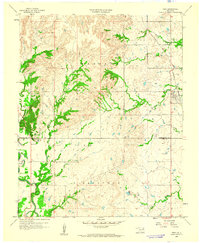 1959 Vera1961 Print · USGSThe northern Oklahoma landscape at the end of the fifties reveals a rural frontier defined by the rail line through Vera. Genealogists and historians can trace family-named landmarks like Hillside Ch and early petroleum sites including numerous Oil Wells near Bird Creek.2 unique versions available
 - 1963 Map of Tulsa
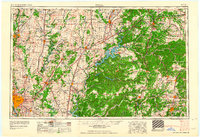 1963 Tulsa1963 Print · USGSThe Oklahoma and Arkansas borderlands are shown here in the early sixties, a time of massive reservoir construction and heavy mining. Genealogists can trace family roots through settlements like Nowata, Pryor, and Jay, or locate historical zinc and lead mines and coal mines.
 - 1963 Map of Avant SE, 1964 Print
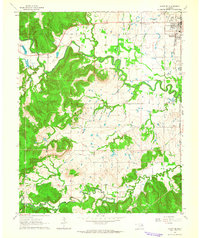 1963 Avant SE1964 Print · USGSOsage and Tulsa counties meet here in the early sixties, as the oil industry and railroads shaped the local landscape. Genealogists can trace family footprints at Captain Cem, Delaware Ch, and the outlying Osage Gardens development.4 unique versions available
 - 1966 Map of Avant NW, 1967 Print
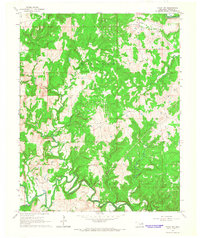 1966 Avant NW1967 Print · USGSOsage County in the mid-1960s was defined by its oil heritage and the winding creek valleys of the Oklahoma interior. Researchers can trace the dense network of Oil Wells across the West Avant Oil Field and the path of the Midland Valley rail line.2 unique versions available
 - 1966 Map of Avant SW, 1967 Print
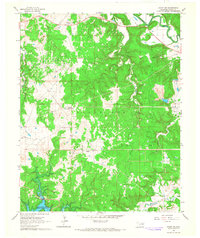 1966 Avant SW1967 Print · USGSOsage County's oil economy and changing shoreline are visible in this mid-sixties survey of the Oklahoma hill country. Researchers can trace the extent of the Wildhorse Oil Field or locate rural landmarks like Morgans Corner and Arrowhead Ranch.3 unique versions available
 - 1966 Map of Avant, 1967 Print
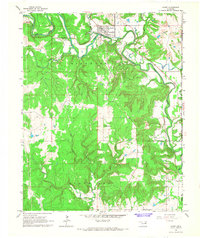 1966 Avant1967 Print · USGSOsage County is captured in the mid-1960s as a landscape of river-valley settlements and active industrial fields. Researchers can trace the Midland Valley rail route through Avant and locate family sites at Avant Cem or Lombard Cem.4 unique versions available
 - 1966 Map of Hominy NE, 1967 Print
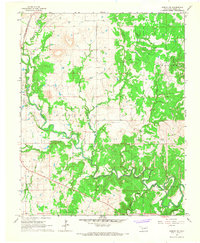 1966 Hominy NE1967 Print · USGSOsage County's petroleum landscape is captured here in the mid-1960s, showing a territory defined by oil production and winding waterways. Researchers can trace the Missouri - Kansas - Texas RR and locate sites like the Cem near the Sunset Oil Field.2 unique versions available
 - 1966 Map of New Prue, 1967 Print
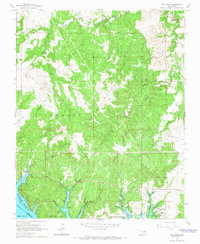 1966 New Prue1967 Print · USGSOsage County was undergoing a major geographic shift in the mid-sixties as the newly formed Keystone Reservoir altered the valley floor. Genealogists and historians can trace the early layout of New Prue and find industrial footprints in the Osage City Oil Field or near Wildhorse.3 unique versions available
 - 1985 Map of Tulsa
 1985 Tulsa1985 Print · USGSNortheastern Oklahoma in the mid-eighties shows a landscape shaped by massive reservoirs and a bustling transportation network. Researchers can trace the path of the Will Rogers Turnpike or locate local landmarks like Mohawk Park and Oologah Lake.2 unique versions available
 - 1990 Map of Keystone Lake
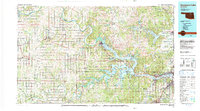 1990 Keystone Lake1990 Print · USGSNorth-central Oklahoma's landscape is captured here in the 1990s as the vast waters of Keystone Lake meet the Osage Indian Reservation. Researchers can trace old rail corridors like the St Louis-San Francisco Railway and find local landmarks such as Pawnee Bill State Park or the Oil Field at Oilton.
 - 2009 Map of Hominy NE, 2009 Print
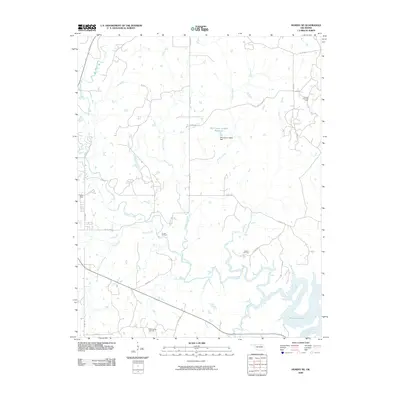 2009 Hominy NE2009 Print · USGSOsage County's energy landscape is on full display in this 2009 survey of the area northwest of Skiatook. Researchers can map the footprint of the local petroleum industry through the Canyon Creek Oil Field, Sunset Oil Field, and the East Hominy Oil Field.
 - 2010 Map of Vera, 2010 Print
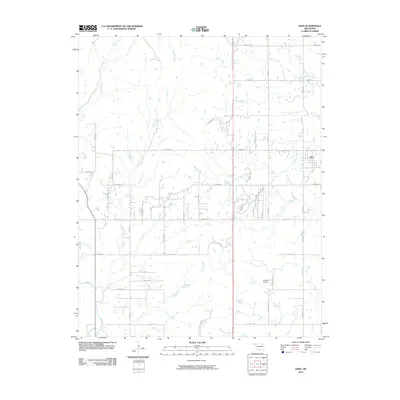 2010 Vera2010 Print · USGSThe rural landscape around the town of Vera is shown here in the early twenty-first century, characterized by its network of prairie creeks and ranch land. Researchers can locate the Bluestem Airport, trace the winding course of Bird Creek, and find landmarks like Dr To Star Lake Ranch.
 - 2010 Map of Sperry, 2010 Print
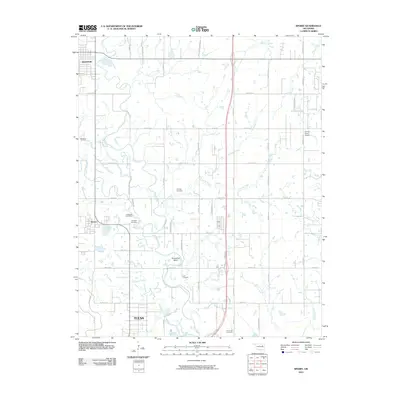 2010 Sperry2010 Print · USGSThe northern edge of Tulsa and the rural outskirts of Sperry and Skiatook are captured in the early 2000s. Genealogists can trace family history through several sites like Chisholm Cemetery and Lord Cemetery while following the winding path of Bird Creek.
 - 2010 Map of Avant, 2010 Print
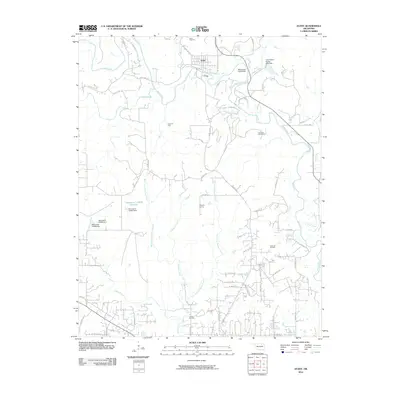 2010 Avant2010 Print · USGSAvant and the surrounding oil fields are documented here in the early twenty-first century as the region balanced industrial petroleum production with its rural roots. Researchers can locate family burial sites at Avant Cemetery and Lombard Cemetery or trace the drainage of Bird Creek and Quapaw Creek.
Showing maps 1-25 of 61
Top cities near Skiatook
- Tulsa historical maps
- Bartlesville historical maps
- Owasso historical maps
- Sand Springs historical maps
- Collinsville historical maps
- Barnsdall historical maps
See more
Frequently asked questions
- What are the different types of historical maps available for Skiatook?
- What is the oldest map of Skiatook?
- Where can I purchase historical maps of Skiatook for my home or office?
- Where can I download high-res historical maps of Skiatook?
- Are there historical topographic maps available for Skiatook?
- Is there historical aerial imagery available for Skiatook?
- Where are historical maps of Skiatook sourced from?