Old Maps of Tulsa, Oklahoma for Metal Detecting
Plan your next treasure hunt with 85 historic maps of Tulsa. Find old homesites, ghost towns, trails, and gathering spots that may be lost to time — perfect for identifying promising metal detecting locations.
- Locate forgotten sites: Uncover places like long-lost settlements, abandoned rail lines, or gathering spots.
- Plan better hunts: Use map overlays combined with LiDAR or satellite views to narrow in on historically rich areas.
- Made for detectorists: Thousands of hobbyists use these maps to discover relics, coins, and hidden history.
Use these historic maps to boost your research and find new opportunities beneath the surface of Tulsa.
Tulsa, OK maps
(85)- 1896 Map of Okmulgee, 1954 Print
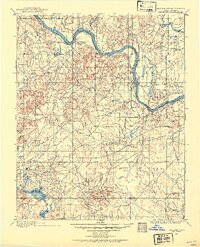 1896 Okmulgee1954 Print · USGSThe Creek Nation of the Indian Territory is captured here in the late nineteenth century, just before the turn of the century. Genealogists and researchers can trace early mission sites like Wealaka Mission and established frontier settlements including Council Hill and Wellington.
 - 1900 Map of Okmulgee
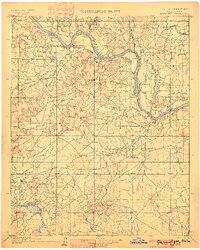 1900 Okmulgee1900 Print · USGSThe Indian Territory of the Creek Nation is captured here during the late 1890s, just before statehood changed the region forever. Researchers can trace the early foundations of Okmulgee or locate vanished sites like Wealaka Mission and Wellington (Lee P.O.).6 unique versions available
 - 1901 Map of Claremore
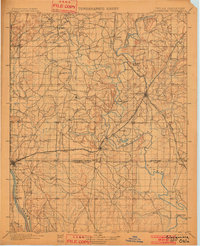 1901 Claremore1901 Print · USGSThe Cherokee, Osage, and Creek Nations converge in the Indian Territory during this era of rapid railroad expansion. Researchers can trace early settlements and tribal boundaries, locating the Island Ferry, the junction at Claremore, and early Tulsa.4 unique versions available
 - 1912 Map of Hominy, 1960 Print
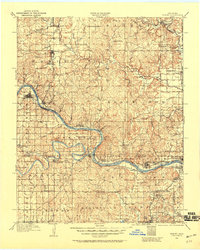 1912 Hominy1960 Print · USGSNortheastern Oklahoma comes alive in this pre-reservoir survey, documenting the river-valley settlements and tribal lands of the early statehood era. Genealogists can locate dozens of country schools and sites like Black Dog (Indian Village) or the early Oil City Barnsdall P O.
 - 1914 Map of Claremore, 1959 Print
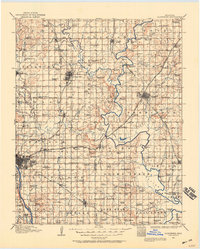 1914 Claremore1959 Print · USGSNortheastern Oklahoma was a landscape of river crossings and rail towns in the years just before the Great War. Genealogists and researchers can trace the locations of dozens of vanished rural schools like Elm Ridge School, river landmarks such as Thomas Ferry, and the early footprints of Broken Arrow and Tulsa.
 - 1915 Map of Hominy
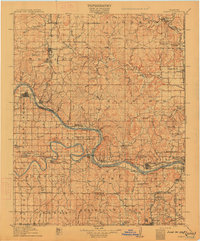 1915 Hominy1915 Print · USGSOsage and Creek counties come to life in the years before the Great War, showing a landscape defined by river confluences and the expansion of the rail industry. Genealogists can locate early settlements like Black Dog and schools like Dripping Spring School or Sunset School.2 unique versions available
 - 1916 Map of Claremore
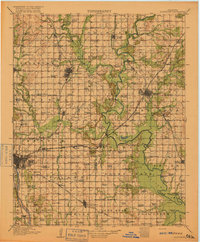 1916 Claremore1916 Print · USGSThe Verdigris River valley and the burgeoning rail hubs of Rogers and Tulsa counties are captured here just after Oklahoma statehood. Genealogists can locate family homesteads near dozens of early schools like Fair Valley School or early churches such as Greenwood Chapel.4 unique versions available
 - 1946 Map of Fort Smith
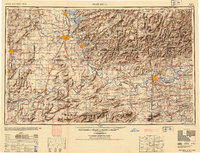 1946 Fort Smith1946 Print · USGSThe Arkansas-Oklahoma borderlands appear here in the mid-forties, as new reservoirs began to transform the river valleys. Genealogists and historians can trace rail-served towns from Muskogee to Fort Smith and locate landmarks like Camp Chaffee.
 - 1952 Map of Jenks, 1953 Print
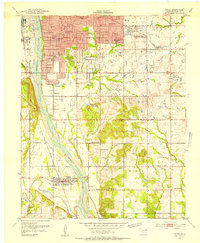 1952 Jenks1953 Print · USGSThe riverfront and southern hills of Tulsa appear in the early fifties, capturing a period of industrial strength and suburban expansion. Genealogists and historians can locate community landmarks like Rentie Grove Ch, Holland Hall Sch, and the Midland Valley rail line.8 unique versions available
 - 1954 Map of Tulsa
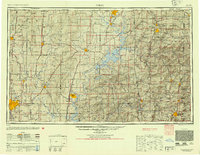 1954 Tulsa1954 Print · USGSNortheast Oklahoma and the Ozark border are shown here during a period of massive industrial and infrastructure growth. Researchers can trace the legacy of the Tri-State Mining District and the development of major reservoirs like Grand Lake O' The Cherokees.2 unique versions available
 - 1954 Map of Tulsa, 1955 Print
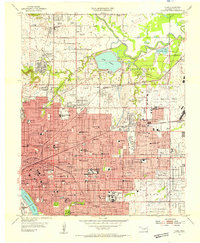 1954 Tulsa1955 Print · USGSTulsa was expanding rapidly in the mid-fifties, balancing its industrial identity with a growing network of residential neighborhoods and schools. Researchers can trace the mid-century city layout from University of Tulsa to Tulsa Municipal Airport, including numerous sites like Oaklawn Cemetery and Dawson.6 unique versions available
 - 1955 Map of Sperry, 1956 Print
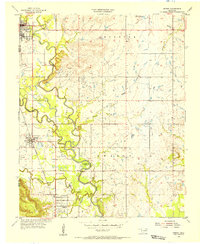 1955 Sperry1956 Print · USGSNortheastern Oklahoma at the height of the mid-century oil boom reveals a landscape of industrial energy and deep-rooted river settlements. Researchers can trace family history at Skybuck Cem or Chisholm Cem and follow the old Midland Valley rail line through Sperry.4 unique versions available
 - 1955 Map of Mingo, 1956 Print
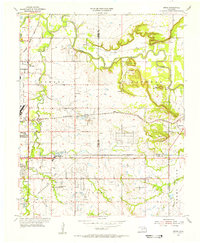 1955 Mingo1956 Print · USGSThe eastern edges of Tulsa and the surrounding Rogers County countryside are captured here in the mid-1950s. Researchers can locate vanished landmarks and rural community centers like Garnett, the Plainview Ch, and the original footprint of Tulsa Municipal Airport.5 unique versions available
 - 1955 Map of Broken Arrow, 1956 Print
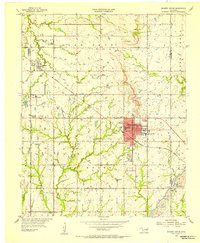 1955 Broken Arrow1956 Print · USGSThe Tulsa metropolitan fringe during the mid-fifties reveals a landscape of expanding suburbs and active oil production. Researchers can trace the early layout of Broken Arrow and find landmarks like Alsuma, the Lone Star Strip Mine, and St Anne Sch.5 unique versions available
 - 1955 Map of Enid, 1966 Print
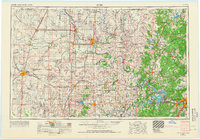 1955 Enid1966 Print · USGSNorth-central Oklahoma's transition from open plains to the blackjack hills of the Osage Indian Reservation is captured in the mid-1950s. Researchers can trace the development of the Naval Reserve Oil Field, the grounds of Vance AFB, and the early footprints of Tulsa and Stillwater.4 unique versions available
 - 1956 Map of Sand Springs, 1957 Print
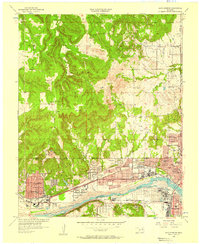 1956 Sand Springs1957 Print · USGSThe industrial corridor along the Arkansas River comes to life in this mid-century survey of the Tulsa and Sand Springs area. Researchers can trace the extensive Oil Field networks, the massive Oil Refinery, and dozens of local landmarks like Woodland Cemetery and the Tulsa North Airport.6 unique versions available
 - 1956 Map of Sapulpa North, 1957 Print
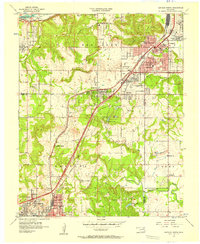 1956 Sapulpa North1957 Print · USGSSapulpa and southwest Tulsa are caught in a period of industrial and suburban expansion during the mid-fifties. Researchers can trace the path of the Tulsa Sapulpa Union railroad past legacy sites like Little Cussetah Ch, Bowden, and the Oil Refinery.4 unique versions available
 - 1957 Map of Bixby, 1958 Print
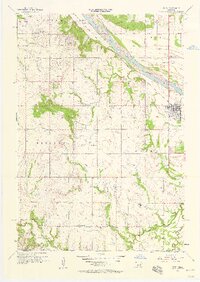 1957 Bixby1958 Print · USGSThe Arkansas River valley comes alive in the mid-1950s as petroleum development reshapes the landscape near the Tulsa and Okmulgee county line. Genealogists and local historians can trace family roots through sites like Shellenbarger Ch, Liberty Sch, and the Bixby Cem.6 unique versions available
 - 1958 Map of Enid
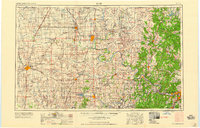 1958 Enid1958 Print · USGSNorthern Oklahoma is mapped here in the late fifties, showcasing a dense network of petroleum production and historic tribal lands. Researchers can trace the legacy of the Osage Indian Reservation, early energy hubs like the Cushing Oil Field, and the Chilocco Indian Agricultural School.2 unique versions available
 - 1958 Map of Tulsa, 1968 Print
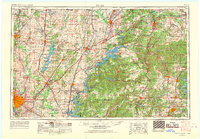 1958 Tulsa1968 Print · USGSNortheast Oklahoma and the Ozark borderlands are captured here during a massive era of reservoir construction and highway expansion. Researchers can trace the mid-century footprints of Tulsa, the sprawling Lake O' the Cherokees, and historical sites like Pea Ridge National Military Park.3 unique versions available
 - 1963 Map of Tulsa
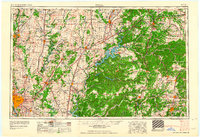 1963 Tulsa1963 Print · USGSThe Oklahoma and Arkansas borderlands are shown here in the early sixties, a time of massive reservoir construction and heavy mining. Genealogists can trace family roots through settlements like Nowata, Pryor, and Jay, or locate historical zinc and lead mines and coal mines.
 - 1963 Map of Oneta, 1964 Print
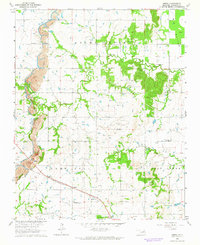 1963 Oneta1964 Print · USGSWagoner County during the early sixties shows a landscape of rail-fed settlements and active extraction. Researchers can locate family landmarks like Springtown Church and Bailey Cemetery alongside the Strip Mines and the Missouri-Kansas-Texas railroad.3 unique versions available
 - 1963 Map of Catoosa, 1964 Print
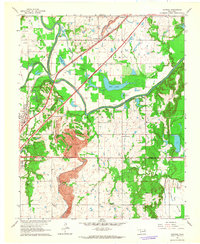 1963 Catoosa1964 Print · USGSThe Verdigris River valley in the early sixties shows a landscape of growing infrastructure and heavy industry. Genealogists and researchers can trace rural life through the Keeton Sch, Timber Ridge Cem, and the massive Strip Mine south of Catoosa.4 unique versions available
 - 1963 Map of Avant SE, 1964 Print
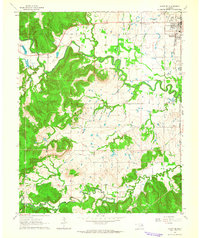 1963 Avant SE1964 Print · USGSOsage and Tulsa counties meet here in the early sixties, as the oil industry and railroads shaped the local landscape. Genealogists can trace family footprints at Captain Cem, Delaware Ch, and the outlying Osage Gardens development.4 unique versions available
 - 1965 Map of Fort Smith
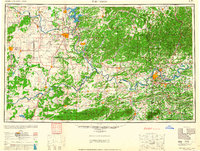 1965 Fort Smith1965 Print · USGSEastern Oklahoma and Western Arkansas are captured here during a period of massive post-war change as new reservoirs reshaped the river valleys. Genealogists and historians can trace the rail networks of the Midland Valley RR and find established communities like Stilwell, Sallisaw, and Stigler.
Showing maps 1-25 of 85
Top cities near Tulsa
- Broken Arrow historical maps
- Owasso historical maps
- Bixby historical maps
- Sapulpa historical maps
- Sand Springs historical maps
- Claremore historical maps
See more
Top neighborhoods of Tulsa
- Mingo historical maps
- Tulsa Fire Safety Training Center historical maps
- Fair Oaks historical maps
- Garnett historical maps
- Lefko Hill historical maps
- Samson Plaza historical maps
See more
Frequently asked questions
- What are the different types of historical maps available for Tulsa?
- What is the oldest map of Tulsa?
- Where can I purchase historical maps of Tulsa for my home or office?
- Where can I download high-res historical maps of Tulsa?
- Are there historical topographic maps available for Tulsa?
- Is there historical aerial imagery available for Tulsa?
- Where are historical maps of Tulsa sourced from?