Old Maps of Bartlesville, Oklahoma for Academic Research
Study the evolution of Bartlesville with 41 high-resolution historic maps. Whether you're teaching, researching, or modeling changes in land use, these maps provide essential visual documentation of urban, environmental, and geographic change.
- Analyze long-term change: Track patterns in development, transportation, and natural features.
- Ideal for environmental or urban studies: Support academic projects with primary historical map data.
- Use in the classroom or lab: Educators and researchers rely on these maps to bring historical context to life.
These maps are a powerful tool for teaching, research, and visualizing how Bartlesville has changed over the decades.
Bartlesville, OK maps
(41)- 1901 Map of Nowata
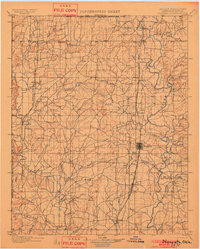 1901 Nowata1901 Print · USGSThe Cherokee Nation in Indian Territory is captured here at the start of the twentieth century, showing the lands that would soon become northeast Oklahoma. Researchers can trace early rail-town growth in Nowata and Bartlesville or locate smaller settlements like Alluwe and Coodys Bluff.2 unique versions available
 - 1909 Map of Pawhuska, 1957 Print
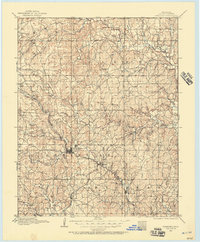 1909 Pawhuska1957 Print · USGSOsage County comes alive in this turn-of-the-century survey of the terrain around Pawhuska and its neighboring rail towns. Trace the paths of three major railroads as they pass through Barnsdall, find landmarks like Daltons Caves, or locate the White Swan Ford.
 - 1910 Map of Pawhuska
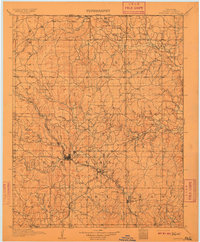 1910 Pawhuska1910 Print · USGSOsage County's landscape at the dawn of Oklahoma statehood reveals a transition from tribal lands to a rail-connected economy. Genealogists and historians can trace early settlements like Wynona and Bigheart, or find local landmarks like Daltons Caves and White Swan Ford.2 unique versions available
 - 1914 Map of Nowata
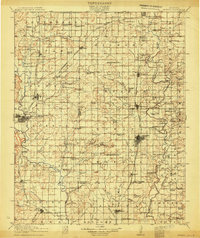 1914 Nowata1914 Print · USGSNortheastern Oklahoma at the height of its early statehood growth is documented here as the railroad network expanded across the Verdigris River valley. Genealogists can locate dozens of country schools like Go-back School and vanished post offices such as Avelia Wayside PO.5 unique versions available
 - 1954 Map of Tulsa
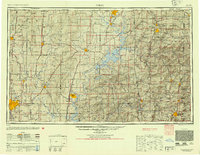 1954 Tulsa1954 Print · USGSNortheast Oklahoma and the Ozark border are shown here during a period of massive industrial and infrastructure growth. Researchers can trace the legacy of the Tri-State Mining District and the development of major reservoirs like Grand Lake O' The Cherokees.2 unique versions available
 - 1955 Map of Enid, 1966 Print
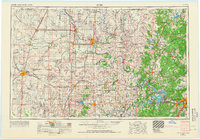 1955 Enid1966 Print · USGSNorth-central Oklahoma's transition from open plains to the blackjack hills of the Osage Indian Reservation is captured in the mid-1950s. Researchers can trace the development of the Naval Reserve Oil Field, the grounds of Vance AFB, and the early footprints of Tulsa and Stillwater.4 unique versions available
 - 1958 Map of Enid
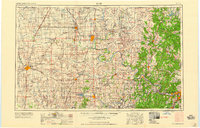 1958 Enid1958 Print · USGSNorthern Oklahoma is mapped here in the late fifties, showcasing a dense network of petroleum production and historic tribal lands. Researchers can trace the legacy of the Osage Indian Reservation, early energy hubs like the Cushing Oil Field, and the Chilocco Indian Agricultural School.2 unique versions available
 - 1958 Map of Tulsa, 1968 Print
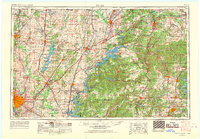 1958 Tulsa1968 Print · USGSNortheast Oklahoma and the Ozark borderlands are captured here during a massive era of reservoir construction and highway expansion. Researchers can trace the mid-century footprints of Tulsa, the sprawling Lake O' the Cherokees, and historical sites like Pea Ridge National Military Park.3 unique versions available
 - 1963 Map of Tulsa
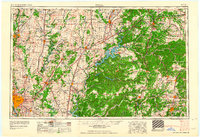 1963 Tulsa1963 Print · USGSThe Oklahoma and Arkansas borderlands are shown here in the early sixties, a time of massive reservoir construction and heavy mining. Genealogists can trace family roots through settlements like Nowata, Pryor, and Jay, or locate historical zinc and lead mines and coal mines.
 - 1971 Map of Bartlesville South, 1973 Print
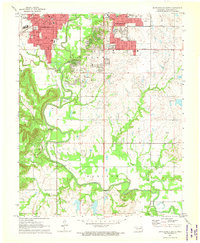 1971 Bartlesville South1973 Print · USGSBartlesville was a thriving education and energy hub in the early seventies, caught here as residential life expanded south toward the river. Genealogists and historians can trace institutional sites like Wesleyan College and Memorial Park Cemetery or follow the rails of the Missouri Kansas and Texas.3 unique versions available
 - 1971 Map of Woolaroc, 1973 Print
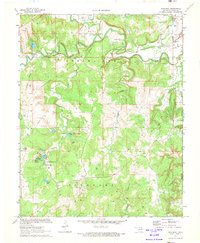 1971 Woolaroc1973 Print · USGSOsage County in the early seventies shows a landscape where high-culture estates and heavy industry meet. Genealogists and historians can locate the Woolaroc Museum, trace the Missouri-Kansas-Texas rail line, and find local landmarks like Osage Hills Sch.2 unique versions available
 - 1971 Map of Bartlesville North, 1973 Print
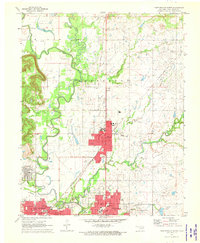 1971 Bartlesville North1973 Print · USGSNorthern Oklahoma's petroleum and rail corridors are captured in the early seventies, centered on the growing towns of Dewey and Bartlesville. Researchers can trace the extensive Jefferson Oil Field operations or locate local landmarks like the Antioch Ch and Johnstone Park.2 unique versions available
 - 1971 Map of Bowring SE, 1973 Print
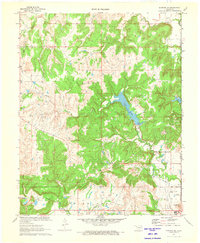 1971 Bowring SE1973 Print · USGSOsage and Washington counties in the early 1970s showcase a transition between petroleum production and growing recreational development. Genealogists and historians can trace the industrial footprint of Caney Field and local social life at the Sunset Country Club.
 - 1972 Map of Ramona, 1974 Print
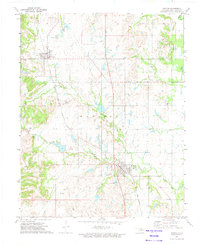 1972 Ramona1974 Print · USGSNortheastern Oklahoma's oil and rail landscape is captured here in the early seventies, centered on the towns of Ochelata and Ramona. Genealogists and historians can trace family sites at Happy Hill Ch or the Ramona Cem while mapping the era's energy boom via dozens of Oil Wells.2 unique versions available
 - 1985 Map of Bartlesville
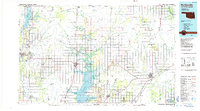 1985 Bartlesville1985 Print · USGSNortheastern Oklahoma in the mid-eighties shows a landscape defined by the Verdigris River and a complex rail network. Researchers can trace the industrial footprint of Strip Mines and find old rail hubs in Nowata and Vinita.2 unique versions available
 - 1985 Map of Pawhuska, 1986 Print
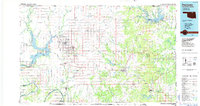 1985 Pawhuska1986 Print · USGSThe Osage Indian Reservation and its tribal capital at Pawhuska are seen here in the mid-1980s as the region's ranching and oil legacies matured. Genealogists and historians can trace family-named sites and vanished industrial tracks near Bigheart, Wynona, and Gray Horse.2 unique versions available
 - 2010 Map of Bartlesville South, 2010 Print
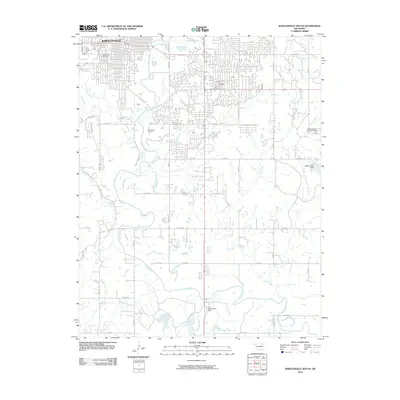 2010 Bartlesville South2010 Print · USGSBartlesville and the winding Caney River valley are shown here in the early twenty-first century as suburban growth expanded southward. Genealogists can locate several key burial sites including Silver Lake Cemetery and White Rose Cemetery alongside landmarks like the Richard Kane Dam.
 - 2010 Map of Bartlesville North, 2010 Print
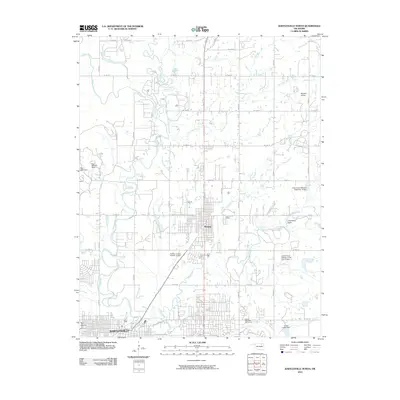 2010 Bartlesville North2010 Print · USGSNorthern Washington County is captured here at a time of steady growth between its primary urban centers. Researchers can trace the development of Dewey and Bartlesville or locate specific landmarks like The Mound and Wayside Airport.
 - 2010 Map of Woolaroc, 2010 Print
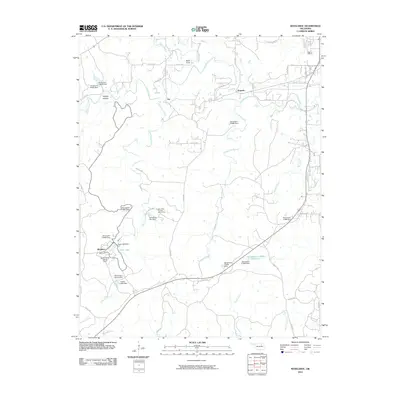 2010 Woolaroc2010 Print · USGSBartlesville and the surrounding Osage Hills are captured here in the early twenty-first century as a landscape of conservation and recreation. Genealogists and historians can trace the grounds of Woolaroc, the Wah-Shah-She Girl Scout Camp, and old settlements like Fite.
 - 2010 Map of Ramona, 2010 Print
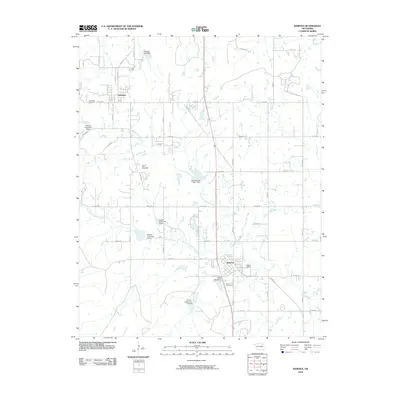 2010 Ramona2010 Print · USGSThe rural landscape of Washington County comes into focus in this early 2000s survey of the areas around Ramona and Ochelata. Genealogists and researchers can trace the vicinity of Ramona Cemetery, the waters of Nellie Bly Creek, and the prominent Twin Mounds.
 - 2010 Map of Bowring SE, 2010 Print
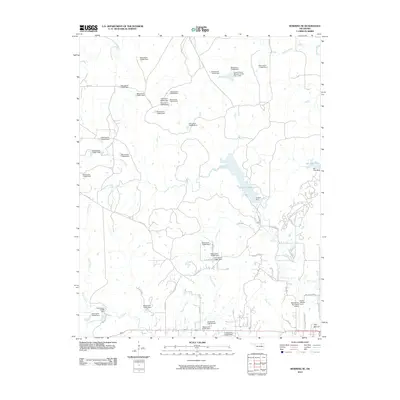 2010 Bowring SE2010 Print · USGSThe northern fringes of Bartlesville come into focus during the early twenty-first century, showing the intersection of aviation history and regional water management. Researchers can locate Frank Phillips Field and trace the shores of Lake Hudson and the Caney River.
 - 2012 Map of Bartlesville South, 2012 Print
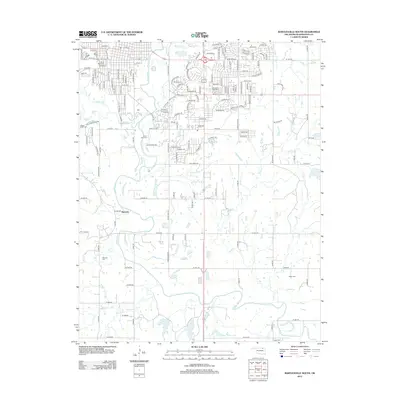 2012 Bartlesville South2012 Print · USGSBartlesville and the surrounding Oklahoma countryside are captured here as modern development reaches south toward older settlements. Researchers can trace family history through numerous local sites including White Rose Cem, the community of Matoaka, and the grounds of Oklahoma Wesleyan Univ.
 - 2012 Map of Ramona, 2012 Print
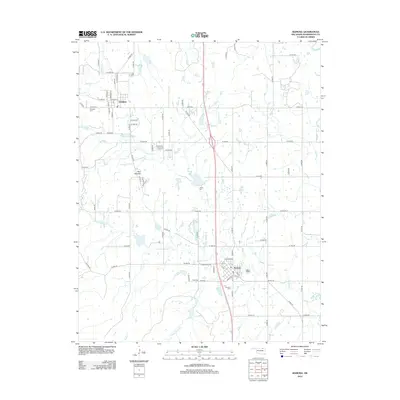 2012 Ramona2012 Print · USGSSouthern Washington County at the start of the 2010s shows a landscape defined by its creek networks and rural cemeteries. Genealogists and local historians can trace the town centers of Ramona and Ochelata, alongside historic sites like Ceasar Cem and the Twin Mounds.
 - 2012 Map of Bartlesville North, 2012 Print
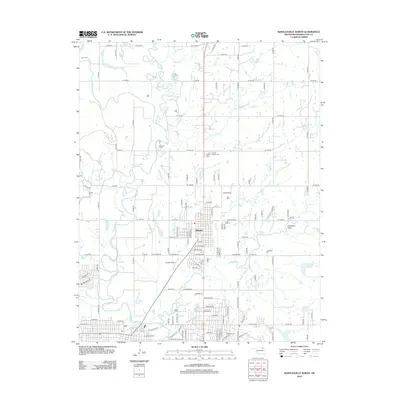 2012 Bartlesville North2012 Print · USGSNorth of the Bartlesville area in the early twenty-first century, the town of Dewey sits at the confluence of the Caney River and Little Caney River. Family researchers can locate numerous burial sites such as Beck Cem, Lenno Cem, and Dewey Negro Cem.
 - 2012 Map of Woolaroc, 2012 Print
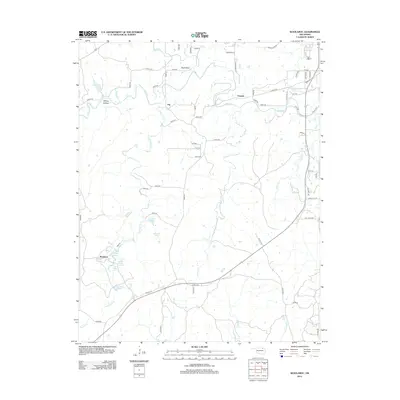 2012 Woolaroc2012 Print · USGSThe Osage Hills region comes alive in this 2012 survey of the ranch lands southwest of Bartlesville. Genealogists and local historians can trace the numerous named springs and family-named landmarks including Ponce De Leon Spring, Whisky Hollow, and the Woolaroc estate.
Showing maps 1-25 of 41
Top cities near Bartlesville
- Dewey historical maps
- Barnsdall historical maps
- Copan historical maps
- Ramona historical maps
- Ochelata historical maps
- Avant historical maps
See more
Top neighborhoods of Bartlesville
Frequently asked questions
- What are the different types of historical maps available for Bartlesville?
- What is the oldest map of Bartlesville?
- Where can I purchase historical maps of Bartlesville for my home or office?
- Where can I download high-res historical maps of Bartlesville?
- Are there historical topographic maps available for Bartlesville?
- Is there historical aerial imagery available for Bartlesville?
- Where are historical maps of Bartlesville sourced from?