1970s Maps of Gilliam County, Oregon
Explore 27 historic maps of Gilliam County from the 1970s. These maps offer a rare glimpse into what life looked like during the 1970s — showing old roads, neighborhoods, homes, and landmarks that have changed or disappeared over time.
Whether you're researching your family's past, planning a metal detecting trip, or studying how Gilliam County's landscape evolved across the 1970s, these high-resolution maps are a powerful tool for exploring the history of this region.
- Focus on a specific era: All maps on this page are from the 1970s, giving you a focused view of this time period.
- See what’s changed: Compare century-old streets, trails, and buildings to today's modern landscape using overlays and satellite layers.
- Research with precision: Use these maps for genealogy, historical research, land use analysis, or educational projects.
- View, download, or print: Maps are fully viewable online in high resolution, and can be downloaded or printed for your own records.
Start exploring Gilliam County's history through authentic maps from the 1970s. This is your window into the past.
Gilliam County, OR maps
(27)- 1970 Map of Alderdale, 1972 Print
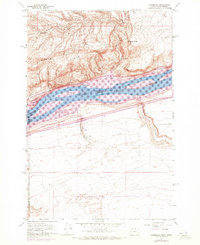 1970 Alderdale1972 Print · USGSThe Columbia River corridor comes alive in the early seventies as a hub of rail activity and industrial transit. Trace the riverbank routes of the Union Pacific and Burlington Northern near Alderdale and Golgotha Butte.
 - 1970 Map of Devils Backbone, 1973 Print
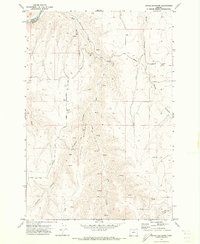 1970 Devils Backbone1973 Print · USGSThe high canyon country of Gilliam County is captured here in the early 1970s, where the John Day River carves the county line. Genealogists and historians can trace old routes like Mikkalo Road to remote landmarks such as Potters Cem and the former site of Lewis.
 - 1970 Map of Wolf Hollow Falls, 1973 Print
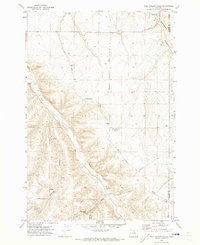 1970 Wolf Hollow Falls1973 Print · USGSThe high desert of North Central Oregon is captured here in the early 1970s, showing a landscape defined by deep canyons and dryland farming. Researchers can locate the Earl Snell Birthplace Historical Monument, a remote Cem, and the namesake Wolf Hollow Falls.
 - 1970 Map of Igo Butte, 1973 Print
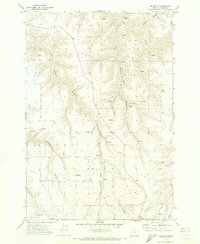 1970 Igo Butte1973 Print · USGSGilliam County ranchlands and high plateaus appear here as they were in the early 1970s. Researchers can locate the settlement of Alville, trace family history at Igo Cemetery, and follow canyon routes like Ferry Road.
 - 1970 Map of Schott Canyon, 1973 Print
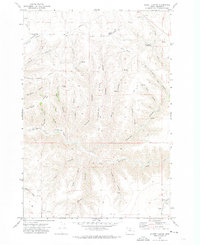 1970 Schott Canyon1973 Print · USGSGilliam County is captured in the early seventies, showcasing a high-desert landscape of wheat plateaus and deep canyons. Researchers can locate the Cameron School site and trace routes through landmarks like Shoestring Ridge and Thirtymile Creek.
 - 1970 Map of Chimney Springs, 1973 Print
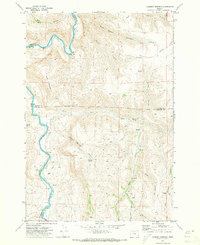 1970 Chimney Springs1973 Print · USGSThe high plateaus and canyons of the John Day country are captured here during the early seventies, when ranching life centered on remote outposts and spring-fed canyons. Researchers can trace land use at Buckhorn Ranch, locate the passage at Bills Pass, or find water sources like Duncan Spring.
 - 1970 Map of Indian Cove, 1973 Print
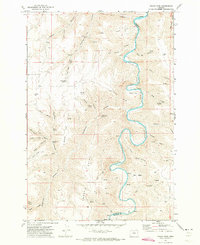 1970 Indian Cove1973 Print · USGSThe John Day River canyonlands along the Sherman and Gilliam county line are captured here in the early seventies. Researchers can trace the sinuous river curves through Indian Cove or locate remote water sources like Penny Spring and Hawkins Spring.
 - 1970 Map of Condon, 1973 Print
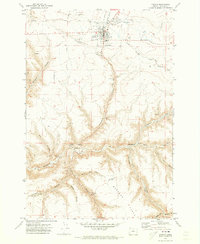 1970 Condon1973 Print · USGSThe high plateau of Gilliam County comes into focus in the early seventies, centered on the wheat-and-rail hub of Condon. Researchers can trace the Kinzua and Southern Railroad and locate significant local landmarks like Pictographs, the Masonic Cem, and Condon Airfield.2 unique versions available
 - 1970 Map of Salmon Fork, 1973 Print
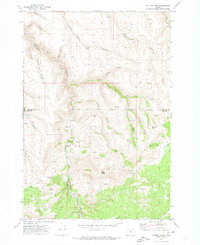 1970 Salmon Fork1973 Print · USGSThe Gilliam and Wheeler County borderlands are mapped here in the early 1970s, showcasing a landscape of timber and ranching history. Researchers can locate the Trail Fork School, identify family-named sites like Edwards, and trace the route of the Kinzua and Southern.
 - 1970 Map of Buckhorn Canyon, 1973 Print
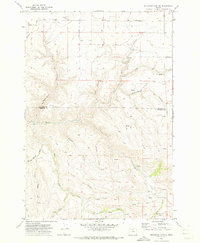 1970 Buckhorn Canyon1973 Print · USGSThe Gilliam and Wheeler County borderlands are captured here during the early 1970s, showcasing a landscape of isolated ranching outposts and deep canyons. Trace local heritage at the Cemetery or locate historic Pictographs and the northern Grain Elevator.
 - 1970 Map of Fossil North, 1973 Print
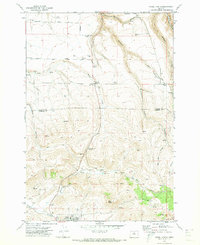 1970 Fossil North1973 Print · USGSNorth of the Wheeler County seat in the early 1970s, the plateau gives way to the deep drainages of the John Day country. Researchers can locate the Mayville Cem, trace the winding Condon Kinzua & Southern railroad, and find local landmarks like Black Butte.
 - 1970 Map of Shoestring Ridge, 1973 Print
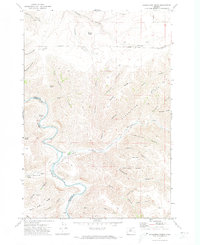 1970 Shoestring Ridge1973 Print · USGSThe high canyons and river breaks of north-central Oregon are documented here just as the 1970s began. Genealogists and local historians can trace the remote ranching landscape across Shoestring Ridge, identifying isolated landmarks like Schilling Spring and the Richmond Road.
 - 1970 Map of Gwendolen, 1973 Print
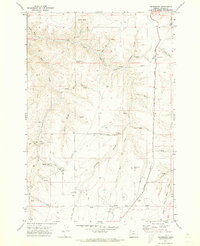 1970 Gwendolen1973 Print · USGSGilliam County ranchlands are documented here during the early 1970s, showing the intersection of rail transport and high-desert agriculture. Genealogists and local historians can locate the Gwendolen siding, the Grain Elevator, and landmarks like City Farm and Wester Butte.
 - 1970 Map of Matney Flat, 1973 Print
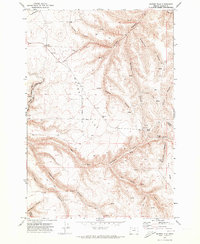 1970 Matney Flat1973 Print · USGSGilliam County was a landscape of deep canyons and high plateaus in the early 1970s, where rail and trail networks converged. Trace the path of the Kinzua and Southern RR and find local landmarks like Black Butte and the remote Cem.
 - 1970 Map of Devils Gap, 1973 Print
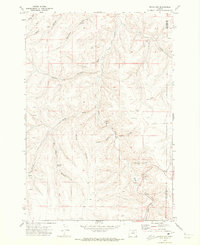 1970 Devils Gap1973 Print · USGSNorth-central Oregon's high plateau country is captured here in the early seventies, showing a landscape of deep canyons and isolated water sources. Researchers can trace the rugged drainage of Rock Creek or locate local landmarks like Ghost Camp and Box Elder Spring.
 - 1970 Map of Mikkalo, 1973 Print
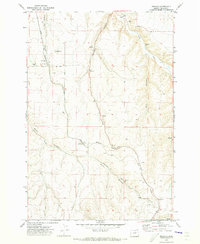 1970 Mikkalo1973 Print · USGSGilliam County agriculture and rail transport intersect in the early seventies along the deep cuts of the high plateau. Genealogists and historians can locate remote family sites like Olex Cem or trace the Union Pacific line through Mikkalo.
 - 1970 Map of Esau Canyon, 1973 Print
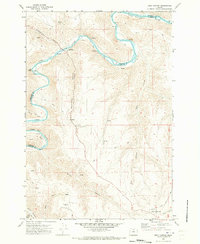 1970 Esau Canyon1973 Print · USGSThe high desert canyons along the Sherman and Gilliam county lines were characterized by remote ranching and river access in the 1970s. Researchers can trace historic transport routes like Ruggles (Pack) Grade and locate local landmarks such as Rietmann Ranch or the Ajax Landing Strip.
 - 1970 Map of Lone Rock Creek, 1973 Print
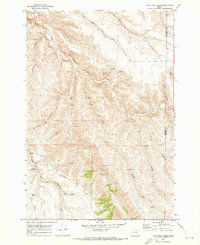 1970 Lone Rock Creek1973 Print · USGSGilliam and Morrow counties are shown during the early seventies, a time when the high desert landscape was navigated largely by primitive tracks. Researchers can trace historic access routes via the Jeep Trail network near McPherson Canyon and Billy Canyon.
 - 1971 Map of Arlington
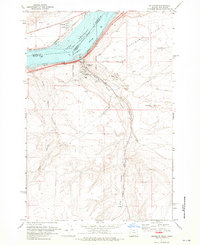 1971 Arlington1971 Print · USGSThe Columbia River shoreline in the 1970s shows the development of Lake Umatilla and the strategic positioning of Arlington between the water and the plateau. Genealogists and researchers can trace local landmarks like the Cem, High Sch, and the small community at Shutler.2 unique versions available
 - 1971 Map of Sundale, 1972 Print
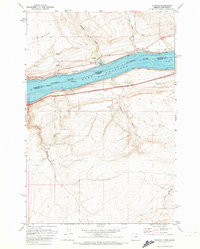 1971 Sundale1972 Print · USGSThe Columbia River Gorge in the early seventies shows a landscape of rail transit and river engineering at Lake Umatilla. Trace the path of the Burlington Northern near Sundale or explore the steep drainages of Blalock Canyon.2 unique versions available
 - 1971 Map of Quinton, 1973 Print
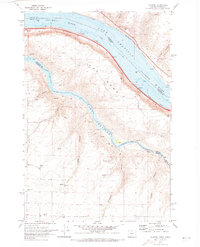 1971 Quinton1973 Print · USGSThe Oregon-Washington borderlands are defined here in the early 1970s by the meeting of the Columbia and John Day rivers. Follow the industrial infrastructure of the Union Pacific railroad past the settlement of Quinton or locate family landmarks like Albert Philippi Park.2 unique versions available
 - 1971 Map of Bath Canyon, 1973 Print
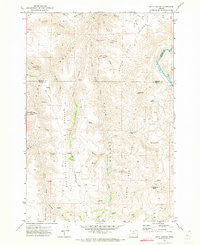 1971 Bath Canyon1973 Print · USGSThe high plateau of Wasco and Sherman counties in the early seventies reveals a landscape of deep canyons and vital springs. Researchers can trace historic access routes across North Pole Ridge and locate family-named landmarks like McGilvery Canyon and Joes Camp Canyon.
 - 1971 Map of Horseshoe Bend, 1973 Print
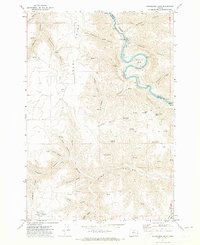 1971 Horseshoe Bend1973 Print · USGSThe high desert of North-Central Oregon is captured in the early seventies, centered on the winding John Day River. Trace family landmarks and rural infrastructure from the Wilson Airstrip to the namesake loop at Horseshoe Bend.
 - 1971 Map of Sundale NW, 1973 Print
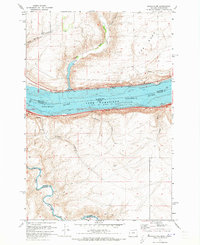 1971 Sundale NW1973 Print · USGSThe Columbia River corridor in the early seventies shows a landscape defined by the water and the rails. Genealogists and local historians can trace the riverside settlements of Blalock and Bates or explore the rugged drainages of Swanson Canyon and The Nook.2 unique versions available
 - 1971 Map of Harmony, 1973 Print
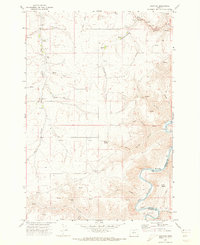 1971 Harmony1973 Print · USGSThe high plateau of Sherman County meets the deep bends of the John Day River in the early 1970s. Local researchers can trace old ranching routes like Ruggles Grade and locate community landmarks like the Grange Hall in Harmony.
Showing maps 1-25 of 27
Top cities of Gilliam County
Frequently asked questions
- What are the different types of historical maps available for Gilliam County?
- What is the oldest map of Gilliam County?
- Where can I purchase historical maps of Gilliam County for my home or office?
- Where can I download high-res historical maps of Gilliam County?
- Are there historical topographic maps available for Gilliam County?
- Is there historical aerial imagery available for Gilliam County?
- Where are historical maps of Gilliam County sourced from?