Old Maps of Bedford County, Pennsylvania for Academic Research
Study the evolution of Bedford County with 251 high-resolution historic maps. Whether you're teaching, researching, or modeling changes in land use, these maps provide essential visual documentation of urban, environmental, and geographic change.
- Analyze long-term change: Track patterns in development, transportation, and natural features.
- Ideal for environmental or urban studies: Support academic projects with primary historical map data.
- Use in the classroom or lab: Educators and researchers rely on these maps to bring historical context to life.
These maps are a powerful tool for teaching, research, and visualizing how Bedford County has changed over the decades.
Bedford County, PA maps
(251)- 1898 Map of Frostburg
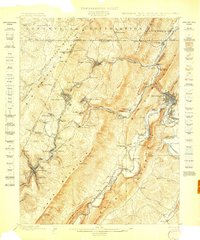 1898 Frostburg1898 Print · USGSMaryland's coal country and the Potomac borderlands are captured here at the height of the Victorian industrial era. Researchers can trace the extensive rail lines and mining infrastructure connecting settlements like Eckhart Mines, Mount Savage, and the historic C & O Canal.
 - 1898 Map of Paw Paw, 1982 Print
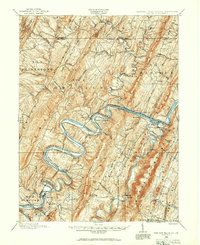 1898 Paw Paw1982 Print · USGSThe Potomac River meanders through the Appalachian ridges at the turn of the century, where Maryland, West Virginia, and Pennsylvania meet. Genealogists and historians can trace the early industrial corridor of the Chesapeake and Ohio Canal and find old rail stops like Magnolia and Doe Gully.
 - 1899 Map of Flintstone
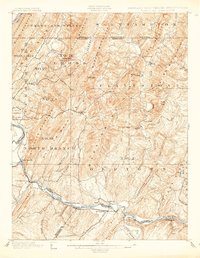 1899 Flintstone1899 Print · USGSThe Maryland, West Virginia, and Pennsylvania borders converge here during the late nineteenth century as industry follows the river. Genealogists can trace family footprints near Oldtown or locate vanished infrastructure like Patterson Depot and the C. & O. Canal.
 - 1900 Map of Pawpaw
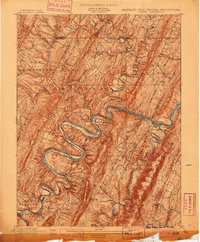 1900 Pawpaw1900 Print · USGSThe Potomac River's intricate meanders define this borderland at the close of the nineteenth century. Researchers can trace the parallel routes of the Chesapeake and Ohio Canal and the Baltimore and Ohio Railroad past Magnolia, Dam No. 6, and Fisher Ford.8 unique versions available
 - 1900 Map of Flintstone
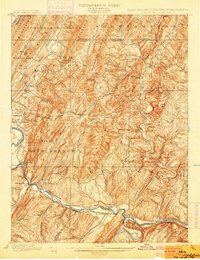 1900 Flintstone1900 Print · USGSThe Maryland and West Virginia border at the close of the nineteenth century centers on the vital Potomac River transportation corridor. Researchers can trace the Chesapeake and Ohio Canal, the B. & O. R. R., and early settlements like Oldtown, Flintstone, and Wolf Mill.6 unique versions available
 - 1900 Map of Everett, 1959 Print
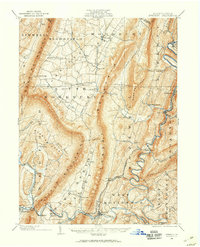 1900 Everett1959 Print · USGSBedford County at the turn of the century shows a landscape of deep limestone valleys and industrial river towns. Genealogists and historians can trace family-named sites and rail stops from Everett to New Enterprise and the river depot at Cypher Sta.
 - 1901 Map of Frostburg
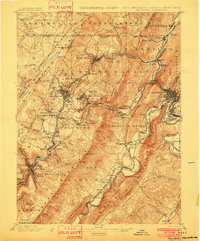 1901 Frostburg1901 Print · USGSMaryland's coal country and the critical mountain pass at Cumberland are shown in detail at the turn of the century. Genealogists and industrial historians can locate old mining works at Eckhart Mines, the path of the C. & O. Canal, and the early layout of Frostburg.2 unique versions available
 - 1901 Map of Huntingdon, 1960 Print
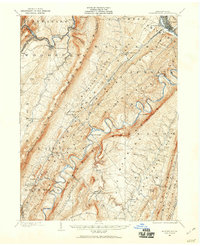 1901 Huntingdon1960 Print · USGSCentral Pennsylvania's ridge-and-valley landscape is documented here at the turn of the century, showing a network of river-bound iron fords and rail junctions. Genealogists and historians can trace family-named locations from Cove Forge to settlements like Cassville and Marklesburg.
 - 1902 Map of Everett
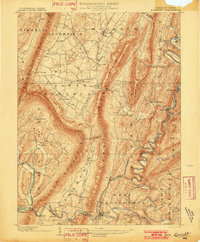 1902 Everett1902 Print · USGSBedford County at the start of the twentieth century shows a landscape of deep ridge-and-valley industry and isolated mountain coves. Genealogists and historians can trace old homesteads and rail stops near Everett, New Enterprise, and the Valley Mill along Snake Spring Run.7 unique versions available
 - 1902 Map of Ebensburg, 1954 Print
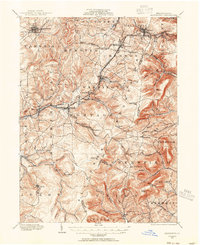 1902 Ebensburg1954 Print · USGSCambria County at the dawn of the twentieth century was a landscape of intensive rail infrastructure and mountain mining towns. Researchers can trace the Pennsylvania RR lines and find detailed footprints for settlements like Ebensburg, Cresson, and the high peak at Blue Knob.
 - 1902 Map of Hollidaysburg, 1957 Print
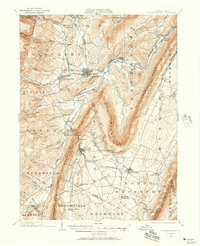 1902 Hollidaysburg1957 Print · USGSCentral Pennsylvania at the opening of the twentieth century shows a landscape defined by the iron and rail industries. Genealogists and historians can trace the early footprints of Hollidaysburg, locate the Ore Hill mine, and follow the Pennsylvania R. R. through the steep gaps of the Allegheny Mountain.2 unique versions available
 - 1903 Map of Hollidaysburg
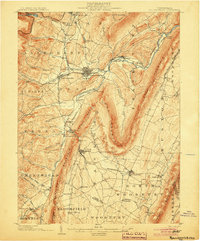 1903 Hollidaysburg1903 Print · USGSBlair County was a hub of Appalachian industry and transit at the opening of the twentieth century. Genealogists and historians can trace the early rail networks of the Pennsylvania RR and locate vanished mining activity near Orehill and Henrietta.7 unique versions available
 - 1904 Map of Huntingdon
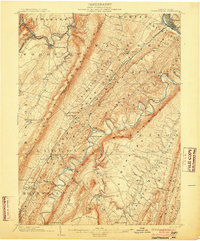 1904 Huntingdon1904 Print · USGSHuntingdon and the Raystown Branch of the Juniata River are captured in the early 1900s as the region's rail and iron industries thrived. Trace the routes of the P. R. R. and find local landmarks like Eagle Foundry, Cassville, and the historic Fink Bridge.6 unique versions available
 - 1904 Map of Ebensburg
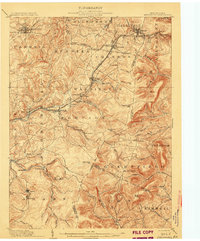 1904 Ebensburg1904 Print · USGSCambria County's industrial heartland is captured during the era of steam and steel, when the Pennsylvania RR crested the Allegheny Front. Genealogists and historians can trace the early layouts of Ebensburg, Lilly, and Gallitzin, or locate rural landmarks like Mt Hope Church.7 unique versions available
 - 1908 Map of Frostburg
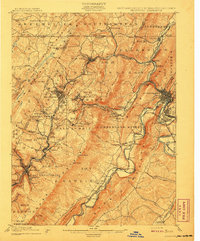 1908 Frostburg1908 Print · USGSAllegany County mining and rail networks are in full view at the turn of the century. Trace the old coal patches and rail spurs from Eckhart Mines to Borden Shaft, and follow the C & O Canal along the North Branch Potomac River.5 unique versions available
 - 1908 Map of Bedford, 1958 Print
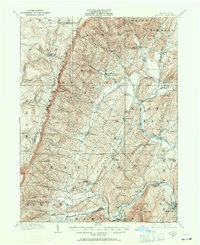 1908 Bedford1958 Print · USGSBedford County at the turn of the century reveals a landscape of ridge-top schools and valley mill towns connected by early rail. Genealogists can trace family roots through numerous sites like Ryan Mill, Eight Square School, and Ogleton Felix PO.
 - 1910 Map of Bedford
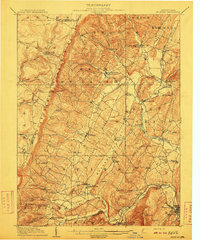 1910 Bedford1910 Print · USGSBedford County's agrarian valleys and mountain ridges are captured here during the peak of the rural schoolhouse era. Researchers can trace ancestral locations at Weyant PO, Schellsburg, and Mowrys Mills, or locate early landmarks like Eight Square School.4 unique versions available
 - 1910 Map of Paw Paw, 1959 Print
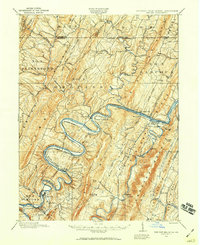 1910 Paw Paw1959 Print · USGSMaryland and West Virginia meet along the serpentine Potomac River in the early twentieth century as railroads and canals compete for the valley. Trace the industrial landscape from the Ohio and Chesapeake Canal to the river towns of Paw Paw and Little Orleans.
 - 1914 Map of Windber, 1955 Print
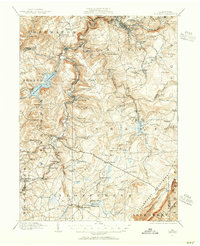 1914 Windber1955 Print · USGSSomerset County coal and rail towns thrive along the Allegheny front during the height of the early industrial era. Genealogists and historians can trace the foundations of Windber, locate the Old Shade Furnace, and map family-named schools like Keafer School.3 unique versions available
 - 1916 Map of Windber
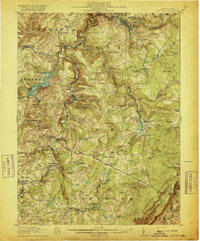 1916 Windber1916 Print · USGSSomerset County coal country and the Laurel Highlands come alive in the decade before the Great War. Genealogists and historians can trace family locations through dozens of named sites like Old Shade Furnace, Stauffer Mine No 3, and Walkers Mill.4 unique versions available
 - 1923 Map of Berlin
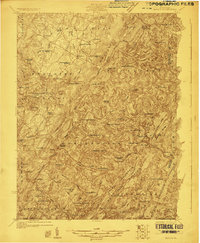 1923 Berlin1923 Print · USGSSomerset County’s high ridges and deep valleys are documented in the early 1920s as the rail and mining industries shaped the local economy. Genealogists and researchers can locate numerous family-named landmarks and rural hubs, including Butners Mill, Sand Patch, and the Shipley Brothers Mine.3 unique versions available
 - 1925 Map of Needmore
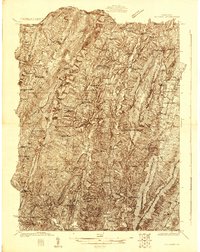 1925 Needmore1925 Print · USGSFulton County’s ridges and valleys are meticulously detailed in the mid-1920s, showing the early path of the Lincoln Highway. Researchers can locate dozens of country institutions, from the Old Mountain House to the Sideling Hill Baptist Church and Sipes Mill.
 - 1927 Map of Clearville
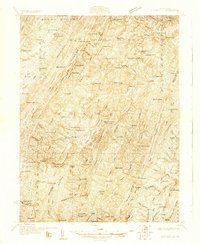 1927 Clearville1927 Print · USGSBedford and Fulton counties appear here in the late twenties, showing a landscape of high ridges and isolated mountain valleys. Genealogists can trace family roots through numerous rural landmarks like Hendershot Cemetery, Ottown Sch, and the village of Clearville.
 - 1927 Map of Hyndman, 1967 Print
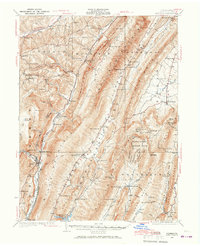 1927 Hyndman1967 Print · USGSThe ridges and valleys of Bedford County appear here at a moment when rural life centered on dozens of mountain schools and the Baltimore and Ohio railroad. Genealogists can trace family footprints at Diehl Cem or locate the sites of St James Ch and the Bedford Valley PO.
 - 1929 Map of Berlin
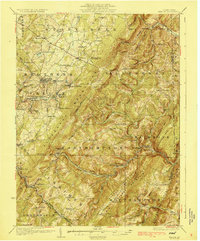 1929 Berlin1929 Print · USGSSomerset County is shown here in the late twenties, during the peak of the mountain coal and rail era. Genealogists and historians can trace family roots through dozens of rural landmarks like Whiteoak Churches, Salco Mines, and the Falls Cut Tunnel along the B&O line.3 unique versions available
Showing maps 1-25 of 251
Top cities of Bedford County
- Bedford historical maps
- Napier Township historical maps
- Everett historical maps
- Hyndman historical maps
- Saxton historical maps
- Pavia Township historical maps
See more
Frequently asked questions
- What are the different types of historical maps available for Bedford County?
- What is the oldest map of Bedford County?
- Where can I purchase historical maps of Bedford County for my home or office?
- Where can I download high-res historical maps of Bedford County?
- Are there historical topographic maps available for Bedford County?
- Is there historical aerial imagery available for Bedford County?
- Where are historical maps of Bedford County sourced from?