Old Maps of Morris Township, Pennsylvania for Genealogy
Trace your family roots with 26 historic maps of Morris Township. These high-res maps reveal old neighborhoods, homesites, landmarks, and streets — helping you uncover where your ancestors lived and how the area evolved over time.
- Explore historic neighborhoods: Identify where your relatives may have lived in the 1800s or 1900s.
- Compare maps over time: Trace the changes in streets, buildings, and landmarks for multi-generational research.
- Perfect for genealogy & ancestry research: Used by family historians and researchers to map out lineage and migration.
These maps are an incredible resource for exploring your personal connection to Morris Township's past.
Morris Township, PA maps
(26)- 1903 Map of Houtzdale, 1959 Print
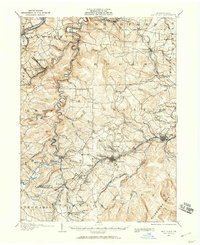 1903 Houtzdale1959 Print · USGSClearfield County was a hub of rail and river activity at the turn of the century as industrial towns expanded along the Allegheny Mts. Researchers can trace the early layout of Houtzdale, find family-named post offices like Oshanter P.O. Mitchells, and follow the winding Clearfield Creek.
 - 1905 Map of Houtzdale
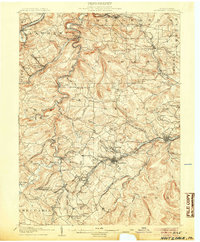 1905 Houtzdale1905 Print · USGSHoutzdale and the surrounding Clearfield County coalfields are captured here during their industrial prime at the turn of the century. Genealogists and historians can trace rail-dependent settlements and local post offices like Kephart P.O., Belsena Mills, and Brisbin.5 unique versions available
 - 1922 Map of Philipsburg
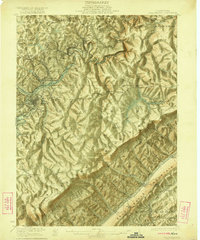 1922 Philipsburg1922 Print · USGSPhilipsburg and the northern Allegheny coalfields are captured here in the early twenties during a period of heavy rail and mining activity. Genealogists can trace family locations through dozens of named rural schoolhouses like Klondike School and industrial sites including Cuba Mines and the Central RR of Pennsylvania.3 unique versions available
 - 1939 Map of Philipsburg, 1955 Print
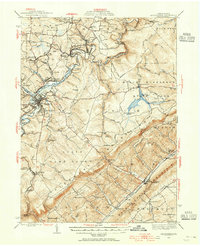 1939 Philipsburg1955 Print · USGSCentral Pennsylvania’s coal and iron country is captured here during the late thirties, showing the rail-linked settlements of the Moshannon Valley. Researchers can trace family roots at Black Oak Sch, find old industrial sites like Martha Furnace, or locate the Rusnak Mine.2 unique versions available
 - 1945 Map of Philipsburg
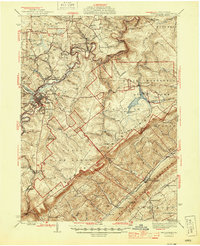 1945 Philipsburg1945 Print · USGSPhilipsburg and the central Pennsylvania coal country are shown here in the mid-1940s as industry and recreation shaped the landscape. Researchers can trace the legacy of the NEW YORK CENTRAL railroad, find the site of Martha Furnace, or locate rural schools like Hope Sch and Black Oak Sch.
 - 1945 Map of Wallaceton, 1956 Print
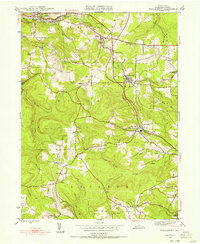 1945 Wallaceton1956 Print · USGSClearfield County's upland mining and rail corridor is captured here at the end of the war. Genealogists and researchers can trace family landmarks like Salem Ch, Eagle Eye Sch, and the junction at Wallaceton before modern development changed the landscape.4 unique versions available
 - 1946 Map of Wallaceton
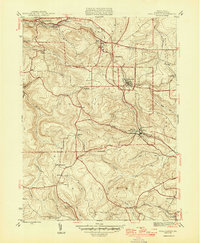 1946 Wallaceton1946 Print · USGSClearfield County at the close of the 1940s is shown here as a series of tight-knit townships and rural school districts. Researchers can trace the exact locations of many local landmarks including West Decatur P O, Eagle Eye Sch, and Salem Ch.2 unique versions available
 - 1953 Map of Pittsburgh
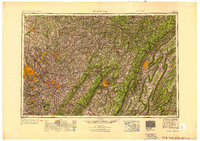 1953 Pittsburgh1953 Print · USGSWestern Pennsylvania's industrial landscape at the start of the fifties shows the steel and rail corridors between Pittsburgh and Altoona. Trace family roots in river towns like Tarentum or follow the Pennsylvania Turnpike across Laurel Hill.
 - 1954 Map of Pittsburgh
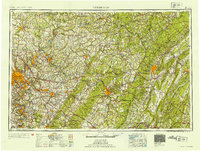 1954 Pittsburgh1954 Print · USGSWestern Pennsylvania in the early fifties remains a powerhouse of heavy industry and vital transit corridors. Genealogists and historians can trace the rail-and-river network connecting Pittsburgh, Johnstown, and Altoona via the Pennsylvania RR and the Lincoln Highway.2 unique versions available
 - 1958 Map of Pittsburgh
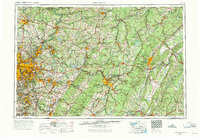 1958 Pittsburgh1958 Print · USGSWestern Pennsylvania in the late fifties shows an industrial heartland defined by the confluence of the Allegheny River and Monongahela River. Researchers can trace the sprawling rail networks of the Pennsylvania RR and find established towns like Butler, Latrobe, and Windber.5 unique versions available
 - 1959 Map of Philipsburg
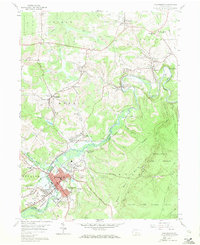 1959 Philipsburg1959 Print · USGSPhilipsburg and its neighboring coal-and-rail towns are captured in detail during the late fifties. Genealogists and historians can trace family roots through numerous sites like Kylertown Cem, St Johns Ch, and the many rail junctions at Hawk Run.5 unique versions available
 - 1959 Map of Pittsburgh
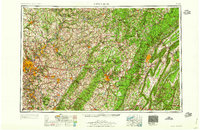 1959 Pittsburgh1959 Print · USGSWestern Pennsylvania in the late fifties is captured here at the height of its industrial era. Genealogists and historians can trace the riverfront growth of Pittsburgh, the rail works at Altoona, and the mountain gaps of Laurel Hill.
 - 1964 Map of Pittsburgh
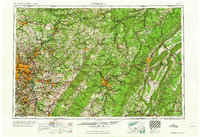 1964 Pittsburgh1964 Print · USGSWestern Pennsylvania in the late fifties and early sixties shows a landscape of powerful river industries and expanding highways. Genealogists and historians can trace the rail corridors of the Pennsylvania RR through industrial hubs like Johnstown, Altoona, and Nanty Glo.
 - 1984 Map of Tyrone, 1985 Print
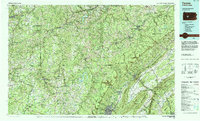 1984 Tyrone1985 Print · USGSCentral Pennsylvania in the mid-eighties shows a rugged landscape defined by the industry of Altoona and the ridges of the Appalachians. Genealogists and historians can trace the rail corridors of CONRAIL and locate vanished family homes near Glendale Lake or within Sinking Valley.
 - 1993 Map of Wallaceton, 1994 Print
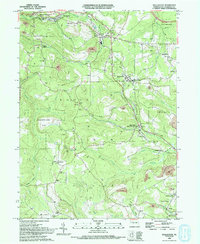 1993 Wallaceton1994 Print · USGSClearfield County's coal country comes into focus in the early nineties, showing a landscape shaped by rail lines and resource extraction. Genealogists and local historians can locate many rural landmarks, including Spring Valley Cem, Bigler, and Summit Hill Ch.
 - 1994 Map of Philipsburg, 1997 Print
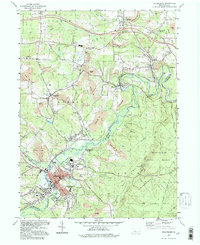 1994 Philipsburg1997 Print · USGSIn the mid-nineties, the coal country of the Allegheny Plateau reveals a landscape shaped by decades of mining and the winding path of Moshannon Creek. Genealogists and historians can trace family ties through Kylertown Cem, locate old industrial sites like the Kilns, or follow the old RR grade near Morrisdale.
 - 2010 Map of Philipsburg, 2010 Print
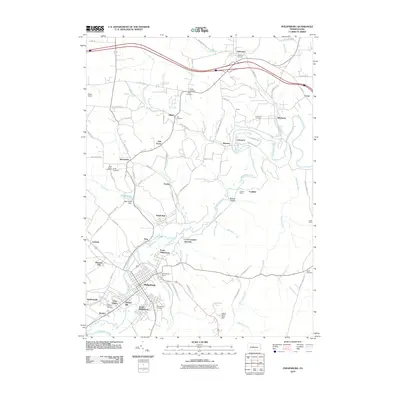 2010 Philipsburg2010 Print · USGSPhilipsburg and the Moshannon Creek valley are shown here during a period of modern stability in the Pennsylvania coal region. Researchers can trace industrial history at Rusnak Mine or locate family roots at the Kylertown and Saint Agnes cemeteries.
 - 2010 Map of Wallaceton, 2010 Print
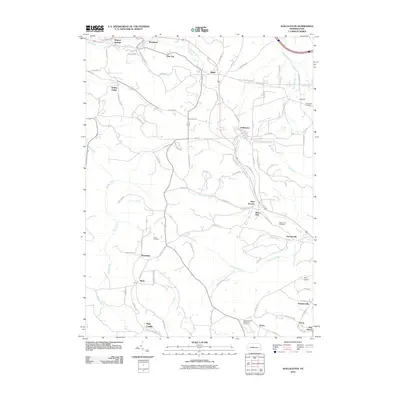 2010 Wallaceton2010 Print · USGSClearfield County's rural landscape is captured here in the early twenty-first century, showing the enduring network of small communities and hill-country roads. Genealogists and historians can locate family burial sites at Goss Cemetery or Center Hill Cemetery and trace the paths of Old Erie Pike through Blue Ball.
 - 2013 Map of Philipsburg, 2013 Print
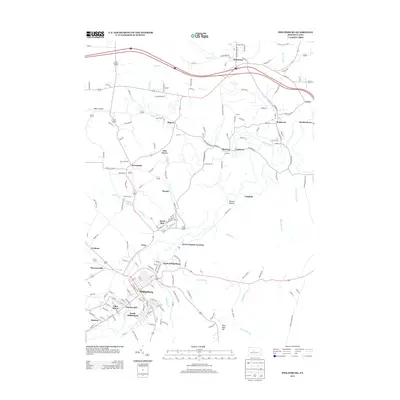 2013 Philipsburg2013 Print · USGSPhilipsburg and the Moshannon Creek valley are shown here in the early twenty-first century, capturing a dense cluster of historic coal-mining boroughs. Genealogists can trace family footprints through Cuba Mines, Chester Hill, and the vanished rail siding at Loch Lomond Junction.
 - 2013 Map of Wallaceton, 2013 Print
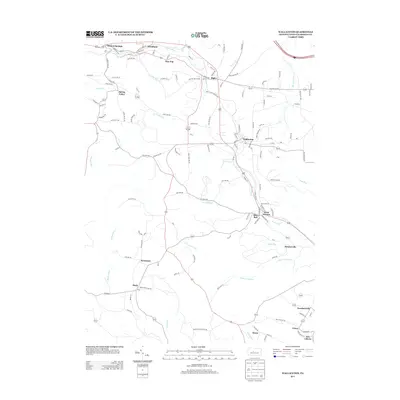 2013 Wallaceton2013 Print · USGSClearfield County's rural townships are documented here during a period of modern development that respects historical footprints. Researchers can pinpoint the Baughman Cemetery and trace the proximity of settlements like Blue Ball and Woodland.
 - 2016 Map of Philipsburg, 2016 Print
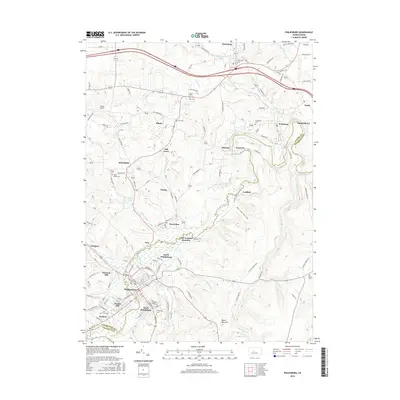 2016 Philipsburg2016 Print · USGSPhilipsburg and its satellite mining communities are captured here in the mid-2010s as they span the Moshannon Creek border. Genealogists can locate several family burial sites like Hunter Cem and Emigh Cem, or trace rail history at Loch Lomond Junction.
 - 2016 Map of Wallaceton, 2016 Print
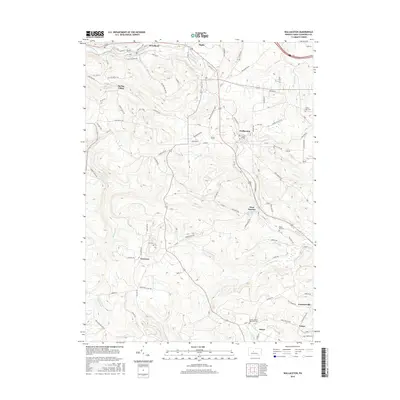 2016 Wallaceton2016 Print · USGSThe Clearfield County highlands near Wallaceton are shown in detail during the mid-2010s, illustrating a landscape of tight valleys and rural crossroads. Genealogists and locals can trace family sites at Goss Cem, Mokes Hill Cem, or the old settlement at Newtown.
 - 2019 Map of Philipsburg, 2019 Print
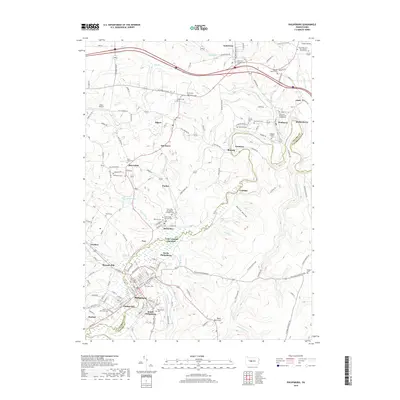 2019 Philipsburg2019 Print · USGSThe coal-region communities of the Centre and Clearfield county line are captured here in the late twenty-teens. Genealogists can trace family names at the Philipsburg Cem, Ashcroft Cem, and Saint John the Baptist Orthodox Church.
 - 2019 Map of Wallaceton, 2019 Print
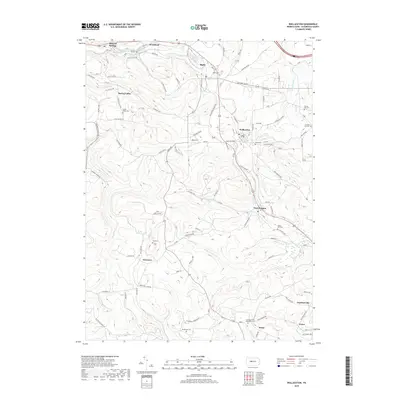 2019 Wallaceton2019 Print · USGSClearfield County's rural character is on display in the late twenty-teens, showing a network of small settlements and family burial grounds. Genealogists can locate specific sites like Spring Valley Cem, Goss Cem, and the community of Wallaceton.
 - 2023 Map of Wallaceton, 2023 Print
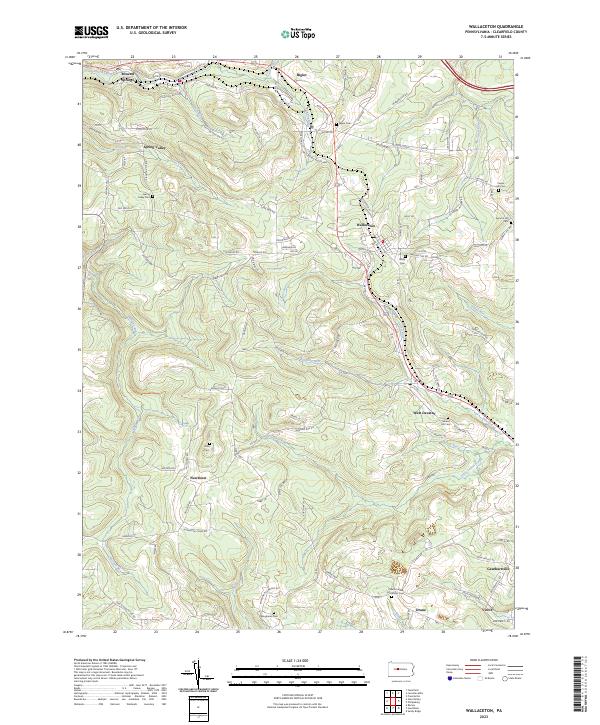 2023 Wallaceton2023 Print · USGSThe upland terrain of Clearfield County remains marked by the paths of the nineteenth-century Old Erie Pike and early mountain roads. Genealogists and local historians can pinpoint numerous burial sites and small settlements, including Goss Cem, Spring Valley, and Mineral Springs.
Showing maps 1-25 of 26
Top cities near Morris Township
- Clearfield historical maps
- Philipsburg historical maps
- Beccaria Township historical maps
- Warriors Mark Township historical maps
- Graham historical maps
- Bigler historical maps
See more
Top neighborhoods of Morris Township
- Allport historical maps
- Hawk Run historical maps
- Morrisdale historical maps
- Munson historical maps
- Oak Grove historical maps
- Pardee historical maps
See more
Frequently asked questions
- What are the different types of historical maps available for Morris Township?
- What is the oldest map of Morris Township?
- Where can I purchase historical maps of Morris Township for my home or office?
- Where can I download high-res historical maps of Morris Township?
- Are there historical topographic maps available for Morris Township?
- Is there historical aerial imagery available for Morris Township?
- Where are historical maps of Morris Township sourced from?